
Outdoor Wedding Guest Dresses: Weather Planning (Wind, Sun, Terrain)
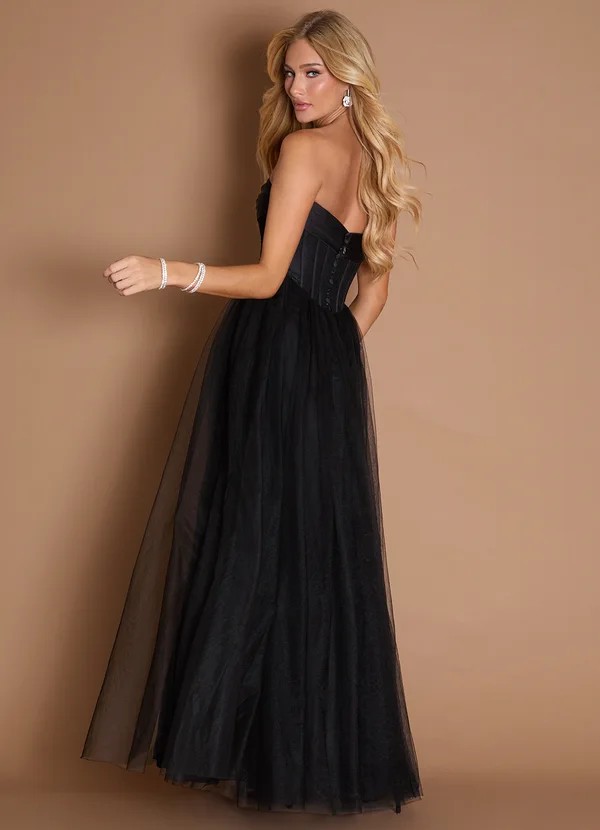
Outdoor weddings demand weather-ready dresses in practical fabrics with strategic styling. Choose breathable materials like chiffon or cotton in lengths that handle terrain, pair with stable footwear, and layer smartly for temperature changes. Planning for wind, sun, and ground conditions ensures comfort without compromising celebration-appropriate elegance.
Understanding Outdoor Wedding Variables
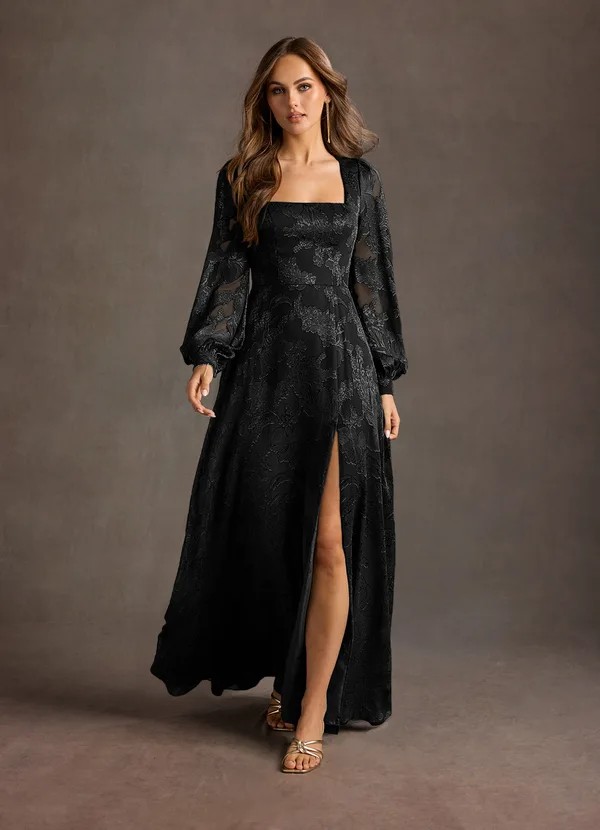
Outdoor celebrations introduce unpredictable elements that indoor venues eliminate. Success lies in preparation without sacrificing style.
Key outdoor challenges:
- Wind that affects lightweight fabrics and hairstyles
- Sun exposure requiring protection and heat management
- Uneven terrain demanding stable footwear
- Temperature fluctuations between ceremony and reception
- Potential precipitation requiring backup plans
- Humidity affecting makeup and fabric choices
Each outdoor venue presents unique combinations of these factors requiring thoughtful dress selection and strategic preparation.
Wind-Resistant Dress Selection
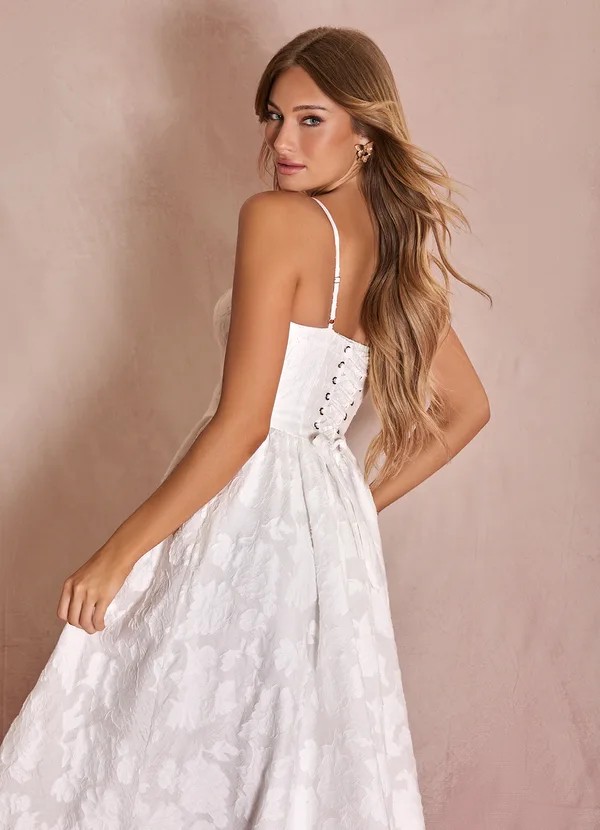
Breezy conditions affect certain dress styles more than others.
Wind-Friendly Silhouettes
A-line dresses with moderate fullness move beautifully without becoming unmanageable. The fitted bodice stays secure while the flared skirt flows gracefully.
Fit-and-flare styles provide controlled movement. These shapes create feminine silhouettes without excessive fabric that catches wind unpredictably.
Sheath and column dresses in slightly heavier fabrics eliminate wind concerns almost entirely. Streamlined silhouettes stay put in breezy conditions.
Midi-length options offer practical wind management. Mid-calf lengths move with breezes without flying up unexpectedly.
Fabrics That Handle Breezes
Medium-weight chiffon flows beautifully without becoming airborne. Fully-lined chiffon provides coverage even in wind.
Jersey in substantial weights drapes gracefully while maintaining weight that resists excessive movement.
Crepe offers structure that wind doesn’t affect dramatically. The fabric’s weight keeps it from flying unpredictably.
Cotton blends in quality weaves provide substance. These materials move naturally without extremes.
Styles to Reconsider
Very full circle skirts catch wind like sails. Unless weighted hems are included, these create constant management issues.
Extremely lightweight fabrics including thin silks or sheer materials fly up easily and require constant attention.
Handkerchief hems with multiple points flutter excessively. Even silhouettes create more predictable movement.
Sun Protection Strategies
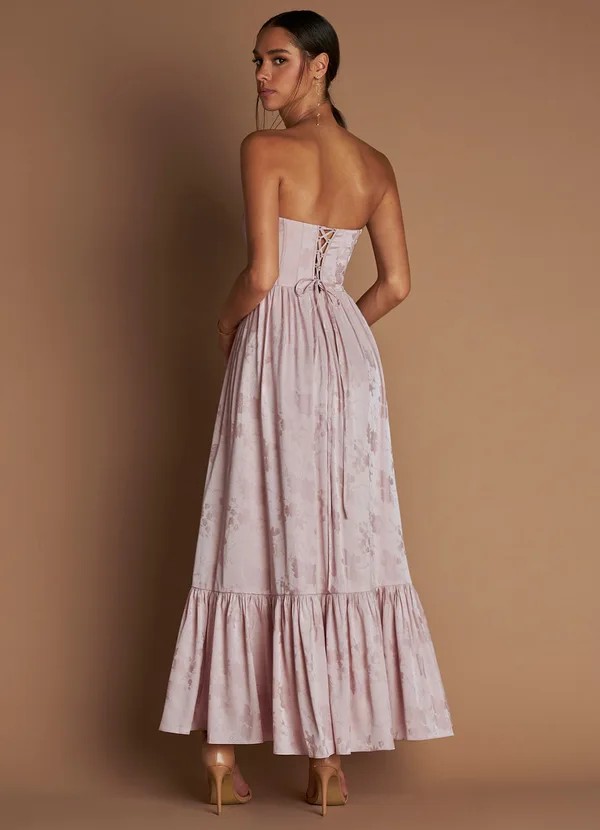
Outdoor ceremonies mean extended sun exposure requiring thoughtful planning.
Dress Features for Sun Defense
Sleeves provide natural coverage. Three-quarter or full-length sleeves protect arms from sun exposure during outdoor ceremonies.
Higher necklines minimize chest and shoulder sun exposure. Scoop, jewel, or modest V-necks all offer more coverage than very low cuts.
Midi and maxi lengths protect legs from direct sun. Longer hemlines reduce sunscreen application areas.
Lightweight, breathable fabrics prevent overheating while maintaining coverage. Cotton, linen blends, and lightweight jersey all work beautifully.
Color Considerations for Heat
Lighter colors reflect rather than absorb heat. Pastels, soft neutrals, and pale tones stay cooler than dark shades in direct sun.
Bright colors photograph beautifully in natural light without excessive heat absorption.
Very dark colors including black and navy absorb maximum heat. Reserve these for evening outdoor events or partially shaded venues.
Essential Sun Protection Accessories
Wide-brimmed hats provide face and shoulder protection during cocktail hours. Choose styles you can remove gracefully for ceremony photos.
Lightweight wraps offer shoulder coverage. Pashmina, silk, or linen scarves protect without adding bulk.
Quality sunglasses become essential accessories. Choose chic styles that complement your dress and photograph well.
Reef-safe sunscreen protects exposed skin. Apply generously and reapply throughout the day.
When selecting wedding guest dresses, consider how much natural sun protection fabric coverage provides.
Terrain-Appropriate Footwear and Hemlines
Ground surfaces significantly impact dress and shoe choices.
Footwear for Various Surfaces
Grass venues demand wedges, block heels, or elegant flats. Stilettos sink into soft ground immediately.
Gravel or stone paths work with block heels or substantial wedges. Choose wider heel bases for stability.
Sandy areas require flat sandals or barefoot options. Any heel sinks into sand unpredictably.
Mixed terrain benefits from versatile block heels or dressy flats you can wear comfortably across surfaces.
Wood decks or patios handle standard heels better but avoid very thin stilettos that can catch in gaps.
Hemline Strategy for Ground Contact
Knee-length dresses avoid ground contact entirely. This length works universally across terrain types.
Midi styles that end mid-calf stay clear of most surfaces. These provide elegance without dragging concerns.
Maxi dresses should just graze the ground when wearing shoes rather than pooling. Test hem length on similar surfaces before events.
High-low hemlines offer elegant backs with practical fronts. Shorter fronts navigate terrain while longer backs photograph beautifully.
Practical Terrain Considerations
Test shoes on similar surfaces before events. Walk on grass or gravel to ensure your footwear actually works.
Bring backup flats in your car. If primary shoes become uncomfortable or impractical, having alternatives prevents suffering.
Consider tights or bare legs carefully. Grass can be itchy. Sheer tights provide barrier protection if you’re sensitive.
Watch for outdoor hazards including sprinkler heads, uneven ground, or decorative elements that could catch hems.
Temperature Fluctuation Management
Outdoor events experience significant temperature changes between ceremony and reception.
Strategic Layering Solutions
Elegant wraps in pashmina, silk, or lightweight cashmere provide warmth without bulk. Choose colors that complement your dress.
Structured blazers create polished layering. Fitted jackets in neutral tones work across dress styles.
Lightweight cardigans offer casual elegance. Quality knits in refined styles suit semi-formal outdoor celebrations.
Shawls with interesting details including fringe, embroidery, or lace add visual interest while providing warmth.
Dress Features for Temperature Adaptability
Removable sleeves through jackets or wraps allow temperature adjustment. Start with coverage, remove as temperatures rise.
Three-quarter sleeves balance coverage with breathability. This length works across temperature ranges better than sleeveless or full sleeves.
Breathable fabrics including cotton, linen, or lightweight chiffon prevent overheating during warm portions while layering handles cool periods.
Time-of-Day Temperature Planning
Afternoon ceremonies mean maximum heat. Choose the lightest fabrics and colors even if evening temperatures will drop.
Evening receptions cool significantly even after hot days. Always bring layers regardless of afternoon temperatures.
Shoulder-season events (spring/fall) experience the most dramatic temperature swings. Plan for 20-30 degree differences between ceremony and reception.
Humidity and Moisture Considerations
Outdoor conditions affect fabrics and personal comfort uniquely.
Humidity-Friendly Fabrics
Cotton and cotton blends breathe beautifully in humid conditions. These natural fibers handle moisture without looking wilted.
Linen blends offer maximum breathability. While pure linen wrinkles significantly, blends minimize this while maintaining air circulation.
Jersey doesn’t show moisture and dries quickly. Quality jerseys handle humid conditions gracefully.
Lightweight chiffon allows air circulation without heat retention. The fabric’s structure handles humidity better than delicate silks.
Fabrics That Struggle
Heavy satin traps heat and shows moisture marks. Save structured satin for climate-controlled venues.
A thick crepe without breathability can feel uncomfortable in very humid conditions.
Delicate silks that water-spot easily struggle with humidity and potential light rain.
Personal Comfort in Humidity
Moisture-wicking undergarments prevent discomfort. Technical fabrics designed for heat management make significant differences.
Anti-chafing products become essential in humid conditions. Apply preventatively rather than waiting for discomfort.
Waterproof makeup withstands humidity and emotion-related tears. Set makeup properly for all-day wear.
Hair strategies that embrace rather than fight humidity work better. Updos or styles that look intentional when textured prevent constant worry.
Color and Pattern for Outdoor Light
Natural lighting affects how colors photograph and appear.
Jewel tones photograph gorgeously in natural light. Emerald, sapphire, ruby, and amethyst all capture outdoor light beautifully.
Soft pastels glow in natural settings. Powder blue, blush pink, lavender, and mint green all suit outdoor celebrations.
Earth tones complement natural surroundings. Terracotta, sage green, dusty rose, and warm neutrals blend beautifully with outdoor venues.
Prints with defined colors photograph better than very subtle patterns. Clear florals or geometric designs show well in natural light.
Avoid: Very pale colors that wash out in bright sun or very dark colors that photograph as solid black without dimension.
Practical Outdoor Wedding Packing List
Comprehensive preparation prevents last-minute stress.
In your bag:
- Compact umbrella or parasol
- Extra hairpins and elastics
- Blotting papers for shine control
- Compact powder for touch-ups
- Lip balm with SPF
- Small towel for seating
- Backup flats in car
- Phone in protective case
- Sunscreen for reapplication
- Bug spray (unscented if possible)
- Safety pins
- Stain remover pen
Leave accessible in car:
- Backup shoes
- Extra layers or wraps
- Full change of clothes for extreme emergencies
- Backup stockings or tights
Weather Contingency Planning
Prepare for various scenarios without carrying excessive items.
Check forecasts obsessively in the week before. Weather predictions become more accurate closer to event dates.
Understand venue rain plans. Most outdoor weddings have tent or indoor backup options. Know where you’ll go if weather turns.
Bring appropriate rain gear. Compact umbrellas or clear rain jackets protect without overwhelming your dress.
Waterproof your shoes if light rain is possible. Protective sprays help footwear survive light moisture.
Have makeup backup plans. Waterproof formulas withstand rain and humidity better than standard products.
Venue-Specific Outdoor Considerations
Different outdoor settings present unique challenges.
Garden weddings mean potentially uneven grass, mulch paths, and moisture from plants. Choose stable footwear and hems that clear ground.
Beach celebrations require sand-friendly shoes and lighter hemlines. Wind management becomes critical for seaside events.
Vineyard or farm settings often include gravel paths, grass, and rustic elements. Medium-weight fabrics work better than delicate materials.
Rooftop venues can be extremely windy. Choose heavier fabrics and secured hairstyles.
Park ceremonies may include ground seating. Avoid extremely short or very fitted dresses if sitting on grass is likely.
Frequently Asked Questions
What should I wear to an outdoor wedding?
Choose breathable fabrics like chiffon, cotton, or jersey in colors appropriate for sun exposure. Select midi or knee-length hemlines that clear terrain and pair with block heels, wedges, or dressy flats that handle grass or gravel.
How do I keep my dress from blowing up at an outdoor wedding?
Choose A-line or fit-and-flare silhouettes in medium-weight fabrics rather than very full circle skirts in lightweight materials. Midi lengths provide better wind control than maxis. Consider wearing slip shorts underneath for security. Avoid extremely lightweight fabrics that catch wind easily.
What shoes work for outdoor weddings on grass?
Block heels, wedges, or elegant flats all work beautifully on grass. Avoid stilettos or narrow heels that sink into soft ground. Test shoes on similar surfaces before events to ensure stability. Bring backup flats in case primary shoes become uncomfortable on uneven terrain.
How do I protect myself from sun at outdoor weddings?
Choose dresses with sleeves and higher necklines for natural coverage. Wear reef-safe sunscreen and reapply throughout the day. Bring wide-brimmed hats for cocktail hours, lightweight wraps for shoulder protection, and quality sunglasses. Select lighter colors that reflect rather than absorb heat.
What if it rains during an outdoor wedding?
Bring a compact umbrella or clear rain jacket. Most outdoor weddings have tent or indoor backup plans. Wear waterproofed shoes if light rain is forecasted. Use waterproof makeup formulas. Check with the couple about rain contingency plans so you know where to go if weather changes.
What length dress works best for outdoor weddings?
Knee-to-midi lengths work best for most outdoor terrain. These hemlines stay clear of grass, gravel, and dirt while maintaining elegant proportions. If choosing maxi length, ensure hems just graze the ground with shoes rather than dragging through outdoor surfaces.
How should I prepare for temperature changes at outdoor weddings?
Bring elegant wraps, lightweight cardigans, or structured blazers you can add as temperatures drop. Even summer outdoor events cool significantly after sunset. Pack layers in your car even if afternoon temperatures are warm. Choose dresses in breathable fabrics that work across temperature ranges.