
Minimal Budget Wedding Dresses: Maximum Style Guide
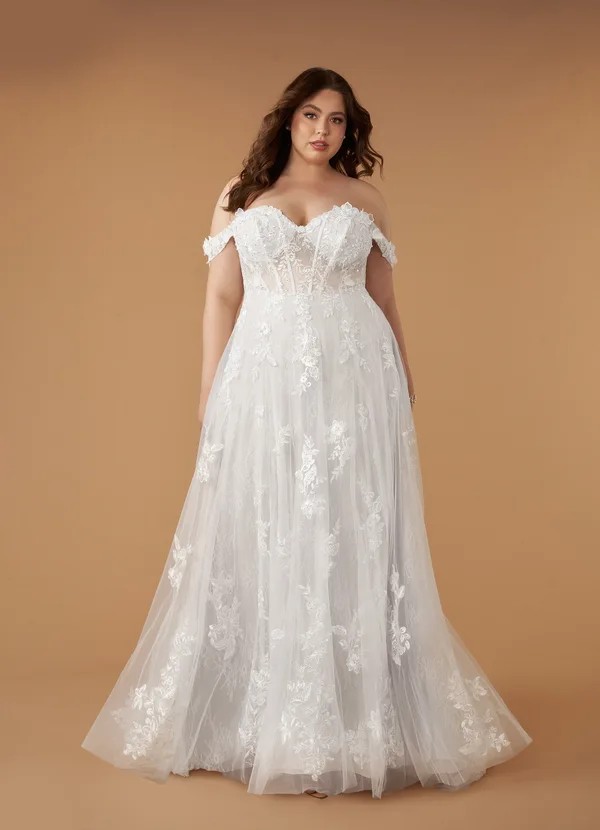
Finding beautiful wedding dresses on extremely tight budgets requires focusing on simple silhouettes, strategic styling, and DIY elements that elevate appearance. The key is choosing clean designs in decent fabrics, ensuring proper fit through careful alterations, and adding personal touches that create special moments. This guide helps you look elegant on minimal budgets through smart choices and creative solutions.
Smart Fabric and Style Choices at Minimal Budgets
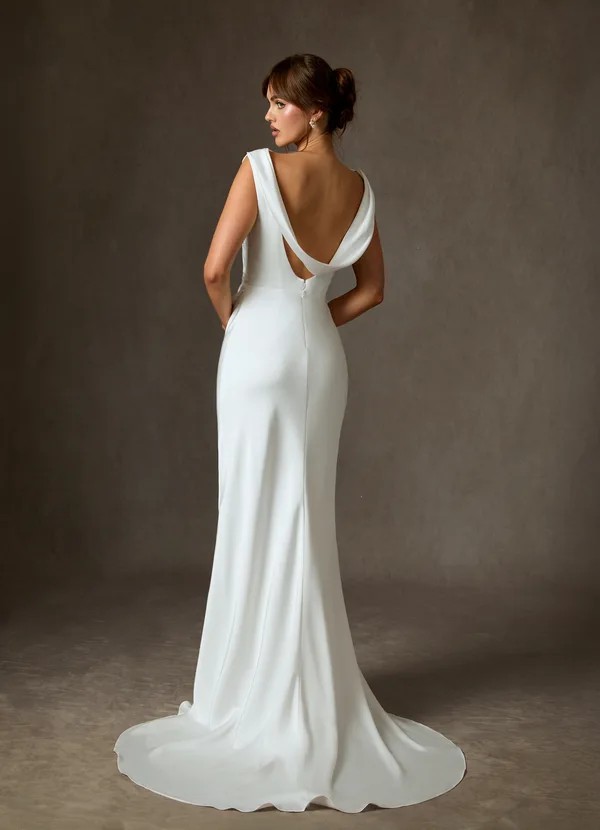
At minimal budgets, fabric and style choices become critical to achieving elegant appearance. Simple fabrics in clean silhouettes consistently look better than cheap elaborate designs. Understanding what works at this level helps you make strategic purchasing decisions.
Best Fabric Choices for Minimal Budgets: Cotton and cotton blends offer natural appearance with better structure than polyester. These fabrics breathe well and move naturally without appearing overly synthetic. Simple weaves photograph better than fabrics with obvious artificial sheen showing.
Stretch Fabrics for Better Fit: Jersey and ponte knits provide a comfortable fit that moves with your body. These materials often require fewer alterations due to forgiving stretch properties. Stretch fabrics can look elegant in simple silhouettes with proper styling.
Fabrics to Avoid at This Level: Very thin polyester chiffon appears obviously cheap and photographs poorly in lighting. Excessive tulle layers overwhelm minimal budgets without delivering elegant visual impact. Cheap lace looks artificial and detracts from overall appearance significantly.
| Fabric Type | Budget Advantage | Styling Tip |
| Cotton | Natural appearance | Keep silhouette simple |
| Jersey knit | Forgiving fit | Choose solid colors |
| Ponte | Structure without bulk | Modern clean lines |
| Cotton blends | Breathable comfort | Avoid patterns |
Quality Indicators at This Level: Feel fabric weight to ensure it has some substance rather than transparency. Check that seams are sewn straight without puckering or obvious issues. Verify that fabric doesn’t show obvious pilling or cheap texture immediately.
Color Strategy for Minimal Budgets: Ivory wedding options may be harder to find at minimal budgets but photograph warmly. Cream colored wedding dresses in simple fabrics look more elegant than white polyester. Solid colors photograph better than patterns that can look busy or cheap.
Silhouettes That Work at Minimal Budgets
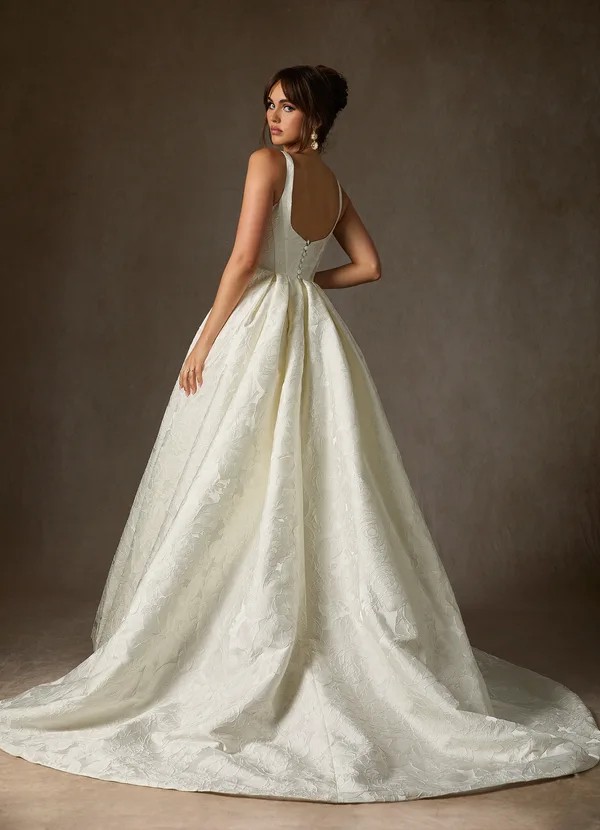
Simple silhouettes look elegant regardless of fabric or embellishment limitations. Clean lines photograph better than elaborate designs in cheap materials. Choosing the right shape maximizes your minimal budget’s visual impact.
A-Line: The Universal Choice Simple A-line dresses flatter most body types with minimal fabric requirements. The fitted bodice and gentle flare create classic elegant proportions. This versatile shape works for courthouse, backyard, or intimate venue weddings.
Sheath and Column for Modern Simplicity Straight silhouettes require less fabric and simpler construction offering better value. Clean lines create sophisticated minimalist aesthetic perfect for modern brides. These shapes suit small ceremonies, elopements, or destination wedding celebrations.
Fit-and-Flare Elegance Fit-and-flare styles provide more visual interest than straight sheaths affordably. This shape flatters many body types without requiring excessive fabric investment. The silhouette photographs beautifully from all angles consistently.
Silhouettes to Avoid: Ball gowns require significant fabric and construction beyond minimal budget capabilities. Heavily detailed mermaid styles need expert construction to avoid cheap appearance. Multiple fabric layers strain budgets without proportional visual impact delivered.
Browse sleeveless wedding dresses understanding simple necklines work best at this level. Satin strapless wedding dress styles may be difficult to find but offer classic elegant lines.
Strategic Fit and Essential Alterations
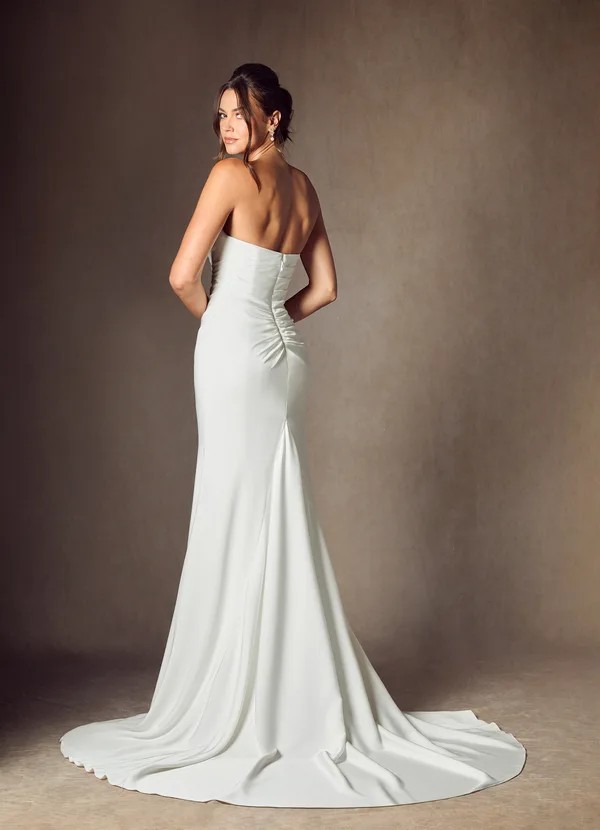
Perfect fit elevates minimal budget dresses to elegant appearance significantly. Poor fit immediately signals budget constraints regardless of other elements. Strategic alterations make the biggest difference in overall polished appearance achieved.
Critical Fit Elements: Proper hem length creates polished appearance in every photograph taken throughout the day. Dress should fit smoothly across shoulders without pulling or gaping anywhere. Bodice should lie flat against the body without excess fabric bunching.
DIY Alterations to Consider: Simple hemming can be done at home with basic sewing skills saving money. Adding basic hem tape prevents fraying while finishing edges professionally. Taking in side seams slightly improves fit without professional seamstress necessarily.
When Professional Help is Worth Investment: Complex bodice alterations require professional skills to avoid ruining dress completely. Zipper replacement or repair needs expertise to function properly and look finished. Structural changes affecting dress shape should be done by experienced seamstress.
Measuring for Best Fit: Take measurements carefully wearing undergarments you’ll wear on wedding day. Compare measurements to size charts rather than assuming your typical size. Order closest size then plan budget for essential alterations needed.
Alternative to Traditional Alterations: Well-placed safety pins can temporarily adjust fit for photo sessions effectively. Fashion tape holds necklines and straps in place throughout the day. Strategic use of belts or sashes can improve fit while adding style.
Creative Styling and Personal Touches
Strategic styling elevates minimal budget dresses through thoughtful accessory choices and details. DIY elements add personalization without significant cost increases substantially. Small investments in key areas deliver maximum visual impact achieved.
Essential Undergarments: Proper undergarments create smooth foundation under any dress regardless of cost. Basic shapewear smooths lines and provides support throughout wedding day. Well-fitted bra provides necessary support without showing through fabric anywhere.
Budget-Friendly Accessory Strategy: Borrowed jewelry from family or friends adds sentimental value and elegance. Simple veil or hair accessories can be found at craft stores affordably. Fresh flowers worn in hair provide natural beauty and photo appeal.
DIY Styling Elements: Hand-sewing simple appliqués or trim personalizes basic dress beautifully and meaningfully. Adding ribbon or fabric belt at waist defines silhouette and adds color. Simple alterations like changing buttons or adding details make dress uniquely yours.
Hair and Makeup Considerations: Practice doing your own hair and makeup to save on professional services. Watch tutorials online to learn techniques that photograph well in pictures. Consider simple elegant hairstyles that don’t require extensive professional styling expertise.
Explore white wedding dresses with sleeves or diamond white dress understanding styling matters more than fabric. Spaghetti strap wedding dress options work well for summer or destination weddings with minimal styling.
Alternative Options Worth Considering
Sometimes traditional wedding dresses aren’t the best value at minimal budgets. Alternative options can provide better quality and appearance for your investment. Understanding all possibilities helps you make the best choice for your situation.
Non-Traditional White Dresses: Formal white dresses from department stores often offer better quality at this level. Evening gowns or cocktail dresses in white or ivory work beautifully for small weddings. These options typically feature better construction than cheap wedding-specific dresses available.
Separates Strategy: Pairing white top with white skirt provides flexibility and better fit often. This approach allows mixing sizes for top and bottom accommodating your proportions. Separates can be worn again for other occasions extending value significantly.
Simple Vintage or Secondhand Options: Well-maintained vintage dresses offer quality construction impossible to find at minimal new budgets. Secondhand options from consignment shops provide better value than new cheap dresses. Ensure thorough condition inspection and realistic alteration budget when considering these options.
When to Consider Azazie Instead: If you can stretch budget slightly, made-to-order construction provides dramatically better value. Custom sizing eliminates extensive alteration costs that can exceed dress savings realized. Quality fabrics and construction make a small budget increase worthwhile investment for many.
Complete Budget Reality Planning
Understanding complete costs prevents surprises and financial stress during wedding planning. Minimal budgets require careful accounting of every expense incurred for dress. Realistic planning ensures you can actually afford all necessary elements successfully.
Total Cost Components:
- Dress purchase: Base minimal investment in gown itself
- Essential alterations: Hemming at minimum, possibly more needed
- Undergarments: Basic shapewear and bra supporting dress properly
- Accessories: Minimal jewelry, shoes, hair accessories as needed
- Cleaning: Basic cleaning after wedding if planning to preserve
Timeline Considerations: Start searching early to find best options within your constraints. Allow adequate time for any DIY projects or personal touches planned. Don’t rush into purchase without considering all alternatives available to you.
When Minimal Budget Isn’t Realistic: If total costs exceed what you can afford comfortably, reconsider dress expectations. Perhaps informal wedding attire suits your celebration better than a traditional gown. Be honest about what your budget can realistically accommodate without financial stress.
Frequently Asked Questions
Can minimal budget wedding dresses look elegant?
Yes, simple silhouettes in decent fabrics with perfect fit look elegant at any budget level. Focus on clean lines rather than embellishment or elaborate details that signal cost. Strategic styling and confidence make the biggest difference in overall appearance achieved.
What’s the best fabric at minimal budgets?
Cotton and cotton blends offer natural appearance better than cheap polyester options available. Jersey and ponte knits provide good fit with forgiving stretch properties working well. Avoid very thin fabrics or obvious synthetic materials that photograph poorly.
Should I buy new or secondhand at this budget?
Compare quality between new minimal budget options and available secondhand dresses carefully. Well-maintained second hand dresses often offer better construction than new cheap options. Factor in cleaning and alteration costs when comparing total investments required realistically.
How much should I budget for alterations?
Plan for basic hemming at minimum even if doing it yourself at home. Professional alterations can quickly exceed minimal dress budget if extensive work needed. Consider whether dress truly fits well enough to justify purchase at this level.
What silhouette looks best at minimal budgets?
Simple A-line and sheath silhouettes look polished without requiring expensive fabrics or construction. Clean lines photograph better than elaborate shapes in cheap materials that appear obviously budget-constrained. Choose shapes appropriate for your body type and venue selected.
Are there good alternatives to traditional wedding dresses?
Yes, formal white dresses from department stores often offer better quality at minimal budgets. Evening gowns or cocktail dresses in white work beautifully for small ceremonies. Separates provide flexibility and better fit than single traditional wedding gown options.
How can I make minimal budget dress look more expensive?
Perfect fit through careful alterations makes the biggest difference in appearance achieved. Quality undergarments create smooth foundation under any dress regardless of actual cost. Strategic styling with borrowed accessories adds elegance without significant additional investment required.