
Local Wedding Dress Shopping: In-Store vs Online Guide
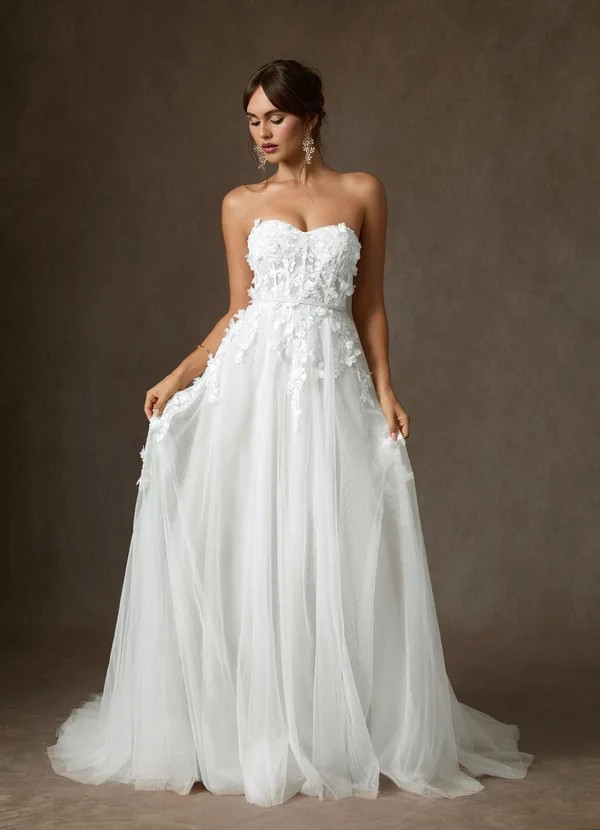
Shopping for wedding dresses locally offers immediate try-on experience while online shopping provides broader selection and custom sizing options. The best approach combines both methods—trying styles in-store to understand preferences, then comparing with online options. This guide helps you maximize both shopping methods while planning realistic timelines for fittings and alterations.
Preparing for Local Boutique Visits
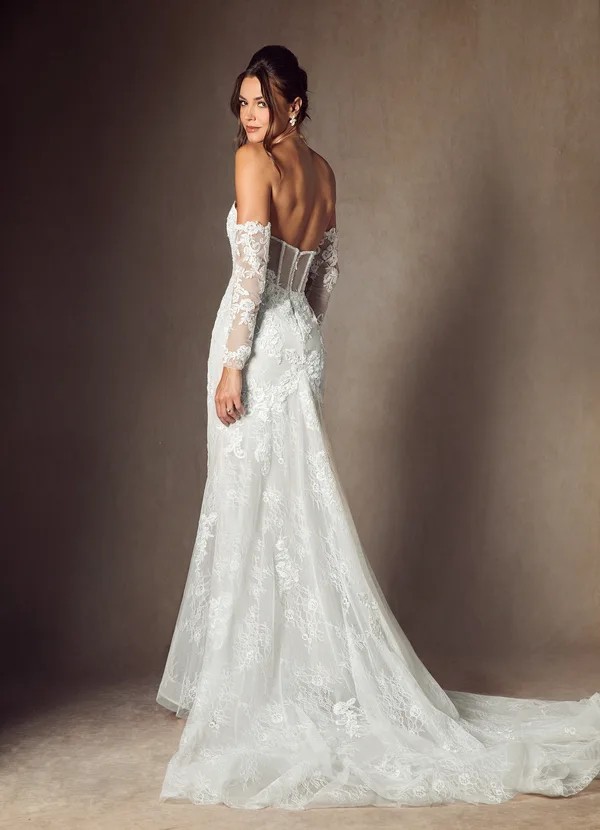
Successful in-store shopping requires preparation to make the most of limited appointment time. Boutiques typically schedule 60-90 minute appointments with limited dresses to try. Understanding what to bring and how to assess fit helps you use appointment time effectively.
What to Bring to Appointments: Wear strapless bra or bring one for accurate fitting under strapless gowns. Bring shoes with similar heel height to your wedding shoes for proper hem assessment. Take photos of dresses, venues, or inspiration images showing your preferred style direction.
Appointment Preparation Strategy: Schedule appointments at 3-4 boutiques to see diverse style and budget ranges. Book appointments on different days to avoid decision fatigue from too many dresses. Allow adequate time between appointments for discussion and reflection on preferences.
Size Expectations in Boutiques: Boutique sample dresses typically run in limited sizes, often 8-12 only for trying. You’ll likely need to use clips to approximate fit if the sample doesn’t match. Don’t let sample size affect your confidence—focus on overall style and proportion.
| Preparation Item | Why It Matters | What to Do |
| Undergarments | Accurate bodice fit assessment | Bring strapless bra |
| Shoes | Proper hem length evaluation | Similar heel height |
| Photos | Clear communication of preferences | Venue, inspiration images |
| Schedule | Avoid overwhelming yourself | Space out appointments |
Questions to Ask at Every Boutique: What is the total timeline from order to delivery for this dress? What alterations are included versus additional costs not covered by purchase? What is the return or exchange policy if sizing doesn’t work properly?
Taking Notes During Appointments: Photograph yourself in each dress from front, side, and back angles clearly. Write down style numbers, designers, and specific likes or dislikes about each. Note any discomfort, fit issues, or concerns about movement and sitting comfortably.
A satin strapless wedding dress requires proper support assessment during appointments. Ivory wedding gowns may appear different colors under boutique lighting versus natural light outdoors.
Comparing Local Shopping with Online Options
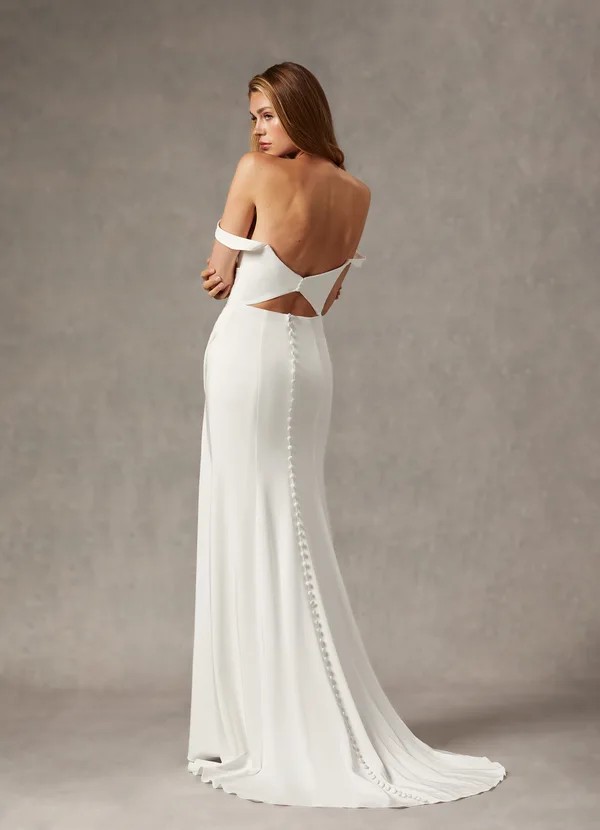
Local and online shopping each offer distinct advantages for wedding dress purchases. Understanding these differences helps you make informed decisions about where to invest time. Many brides successfully combine both approaches for optimal results and satisfaction.
Local Boutique Advantages: Immediate try-on experience helps you understand which silhouettes flatter your figure. Professional stylists provide expertise on fit, alterations, and styling coordination instantly. You can touch fabrics and assess quality before committing to purchase decision.
Local Boutique Limitations: Limited inventory means you see only dresses the boutique stocks currently. Size restrictions on samples make accurate fit assessment challenging for many brides. Timeline pressures from appointments can create rushed decision-making you might regret later.
Online Shopping Advantages: Broader selection allows comparison across hundreds of styles, colors, and silhouette options. Azazie offers dresses cut and sewn to order, similar to custom pieces. Custom sizing eliminates guesswork of standard sizing requiring extensive expensive alterations later.
Online Shopping Considerations: You cannot touch fabrics or try dresses before ordering your final selection. Photos may not perfectly represent color, texture, or drape in person accurately. Adequate timeline is essential for production, shipping, and any necessary alteration work needed.
Hybrid Shopping Strategy: Visit local boutiques to try silhouettes and identify what flatters your body. Note which necklines, fabrics, and details you prefer on your figure specifically. Shop online for broader selection in your preferred silhouette at better value.
Browse sleeveless wedding dresses or white wedding dresses with sleeves online after determining sleeve preferences. Diamond white dress options appear more consistent online with professional photography and color accuracy.
Critical Questions for Fitting Room Assessment
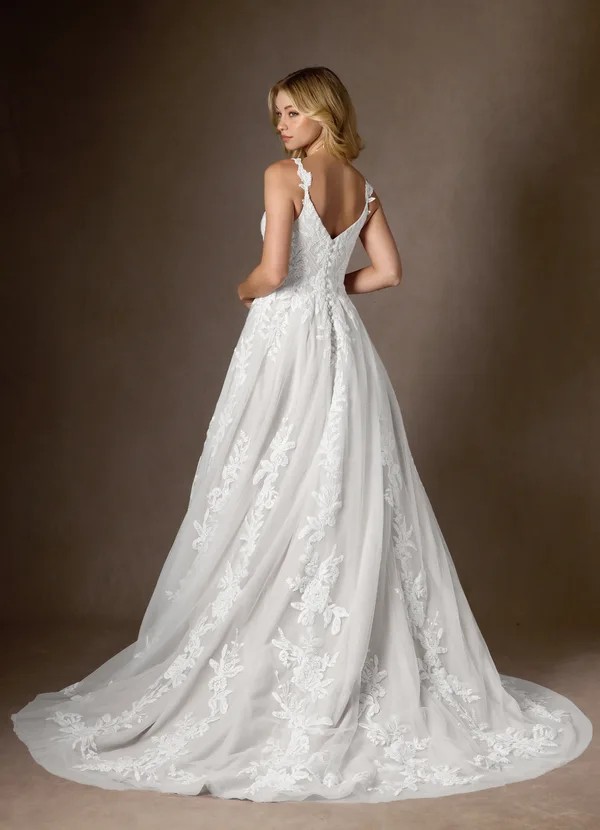
Asking the right questions during try-on ensures you understand how the dress actually fits. Many brides focus only on how dresses look without considering comfort and movement. Thorough assessment prevents regrets after committing to purchase and alteration investments.
Fit and Comfort Questions: Can you sit down comfortably without dress pulling or restricting your movement? Can you raise your arms fully overhead without bodice gaping or shifting position? Can you breathe normally without feeling constricted by bodice or waistline construction?
Movement and Practicality Assessment: Walk naturally in the dress to assess train length and movement restrictions. Practice dancing movements to ensure comfortable range of motion throughout reception. Sit in a chair then stand up to verify dress doesn’t require constant adjustment.
Construction Quality Indicators: Check seams for straight stitching without loose threads or visible construction issues. Examine how bodice boning feels against your body—it should provide support without poking. Test zipper or closure by opening and closing it several times smoothly.
Long-Term Wear Considerations: Consider whether you can wear this dress comfortably for 8-12 hours straight. Think about bathroom accessibility in this silhouette and whether you’ll need assistance. Evaluate whether weight of dress will cause fatigue or discomfort by evening.
Style Longevity Questions: Will you still love this dress in photos 10 years from now? Does this dress reflect your personal style or just current trends? Can you envision yourself walking down the aisle in this specific dress?
Planning Alteration Timeline and Budget
Understanding alteration timelines prevents last-minute stress and rushed work compromising quality. Most dresses require some alterations regardless of how well they initially fit. Planning adequate time and budget ensures your dress fits perfectly on wedding day.
Standard Alteration Timeline: First fitting should occur 8-10 weeks before wedding once dress arrives. Schedule second fitting 4-6 weeks before wedding to check adjustment progress. Final fitting should happen 2-3 weeks before wedding for last-minute tweaks.
Common Alterations and Complexity: Hemming represents most common alteration varying in complexity by dress construction. Bustle addition or modification enables elegant reception movement and dancing comfortably. Bodice adjustments including taking in, adding cups, or restructuring requires skill.
Alteration Budget Planning: Basic alterations typically represent additional investment beyond dress purchase itself. Complex alterations on heavily embellished dresses cost more than simple styles. Get specific quotes before purchasing dress to understand true total investment.
Choosing the Right Seamstress: Look for seamstresses specializing in bridal gowns rather than general alterations experience. Request to see photos of previous bridal work to assess quality level. Get written quotes detailing specific alterations included in pricing agreed upon.
| Alteration Type | Typical Timeline | Complexity Level |
| Hemming | First fitting | Varies by layers |
| Bustle | Second fitting | Moderate |
| Bodice taking in | First fitting | Moderate to high |
| Strap adjustments | First fitting | Low to moderate |
Explore cream colored wedding dresses or champagne wedding dress options understanding alteration needs. Spaghetti strap wedding dress styles may need strap length adjustments for proper fit and support.
Building Your Backup Online Shopping Plan
Having a backup online shopping plan provides security if local options disappoint. Many brides find better value, selection, or fit through online retailers. Understanding the online shopping process helps you pivot confidently if needed without timeline stress.
When to Consider Online Shopping: Local boutiques don’t carry styles, sizes, or silhouettes matching your preferences. Budget constraints make boutique options financially unrealistic for your situation. You prefer custom sizing over standard boutique samples requiring extensive alterations.
Online Shopping Timeline Requirements: Order dress 6-8 months before wedding for adequate production and shipping time. Allow 8-12 weeks for made-to-order production specific to your measurements. Budget 8-10 weeks for alterations after dress arrival even with custom sizing.
Measuring for Online Orders: Take measurements twice on different days wearing wedding day undergarments for accuracy. Have someone help with measurements you cannot reach yourself accurately and safely. Compare measurements carefully to size charts rather than assuming your typical size.
Understanding Made-to-Order Benefits: Custom construction means dress is cut specifically for your exact body measurements. This approach reduces the need for expensive alterations to fix major fit issues. Made-to-order particularly benefits brides outside standard size 8-12 boutique sample range.
Online Purchase Protection: Verify return and exchange policies before ordering to understand your recourse options. Use credit cards offering purchase protection for added security on significant purchases. Document everything with photos if you need to report issues or disputes.
Frequently Asked Questions
Should I shop locally or online for my wedding dress?
Visit local boutiques to try silhouettes and understand what flatters your body type. Note preferences then compare with online options offering broader selection and custom sizing. Many brides successfully combine both approaches for optimal results within budget constraints.
How many boutiques should I visit before deciding?
Visit 3-4 boutiques to see diverse styles, price ranges, and designer offerings available. Space appointments across different days to avoid overwhelming yourself with too many dresses. Stop shopping once you find a dress you love rather than continuing endlessly.
What questions should I ask during boutique appointments?
Ask about total timeline from order to delivery, alteration costs beyond purchase, and return policies. Inquire about size availability if sample doesn’t fit, and whether custom sizing is available. Verify what’s included in purchase price versus additional expenses you’ll incur.
How long does the entire dress shopping process take?
Budget 6-8 months minimum from starting shopping to having altered dress ready for wedding. Production takes 8-12 weeks for made-to-order, plus 8-10 weeks for alterations afterward. Starting early provides flexibility for unexpected delays or issues requiring time to resolve.
Can I order online without trying dresses in person first?
Yes, but visit boutiques first to understand which silhouettes flatter your body specifically. Online retailers offering made-to-order construction provide better fit than standard boutique sizing. Follow measuring instructions carefully and verify return policies before ordering online.
What if my local boutique doesn’t have my size?
Boutique samples in limited sizes are normal, so don’t let this discourage you. They’ll order your actual size after you select a style you love. Consider online retailers offering broader size ranges and custom sizing for better fit.
How much should I budget for alterations?
Budget for basic alterations like hemming and bustle installation at minimum beyond purchase. Custom-sized dresses typically need fewer alterations than standard boutique sizing requiring major adjustments. Get specific quotes from seamstresses before finalizing dress purchase to avoid surprises.