
Junior vs. Senior Prom: Is There a Difference in Dress Formalities?
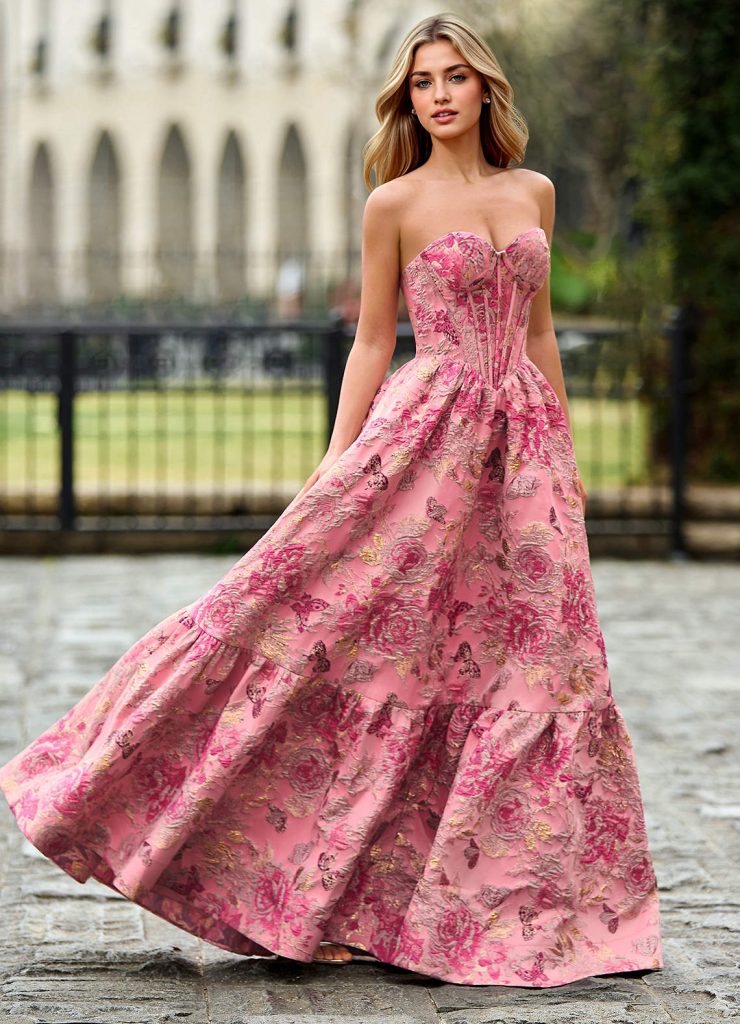
Junior prom formality varies by school, but generally skews slightly less formal than senior prom. Choose prom dresses with formal fabrics like satin or chiffon but keep details youthful and fun.
Prioritize comfort for dancing and moving all night. Both long and shorter lengths work for junior prom—follow your school’s specific dress code and match the vibe your classmates are setting.
Junior vs. Senior Prom Vibe: What’s Actually Different
The distinction between junior and senior prom varies significantly by school and region.
| Aspect | Junior Prom | Senior Prom |
| Formality level | Slightly less formal (school-dependent) | Most formal dance of high school |
| Dress length | Both long and short acceptable | Typically floor-length preferred |
| Budget | Often more budget-conscious | Willingness to invest more |
| Style vibe | Fun, youthful, trendy | Elegant, sophisticated, timeless |
| Venue | School gym or local venue | Hotel ballroom or special venue |
| Pressure level | Practice run, less pressure | Once-in-lifetime event |
Reality check on formality:
The difference between junior and senior prom formality depends entirely on your specific school culture. Some schools treat both proms identically, while others make senior prom significantly more formal.
How to gauge your school’s vibe:
- Ask upperclassmen about past proms
- Check social media from previous years
- Look at venue announcements (hotel vs gym indicates formality)
- Ask your student council about dress code specifics
- Observe what juniors wore to last year’s junior prom
Common junior prom characteristics:
Less venue pressure:
Junior prom often happens in school gyms or community centers rather than hotels. This can make the event feel slightly less formal even if dress expectations remain high.
More experimental styling:
Juniors tend to take more style risks and try trendy looks, while seniors often choose classic, timeless styles they’ll love in photos for years.
Budget considerations:
Many juniors (and their families) are more budget-conscious knowing senior prom is coming next year. This doesn’t mean less formal—just more strategic shopping.
Age-appropriate perspective:
Junior year is about having fun and enjoying the experience without the emotional weight of “last dance of high school.” This can translate to more playful, youthful dress choices.
Understanding Your School’s Dress Code
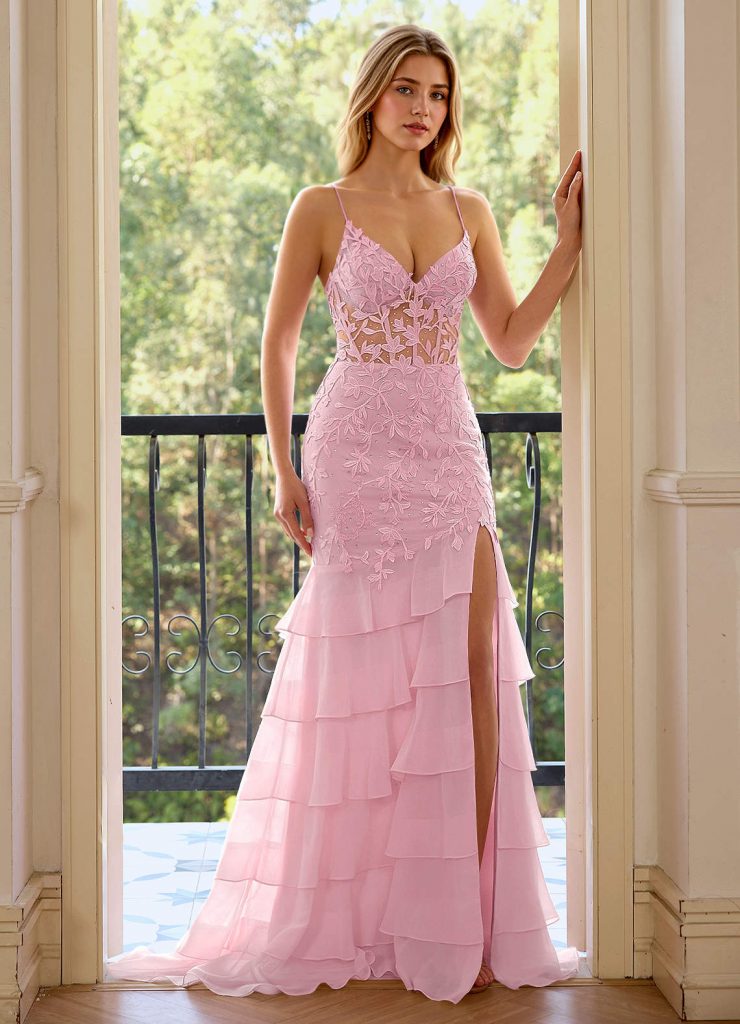
Dress codes matter more than junior vs. senior distinctions.
Typical school dress code requirements:
Length requirements:
- Conservative schools: Floor-length or below fingertips when arms hang naturally
- Moderate schools: Knee-length or longer acceptable
- Relaxed schools: Any length appropriate for formal event
Coverage requirements:
- Neckline: Often no lower than 3 inches below collarbone
- Back: Covered to bra line or specific measurement
- Sides: No extreme cutouts
- Straps: Minimum width (often 2 inches) or sleeves
Fit requirements:
- No see-through fabrics without lining
- Dress must fit appropriately (not too tight)
- No visible undergarments
- Appropriate hemlines when sitting/bending
How to check your specific school’s code:
- Read the dress code in your student handbook
- Ask administration directly about specific styles
- Check if your school pre-approves dresses (some do)
- Look at photos from last year’s event
- Ask upperclassmen what was acceptable
Red flags that might violate codes:
Even if a dress is beautiful, certain features commonly cause issues:
- Extremely high slits (above mid-thigh)
- Plunging necklines or backless prom dress styles
- Completely sheer panels without lining
- Very short hem lengths (mini or micro-mini)
- Cutouts that show midriff or sides
Safe choices that meet most dress codes:
- A line prom dress styles with moderate necklines
- Long prom dresses in classic silhouettes
- Dresses with sleeves or substantial straps
- Modest prom dresses with elegant details
Best Silhouettes for Junior Prom
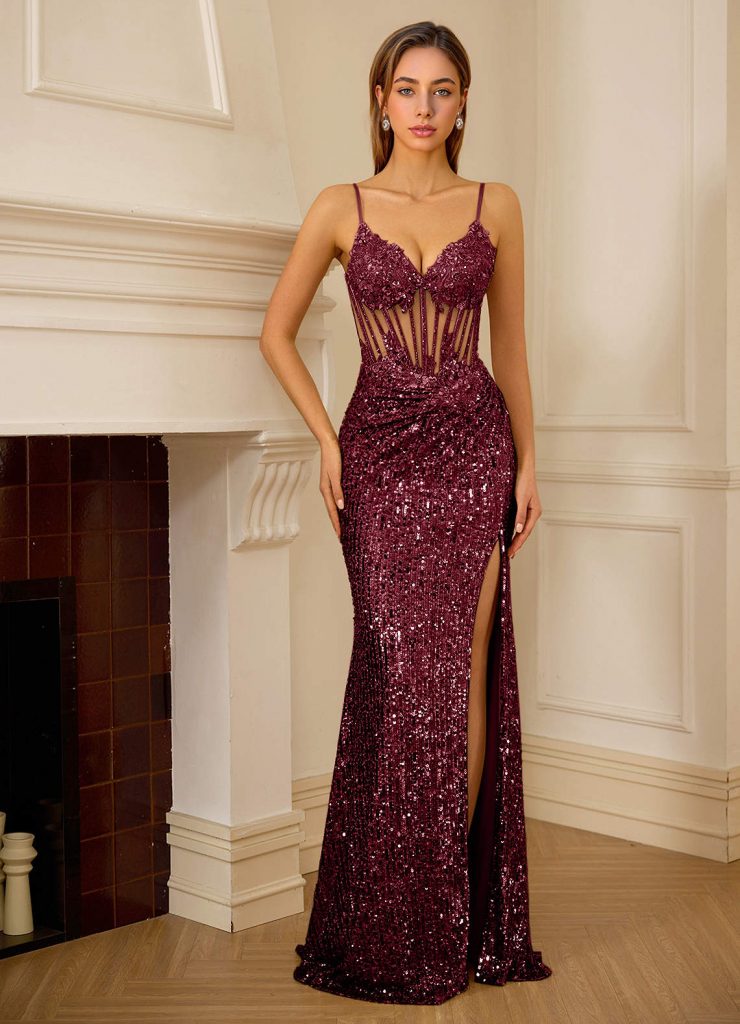
Choose styles that balance formal elegance with youthful energy.
Most popular junior prom silhouettes:
A-line (the versatile winner):
Fitted bodice with gentle flare from waist works for any body type and feels age-appropriate.
Why it works:
- Classic formal silhouette
- Comfortable for dancing
- Flatters most figures
- Available in both long and short
- Appropriate for any formality level
Styling tips:
- Choose fun colors like pink prom dress or blue prom dresses
- Add personality through beading or texture
- Keep accessories youthful and fun
Fitted sheath or column:
Streamlined, modern silhouettes feel sophisticated without being too mature.
Why it works:
- Sleek and contemporary
- Shows confidence
- Photographs beautifully
- Less volume for easier dancing
Styling tips:
- Choose satin prom dress fabrics that drape smoothly
- Add interest through neckline or back detail
- Keep jewelry simple and modern
Two-piece sets:
Two piece prom dresses feel youthful and trendy while remaining formal.
Why it works:
- On-trend and age-appropriate
- Separates offer styling flexibility
- Can be dressed up or down
- Unique without being costume-like
Styling tips:
- Ensure midriff coverage meets school codes
- Choose coordinated sets (not random separates)
- Balance crop length with skirt fullness
Short cocktail styles:
For schools where short prom dresses are acceptable, these feel perfect for junior prom.
Why it works:
- Comfortable for dancing
- Budget-friendly (less fabric)
- Can be worn again
- Youthful and fun
Styling tips:
- Choose knee-length or slightly above
- Select formal fabrics to maintain elegance
- Pair with heels for formal proportions
Silhouettes that might read too mature:
- Extremely fitted mermaid prom dresses (better for senior prom)
- Heavy, traditional ball gown prom dresses (can feel too formal)
- Very sophisticated minimalist gowns (may age you)
Keeping Details Youthful While Staying Formal
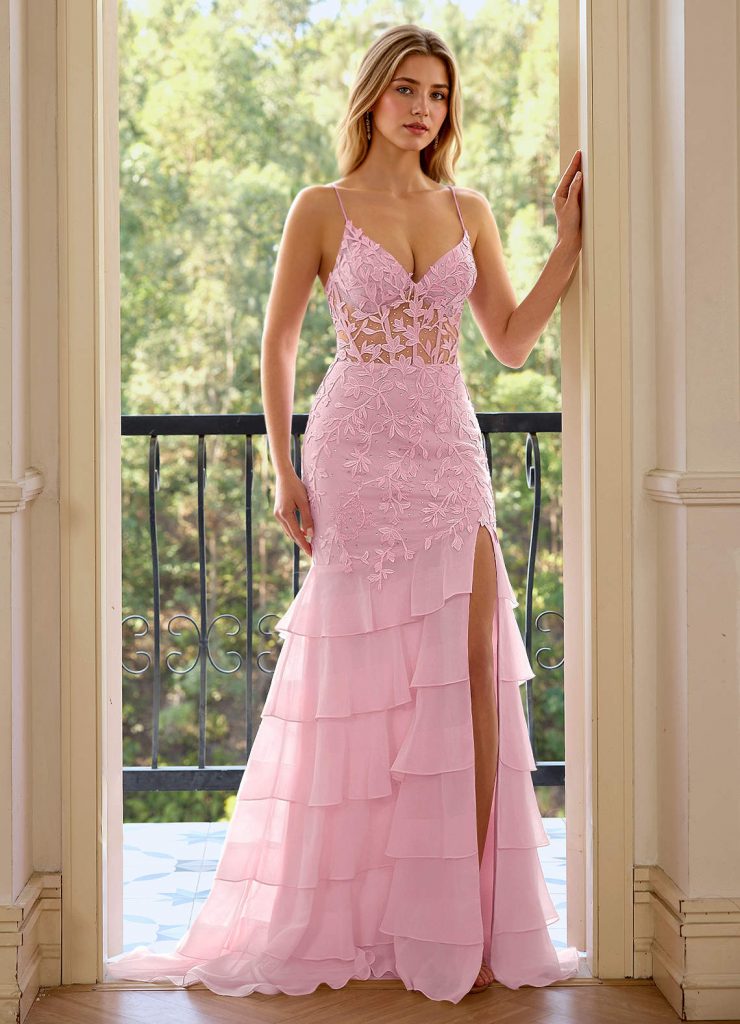
The trick is formal fabric with fun, age-appropriate details.
Youthful detail strategies:
Color choices that feel young:
Best colors for junior prom:
- Bright jewel tones (emerald, sapphire, ruby)
- Soft pastels with personality
- Trendy colors like lavender or coral
- Fun prints or patterns (if school allows)
Colors to save for senior prom:
- Classic black (can feel too mature)
- Champagne or nude (sophisticated but less fun)
- Muted earth tones (read more mature)
Embellishment that adds youth:
Age-appropriate details:
- Sequin prom dresses that sparkle and shine
- Beaded prom dress styles with texture
- Lace prom dresses with romantic details
- Ruffle prom dress styles with movement
Details that might age you:
- Extremely minimal design
- Very traditional beading patterns
- Overly sophisticated draping
Neckline and back interest:
Youthful neckline choices:
- Sweetheart (romantic and fun)
- Off the shoulder prom dress (trendy and flirty)
- One shoulder prom dress (asymmetric and modern)
- Square neck (contemporary and fresh)
Back details that add interest:
- Crisscross straps
- Keyhole cutouts (within dress code)
- Lace-up details
- Button detailing
Comfort and Movement Priorities
Junior prom is often more about dancing and having fun than formal photos.
Comfort checklist for all-night wear:
Fabric comfort:
- Choose breathable materials (avoid heavy synthetics)
- Select fabrics with slight stretch
- Avoid scratchy embellishments against skin
- Test fabric by touching—does it feel good?
Movement freedom:
- Can you raise your arms?
- Can you sit comfortably?
- Can you walk and dance freely?
- Does the dress require constant adjustment?
Shoe strategy:
Best shoes for junior prom:
- Block heels (stable for dancing)
- Wedges (comfortable all night)
- Dressy flats (no shame in comfort)
- Bring backup flats for dancing
Avoid:
- Brand new shoes (break in first)
- Extremely high stilettos
- Uncomfortable straps
- Shoes you can’t walk in
Practical considerations:
Bathroom access:
Choose dresses you can manage alone in restrooms. Complicated closures or extremely full skirts make this difficult.
Photo readiness:
Your dress should look good after sitting, dancing, and moving. Avoid fabrics that wrinkle instantly or require constant steaming.
Weather and venue:
- Indoor gym: Can get warm, choose breathable fabrics
- Outdoor photos: Consider weather and bring wrap if needed
- Hotel ballroom: Usually cold AC, layer appropriately
Complete Junior Prom Styling
Formula 1: Fun and Formal
- Bright colored A-line dress (jewel tone)
- Sequin prom dresses bodice detail
- Statement earrings
- Block heel sandals
- Result: Age-appropriate elegance with personality
Formula 2: Trendy and Comfortable
- Two piece prom dresses in coordinated set
- Modern silhouette
- Minimal jewelry
- Comfortable wedges
- Result: On-trend and dance-ready
Formula 3: Classic and Confident
- Long prom dresses in timeless silhouette
- Satin prom dress fabric
- Simple accessories
- Elegant heels
- Result: Formal and sophisticated
Frequently Asked Questions
Should junior prom dress be long?
It depends on your school and region. Both long and short dresses are appropriate for junior prom. Check your school’s dress code and look at photos from previous years. Long dresses feel more formal and photograph elegantly, while short dresses offer more comfort for dancing. Choose based on your school’s expectations and personal preference.
Is junior prom less formal than senior prom?
Typically yes, but this varies by school. Junior prom often has a slightly more relaxed vibe with more room for trendy, youthful styles. Senior prom is usually considered the most formal dance of high school. However, dress code requirements are often identical for both proms, so the difference is more about overall atmosphere than actual clothing rules.
Can I wear the same dress to junior and senior prom?
Technically yes, but most students prefer different dresses for each year. Junior prom is a good opportunity to try fun, trendy styles while saving classic, timeless looks for senior prom. If budget is a concern, choosing a versatile dress in a classic color and silhouette could work for both years.
What if my school doesn’t distinguish between junior and senior prom formality?
Follow the same dress code guidelines for both and choose based on personal style. If your school treats both proms equally, the distinction is less important. Focus on finding a dress that makes you feel confident and meets any stated requirements rather than worrying about which prom it’s for.