
How to Pick a Mother of the Bride Dress That Fits Your Body Type
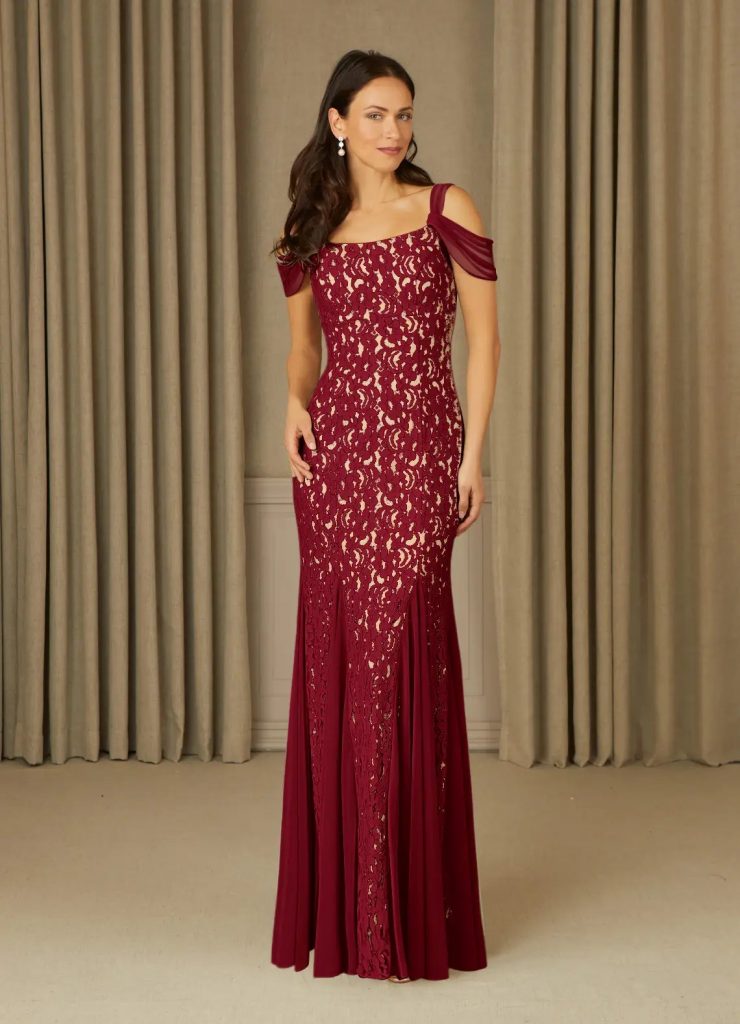
The best mother of the bride dress flatters your natural shape. Pear shapes shine in A-line and empire styles. Apple shapes look best in empire waist and wrap dresses.
Hourglass figures suit fitted sheaths and wrap styles. Rectangle shapes gain curves with belted A-lines and fit-and-flare cuts. Choose fabrics with slight stretch or drape. Plan 2–3 fittings with 1–2 weeks between visits for the perfect fit.
Quick Body Type Guide
| Body Type | Best Silhouettes | Necklines to Try | Fabrics | Avoid |
| Pear | A-line, Empire, Fit-and-flare | V-neck, Scoop, Boatneck | Chiffon, Stretch satin | Mermaid, Hip details |
| Apple | Empire, Wrap, A-line | V-neck, Scoop, Sweetheart | Stretch crepe, Jersey | Tight waist, Clingy |
| Hourglass | Sheath, Wrap, Mermaid | V-neck, Sweetheart, Scoop | Stretch satin, Lace | Boxy, Shapeless |
| Rectangle | Belted A-line, Fit-and-flare | Scoop, Square, Off-shoulder | Sequins, Pleated chiffon | Straight shift |
| Petite | Sheath, Empire, A-line | V-neck, Scoop | Light chiffon, Crepe | Heavy lace, Long trains |
Understanding Your Body Type
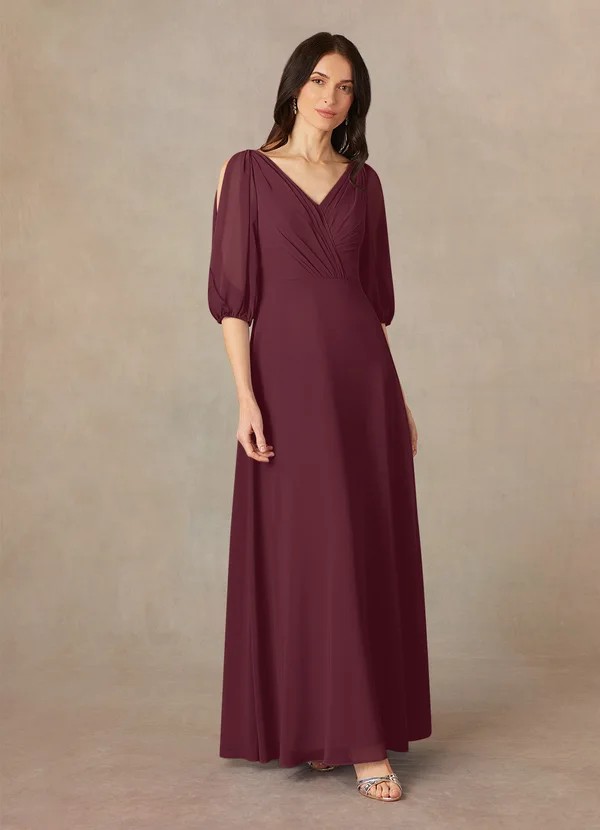
Most women fit one of five common body types. Knowing your shape helps you pick a dress that highlights your best features and feels comfortable all day.
Pear shape means your hips are wider than your shoulders. Your waist is defined. You carry weight in your hips and thighs.
Apple shape means your shoulders and bust are broader than your hips. Your waist is less defined. You carry weight in your midsection.
Hourglass shape means your shoulders and hips are similar width. Your waist is narrow and defined. Your curves are balanced.
Rectangle shape means your shoulders, waist, and hips are similar width. Your waist is less defined. Your silhouette is straight.
Petite refers to height under 5 feet 4 inches. Petite bodies need proportion more than a specific silhouette. Any body type can be petite.
To find your shape, measure your bust, waist, and hips. Compare the numbers. Look in a mirror in fitted clothing. Notice where your body naturally curves or stays straight.
Best Dresses for Pear-Shaped Bodies
Pear shapes look best in dresses that balance the upper and lower body. You want to draw attention up and skim over the hips.
A-line dresses work perfectly. They fit at the bodice and flow from the waist. The skirt glides over your hips without clinging. This silhouette creates a smooth line from bust to hem.
Empire waist dresses sit just under the bust. The high waistline draws eyes up. The skirt falls straight from the empire seam, skimming your hips and thighs.
Fit-and-flare styles define your waist and flare gently at the hips. Choose styles where the flare starts at mid-hip, not at the waist. This placement balances your proportions.
Necklines for Pear Shapes
V-neck and scoop neck styles open up your upper body. They create vertical lines that lengthen your torso.
Boatneck and off-the-shoulder styles widen your shoulder line. This balances your hip width and creates an hourglass effect.
Avoid halter necks. They narrow your shoulders and emphasize the hip-to-shoulder difference.
Fabrics and Details
Choose light, drapey fabrics like chiffon, stretch satin, and jersey. These skim your lower body without adding bulk.
Look for embellished bodices with lace, sequins, or beading. These draw attention to your upper body.
Avoid heavy fabrics like thick taffeta or stiff brocade. They add volume where you do not need it.
Skip hip details like pockets, ruffles, or gathering at the hip. These add visual weight.
Best Dresses for Apple-Shaped Bodies
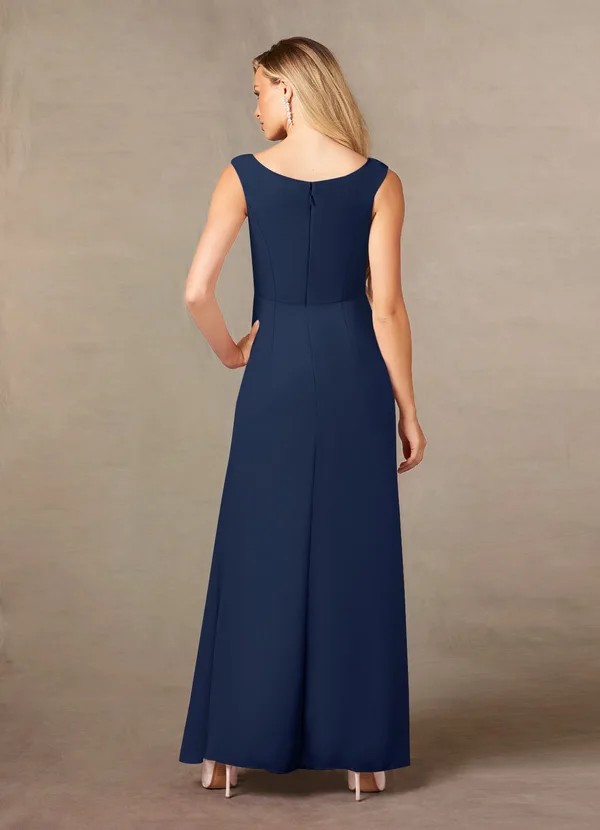
Apple shapes look best in dresses that define the waist and create a vertical line. You want to elongate your torso and minimize focus on the midsection.
Empire waist dresses are your best friend. The seam sits just under the bust, creating the illusion of a higher waist. The skirt flows freely, skimming your midsection.
Wrap dresses create a V-shaped neckline and a defined waist. The wrap style cinches at the narrowest part of your torso. The diagonal lines are slimming.
A-line dresses with a defined waist work well. Choose styles with a natural waistline or a slight drop waist. The A-line skirt balances your proportions.
Necklines for Apple Shapes
V-neck styles are ideal. They create a long vertical line from neck to waist. This elongates your torso.
Scoop neck and sweetheart necklines draw attention to your bust and collarbone. They frame your face beautifully.
Avoid high necklines like crew or turtleneck. They shorten your torso and add visual weight to your midsection.
Fabrics and Details
Choose fabrics with stretch like stretch crepe, jersey, and stretch satin. These skim your body without clinging.
Look for ruching or draping at the waist. These details disguise the midsection and create a flattering shape.
Vertical details like center seams, vertical lace panels, or pleats lengthen your silhouette.
Avoid tight waistbands or belts at the natural waist. These draw attention to your midsection.
Skip clingy fabrics like tight jersey or unlined silk. These show every curve.
Best Dresses for Hourglass-Shaped Bodies
Hourglass shapes look stunning in fitted styles that show off your balanced proportions. You want to highlight your waist and embrace your curves.
Sheath dresses hug your body from bust to hem. They show off your natural curves without adding bulk. Choose styles with a defined waist seam.
Wrap dresses cinch at your narrow waist. The wrap style emphasizes your curves. The V-neckline balances your proportions.
Mermaid and trumpet styles fit closely through the bodice and hips, then flare at the knee or mid-thigh. These styles celebrate your curves.
Necklines for Hourglass Shapes
V-neck and sweetheart necklines balance your bust and shoulders. They frame your face and show off your collarbone.
Scoop neck styles work beautifully. They highlight your bust without overwhelming your frame.
Avoid boxy or shapeless necklines. These hide your natural curves.
Fabrics and Details
Choose structured fabrics with slight stretch like stretch satin, lace over lining, and ponte knit. These hold their shape and hug your curves.
Look for waist details like belts, sashes, or seaming at the natural waist. These emphasize your narrow waist.
Side ruching and princess seams enhance your curves without adding bulk.
Avoid shapeless fabrics like heavy chiffon or stiff taffeta. These hide your figure.
Skip boxy silhouettes like shift dresses or empire waists. These do not show off your shape.
Best Dresses for Rectangle-Shaped Bodies
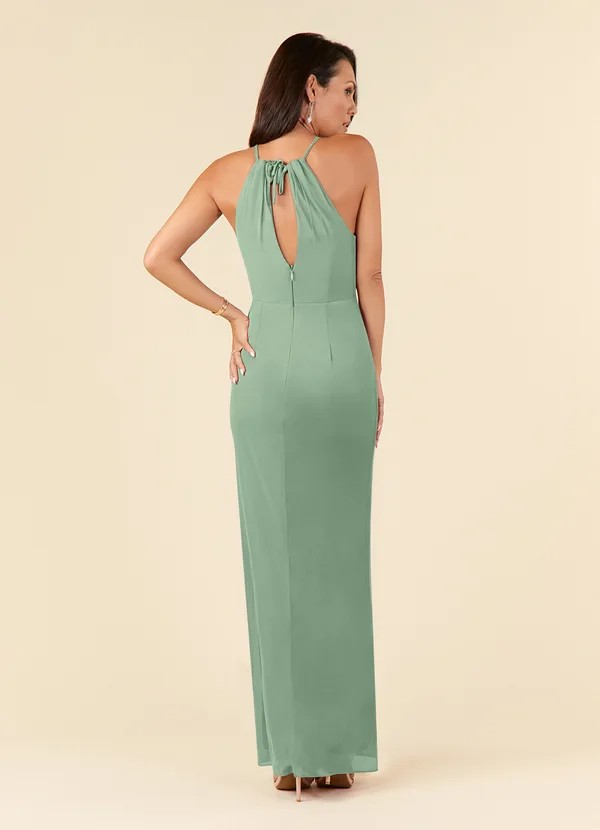
Rectangle shapes look best in dresses that create curves and define the waist. You want to add shape and break up the straight line from shoulders to hips.
Belted A-line dresses cinch at the waist and flare at the hips. The belt creates a defined waist. The A-line skirt adds curves to your lower body.
Fit-and-flare styles nip in at the waist and flare at the hips. This silhouette creates an hourglass illusion.
Dresses with peplums or ruching at the waist add dimension to your midsection. These details create the appearance of curves.
Necklines for Rectangle Shapes
Scoop neck and square neck styles add curves to your upper body. They create soft lines that contrast with your straight silhouette.
Off-the-shoulder styles widen your shoulder line and create a balanced look.
Avoid straight necklines like high crew necks. These emphasize your straight silhouette.
Fabrics and Details
Choose textured fabrics like sequins, pleated chiffon, and jacquard. These add visual interest and dimension.
Look for horizontal details like tiered skirts, horizontal seams, or color blocking. These break up your vertical line.
Waist details like belts, sashes, bows, or gathered waistlines create a defined waist.
Avoid straight shift dresses. These hide any curves you have.
Skip plain, smooth fabrics without texture. These do not add dimension to your frame.
Best Dresses for Petite Bodies
Petite bodies need proportion and vertical lines. You want to lengthen your silhouette and avoid being overwhelmed by fabric.
Sheath dresses create a long, unbroken line from shoulder to hem. This lengthens your frame.
Empire waist dresses raise your waistline. This makes your legs appear longer.
A-line dresses in tea length or knee length work beautifully. Floor-length styles can overwhelm your frame unless hemmed properly.
Necklines for Petite Bodies
V-neck styles create a vertical line that lengthens your torso. They are your best choice.
Scoop neck styles also elongate your neck and upper body.
Avoid high crew necks and turtlenecks. These shorten your neck and upper body.
Fabrics and Details
Choose light fabrics like chiffon, crepe, and stretch satin. Heavy fabrics overwhelm small frames.
Look for vertical details like center seams, vertical lace panels, or princess seams. These lengthen your silhouette.
Shorter hemlines like tea length (mid-calf) or knee length keep you in proportion.
Avoid heavy lace or thick brocade. These fabrics overpower petite frames.
Skip long trains or floor-length styles unless they are hemmed to your exact height.
Steps to Find Your Perfect Fit
Step 1: Measure Your Body Measure your bust, waist, and hips in inches. Wear the bra you plan to wear with your dress. Write down your numbers. Compare them to find your body type.
Step 2: Choose Your Silhouette Pick 2–3 silhouettes from the chart above that match your body type. Consider the wedding formality and season.
Step 3: Order With Time for Fittings Order your dress 3–4 months before the wedding. This allows time for shipping and 2–3 fittings.
Step 4: Schedule Your First Fitting Book your first fitting 2–3 weeks after your dress arrives. A tailor will pin the hem, sleeves, and waist.
Step 5: Final Fitting and Steaming Schedule your final fitting 1–2 weeks before the wedding. The tailor makes final adjustments. Steam your dress 1–2 days before the event.
Frequently Asked Questions
What dress style hides a stomach for mother of the bride?
Empire waist and A-line dresses hide a stomach best. Empire waist styles sit just under the bust. The skirt flows freely from the high seam, skimming your midsection. A-line dresses define the waist and flare gently.
Can the mother of the bride wear a mermaid dress?
Yes, if you have an hourglass figure. Mermaid dresses fit tightly through the bodice, waist, and hips. They flare at or below the knee. This silhouette shows off balanced curves. Pear, apple, and rectangle shapes should avoid mermaid styles. These dresses emphasize areas you may want to minimize. Choose A-line or empire waist instead.
How many fittings does a mother of the bride dress need?
Most mothers need 2–3 fittings. The first fitting happens 2–3 weeks after your dress arrives. The tailor pins the hem, sleeves, and waist. You return in 1–2 weeks for adjustments. The final fitting happens 1–2 weeks before the wedding. Each fitting takes 30–45 minutes. Custom-sized dresses may need fewer fittings.
What length is best for mother of the bride dresses?
Tea length (mid-calf) and floor length work best. Tea length suits daytime, garden, and semi-formal weddings. Floor length suits evening, ballroom, and black-tie weddings. Knee length works for casual and outdoor weddings.
Should the mother of the bride dress match the bridesmaids?
No, but coordinate. Your dress should complement the wedding colors without matching exactly. Choose a shade slightly lighter or darker than the bridesmaids. Ask the bride for the wedding color palette. Avoid wearing white, ivory, or the exact bridesmaid color. You want to stand out as the mother of the bride.
What fabrics are most comfortable for all-day wear?
Stretch crepe, jersey, and stretch satin are most comfortable. These fabrics have slight stretch. They move with you and do not wrinkle easily. Chiffon is also comfortable for warm weather. It is light and breathable. Avoid stiff fabrics like taffeta or heavy brocade. These are hot and restrict movement.
Alterations and Custom Sizing
Most mothers need at least one alteration. Common alterations include hemming, taking in or letting out the waist, and adjusting straps.
Hemming costs 40–80 dollars. It takes 1–2 weeks. Bring the shoes you plan to wear to your fitting.
Waist adjustments cost 30–60 dollars. The tailor adds or removes fabric at the side seams.
Strap adjustments cost 20–40 dollars. The tailor shortens or lengthens straps for a perfect fit.
Custom sizing is available from Azazie at no extra cost. You provide your bust, waist, hip, and height measurements. The dress is made to your exact measurements. This reduces the need for alterations. Most custom dresses need only hemming.
Order custom sizing if your measurements fall between standard sizes. This is common for petite and plus-size bodies.
Shopping Timeline
4–6 months before: Start shopping. Browse styles online. Order swatches to see colors in person.
3–4 months before: Order your dress. Allow time for shipping and fittings.
2–3 weeks after delivery: Schedule your first fitting. Bring your shoes and undergarments.
1–2 weeks later: Return for adjustments.
1–2 weeks before wedding: Final fitting. Pick up your dress.
1–2 days before wedding: Steam your dress. Hang it in a cool, dry place.
Rush orders are available but cost more. Plan ahead to avoid stress and extra fees.
Additional Tips for Every Body Type
Undergarments matter. Wear the bra and shapewear you plan to wear under your dress to every fitting. This affects how the dress fits.Bring the right shoes. Hem length depends on heel height. Bring the exact shoes to your first fitting.
Consider sleeves or jackets. If you want arm coverage, choose a dress with sleeves or order a matching jacket. Adding sleeves during alterations is expensive.Think about movement. Sit, walk, and raise your arms during your fitting.
Your dress should feel comfortable in all positions. Trust your tailor. A skilled tailor can adjust almost any dress to fit your body. Be honest about problem areas. Order swatches first. Colors look different on screen. Order free swatches from Azazie to see fabric and color in person.