
How to Find Flattering Midsize Wedding Guest Dresses That Fit Perfectly
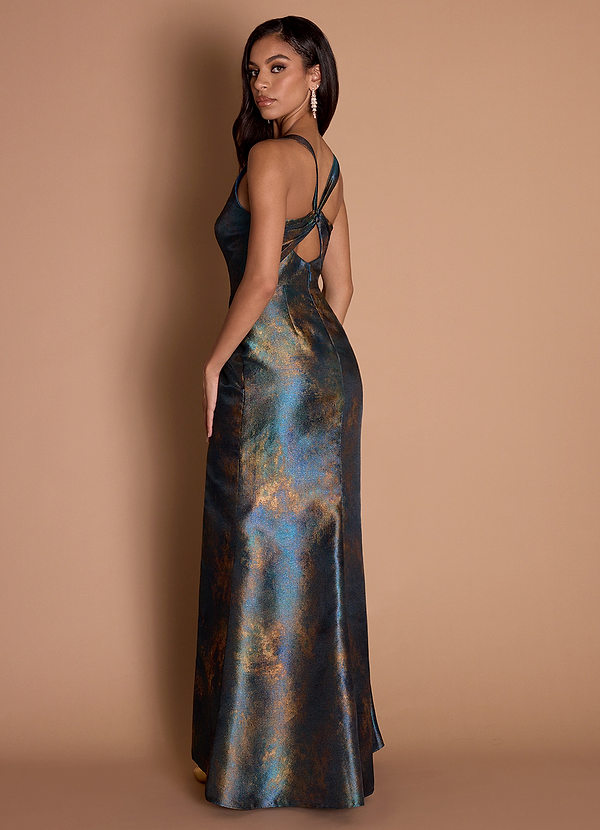
Midsize bodies often fall between standard sizing categories, making dress shopping frustrating. The “in-between” gap—typically sizes 10-16—requires specific attention to proportion, fabric stretch, and construction details. The right dress accommodates curves without pulling, drapes smoothly across the midsection, and moves comfortably throughout a full wedding day.
Understanding the Midsize Sizing Gap
What Defines Midsize?
Midsize typically encompasses dress sizes 10-16, though body proportions matter more than numbers alone. These measurements often include:
- Bust: 38-42 inches
- Waist: 30-34 inches
- Hips: 40-44 inches
Standard sizing jumps from 8 to 12 or 14, leaving a proportion gap. Custom measurements address this directly.
| Sizing Challenge | Why It Happens | Solution |
| Waist gaps | Size for hips, loose at waist | Custom measurements |
| Bust fit issues | Size for bust, baggy elsewhere | Adjustable bodice styles |
| Length inconsistency | Proportions vary by brand | Verify hollow-to-hem |
| Arm tightness | Sleeves cut for smaller frames | Cap or flutter sleeves |
Fabric Selection for Midsize Frames
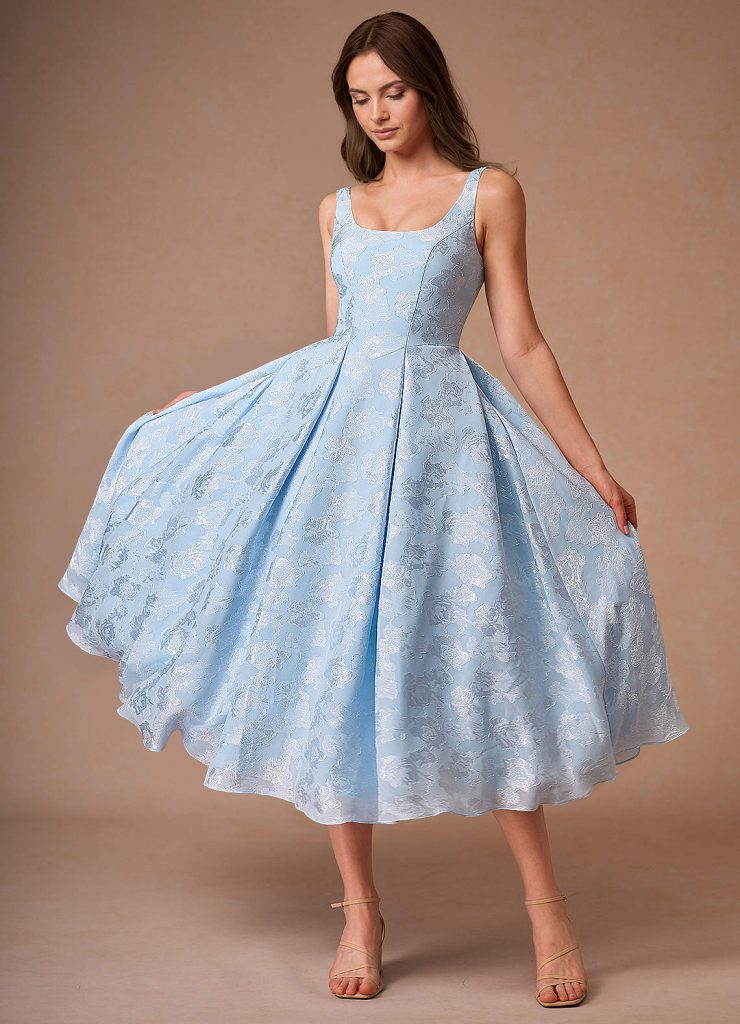
Stretch vs Structure
The best fabrics combine both elements—enough structure to smooth lines, with stretch for comfort and movement.
High-performance fabrics for midsize:
- Ponte knit: Holds shape while flexing with your body
- Four-way stretch crepe: Moves naturally without clinging
- Stretch satin: Elegant drape with built-in give
- Jersey blends: Breathable and forgiving for summer events
Fabrics to approach carefully:
- Stiff taffeta (can add bulk)
- Unlined chiffon (may cling)
- 100% polyester without stretch (restricts movement)
For formal occasions, satin wedding guest dress options with a touch of spandex provide sophisticated structure with practical flexibility.
Lining Considerations
Quality lining prevents transparency issues and smooths the silhouette. Look for:
- Full body lining (not just partial coverage)
- Breathable jersey or silk-touch materials
- Separate lining layer (not sewn directly to outer fabric)
Flattering Silhouettes for Midsize Bodies
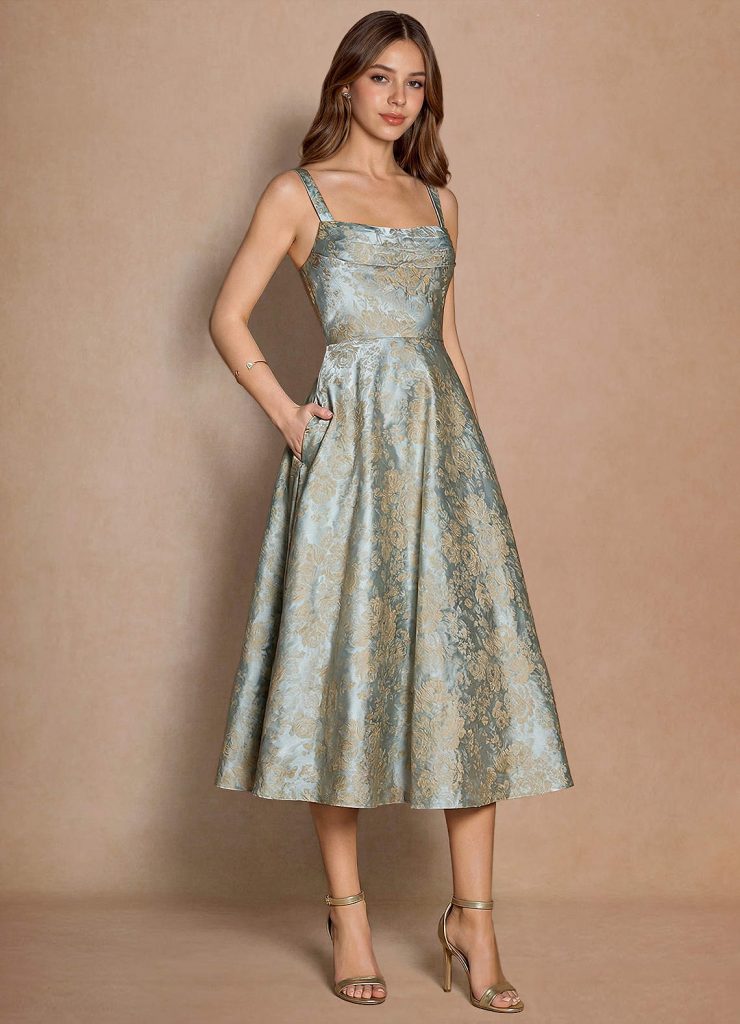
A-Line Construction
A line wedding guest dresses work universally for midsize frames because they skim the midsection without adding volume.
Why A-line succeeds:
- Defines waist without cinching tightly
- Provides hip room without excess fabric
- Creates balanced proportions top to bottom
- Allows natural movement when sitting or dancing
Empire and High Waist Styles
Empire waists positioned just below the bust elongate the torso and minimize midsection focus. This silhouette works especially well for:
- Apple body shapes
- Those wanting tummy coverage
- Creating vertical lines
Styling tip: Ensure the empire seam sits at your natural high point—too low reads as maternity wear.
Wrap and Faux-Wrap Designs
Wrap styles adjust to your exact measurements and create a V-neckline that draws the eye upward. The crossover detail at the waist defines curves naturally.
Wrap dress advantages:
- Self-adjusting fit
- Flattering for various bust sizes
- Creates hourglass proportions
- Usually includes stretch in the fabric
Strategic Design Details
Ruching and Gathered Fabric
Strategically placed ruching camouflages the midsection while maintaining a fitted appearance. Look for side ruching rather than front gathering, which can add bulk.
Effective ruching placement:
- Side seams from bust to hip
- Diagonal across the waist
- Asymmetric draping on one side
Waist Definition Without Restriction
Dresses that suggest the waistline without tight construction provide comfort and shape.
Waist-defining features:
- Seam lines with slight shaping
- Belted options you control
- Color blocking at the natural waist
- Vertical panels that create curves
Neckline Strategies for Balance
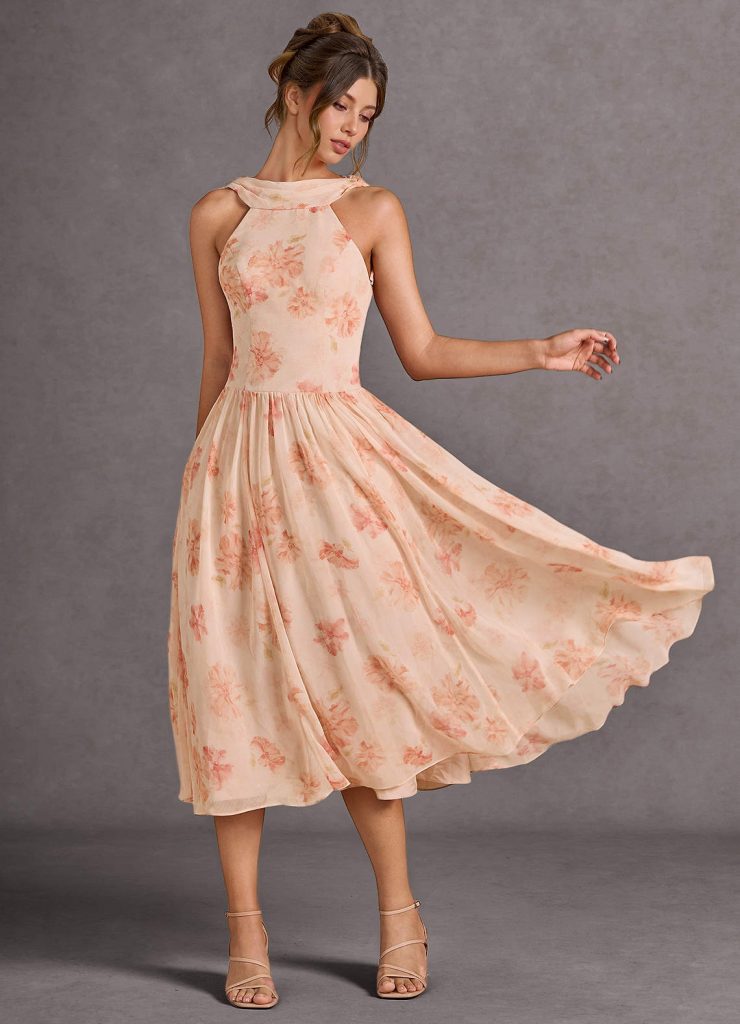
V-Neck and Scoop Variations
For summer weddings, wedding guest dresses in lightweight fabrics with flattering necklines keep you comfortable without sacrificing style.
Off-Shoulder Appeal
Off the shoulder wedding guest dress styles showcase shoulders and collarbones—features that remain defined regardless of body size. This neckline also:
- Draws attention upward
- Creates a romantic, elegant line
- Works with strapless bras or built-in support
- Balances fuller hips
Square and Straight Necklines
These create clean horizontal lines that complement curves. Square necklines provide more coverage than sweetheart styles while remaining formal and sophisticated.
Length Considerations for Midsize Guests
Midi vs Maxi Proportions
Midi wedding guest dress options hit mid-calf, offering versatility for various venues and formality levels.
Midi advantages for midsize:
- Elongates legs without overwhelming petite heights
- Appropriate for semi-formal and formal events
- Easy to walk in across different terrains
- Pairs well with block heels or dressy flats
Maxi length considerations:
- Best for formal evening weddings
- Requires proper hem length to avoid tripping
- Creates long, streamlined silhouette
- May need alterations for perfect proportion
| Length | Best Venues | Proportion Tip |
| Midi | Garden, indoor, semi-formal | Hits at slimmest part of calf |
| Maxi | Ballroom, black-tie, evening | Must graze floor with heels on |
| Tea-length | Vintage themes, daytime | Falls 4-6 inches below knee |
Color Psychology for Midsize Dressing
Solid Colors vs Prints
Solid colors create uninterrupted vertical lines, generally more flattering for midsize frames. When choosing prints:
- Small-scale patterns: Better than large florals
- Vertical elements: Stripes, linear designs
- Darker backgrounds: With lighter accents
Explore elegant blue dresses for wedding guests in navy, royal, or powder blue for universally flattering tones.
Jewel Tones and Rich Hues
Deep, saturated colors photograph beautifully and provide sophisticated elegance:
- Emerald and forest green
- Sapphire and cobalt blue
- Ruby and burgundy
- Plum and eggplant
Strategic Color Blocking
Darker side panels with lighter center sections create an hourglass illusion. Diagonal color placement guides the eye across the body rather than up and down.
Sleeve Solutions for Arm Coverage
Flutter and Cap Sleeves
These provide light coverage without restricting movement or adding bulk. Flutter sleeves create gentle motion and soften the shoulder line.
Sleeve selection guide:
- Cap sleeves: Minimal coverage, delicate appearance
- Flutter sleeves: Romantic movement, covers upper arm
- Short sleeves: More substantial, structured look
Three-Quarter Length Options
Three-quarter sleeves end mid-forearm, creating a balanced proportion that:
- Covers upper arms completely
- Shows slimmest part of forearm
- Works across seasons
- Pairs well with bracelets
Custom Sizing vs Standard Sizes
When Custom Measurements Matter Most
Midsize bodies benefit significantly from custom sizing because proportions vary more than in smaller size ranges. Custom addresses:
- Bust-to-waist ratio differences: Common in midsize range
- Hip-to-waist proportions: Varies significantly person to person
- Torso length: Affects waistline placement
- Shoulder width: Impacts bodice fit
Measuring Accurately at Home
Essential measurements for midsize fit:
- Bust: Fullest part, wearing the bra you’ll use
- Natural waist: Narrowest point, usually belly button level
- Hips: Fullest part, including buttocks
- Hollow-to-hem: Collarbone hollow to desired hem length
Take measurements in the morning before eating, standing naturally without pulling tape tight.
Seasonal Fabric Adjustments
Spring and Summer Choices
Lighter fabrics with breathability prevent overheating while maintaining structure. Spring wedding guest dress options in chiffon overlays with substantial lining provide airflow without transparency.
Warm weather fabrics:
- Georgette with jersey lining
- Cotton-blend ponte
- Stretch crepe in lighter weights
- Mesh panels with opaque underlayers
Fall and Winter Textures
Heavier fabrics appropriate for cooler months often provide better structure for midsize frames. Fall wedding guest dresses in velvet or heavier satin create elegant silhouettes with built-in shaping.
Real Body Examples and Fit Scenarios
Common Fit Challenges Solved
Challenge 1: Bust fits, waist gaps
- Solution: Size for bust, take in waist 2-3 inches
- Alternative: Choose wrap or adjustable waist styles
Challenge 2: Hips fit, bust too loose
- Solution: Size for hips, alter bodice or add bust darts
- Alternative: Empire waist eliminates this issue
Challenge 3: Everything fits except arms
- Solution: Choose sleeveless or flutter sleeve styles
- Alternative: Size up, take in body seams
Shopping Strategy for Midsize Success
Size Range Availability
Retailers offering extended size ranges (0-30) typically grade sizes more accurately across the full spectrum. More sizes mean smaller jumps between each number, addressing the midsize gap effectively.
Filter Settings That Help
When browsing wedding guest dresses, use these filters:
- Fabric: Look for stretch content
- Silhouette: A-line, empire, wrap
- Reviews: Read fit feedback from similar sizes
- Custom sizing available: Eliminates guesswork
Frequently Asked Questions
What’s the most flattering dress style for midsize bodies at weddings?
A: A-line silhouettes work universally because they define the waist without clinging to the midsection, then gently skim over hips and thighs. Fabrics with 5-10% stretch provide comfort without losing structure. V-necklines or scoop necks balance proportions by drawing the eye upward and creating vertical lines that elongate the torso.
Should I size up or down if I’m between two standard sizes?
A: Size for your largest measurement, then tailor smaller areas. If your hips require size 12 but your waist fits size 10, order size 12 and have the waist taken in. Alternatively, choose custom sizing that addresses all three measurements simultaneously, eliminating the need for alterations.
Do prints or solid colors work better for midsize wedding guests?
A: Solid colors generally flatter midsize frames more effectively because they create uninterrupted vertical lines. If you prefer prints, choose small-scale patterns with vertical elements or diagonal placement. Dark backgrounds with lighter accents work better than light backgrounds with dark patterns.
How much stretch should wedding guest dress fabric have?
A: Look for fabrics containing 5-15% spandex or elastane. This provides comfortable movement and smooth fit across curves without appearing overly casual. Ponte knit, stretch crepe, and four-way stretch satin offer ideal combinations of structure and flexibility for all-day comfort.
Can midsize guests wear fitted styles, or should dresses always be loose?
A: Fitted styles work beautifully when they include stretch fabric and strategic seaming. The key is fitted-not-tight construction that follows your natural shape without pulling or creating bulges. Strategic ruching, princess seams, and vertical paneling create shape while remaining comfortable throughout a full wedding day.
Final Recommendations
Midsize wedding guests benefit most from dresses offering custom measurements, stretch fabrics, and construction details that accommodate curves comfortably. Focus on silhouettes that define the waist naturally rather than forcing restriction, and choose fabrics that move with your body throughout the event.
Start with accurate measurements of your bust, waist, and hips before shopping. This data helps you navigate sizing more effectively whether choosing standard or custom options. Remember that alterations can perfect almost any dress—sizing for your largest measurement and tailoring smaller areas produces better results than trying to squeeze into a smaller size.