
How much should I budget for a wedding guest dress?
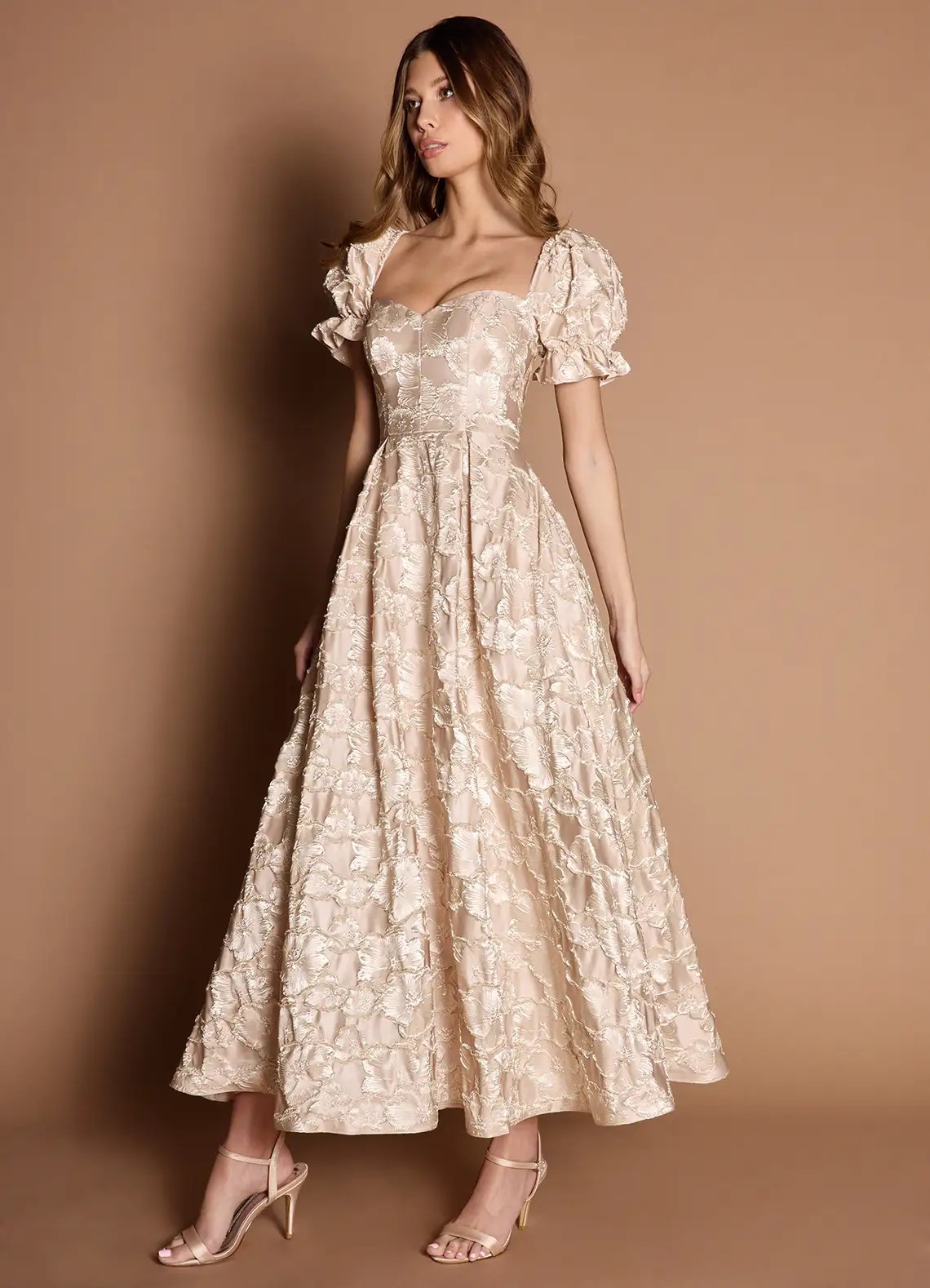
Attending a wedding as a guest means you want to look your best while staying mindful of your budget. When you browse the curated collection of wedding guest dresses at Azazie, you’ll see that styles range widely — and knowing how much to set aside will help you shop confidently.
This guide walks you through: what factors affect cost, how to decide your budget range, budgeting for different dress codes and reuse potential, and how to allocate for accessories and alterations.
Key Factors That Influence Guest Dress Cost

When planning how much to spend, it helps to understand the variables that drive price:
- Fabric & texture: Luxurious materials such as satin, crepe, velvet or textured weaves cost more than simpler fabrics.
- Dress length & silhouette: Full-length gowns or high-lux silhouettes tend to cost more than short or relaxed styles.
- Dress code & venue: A black-tie reception demands more formal styling and fabric, increasing cost potential.
- Brand & sizing options: Some stores offer free custom sizing or made-to-fit options; that may add perceived value.
- Reuse potential & versatility: If the piece can serve across events (not just one wedding), you may be willing to spend more.
- Accessories & styling: Though not part of the dress itself, budgetarily you should consider shoes, clutch, wrap, and possibly tailoring.
Typical Budget Tiers for Wedding Guest Dresses
Here’s a breakdown of common budget tiers you might consider, depending on your style goals, dress code and reuse intention:
| Budget Tier | Description | What You Get |
| Entry / Value | Budget-friendly pick for casual weddings or first time use | Simpler fabrics, shorter dresses, less intricate finish |
| Mid-Range | Balanced spend for solid quality, good reuse potential | Better fabric, longer length, more formal silhouette |
| High / Event-Ready | Higher spend for formal occasions and statement pieces | Luxe fabric (satin/velvet), full-length gown, strong design finish |
While actual dollar amounts vary by region and retailer, fashion-guides show many guest dresses available under moderate cost thresholds.
How to Decide Your Budget Based on Wedding Type
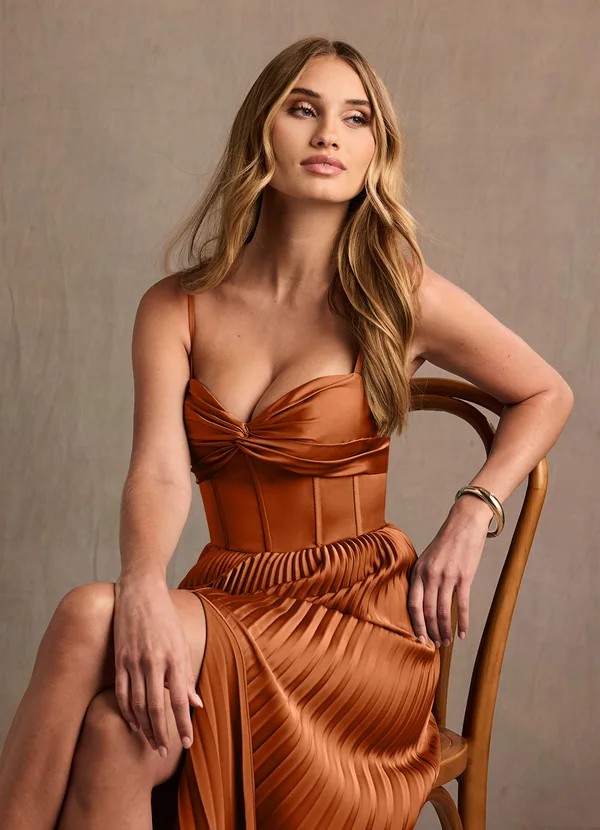
Your budget should reflect the wedding’s dress code, the venue, season and how often you anticipate wearing the dress again.
Casual / Daytime Wedding
- Venue: backyard, garden, beach or relaxed locale.
- Dress style: shorter or midi, lightweight fabric (chiffon, cotton blend).
- Budget guidance: lean toward the entry / value tier.
- Consider reuse for brunches or other events.
Semi-Formal / Cocktail Reception
- Venue: hotel ballroom early evening or resort.
- Dress style: midi or tea-length gown, better fabric like satin or crepe.
- Budget guidance: aim for mid-range tier.
- Expect to wear it again or reuse for another formal event.
Formal / Black-Tie Reception
- Venue: luxury hotel, estate, or evening reception with full formality.
- Dress style: floor-length gown, luxe fabric, statement design.
- Budget guidance: comfortable in mid-to-high tier.
- Reuse may be less frequent, so factor that into your spend decision.
Sample Budget Allocation for Your Entire Guest Outfit
When you budget for the dress itself, don’t forget the supporting elements. Here’s a sample allocation of how your overall guest-outfit budget might break down:
| Item | Percentage of Total Budget | Notes |
| Dress | ~ 60 % | The key piece; invest accordingly |
| Shoes & clutch | ~ 15 % | Coordinated accessories often make or break the look |
| Wrap / shawl / outerwear | ~ 10 % | Especially for formal or evening weddings |
| Tailoring / alterations | ~ 10 % | Hem/fit adjustments may be needed |
| Hair & makeup | ~ 5 % | Basic styling; not always included but good to plan for |
By using this breakdown you can define your dress-cost limit easily: if your total outfit budget is $X, then dress budget ≈ 0.6 × X.
Case Study: Using Azazie Atelier as a Reference
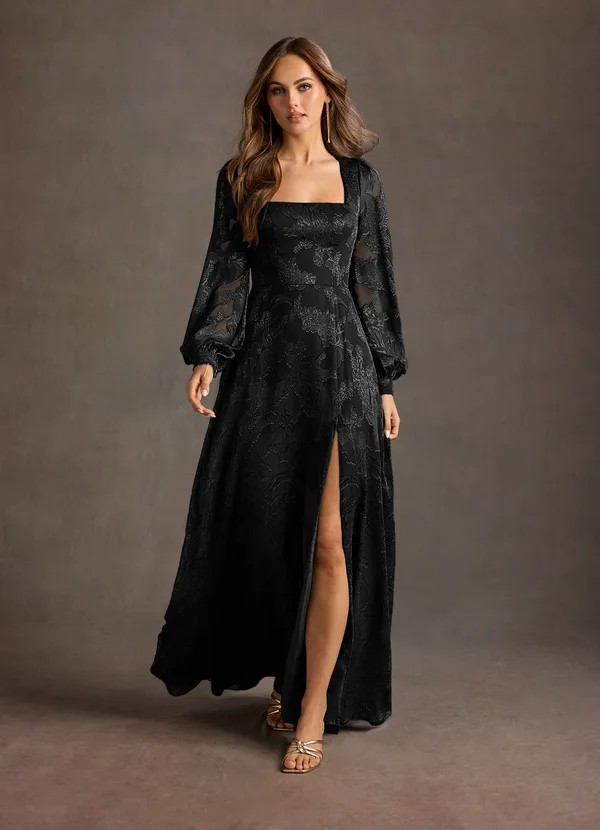
Reviewing the wedding guest dress collection at Azazie Atelier you’ll notice a wide selection of silhouettes, fabrics and design details — some designed for formal events, others more flexible.
- The collection describes “hand-crafted styles made from luxurious fabrics” and “designed in LA” for guest dresses.
- Sizes range broadly (including plus size) and many dresses offer free custom sizing.
- While exact pricing is omitted per your instructions, the range across style types gives you a realistic sense of what “good quality” guest dresses cost.
- This means when budgeting, you are aligning with a collection that spans casual to formal use — giving you flexibility.
Using this as a benchmark:
- If you attend mostly casual weddings, you might spend less than the max in this collection.
- If you anticipate attending multiple formal events, you might allocate more to dress and less to accessories.
Reuse Potential and Smart Budgeting
One of the smartest ways to justify a higher spend is reuse. Consider the following:
- Frequency of use: If you’ll attend weddings or formal events often, investing more in your dress makes sense.
- Timeless design: Go for styles and colors that remain flattering across seasons.
- Storage and care: Properly folding or storing ensures you can wear it multiple times.
- Mix & match accessories: A single dress styled differently can serve you multiple occasions.
Thus, if the dress becomes part of your broader wardrobe rotation (not just “one wedding”), you can move confidently toward the mid-to-high budget tier.
Summary Table: Budget Guide by Dress Code
| Dress Code | Recommended Budget Tier | Focus |
| Casual / Day | Entry | Lightweight fabric, shorter length, reuse potential |
| Semi-Formal / Cocktail | Mid-Range | Better fabric, maybe floor/tea length, good balance |
| Formal / Black-Tie | Mid-to-High | Luxe fabric, floor length, statement dress |
| Destination or Special-Event | High | Travel friendly, luxe fabric, potential splurge |
Final Thoughts
Budgeting for a wedding guest dress is less about the number and more about value, context, and intent. When you consider fabric, dress code, reuse potential, and accessory allocation, you’ll arrive at a spend level that feels smart and stylish.
If you shop a well-curated collection such as Azazie Atelier’s, you’ll find options tailored to every budget tier — from casual guest dresses to formal show-stoppers.
Choose a budget that leaves you comfortable, ensures you look appropriately polished for the event, and gives you potential for future wear.Set your budget. Stick to it. And enjoy the celebration with confidence and style.
Frequently Asked Questions
Should I buy the most expensive dress I can afford?
Not necessarily. The best budget is one you’re comfortable with and that aligns with how you’ll use the piece. A moderate dress styled thoughtfully often outshines an expensive but infrequently worn one.
Is it ever okay to spend very little on a guest dress?
Yes — for casual weddings or if you plan minimal reuse. Budget-friendly dresses under modest thresholds are entirely viable.
What about tailors or alterations — should that influence my dress budget?
Absolutely. If you choose a dress that needs significant tailoring, allocate part of your budget to fit — even in guest dress scenarios.
Can accessories drastically shift my visual spend?
Yes. A more modest dress upgraded with high-quality accessories can appear more formal — giving you visual impact without overspending on the dress itself.
Should I spend more on a dress for a peak-season wedding?
Peak wedding months (spring and fall) can mean more events in a short timeframe. If you know you’ll attend multiple weddings in the same season, it may be worth investing in a versatile mid-range dress you can restyle.
Is renting a dress a good budget-friendly option?
Renting can be a smart choice for black-tie or one-time formal events. However, if you prefer custom sizing or the ability to rewear the dress, purchasing may offer better long-term value.
How do I avoid overspending when I love a more expensive dress?
Set a firm total outfit budget first. If a higher-priced dress catches your eye, adjust other categories—like accessories or shoes—so your overall cost stays within your limit.
Should I budget differently for a destination wedding?
Yes. Consider travel-friendly fabrics, additional accessories (like shawls or resort-friendly shoes), and potential last-minute steaming costs. For destination weddings, mid-to-high budget tiers are common due to environmental and styling needs.
Are neutral-colored dresses usually a better budget investment?
Often, yes. Neutrals like navy, black, champagne, or forest green tend to restyle easily, making them ideal for multiple events. Their versatility may justify spending slightly more upfront.
How early should I set my budget before attending a wedding?
Aim to finalize your budget at least 6–8 weeks before the event. This allows time for browsing, ordering, custom sizing, shipping, and any tailoring—avoiding rush fees or last-minute splurges.