
How Long Before the Wedding Should I Order My Wedding Dress?
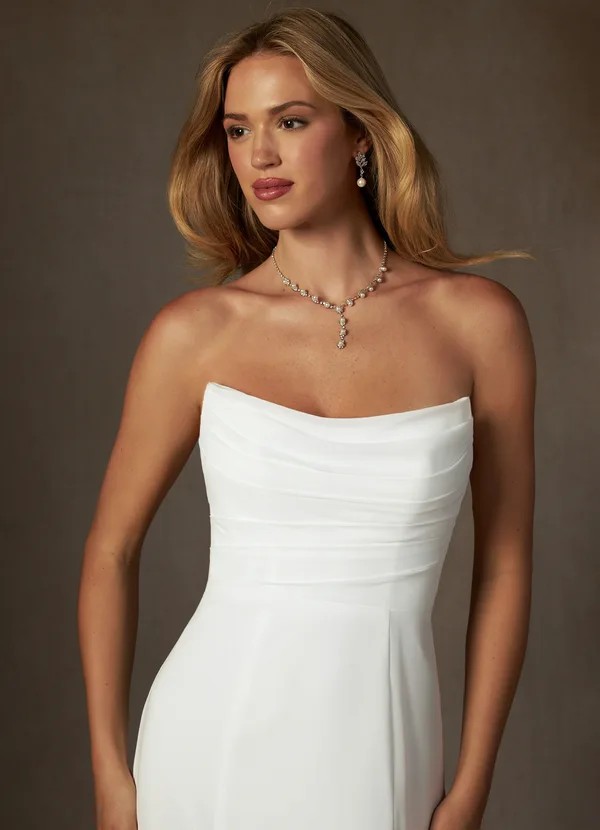
Short answer first, then the full plan.Most brides should order wedding dresses 8–10 months before the wedding so there’s time for fittings and calm pickup.If you want custom size or custom details, start 10–12 months out to protect your buffer.
For a simple, in-stock gown, 4–6 months can still work with a focused alteration window.Below you’ll find a month-by-month timeline, production vs. alteration schedules, rush options, and checklists.Use these tables to lock a date and avoid last-minute stress.
Order your wedding dress 8–10 months before the big day for standard made-to-order.
Add time for custom size or design changes and plan 2–3 fittings over 6–10 weeks.
If you choose a “Ships Now” or in-stock option, 4–6 months is doable with a tight schedule.
Keep a final 2–4 week buffer before the wedding for steaming, storage, and emergencies.
Lock shoe height and undergarments before your first fitting.
This keeps alterations smooth and predictable.
Timeline at a Glance
This table shows when to order by gown path.
Use the upper end if your wedding is during peak season or you want extras.
| Gown Path | When to Order Before Wedding | Fittings Planned | Who This Suits |
| Made-to-Order (standard size) | 8–10 months | 2–3 | Most brides who want normal lead time |
| Custom Size (brand cuts to your measurements) | 10–12 months | 2–3 | Petite, tall, or in-between sizes |
| Semi-Custom (sleeves, neckline, train tweaks) | 10–12 months | 2–3 | Brides who want personalization without full couture |
| Fully Bespoke / From Sketch | 12–14+ months | 3–4 | Original designs, couture structure, rare fabrics |
| In-Stock / Ships Now | 4–6 months | 2–3 | Short timelines, simple silhouettes |
| Rush Path | As early as possible | 2+ | Tight dates; keep changes minimal |
“Order” means deposit placed and size path chosen.
Always finish at least 2–4 weeks early for calm pickup and steaming.
Month-by-Month Planner You Can Copy
Use the left column as your wedding month.
Read across to find your latest safe ordering month and first fitting target.
| Wedding Month | Order By (Safe) | First Fitting | Second Fitting | Final Fitting | Pickup & Steam |
| January | April–May prior | Early Nov | Late Nov | Early Dec | 1–2 weeks pre-wedding |
| February | May–June prior | Early Dec | Late Dec | Mid Jan | 1–2 weeks pre-wedding |
| March | June–July prior | Early Jan | Late Jan | Mid Feb | 1–2 weeks pre-wedding |
| April | August–Sept prior | Early Feb | Late Feb | Mid Mar | 1–2 weeks pre-wedding |
| May | Sept–Oct prior | Early Mar | Late Mar | Mid Apr | 1–2 weeks pre-wedding |
| June | Oct–Nov prior | Early Apr | Late Apr | Mid May | 1–2 weeks pre-wedding |
| July | Nov–Dec prior | Early May | Late May | Mid Jun | 1–2 weeks pre-wedding |
| August | Dec–Jan prior | Early Jun | Late Jun | Mid Jul | 1–2 weeks pre-wedding |
| September | Jan–Feb | Early Jul | Late Jul | Mid Aug | 1–2 weeks pre-wedding |
| October | Feb–Mar | Early Aug | Late Aug | Mid Sep | 1–2 weeks pre-wedding |
| November | March–April | Early Sep | Late Sep | Mid Oct | 1–2 weeks pre-wedding |
| December | April–May | Early Oct | Late Oct | Mid Nov | 1–2 weeks pre-wedding |
This schedule backs into 2–3 fittings over 6–10 weeks.
Adjust one slot earlier if your gown has heavy handwork or sleeves.
What Happens Between “Order” and “Wear”
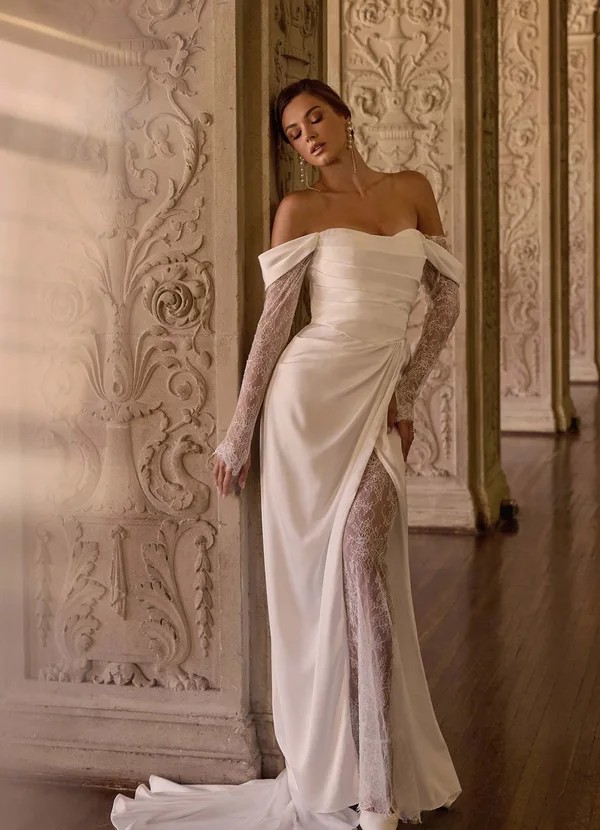
Two streams run in parallel: production and alterations.
Understanding both helps you pick the right order date.
Production Window
- Pattern allocation, fabric cutting, and assembly happen first.
- Embellishment, lace placement, and closures follow after base construction.
- Brands then perform QC, press, and prepare your gown to ship or pick up.
- This period varies by fabric, season, and customization level.
Alteration Window
- Starts after your gown arrives.
- You’ll usually book First → Second → Final fitting at 2–3 week intervals.
- Hem is set with your actual heel height.
- Bodice shaping, strap/sleeve comfort, and bustle plan are refined at each visit.
The Fitting Timeline (Simple and Predictable)
Plan your fittings around 6–10 total weeks.
Keep undergarments and shoes consistent to avoid rework.
| Fitting | When | What You Do | What the Seamstress Does |
| First Fitting | 8–10 weeks before | Wear wedding shoes and undergarments | Global fit check, pin bodice and hem, mark straps |
| Second Fitting | 4–6 weeks before | Walk, sit, stairs test | Refine shaping, set hem, confirm bustle points |
| Final Fitting | 1–2 weeks before | Comfort check, dance test | Steam/press plan, finishing stitches |
| Pickup | 7–10 days before | Try once more at pickup | Pack in breathable garment bag |
Add a buffer for heavy lace, 3D florals, or sleeve work.
Complex beading may add another short check.
Decision Framework: Which Path Are You On?
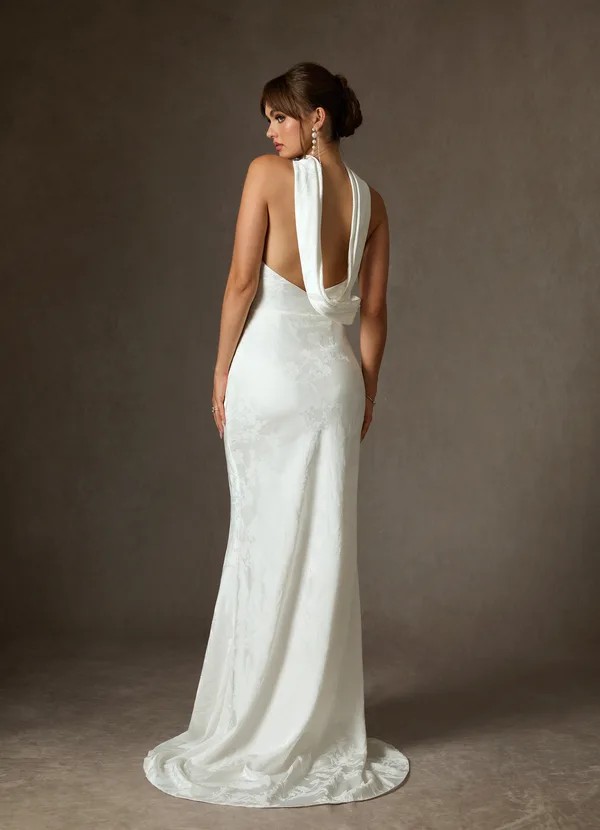
Answer these, then find your order month in the tables above.
The goal is to protect alterations time and your final buffer.
- Do you want custom size or semi-custom design changes.
- Is your wedding in peak months where schedules fill fast.
- Are you choosing a fits-close silhouette like mermaid or fit-and-flare.
- Do you need sleeves, a longer train, or detachable elements.
If you answered “yes” to two or more, add an extra month to your order date.
Time is your best tailoring tool.
Choosing a Timeline by Silhouette
| Silhouette | Why Time Matters | Safer Order Window |
| A-line / Sheath | Fewer seam stress points; predictable hem | 8–10 months |
| Ball Gown | Layered tulle, structure, or mikado shaping | 9–11 months |
| Mermaid / Fit-and-Flare | Precise contouring through hips and knees | 10–12 months |
| Mini / Tea-Length | Shorter hem work; quick movement checks | 6–8 months (in-stock even faster) |
Precision silhouettes benefit from earlier orders.
You get more time to perfect shaping and flare.
Season & Venue Effects on Ordering
- Spring and Fall weddings book up fittings quickly. Shift your order earlier to keep your ideal schedule.
- Beach or outdoor venues often prefer lighter fabrics.
Give time to test the hem on grass or sand without last-minute cuts. - Cathedral or ballroom settings favor trains and structure.
Add weeks for bustle engineering, pressing, and transport planning.
If You Want Detachable Pieces or Two Looks
Modular details are high-impact and practical.
They do affect timing because they need secure attachment and testing.
| Add-On | Timeline Impact | Notes |
| Detachable Sleeves | Low–Medium | Verify arm mobility; easy on/off |
| Overskirt | Medium | Check weight, clips, and bustle interaction |
| Cape / Bolero | Low | Fit at shoulder; avoid collar rub |
| Back Bow & Streamers | Low | Confirm placement for photos and comfort |
Bring these to every fitting if they’re part of your plan.
Your seamstress will set fasteners to be durable and hidden.
What to Lock Before Fittings Start
This short list saves time and prevents rework.
It also keeps your alteration budget focused.
- Heel height (final shoes in hand).
- Undergarments or shapewear you’ll actually wear.
- Neckline coverage decisions finalized (no late redesigns).
- Train length and bustle preference chosen.
Small changes late in the process ripple into new work.
Batch decisions early and your schedule stays calm.
Sample Planning Templates (Plug In Your Dates)
Standard Made-to-Order, A-line
- Order: 8–10 months before.
- First fitting: 9–10 weeks before wedding.
- Second fitting: 5 weeks before.
- Final fitting: 2 weeks before.
- Pickup: 7–10 days before with steaming.
- Buffer: 2 weeks.
Mermaid with Sleeves, Custom Size
- Order: 10–12 months before.
- First fitting: 10 weeks before.
- Second fitting: 6 weeks before.
- Sleeve check: 4 weeks before.
- Final fitting: 2 weeks before.
- Pickup: 1 week before; practice stairs and car entry.
In-Stock / Ships Now, Simple Sheath
- Order: 4–6 months before.
- First fitting: 8 weeks before.
- Second fitting: 4 weeks before.
- Final fitting: 1–2 weeks before.
- Pickup: 1 week before; confirm bustle if needed.
- Note: Keep changes minimal and decisions tight.
Common Ordering Mistakes to Avoid
- Waiting to buy shoes until after the first fitting.
Hem math depends on heel height. - Switching undergarments between fittings.
Seam tension and drape will change. - Ordering late and stacking fittings too close.
You lose room for fine-tuning and steaming. - Underestimating bustle practice.
Bring a friend and record a quick how-to video.
Pickup, Steaming, and Storage
- Schedule steaming within a few days of the wedding if possible.
Ask how to refresh small wrinkles at home. - Use a breathable garment bag and hang the gown high.
Avoid plastic that traps moisture. - Transport across car seats or hang from a hook with room for the train.
At the venue, remove the bag only when you’re in a safe dressing area.
International, Destination, and Travel Timelines
Destination weddings add logistics.
Give yourself extra checkpoints so nothing feels rushed.
- Add 1–2 weeks for customs, shipping, and travel wrinkles.
- Pack a small fabric care kit: lint roller, safety pins, mini steamer if allowed.
- Confirm a local seamstress backup near the destination.
- Keep your veil and detachable pieces in a separate carry-on.
Quick Reference Tables
A) Order Window by Customization Level
| Customization | Order By | Why |
| None / Minimal | 8–10 months | Standard production + calm fittings |
| Custom Size Only | 10–12 months | Pattern cutting to your measurements |
| Semi-Custom | 10–12 months | Sleeves, neckline, train; extra checks |
| Bespoke | 12–14+ months | Toile/muslin, multiple design approvals |
| In-Stock | 4–6 months | Shortest path; focus on alterations |
B) Fitting Frequency by Silhouette
| Silhouette | Fittings | Notes |
| A-line / Sheath | 2–3 | Predictable seams; easy hem |
| Ball Gown | 2–3 | Layers, train, bustle details |
| Mermaid / Fit-and-Flare | 3+ | Precision through hips and knees |
C) Season Pressure Index
| Season | Pressure | Advice |
| Spring | High | Order at upper range; book fittings early |
| Summer | Medium | Plan cooling fabrics; protect alteration slots |
| Fall | High | Add buffer; finalize add-ons early |
| Winter | Medium | Allow time for coats, sleeves, and steaming |
Try-On Strategy (Two Visits That Solve Everything)
Visit 1: Explore silhouettes
- Try A-line, ball gown, mermaid, and sheath back-to-back.
- Move, sit, walk stairs, and take quick videos in two types of lighting.
Visit 2: Confirm fabric and details
- Re-try your top two in the right size range.
- Decide sleeves, veil length, and train so your order can lock.
This two-visit plan gets you to “Order” on schedule.
It also prevents late changes that compress fittings.
Frequently Asked Questions
What is the absolute latest I can order a dress.
If it’s in stock, 4–6 months can work with focused alterations.
If not, choose 8–10 months or add a rush path and keep changes minimal.
How far in advance should I book my first try-on.
Book try-ons 10–12 months out if possible.
That leaves room to think, order, and still protect fittings.
Does custom size mean I can skip alterations.
Not usually.
Custom size gets you closer, but on-body fine-tuning still needs 2–3 fittings.
I want detachable sleeves and an overskirt—does this change timing.
Yes, slightly.
Plan to order a month earlier and bring each piece to every fitting.
I plan to change weight before the wedding—when should I order.
Order on schedule but tell your stylist.
Keep your final fitting as close as 1–2 weeks before the date and avoid big changes after the first fitting.
When should I buy shoes and undergarments.
Before the first fitting.
Your hem, strap fit, and bodice shaping depend on them.
How big should my final buffer be.
Keep 2–4 weeks before the wedding free of major gown work.
Use it for steaming, transport, and peace of mind.
One-Page Checklist (Print & Use)
- Choose silhouette and fabric by 10–12 months out.
- Place your order 8–10 months before the wedding (earlier for custom).
- Book fittings at 9–10, 4–6, and 1–2 weeks pre-wedding.
- Lock shoes and undergarments before fitting #1.
- Decide train and bustle during the first fitting.
- Keep a 2–4 week buffer before the date for steaming and storage.
- Assign a bustle buddy and record a quick how-to video.
- Transport in a breathable garment bag and hang high on arrival.
Final Takeaway
Order your wedding dress months before your date for standard made-to-order.Go months if you want custom size or design changes and months for full bespoke.If you choose in-stock, months can still be calm with disciplined fittings.
Protect a week final buffer, keep shoes and undergarments consistent, and bring any detachable pieces to every appointment.With a clear order month and a simple fitting plan, you’ll glide through the process and step into a gown that feels like it was made just for you.
That’s the goal—beautiful, comfortable, and right on time.