
How Do Parents and Teens Agree on Prom Dresses for Teens?
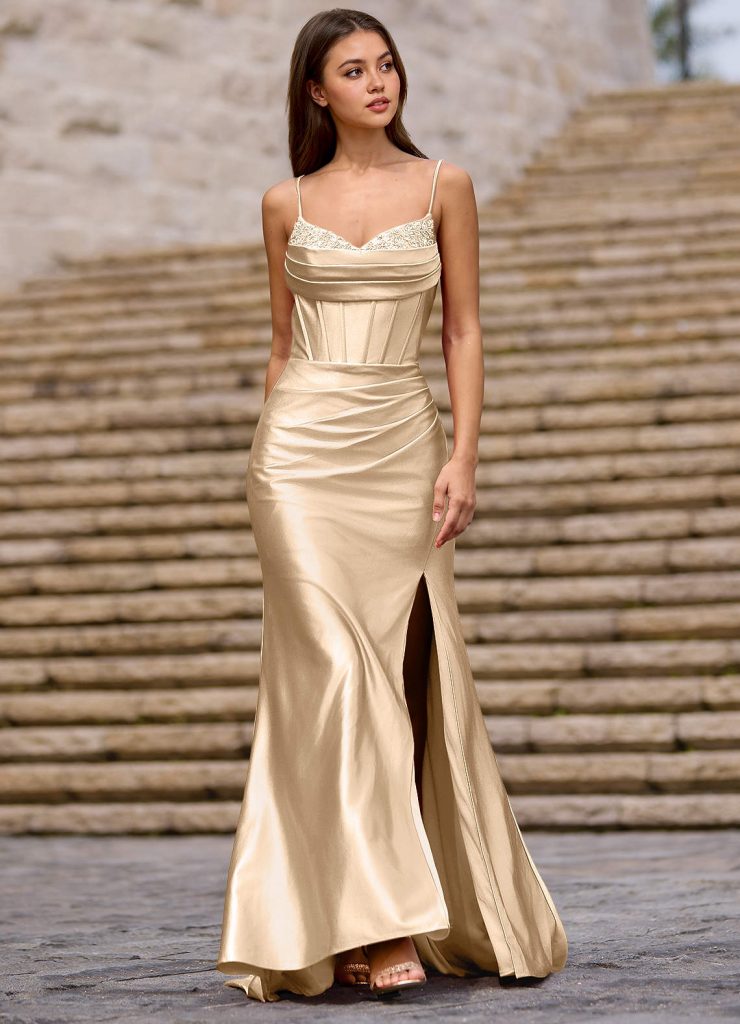
When choosing prom dresses for teens, both parents and students should agree on comfort, dress code compliance, and timeline planning. The dress must pass sit/walk/dance tests and meet school rules for neckline, slit, back coverage, and length.
Leave 6-8 weeks for alterations and shoe shopping. Use this practical checklist to avoid disagreements and last-minute stress.
Complete Prom Dress Agreement Checklist
Use this one-page reference when shopping together to ensure everyone’s concerns are addressed.
| Category | What to Check | Both Agree? |
| School dress code | Neckline height, slit location, back coverage, length | Yes Need to verify |
| Comfort test | Can sit, walk, dance, use restroom independently | Yes Need adjustments |
| Safety | No tripping hazards, secure closures, appropriate shoes | Yes Need to address |
| Photo appropriateness | Comfortable with photos online, in yearbook, with family | Yes Need discussion |
| Budget agreement | Dress + alterations + shoes + accessories within budget | Yes Need to adjust |
| Timeline realistic | Enough time for alterations, no rush fees needed | Yes Order sooner |
| Return policy | Know options if dress doesn’t work out | Yes Need to check |
How to use this checklist:
Before shopping:
- Parents: Review school dress code together
- Teen: Bookmark 3-5 dress styles you love
- Both: Set realistic budget including all costs
- Both: Check calendar for prom date and ordering deadline
While shopping:
- Keep checklist accessible (phone or printed)
- Try dress in store or at home with shoes
- Take photos to review later objectively
- Check each box before making final decision
After selecting:
- Schedule alteration appointments immediately
- Buy shoes for proper hem measurement
- Confirm all costs are within budget
- Set reminder for pickup dates
Understanding School Dress Code Rules
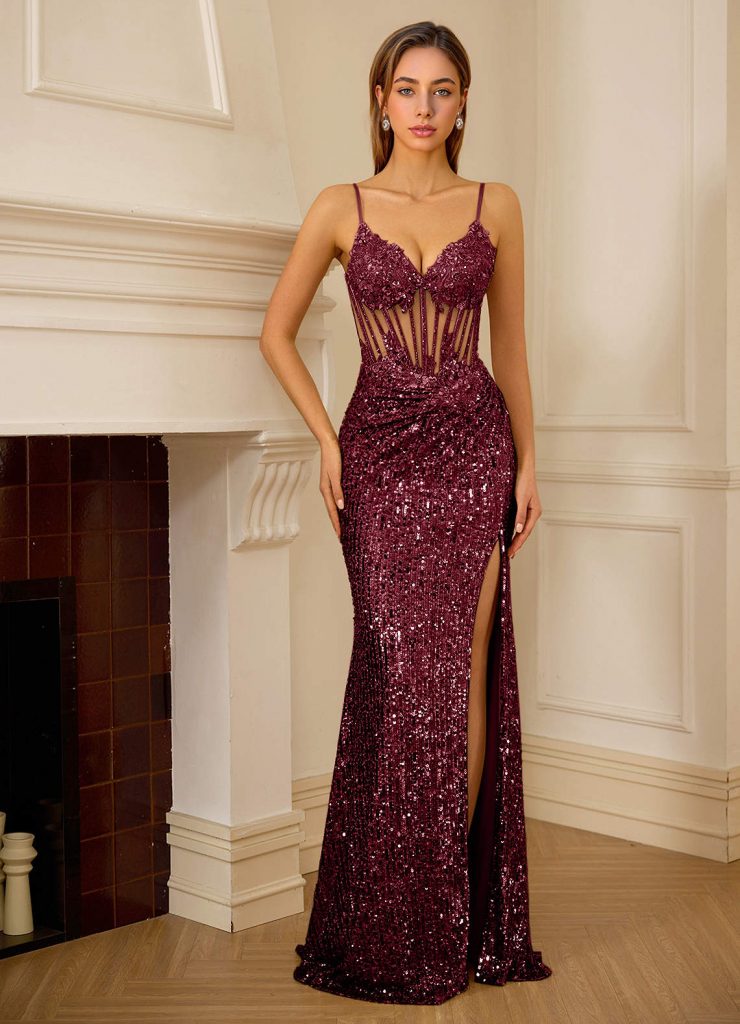
Most disagreements stem from unclear dress code expectations. Get specific details before shopping.
Critical dress code elements to confirm:
Neckline requirements:
Schools typically specify how low necklines can go.
Common rules:
- No more than 3 inches below collarbone
- No plunging V-necks
- Cleavage must be covered
- Strapless allowed vs. straps required
How to check: Measure on teen before shopping. Some schools have visual guides or approve dresses in advance.
Back coverage requirements:
Open backs are popular but often restricted.
Common rules:
- Covered to bra line
- No backless prom dress styles below mid-back
- No visible undergarments
- Crisscross or lace-up backs often acceptable
How to check: Ask school administration directly or check student handbook for specific measurements.
Slit and length restrictions:
High slits and short lengths are frequently addressed in dress codes.
Common rules:
- Slits no higher than mid-thigh or fingertip length
- Long prom dresses strongly encouraged or required
- Short prom dresses must meet fingertip test
- No micro-mini lengths
How to check: Have teen stand naturally with arms at sides. Measure where fingertips fall—this is usually the minimum acceptable length.
Strap and sleeve requirements:
Some schools mandate minimum strap width or require sleeves.
Common rules:
- Straps must be 2 inches wide minimum
- Spaghetti straps prohibited
- Strapless prom dresses allowed vs. not allowed
- Sleeves required for religious or conservative schools
Getting pre-approval:
Many schools offer dress pre-approval to avoid prom night issues.
How it works:
- Submit photos of dress from all angles
- Include measurements of neckline, back, slits
- Get written approval before prom
- Keep approval documentation
Comfort and Safety Tests Before Buying
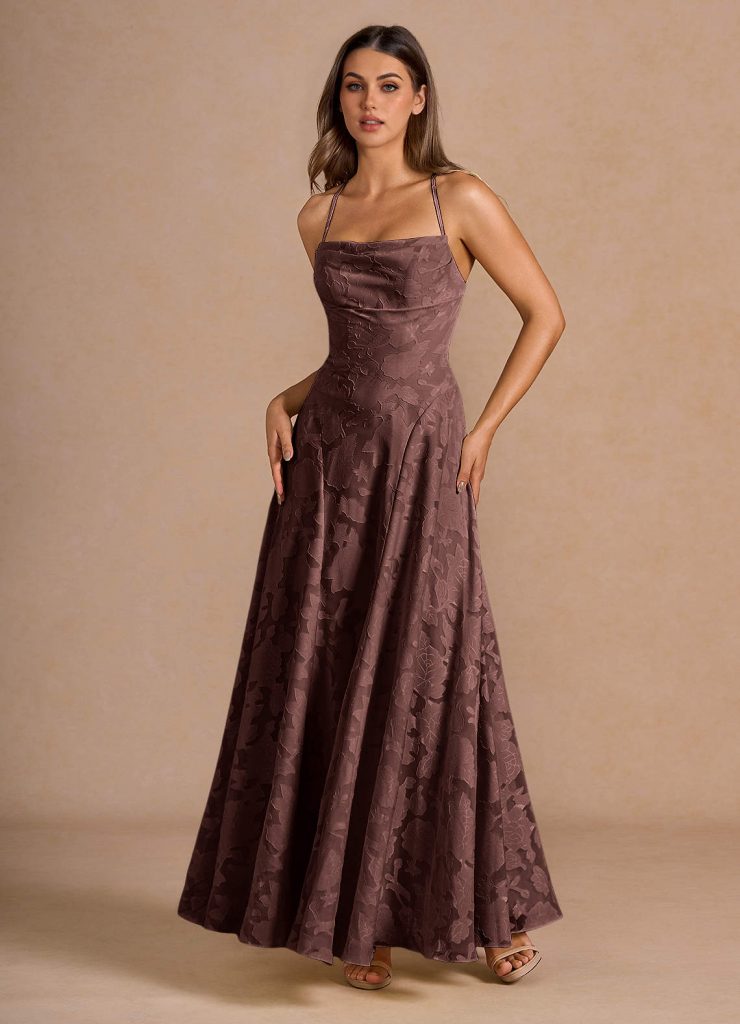
A dress that looks perfect but fails practical tests creates prom night stress.
The sit test:
Teen should sit in a chair normally while wearing the dress.
What to check:
- Does dress ride up uncomfortably?
- Can teen sit without adjusting constantly?
- Does bodice stay in place or gape?
- Is sitting position comfortable for extended time?
Red flags: If teen can’t sit comfortably, the dress is too tight or too short. No exceptions—you’ll sit during dinner and photos.
The walk test:
Teen should walk naturally across the room multiple times.
What to check:
- Any tripping on hem?
- Does dress shift or require adjustment?
- Can teen walk at normal pace?
- Do straps or closures feel secure?
Red flags: If teen shuffles to avoid tripping or holds dress while walking, length needs adjustment or different heel height needed.
The dance test:
Teen should raise arms, turn, and move as if dancing.
What to check:
- Can arms move freely overhead?
- Does bodice stay in place during movement?
- Any exposure concerns when moving?
- Does dress feel secure throughout?
Red flags: If teen can’t move freely or dress requires constant adjustment, fit is wrong or style is too restrictive.
The bathroom test (important!):
Consider how teen will manage bathroom visits independently.
What to check:
- Can teen gather skirt alone?
- Are closures manageable without help?
- Will dress fit in standard stall?
- Is length manageable for hygiene?
Red flags: Extremely full ball gown prom dresses or complicated closures mean teen needs help in bathroom—plan accordingly.
Photo and Social Media Considerations
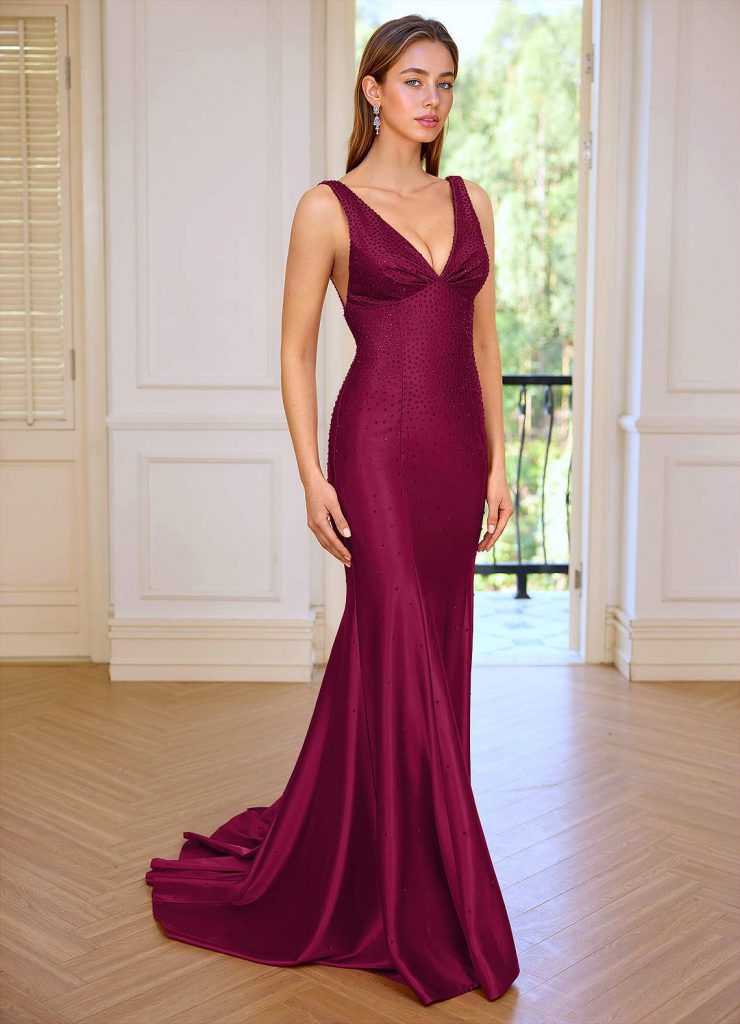
Photos last forever. Both parents and teens should feel comfortable with how dress appears in images.
Questions both should answer honestly:
Family photo comfort:
- Would you be comfortable with this dress in photos with grandparents?
- Does dress represent values you want in family albums?
- Will you look back positively on these photos in 10 years?
Social media reality:
- Are you comfortable with dress photos being shared online?
- Does dress show appropriate coverage for public posting?
- Have you considered how photos might be saved and shared?
Yearbook appropriateness:
- Would dress be appropriate for yearbook publication?
- Does school review prom photos before including them?
- Are you comfortable with permanent school records including these images?
Compromise strategies:
If teen wants more revealing dress and parents are concerned:
Option 1: Layers and wraps
- Purchase beautiful wrap or bolero
- Wear for family photos and ceremony
- Remove for teen-only photos if desired
- Everyone’s comfort addressed
Option 2: Two looks
- Modest prom dresses for arrival and family photos
- Change into different style for dancing
- Some venues accommodate outfit changes
- Increased cost but solves disagreement
Option 3: Strategic alterations
- Add illusion panels to neckline or back
- Raise neckline with lace or mesh
- Close open back partially
- Maintain style while adding coverage
Timeline Planning to Avoid Stress
Rushed decisions create conflict. Following a proper timeline prevents last-minute disagreements.
Complete prom dress timeline:
| Timing | Action | Why It Matters |
| 3-4 months before | Research styles, set budget, review dress code | Adequate time for decision-making |
| 8-10 weeks before | Purchase dress | Allows proper alteration timeline |
| 6-8 weeks before | First alteration fitting | Seamstress has time to work |
| 4-6 weeks before | Purchase shoes for hem measurement | Proper hem length critical |
| 3-4 weeks before | Second fitting if needed | Final adjustments |
| 2 weeks before | Pick up altered dress | Buffer for any issues |
| 1 week before | Final try-on at home with everything | Last chance to address problems |
Why early shopping matters:
Better selection:
Shopping early means access to full inventory in all sizes. Waiting until 4 weeks before prom means limited options and higher stress.
Alteration quality:
Rushing alterations leads to mistakes and rush fees. Good seamstresses need 4-6 weeks minimum for quality work.
Problem-solving time:
If dress doesn’t work out, early shopping leaves time to find alternatives without panic.
Budget management:
Early shopping allows time to find deals and avoid premium pricing near prom.
Budget Agreement Strategy
Money disagreements cause unnecessary stress. Have clear budget conversation before shopping.
Total prom cost breakdown:
Parents and teens should agree on complete budget including:
Dress costs:
- Dress itself (many beautiful options at various price points)
- Alterations (budget minimum 15-20% of dress cost)
- Undergarments if needed
Accessory costs:
- Shoes (comfortable and appropriate for dress)
- Jewelry (can be borrowed or budget-friendly)
- Clutch or small bag
- Wrap or jacket if needed
Beauty costs:
- Hair appointment
- Makeup (DIY or professional)
- Nails
Who pays for what:
Have explicit conversation about payment responsibility:
Common arrangements:
- Parents cover dress + alterations, teen covers accessories
- Parents set total budget, teen decides allocation
- Split costs based on family situation
- Teen earns money toward dress through chores or job
Frequently Asked Questions
How early should you buy a prom dress?
Purchase prom dresses 8-10 weeks before the event to allow proper time for alterations without rush fees. This timeline provides 6-8 weeks for alteration work, time to buy shoes for proper hem measurement, and buffer for any issues. Shopping 3-4 months early for research and decision-making is ideal, with purchase finalized by 8-10 weeks out.
What if we disagree on how revealing a dress is?
Focus on school dress code as objective standard. If dress meets school requirements but parents still have concerns, consider compromise solutions like adding illusion panels, wearing an elegant wrap for family photos, or finding similar styles with more coverage. Both parties should feel comfortable with photos that will last forever.
Can alterations make a dress more modest?
Yes, skilled seamstresses can add coverage through illusion mesh panels, extend necklines, add sleeves, or partially close open backs. Discuss options during first fitting. These modifications typically cost more than standard hemming but solve coverage concerns while keeping the dress style. Plan for these costs in initial budget.
What happens if the dress doesn’t fit?
This is why early shopping and understanding return policies matter. If dress arrives and doesn’t fit, check return deadline immediately. Most retailers allow returns within specific timeframes. For made-to-order dresses, alterations are usually the solution. Budget time and money for professional fitting adjustments—they transform how dress looks and feels.