
How Do I Take Care of My Wedding Dress During a Destination Wedding?
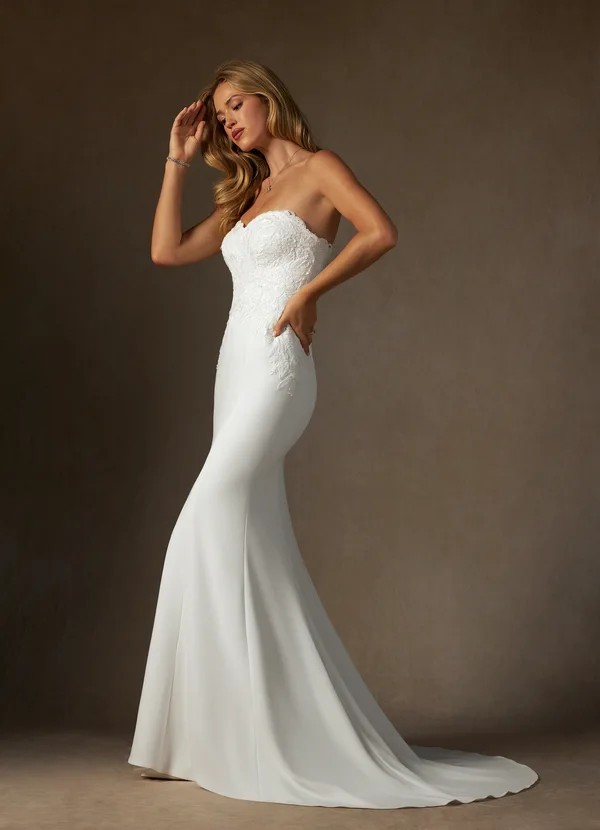
Your wedding dress is traveling further than most gowns do.That means planning its journey with the same care you give to flights, venues, and timelines.
With the right prep, you can keep your dress pristine from takeoff to last dance.Use this calm, step-by-step guide to pack, transport, steam, and store your gown anywhere in the world.
Always carry your dress on, never check it.Choose a breathable garment bag, add protective tissue layers, and confirm airline hanging policies before you fly.
At the destination, steam in sections on low heat and hang the gown high in a cool, dry room.Pack a mini emergency kit (fashion tape, needle/thread, safety pins, blot cloth, anti-static spray).Assign a dress captain to help with bustle and transport between portraits.After the event, air, spot-blot, and box the dress for safe travel home.
The 3-Phase Plan: Before • During • After
- Before travel: Protect, prep, and pack.
Make a flight plan and photograph the gown for insurance and reference. - During travel & on location: Carry-on only, climate-smart steaming, and safe day-of handling.
Assign helpers and practice the bustle. - After the wedding: Air out, spot-blot, and pack for the return.
Schedule professional cleaning and preservation once you’re home.
Before You Fly: Prep & Packing
1) Final fittings and photos
- Finish alterations 2–4 weeks before departure.
- Take photos of the front, back, train, and close-ups of lace or beading for reference.
2) Fabric mapping & wrinkle plan
- Identify the gown’s fabric layers (e.g., crepe base, lace overlay, tulle skirt).
- Decide whether you’ll hang, fold-and-pad, or gentle roll based on wrinkle risk.
3) Choose the right garment bag
- Select a breathable, padded garment bag that zips fully and covers the train.
- Add an exterior luggage tag with your name and a “Wedding Dress—Please Handle With Care” card inside.
4) Line your layers
- Interleave acid-free tissue between bodice, sleeves, and skirt layers to prevent creasing.
- Place a wide muslin wrap or clean cotton sheet over the gown for extra protection.
5) Build the dress support
- Use a broad-shoulder hanger (padded or flocked) that matches the gown’s weight.
- Clip the skirt’s interior loops (if present) to the hanger to relieve bodice strain.
6) Create your travel documentation
- Save a digital note with: airline policy, flight numbers, hotel/venue steaming options, and a backup tailor contact.
- Keep fabric notes (fiber content, care recommendations) from your boutique or seamstress.
Transport Planning
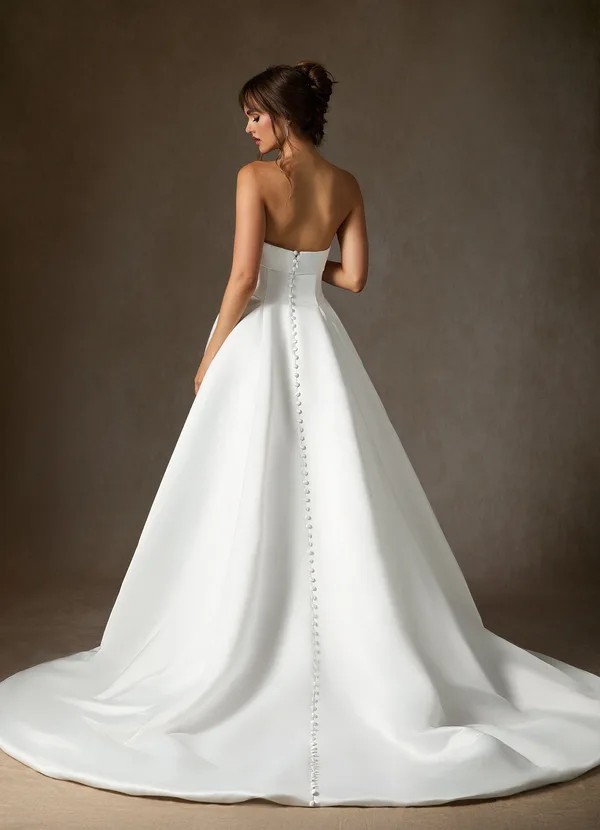
Ask and confirm—ideally by email or chat.
Two questions matter most: “Can I carry a bridal garment bag on board?” and “Is there a closet for hanging?”
Boarding day tips
- Arrive early and pre-board if possible; politely ask the crew to hang the bag in a coat closet.
- If a closet isn’t available, place the bag flat on top of your overhead items, not squashed underneath.
Never check your dress.
Unexpected delays, lost luggage, or moisture fluctuations in the hold can damage delicate fabrics.
Packing Methods (Choose One)
| Method | Best For | How It Works | Pros | Watch-Outs |
| Hang & Pad | Structured bodices, shorter trains | Hang in bag; pad bodice & sleeves with tissue | Minimal folds; easy access | Needs closet space on board |
| Fold-and-Pad | Ball gowns, layered skirts | Fold skirt in thirds with tissue layers | Protects volume; balanced weight | Practice folding at home |
| Gentle Roll (Skirt) | Chiffon/georgette/organza | Roll outer skirt around tissue roll; fold bodice | Fewer creases in airy fabrics | Keep roll loose; avoid tight coils |
| Box-in-Bag | Travel by car | Place folded gown in clean box inside bag | Rigid protection | Space needed; careful lifting |
Pro move: Practice your chosen method once at home with help, then repeat calmly before travel.
Fabric & Wrinkle Risk Matrix
| Fabric | Wrinkle Risk | Packing Choice | Steaming Notes |
| Crepe (light) | Medium | Fold-and-Pad or Gentle Roll | Low steam; press cloth between layers |
| Heavy Crepe | Low–Medium | Hang & Pad | Steam seams first, then panels |
| Satin / Mikado | Low | Hang & Pad | Steam from inside; avoid iron shine |
| Chiffon / Georgette | High | Gentle Roll | Low steam, vertical passes only |
| Organza / Tulle | Medium | Gentle Roll | Quick steam “hover,” don’t soak |
| Lace over Lining | Medium | Fold-and-Pad | Steam lining first, guard lace motifs |
| Velvet (accents) | Low (pile sensitive) | Hang & Pad | Steam from the wrong side; no pressing |
Destination Dress Care Kit (Carry-On)
- Fashion tape and mini sewing kit (needle, thread close to gown color, small scissors).
- Safety pins in various sizes, clear elastic loops, and spare hook-and-eye.
- Acid-free tissue, lint roller, microfiber cloth, and soft cotton towel.
- Anti-static spray (fabric-safe) and body-glide/anti-chafe balm.
- Spot-blot tools: cotton swabs, plain white cloths, saline mini vial (for water-only blotting), baby powder or cornstarch for oil blots.
- Double-sided hem tape for stubborn edges on linings or toppers.
Keep liquids under airline limits and bagged separately.
Everything else rides with the dress in your carry-on.
On Arrival: Unpack, Hang, and Rest
- Unzip in a clean, dry, cool room away from bathroom steam.
- Remove outer muslin/sheet and shake the skirt gently to loosen travel folds.
- Hang the gown high so the train clears the floor.
- Place a clean sheet beneath the hem to keep it off hotel carpeting.
- Let the dress rest for 12–24 hours if time allows.
Fabrics often release minor creases on their own when properly hung.
Steaming & De-Creasing (Safe Method)
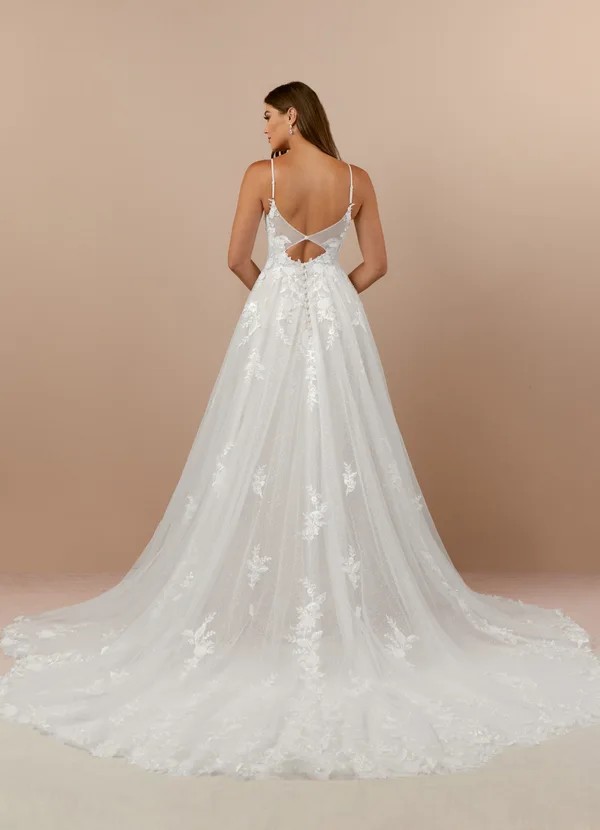
General rules
- Always test on a hidden area first.
- Steam in sections: bodice → sleeves → skirt panels → train.
Technique
- Hold the steamer a few inches away and keep it moving.
- For delicate layers (tulle, organza, chiffon), use a hovering pass, not direct contact.
Guard your finishes
- Protect beading, lace motifs, and illusion mesh with a press cloth held between the steamer and the dress.
- For satin/mikado, steam from the inside to avoid water spots or shine.
No steamer? Try a shower-steam room carefully
- Hang the gown outside the direct spray and run a hot shower to create steam.
- Keep the bathroom door partially open to avoid saturating the fabric.
Climate-Smart Care: Beach, Mountain, City, Tropics
| Destination | Risk | What To Do | Veil & Train Strategy |
| Beach / Coastal | Sand, wind, salt spray | Anti-static liner; fingertip or light chapel veil; assign hem helper | Plain-cut tulle; sweep train or early bustle |
| Tropical / Humid | Moisture + mildew | Air-conditioned storage; desiccant packets near garment bag | Keep veil dry; steam day-of, not night-before |
| Mountain / Alpine | Cold, snow, sap | Clear bustle for portraits; pack hand warmers | Chapel/cathedral veil; assign ground spotter |
| City / Rooftop | Wind, pollutants | Hidden veil pins; lint roller handy | Plain veil; train that won’t catch in doors |
| Desert / Dry Heat | Dust, static | Anti-static spray; breathable lining | Fingertip veil; controlled train lift |
Tip: Always carry a soft white cloth for quick dabs and a spare veil comb in case of wind.
Day-Of Handling: Getting Ready to “Aisle-Ready”
- Dressing order: undergarments → shapewear/hosiery → shoes → gown → veil last.
- Makeup first, dress second. Use a clean cloth around the neckline while stepping in.
- Assign a dress captain. One trusted person learns the bustling points and transport grips.
- Use a clean sheet over chairs or bed when resting the dress during portraits.
- Elevator & doorway test. Practice lifting the front hem with one hand and controlling the train with the other.
- Veil in wind: insert comb firmly, then add two hidden bobby pins crossed under the comb for a lock.
Bustle Strategy for Travel Gowns
Your bustle is a tiny engineering project.
A smart bustle saves the hem from grime and keeps you mobile at unfamiliar venues.
Plan it at fittings
- Confirm bustle type (American/over-bustle, French/under-bustle, or custom multi-point).
- Label pick-up points with contrasting thread colors so your helper can find them fast.
Practice at the hotel
- Do one dry run with your dress captain and record a 30-second video.
- Pack spare safety pins and a crochet hook if you have many tiny buttons.
Spot-Blot First Aid (No Harsh Rubbing)
| Issue | What To Do (On Site) | What To Avoid |
| Soil/dust on hem | Let dry, then gently brush with a clean, soft cloth | Rubbing wet dirt deeper into fibers |
| Oil/grease | Blot with dry cloth; sprinkle cornstarch/baby powder to draw oils; shake off later | Water directly on oil; colored powders |
| Clear beverage splash | Blot with plain white cloth; allow to air dry | Rubbing, heat, or fragranced wipes |
| Makeup transfer | Tap with microfiber cloth; tiny bit of mild soap + water on cloth if needed, then blot dry | Scrubbing; bleach pens |
| Wrinkles mid-day | Hand-steam with travel steamer on low; hover only | Direct iron on satin/mikado |
Keep any stain attempts minimal.
Full cleaning happens after the trip.
Undergarments, Slips & Static Control
- Choose skin-tone, bonded-edge panties and light, breathable shapewear that won’t mark.
- Add a thin half slip under cling-prone fabrics like crepe or charmeuse.
- Mist the lining only with anti-static spray and let it dry before dressing.
- Pack nipple covers, fashion tape, and a spare pair of seamless panties just in case.
Shoes, Hem & Terrain
- For lawns, beaches, or cobblestones, choose block heels, wedges, or flats with heel protectors.
- Confirm your hem just kisses the ground in your actual shoes to prevent dirt and tripping.
- For stairs, practice holding the skirt at the side seam, not the front, to protect photos.
- Assign a helper to ground-spot the train between shots in wet or dusty conditions.
Photo-Ready Habits That Protect the Dress
- Hold bouquets low, just above the hip bones, to avoid brushing the bodice.
- When sitting, smooth the skirt under you and draw the train around to one side.
- Between portraits, hang the veil on a clean hanger rather than draping it over chairs.
- Use clean, dry hands when adjusting lace or buttons; keep a microfiber cloth in your pocket or with your captain.
After the Wedding: Air, Pack, and Preserve
Immediate steps
- Hang the gown in a cool, dry room and let it air for several hours.
- Spot-blot only if truly needed; never store the dress while damp.
Return-trip packing
- Use fresh acid-free tissue and your original method (Fold-and-Pad or Roll).
- Keep the dress in your carry-on garment bag and store overhead flat.
Once home
- Schedule professional cleaning as soon as possible.
- Discuss preservation boxing and fabric-safe storage with your cleaner.
Timeline You Can Trust (Destination Edition)
| Timeframe | Action | Why It Matters |
| 2–4 months before | Book flights; confirm airline closet policy | Ensures carry-on plan |
| 2–4 weeks before | Final fitting; finalize bustle; practice packing method | Fewer last-minute variables |
| 1 week before | Pack dress kit; photograph gown; review climate notes | Ready for emergencies |
| Travel day | Carry-on only; pre-board; hang or lay flat overhead | Zero baggage risk |
| Arrival day | Unpack; hang high; rest 12–24 hrs | Natural de-crease |
| Day before | Section steam on low; set veil and topper | Fresh finish |
| Wedding day | Dress captain + bustle video; ground-spotter | Real-time protection |
| Day after | Air, blot, repack | Prevent set-in odors or creases |
| Within a week | Professional clean & preserve | Long-term protection |
Special Situations
1) Traveling with multiple looks
- Pack reception dress or jumpsuit in a separate breathable bag.
- Keep accessories labeled in zip pouches (veil, gloves, sleeves, belt).
2) Cultural or religious attire
- Transport modesty toppers, veils, or capes in flat garment sleeves.
- Practice switching looks in real time and sequence them in your dressing plan.
3) Very long trains or cathedral veils
- Use a train caddy (soft fabric sleeve) inside the garment bag to protect edges.
- Have a portrait-only veil and a lighter reception veil for comfort.
4) Rain or snow plan
- Pack clear umbrellas and a clean sheet for ground protection.
- Pre-plan an indoor backup for first-look and family photos.
Red Flags (Avoid These)
- Checking the gown or packing it in a thin plastic cover.
- Steaming on high heat or pressing directly on satin/mikado.
- Leaving the dress in a humid bathroom overnight.
- Using colored towels or fragranced wipes on the gown.
- Storing the dress damp after the event or sealing it in non-breathable plastic.
Print-Friendly Checklists
Carry-On Dress Kit
- Breathable garment bag + padded hanger
- Acid-free tissue + muslin wrap
- Fashion tape + nipple covers + spare panties
- Mini sewing kit + safety pins + clear elastic
- Lint roller + microfiber cloth + soft towel
- Anti-static spray + body-glide
- Spot-blot cloths + cotton swabs + small powder
- Veil comb + spare bobby pins
- Written bustle map + helper video link
Hotel Room Setup
- Cool, dry room away from shower steam
- High hanging point + clean sheet under hem
- Steamer (low) + press cloth
- “No food or drinks” rule near the dress
Day-Of Flow
- Dress in order; veil last
- Dress captain assigned + bustle practice
- Ground-spotter for outdoor photos
- Clean cloth/roller in someone’s pocket
- Quick lift method for stairs and doors
Return Trip
- Air and cool the dress overnight
- Fresh tissue + same packing method
- Carry-on only; overhead flat
- Cleaning/preservation appointment booked
Quick Reference Tables
A) Destination Risk & Solution Matrix
| Risk | Fast Prevention | On-Site Fix |
| Humidity wrinkles | Hang high; dehumidify/AC | Gentle hover-steam in sections |
| Sand & salt | Early bustle; sheet under hem | Dry brush; no water on salt |
| Static cling | Anti-static on lining | Light mist; let dry before dressing |
| Windy veils | Hidden crossed pins | Swap to fingertip; re-secure comb |
| Snow/wet ground | Clear bustle; helper | Towel blot; air dry before packing |
B) “Who Does What” Assignment
| Role | Tasks |
| Dress Captain | Carries garment bag, learns bustle, keeps kit |
| Ground-Spotter | Guards hem/train outdoors, manages veil between shots |
| Steam Lead | Uses steamer on low with press cloth, section by section |
| Logistics Buddy | Confirms airline closet, hotel room setup, backup steamer |
Frequently Asked Questions
Should I ever check my wedding dress in luggage?
No. Always carry it on.
Checking risks moisture, crushing, or loss that’s hard to recover from on a fixed timeline.
What if my airline won’t guarantee a closet?
Board early and politely request help.
If there’s no closet, lay the bag flat on top of your overhead items and avoid heavy bags on top.
How do I safely steam lace and tulle?
Use low steam, hover a few inches away, and shield with a press cloth.
Steam the lining first to relax the outer layers.
Can I use a hotel iron?
void direct irons on bridal fabrics, especially satin/mikado.
If absolutely necessary on the lining only, use the lowest heat and a thick press cloth—steaming is safer.
How do I keep the hem clean outside?
Use a clear bustle for portraits, a clean sheet underfoot when pausing, and a ground-spotter to lift the train between shots.
What if my veil keeps flying?
Use two crossed bobby pins hidden under the comb.
Choose a plain-cut fingertip veil for wind, and switch to cathedral only for the aisle if you want the drama.
How soon should I clean the dress after a destination wedding?
As soon as you’re home.
Even invisible oils and sand can set; professional cleaning and preservation protect the fabric long-term.
Final Takeaway
A destination wedding dress stays beautiful when you carry it on, pad and protect it, and steam gently in sections.Assign a dress captain, practice the bustle, and tailor your plan to climate and terrain so nothing catches you off guard.
After the celebration, air, blot, and pack with fresh tissue for the return, then book professional cleaning and preservation.With a calm checklist and a few smart helpers, your gown will travel like a pro—and look flawless from first look to final toast.