
How do I select the perfect color for a formal dress?
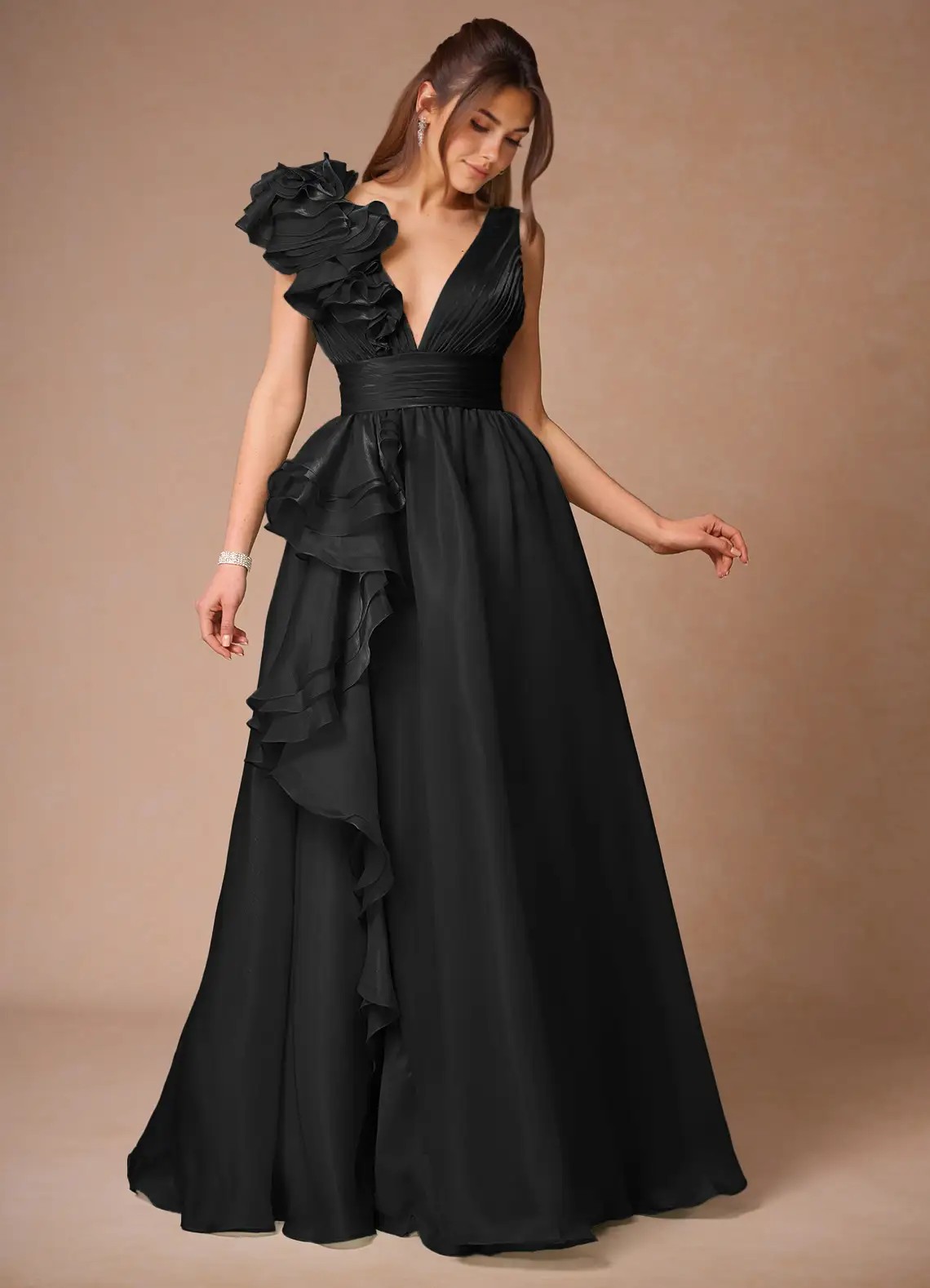
Choosing the right color for a formal dress is one of the most important styling decisions you will make. The color determines your overall mood, photographs, confidence, and how well your look fits the event setting.
A stunning silhouette can still fall flat if the color doesn’t suit your skin tone or the venue lighting. The good news? With clear guidance, you can select the perfect shade that complements your features and enhances the event’s atmosphere.
In this complete guide, we will walk through:
- How to choose a color that flatters your skin tone
- Which colors work best for different events
- How lighting affects color
- How season and venue influence your choice
- What color psychology means for formalwear
- How to match your dress color with accessories and makeup
- A comparison table of the most popular formal dress colors
And remember—you can explore a wide range of shades tailored to formalwear in the
Azazie Formal Dresses Collection. Let’s begin.
Start With Your Skin Tone: Undertones Matter Most
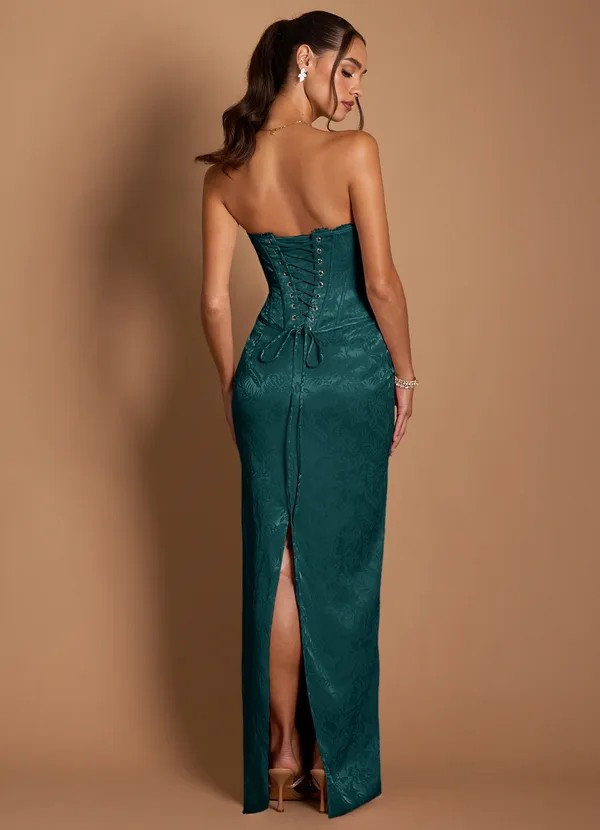
Your skin undertones influences which colors make you look radiant and which make you appear washed out.
There are three major undertone categories:
Warm Undertones
You suit colors with golden or earthy bases.
Best colors
- Olive green
- Mustard or gold
- Warm reds (brick, wine)
- Deep orange
- Cream or champagne
- Chocolate brown
- Warm emerald
Avoid
- Icy pastels
- Cool blues
- Pure bright white
Cool Undertones
You suit colors with blue, pink, or purple bases.
Best colors
- Sapphire
- Navy
- Emerald (cool-toned)
- Burgundy
- Rose or mauve
- Plum or eggplant
- Cool silver
Avoid
- Yellow
- Mustard
- Warm browns
Neutral Undertones
You can wear most colors—lucky you!
Best colors
- Deep jewel tones
- Cream or champagne
- Soft neutrals
- Black or navy
- Muted pastels
Avoid
- Very bright neon colors
- Overly warm mustard shades
Think About the Event Theme and Dress Code
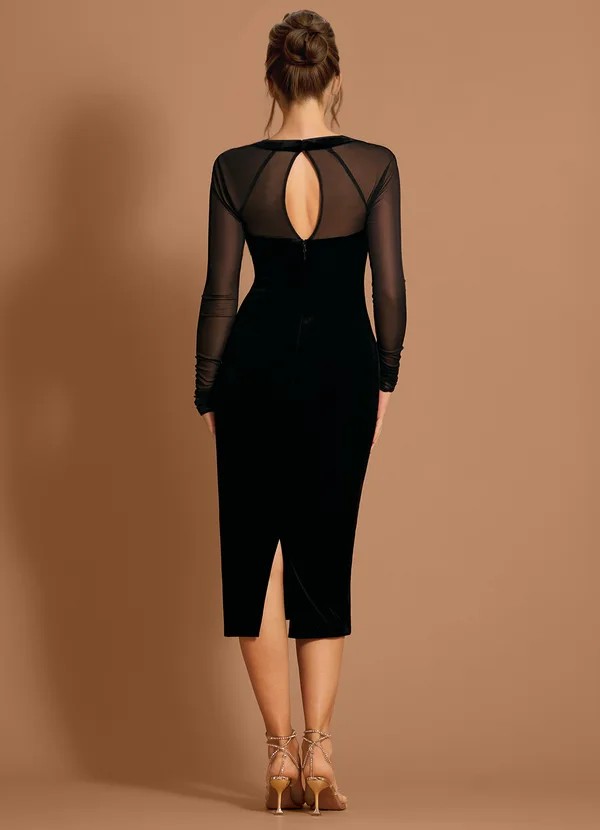
Different events call for different color moods.
A gala might require depth and elegance; an afternoon wedding might call for softness; a corporate formal dress event may require muted tones.
Black-Tie Event
Choose classic, rich colors:
- Black
- Navy
- Emerald
- Burgundy
- Deep metallics
Wedding Guest
Avoid white, cream, champagne (unless the theme allows).
Choose:
- Soft pastels
- Warm neutrals
- Florals in subtle tones
- Jewel tones
Prom
Express your personality:
- Jewel tones (ruby, emerald, sapphire)
- Romantic colors (blush, lavender)
- Bold metallics for drama
Corporate Formal
Stick to elegant neutrals:
- Black
- Navy
- Charcoal
- Deep green
- Wine
Gala or Charity Event
Go luxurious:
- Gold
- Silver
- Emerald
- Evening blue
- Rich warm neutrals
Consider Venue and Lighting
Lighting dramatically affects how dress color appears in real life and in photographs.
Indoor Ballroom
- Warm lighting enhances jewel tones.
- Gold and champagne glow beautifully.
- Black can look extremely elegant.
Outdoor Garden
- Soft colors blend well with naturals.
- Avoid overly dark shades; they absorb too much sunlight.
- Pastels, florals, and neutrals feel appropriate.
Sunset / Golden Hour
- Warm-toned dresses appear vibrant.
- Metallics catch golden light beautifully.
- Reds and oranges look radiant.
Evening Spotlight Lighting
- Jewel tones shine best (ruby, emerald, sapphire).
- Velvet looks luxurious in low light.
- Chiffon layers create dimension.
Choose the Right Color by Season
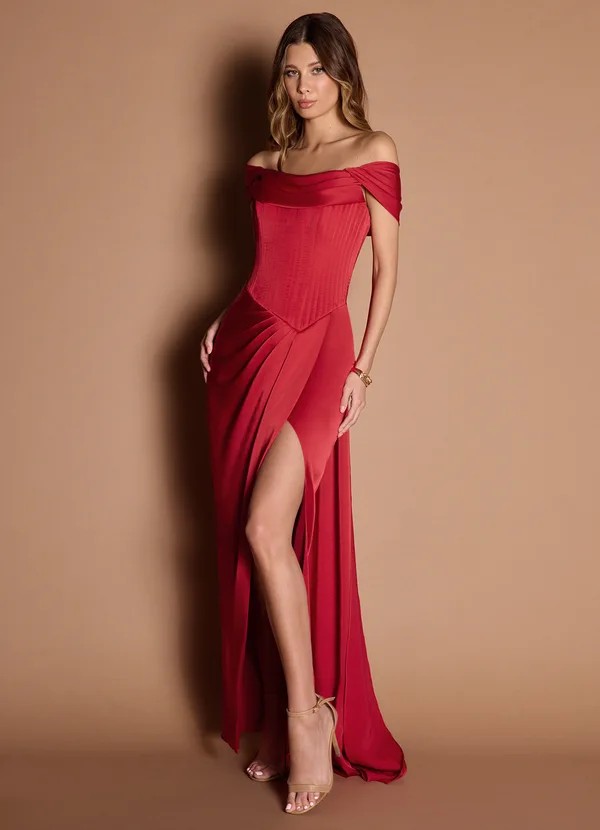
Seasonal palettes help narrow choices.
Spring
- Blush
- Lavender
- Mint
- Light blue
- Soft peach
- Cream
Summer
- Coral
- Sky blue
- Rose
- Teal
- Ivory
- Cool-toned pastels
Autumn
- Olive
- Burgundy
- Mustard
- Rust
- Forest green
- Gold
Winter
- Black
- Silver
- Navy
- Emerald
- Ruby
- Deep purple
Color Psychology in Formal Dresses
Color isn’t just visual—it sends emotional signals.
Black
- Elegant, powerful, timeless
- Perfect for black-tie
Red
- Confident, bold, passionate
- Great for galas or high-profile events
Navy
- Calm, strong, polished
- Ideal for corporate formal
Emerald
- Luxurious, mystical
- Great for evening events
Gold / Metallics
- Festive, glamorous
- Best for celebrations
White / Champagne
- Pure, bright, romantic
- Avoid at weddings
Soft pastels
- Feminine, gentle, airy
- Perfect for spring or garden events
Popular Dress Colors & When They Work Best
| Color | Works Best For | Why It Works | Avoid If |
| Black | Black-tie, formal indoor events | Timeless, slimming, elegant | Outdoor heat or garden themes |
| Navy | Corporate formal, evening events | Polished, refined | Very bright outdoor settings |
| Emerald | Galas, winter events | Luxurious and rich | Extremely warm lighting |
| Wine/Burgundy | Fall weddings, cool-weather events | Warm, elegant, romantic | Hot, sunny events |
| Gold | Celebrations, NYE, festive gatherings | Photographs beautifully | Very warm lighting may overshine |
| Champagne | Spring/summer evenings | Soft and elegant | Not for weddings |
| Silver | Modern/futuristic themes | Cool and glamorous | Cold-toned skin may appear washed out |
| Pastels | Daytime, garden, spring themes | Gentle and romantic | Black-tie evening events |
Choose a Color Based on Your Personal Style
Your formal dress color should reflect your personality.
For a Classic Style
- Black
- Navy
- Champagne
- Emerald
For a Romantic Style
- Blush
- Mauve
- Lavender
- Soft neutrals
For a Dramatic Style
- Red
- Gold
- Deep purple
- Metallic shades
For a Minimalist Style
- White
- Ivory
- Black
- Muted earth tones
For a Trendy Style
- Vibrant jewel tones
- Fashion-forward metallics
- Colour-block styles
Hair Color & Dress Color Pairing
Your hair color can influence what dress color flatters you most.
Blonde
- Navy
- Emerald
- Black
- Rose
- Silver
Brunette
- Burgundy
- Emerald
- Gold
- Teal
- Champagne
Red Hair
- Forest green
- Midnight blue
- Gold
- Cream
- Jade
Black Hair
- Jewel tones
- Metallics
- Ruby
- Royal blue
Matching Makeup to Dress Color
Makeup should enhance, not fight, your dress.
If wearing dark colors
- Bold eyes
- Neutral lips
If wearing pastels
- Soft glam
- Pink tones
If wearing metallics
- Glowy highlight
- Defined eyeliner
If wearing red or jewel tones
- Balance bold dress with either:
- Bold lips + soft eyes
- Smokey eyes + nude lips
Match Accessories to Dress Color
Accessories help tie your entire look together.
Gold dress pairs with:
- Gold jewelry
- Nude heels
- Warm-toned makeup
Emerald dress pairs with:
- Gold or pearl jewelry
- Soft neutral makeup
Burgundy dress pairs with:
- Gold metallics
- Deep-toned lipstick
- Velvet wraps
Black dress pairs with:
- Anything—very flexible
- Silver for glam
- Gold for warmth
- Red lip for drama
How to Choose a Color That Photographs Well
Different colors react differently to camera flash and lighting.
Colors that photograph best
- Jewel tones
- Metallics
- Black
- Navy
- Emerald
- Burgundy
Colors that may blend into backgrounds
- Bright white against overexposed outdoor light
- Pale pastels in harsh indoor lighting
- Dark green against heavy foliage
Tips
- Use flash test before event
- Consider background colors
- Check dress under sunlight + indoor light
Factors That Influence Your Dress Color Choice
Several practical factors influence color selection.
Climate
- Hot climates → lighter colors feel more comfortable
- Cold climates → deeper colors feel appropriate
Time of Day
- Day events → soft neutrals, pastels, light tones
- Night events → jewel tones, metallics, black
Venue Size
- Large ballrooms → dramatic colors show better
- Intimate venues → soft tones feel more appropriate
Your Role in the Event
- Guest → freedom
- Honored guest → deeper or richer tones
- Presenter/speaker → refined neutrals or jewel tones
How to Choose From the Azazie Atelier Formal Dress Colors
The Azazie Atelier Formal Dresses line offers a wide color palette.
When browsing:
- Use filters for “Color”
- Explore color swatches
- Compare shades under different lighting
- Choose fabric that matches the tone (e.g., emerald satin vs emerald crepe)
- Look for colors marked as “new” or “seasonal” for trends
Common Mistakes When Choosing Dress Color (and How to Avoid Them)
Mistake 1: Choosing a color based only on trend
Avoid chasing fast trends—choose what flatters you.
Mistake 2: Not checking color in natural light
Always test color in sunlight + indoor lighting.
Mistake 3: Ignoring undertones
Undertones determine whether you shine or look washed out.
Mistake 4: Matching event theme too literally
You don’t need to blend into décor—choose complementary tones.
Mistake 5: Avoiding bold colors even if you love them
Confidence transforms any color—trust your instincts.
Final Thoughts
Choosing the perfect color for a formal dress is a blend of art and science. When you understand your undertone, event vibe, season, lighting, and personal style, selecting the right shade becomes effortless.
Whether you prefer classic black, bold jewel tones, romantic pastels, or shimmering metallics, the key is to choose a color that enhances your natural beauty and matches the event’s elegance. Azazie offers a wide range of shades so you can find the perfect color that fits both your skin tone and your style vision.
Frequently Asked Questions
What is the safest color for a formal dress?
Black, navy, and emerald are universally flattering and always appropriate.
What color looks most luxurious?
Deep jewel tones—ruby, sapphire, emerald—look elegant and expensive.
Should I match the dress color to the event theme?
Not exactly. Instead, complement the theme while prioritizing your own coloring.
What color is best for photos?
Jewel tones, black, metallics, and rich neutrals photograph beautifully.
Can I wear bright colors to a formal event?
Yes—if the silhouette and fabric remain formal.
How does my hair color affect dress color choice?
Hair color can enhance or clash with your dress. For example:
- Blonde → jewel tones, navy, rose
- Brunette → burgundy, emerald, gold
- Red → forest green, midnight blue, cream
- Black → metallics, ruby, royal blue
Can I wear pastels for evening events?
Yes, but choose richer or muted pastels for low-light settings. Pair with complementary accessories and layered textures to avoid looking washed out.
Does fabric type change how the color looks?
Absolutely. Satin reflects light, making colors appear richer; chiffon softens tones; velvet deepens jewel tones; crepe gives matte sophistication. Always check fabric in the actual lighting.
How do I choose a color for multi-event use?
Opt for versatile shades like black, navy, emerald, or wine. These work across weddings, galas, and corporate events while remaining flattering and timeless.
How do I know if a bold color will suit me?
Test it against your skin tone and undertone. If it enhances your complexion and you feel confident, it works. Pair with minimal accessories initially to let the color shine.