
How Do I Secure Wrap Dresses for Wedding Guests to Prevent Slipping?

Wrap dresses stay secure through strategic placement of safety pins at the waist tie, fashion tape along the interior wrap edge, and choosing styles with built-in snaps or ties. The right securing method depends on whether you have a true wrap that opens completely or a faux wrap with stitched closures that only appears to wrap.
Understanding True Wrap vs Faux Wrap Construction
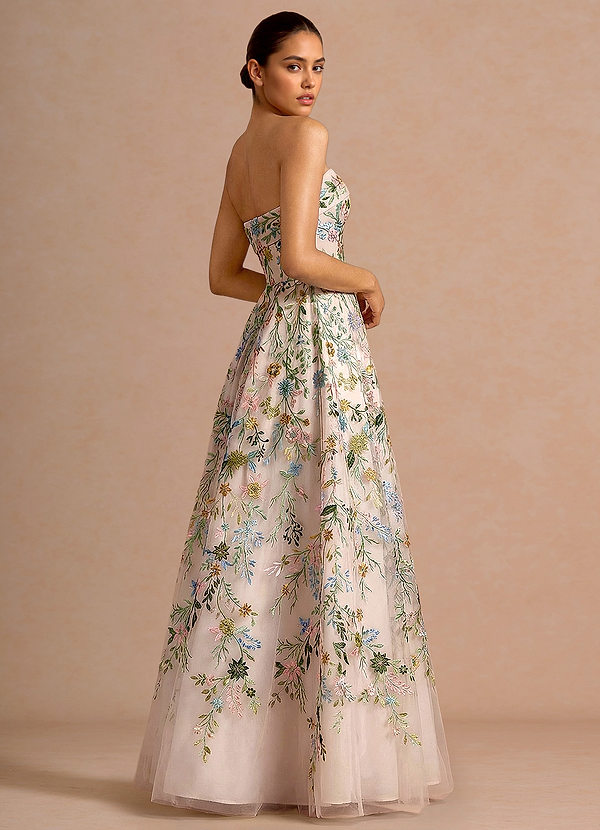
Knowing your dress type determines which securing methods work best.
True Wrap Characteristics
Complete Opening The dress opens fully when untied. No stitching holds the front panels together except at the waist tie point.
Tie Closure Only Security depends entirely on how tightly you tie the waist sash. Movement can loosen the knot over time.
Maximum Adjustment You control how much the dress overlaps. This flexibility also means more opportunity for gaping or slipping.
Higher Maintenance Requires constant awareness and periodic retying throughout events. Dancing, sitting, and reaching can shift the wrap.
Faux Wrap Features
Permanent Stitching Front panels connect at strategic points beyond the decorative tie. The wrap appearance is built into the structure.
Decorative Ties The sash serves aesthetic purposes more than functional closure. Even if untied, the dress stays closed.
Fixed Overlap Manufacturers determine the wrap depth. You cannot adjust how much fabric crosses the front.
Built-In Security Internal snaps, hooks, or hidden zippers provide closure independent of the visible wrap detail.
Many wedding guest dresses feature faux wrap styling specifically to combine the flattering silhouette with practical security.
Safety Pin Securing Methods
Strategic pin placement keeps wrap dresses closed without visible hardware.
Essential Pinning Locations
| Pin Placement | Purpose | Visibility Risk | Effectiveness |
| Inside waist tie | Prevents tie from loosening | None (completely hidden) | High for tie security |
| Upper wrap edge | Stops neckline gaping | Low (under fabric layer) | High for modesty |
| Hip area wrap | Secures lower wrap panels | Medium (check when sitting) | Medium for movement |
| Interior seam | Anchors wrap to lining | None (inside construction) | High for overall stability |
Step-by-Step Safety Pin Technique
Step 1: Tie the Dress Properly Wrap the dress around your body and tie at the natural waist. Make the tie snug but not uncomfortably tight. Double knot if the fabric is slippery.
Step 2: Pin the Interior Tie Open a small safety pin (size 0 or 1 works best). Insert the pin through both layers of the tie where they cross beneath the bow. This prevents the knot from loosening as you move.
Step 3: Secure the Upper Wrap Stand naturally and identify where the top wrap edge sits against your chest. Pin the interior wrap layer to the underlying layer about 2-3 inches below the neckline. Use a safety pin placed horizontally to avoid poking through.
Step 4: Check Sitting Position Sit down and observe if the wrap gaps at the hip. If it does, add a safety pin at this point on the interior side where the wrap crosses.
Step 5: Movement Test Raise your arms overhead, twist side to side, and bend forward. Adjust or add pins anywhere you notice gaping or shifting.
Safety Pin Selection Tips
- Choose pins in colors matching your dress (gold for warm tones, silver for cool)
- Use small sizes (0-1) for lightweight fabrics like chiffon
- Select medium sizes (2) for heavier materials like satin wedding guest dress options
- Avoid large pins that create visible bumps under fabric
- Bring extras in your clutch for mid-event adjustments
Fashion Tape Application Strategies

Double-sided garment tape provides invisible security without pins.
Tape Types and Their Uses
Fabric-to-Fabric Tape Bonds wrap edges to the underlying dress layer. Best for securing the entire wrap edge length rather than single points.
Skin-Safe Body Tape Adheres dress fabric directly to skin. Works well for neckline gaping when you want to avoid pins near your chest.
Hemming Tape Temporary adhesive for fabric edges. Useful if the wrap inner edge tends to flip outward and show.
Medical Tape (Backup Option) Hypoallergenic tape designed for skin contact. Less strong than fashion tape but gentler for sensitive skin.
Effective Taping Technique
Pre-Application Preparation
- Ensure skin is clean, dry, and free of lotion or oil
- Test tape on a hidden dress area first to check for residue
- Have backup tape strips ready in case you need to reposition
Strategic Placement Points
- Apply 2-inch strip along the interior wrap edge near the bust
- Place strip vertically where the wrap crosses at the waist
- Add horizontal strip at the hip if the dress has a slit that might reveal the wrap interior
- Consider a small piece inside the neckline if you experience gaping
Application Method Press the tape firmly against the dress fabric for 10 seconds. Remove the backing and position the dress as desired. Press the second side firmly against either skin or the underlying dress layer. Hold for 30 seconds to ensure strong adhesion.
Wind-Proofing for Outdoor Celebrations
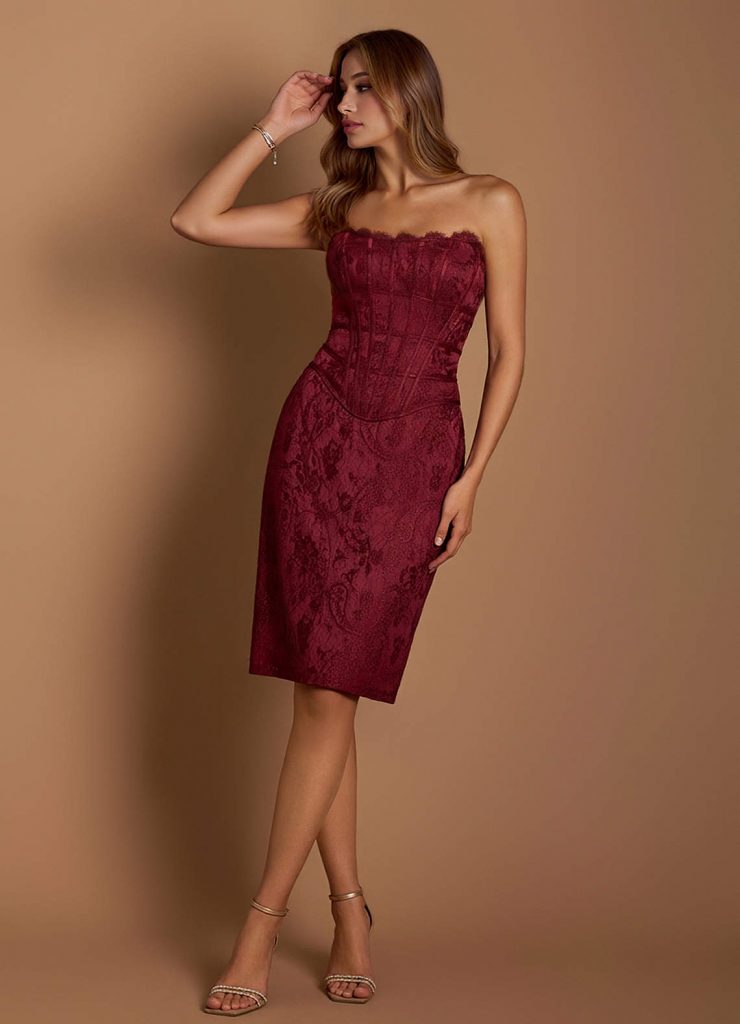
Outdoor venues present unique challenges for wrap dress security.
Weather Condition Preparations
Breezy Garden or Beach Settings Wind poses the biggest threat to wrap dress security. For beach wedding guest dresses in wrap styles, combine multiple securing methods.
Layered Security Approach:
- Pin the tie as described above
- Add fashion tape along the full inner wrap edge
- Safety pin the bottom wrap panel at hip level
- Consider a lightweight slip underneath for extra coverage
- Bring a coordinating shawl you can wrap around waist if needed
Rooftop or Open-Air Venues Urban settings can create unexpected wind tunnels. Test your dress security before leaving home by standing in front of a fan on medium speed.
Covered Outdoor Spaces Tents and pavilions provide some protection but air movement still occurs. Use at minimum the interior tie pin and upper wrap pin combination.
Movement-Specific Precautions
Dancing Security Energetic movement loosens even well-tied wraps. Before hitting the dance floor:
- Retie your waist sash more snugly
- Add an extra safety pin at the hip
- Consider holding the wrap closed with one hand during particularly active songs
- Check the wrap between songs and adjust as needed
Seated Stability Sitting can cause the wrap to gap at the neckline or shift at the waist. When sitting:
- Smooth the dress down in back before lowering into chairs
- Cross your legs to create a physical barrier preventing lower wrap opening
- Place your clutch or napkin strategically across your lap for extra coverage
- Recheck the wrap when standing up
Photographed Moments Key photo opportunities require extra vigilance:
- Check your wrap in bathroom mirror before ceremony
- Ask a trusted friend to glance at your dress from behind before couple photos
- Smooth and adjust before walking down aisles or stairs
- Hold your wrap closed subtly if feeling insecure during group photos
Size-Inclusive Wrap Security Considerations
Different body types encounter specific wrap dress challenges.
Plus Size Securing Strategies
Plus size wedding guest dresses in wrap styles benefit from extra attention to bust and hip areas.
Bust Support Needs
- Pin both the interior tie and the upper wrap edge
- Use wider fashion tape strips (1.5-2 inches)
- Consider a supportive strapless bra that extends lower on torso
- Look for wrap dresses with built-in bust support or shelf bra
Hip and Thigh Considerations
- Add extra safety pin at hip where fabric experiences most tension
- Choose wrap dresses with generous overlap designed for curves
- Ensure proper sizing so the dress doesn’t pull when sitting
- Consider styles with side-tie rather than front-tie for better distribution
Petite Frame Adjustments
Petite wedding guest dresses with wrap styling may have proportionally deeper overlap than needed.
Excess Fabric Management
- Pin the interior wrap layer at multiple points to prevent shifting
- Tie the waist sash tighter and pin immediately to maintain fit
- Consider having excess wrap width taken in by a tailor
- Look for petite-specific wrap construction with appropriate overlap
Frequently Asked Questions
How many safety pins do I need to secure a wrap dress for a wedding?
Most wrap dresses require 2-4 safety pins for adequate security. At minimum, pin the interior waist tie and add one pin at the upper wrap edge near the bust. Active celebrations or outdoor venues may need additional pins at the hip and lower wrap areas.
Can I use regular tape instead of fashion tape on my wrap dress?
Regular tape is not recommended. Standard clear tape doesn’t adhere well to fabric and will fail quickly with movement and body heat. Double-sided tape from office supplies may damage delicate fabrics or leave residue.
What if my wrap dress starts slipping during the wedding ceremony?
If you notice slipping during the ceremony, subtly adjust your arm position to hold the wrap closed. Cross your arms loosely or hold a clutch against your chest area. Excuse yourself to the restroom as soon as the ceremony ends to add safety pins or retie the dress more securely.
Do faux wrap dresses need any securing methods?
Faux wrap dresses typically need minimal to no securing since they have built-in closures. However, check the neckline for gaping—even faux wraps may need one safety pin or tape strip at the bust area.
How do I secure a wrap dress if I’m dancing at the reception?
Before dancing, add extra securing beyond your base setup. Pin the hip area if you haven’t already, retie your waist sash more tightly, and add fashion tape along any edges you notice shifting.
Conclusion
Wrap dresses offer universally flattering silhouettes perfect for wedding celebrations when properly secured. The combination of correct sizing, strategic pinning, quality fashion tape, and appropriate fabric selection ensures confident wear throughout any ceremony or reception. With over 1,600 styles available in sizes 0 to 30, finding your ideal wrap dress means selecting pieces designed with both beauty and practical security features for worry-free celebrating.