
How do I pick a formal dress for a wedding as a guest?
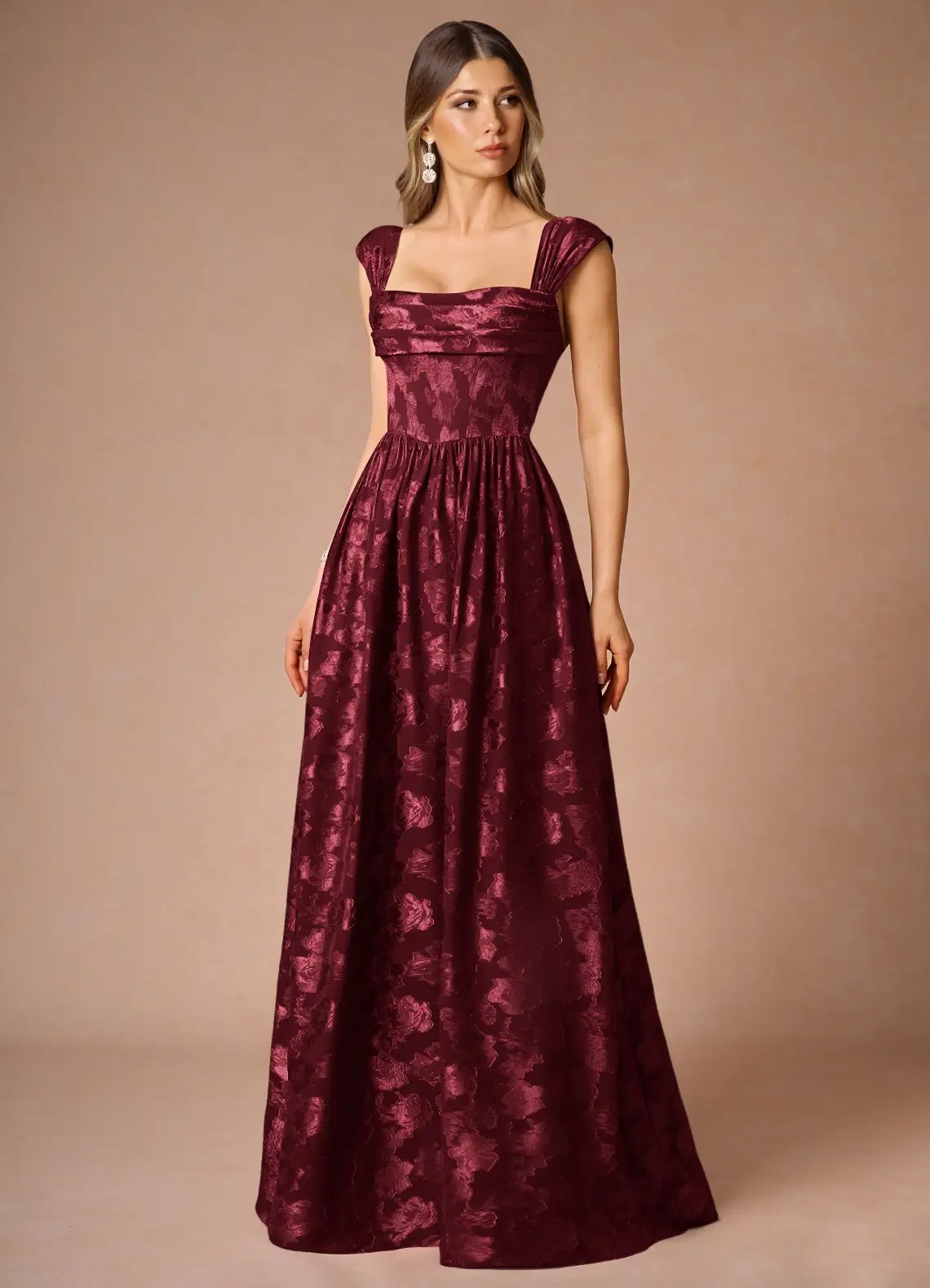
For formal weddings, wear floor-length gowns or elegant ankle-length dresses in luxe fabrics like satin, chiffon, or lace. Avoid white, ivory, cream, and the bridesmaid dress color. Choose heels rather than wedges or sandals, and go for darker fabrics for evening weddings while lighter colors work for daytime events.
Match your dress formality to the venue—ballrooms call for more elegant looks than garden settings. Plan to order your dress 2–3 months before the wedding to allow time for alterations.
Choosing the right formal dress for a wedding as a guest requires understanding dress codes, respecting color etiquette, and finding a style that flatters your figure while honoring the couple’s big day. Unlike everyday events, weddings have specific unwritten rules about what guests should and should not wear.
We cover dress code definitions, color rules, silhouette selection, fabric choices, seasonal considerations, and complete styling tips. By the end of this guide, you will know exactly what to wear and how to avoid common wedding guest fashion mistakes.
Understanding Wedding Dress Codes for Guests
Why Dress Codes Matter
The formal wedding dress code is a helpful hint from the couple about the overall vibe they are envisioning for their big day, setting the tone and creating a cohesive atmosphere for the celebration. Following dress code guidelines shows respect for the couple’s vision and helps you blend appropriately with other guests.
The Six Main Wedding Dress Code Categories
Wedding dress codes rank from most formal to least formal: White-Tie, Black-Tie, Black-Tie-Optional, Formal, Cocktail, and Semi-Formal or Casual. Each category has specific expectations for formality, fabric quality, dress length, and overall styling.
| Dress Code | Formality Level | Dress Length | Fabric Type | Example Styles |
| White-Tie | Most formal | Floor-length required | Silk, satin, luxe fabrics | Ball gowns, elegant evening gowns |
| Black-Tie | Very formal | Floor-length or elegant midi | Satin, velvet, structured fabrics | Evening gowns, formal jumpsuits |
| Black-Tie Optional | Formal to very formal | Floor to midi length | Satin, chiffon, quality fabrics | Long gowns or dressy cocktail dresses |
| Formal / Evening | Moderately formal | Midi to floor-length | Chiffon, crepe, structured fabrics | Elegant cocktail or long dresses |
| Cocktail / Semi-Formal | Smart dressy | Knee to midi length | Various dressy fabrics | Cocktail dresses, dressy separates |
| Dressy Casual | Relaxed elegant | Knee to midi length | Lighter, flowing fabrics | Sundresses, dressy jumpsuits |
White-Tie Attire: The Most Formal
White-Tie is the most formal dress code, requiring an elegant full-length evening dress or ball gown, and short dresses are totally unacceptable for White-Tie weddings. Accessories may include statement pearls or gems, a small feminine clutch, and long gloves are optional.
This dress code is rare and typically reserved for royal events, state dinners, or extremely formal celebrations. Think red carpet elegance and timeless sophistication.
What to wear:
- Floor-length ball gown or evening dress only
- Luxurious fabrics: silk, satin, taffeta, or high-quality lace
- Formal jewelry: pearls, diamonds, or statement gems
- Closed-toe formal heels
- Optional: Long gloves, elegant shawl
What to avoid:
- Any dress shorter than floor-length
- Casual fabrics like cotton or jersey
- Trendy or overly modern styles
- Casual shoes or sandals
Black-Tie Attire: Classic Formal Elegance
Black-tie typically indicates that the ceremony will be an evening event and requires men to wear tuxedos and women to wear elegant gowns, though women have freedom to trade floor-length gowns for pantsuits or particularly tasteful cocktail dresses.
Black-tie weddings are common for evening celebrations in elegant venues like hotels, ballrooms, country clubs, and formal gardens.
What to wear:
- Floor-length evening gown (preferred)
- Elegant midi or tea-length cocktail dress (acceptable)
- Formal pantsuit in luxe fabric
- Satin, velvet, or structured chiffon fabrics
- Formal heels or elegant dress shoes
What to avoid:
- Casual day dresses
- Overly trendy or revealing styles
- Casual fabrics
- Sandals or flat shoes
Black-Tie Optional: Flexible Formal
Black-Tie Optional gives guests more flexibility, where a floor-length gown is appropriate but a dressy cocktail dress would also be acceptable. Think of this as a fusion between black-tie and formal fashion, where you can wear a floor-length evening gown if you want, but a knee-length or midi cocktail dress would also be appropriate.
What to wear:
- Floor-length gown or elegant midi dress
- Formal cocktail dress (knee-length or longer)
- Dressy jumpsuit in formal fabric
- Quality fabrics with some structure
- Dressy heels
Deciding between options:
- The time of day can be helpful—evening weddings indicate more upscale attire, while early afternoon allows for less formal options
- Choose based on venue formality
- When in doubt, lean more formal
Formal / Evening Attire: Elegant Without Tuxedos
Formal attire is slightly less formal than black-tie with fewer specifications, where women can wear nicer cocktail dresses and elegant dresses or nice pantsuits are appropriate. This dress code falls somewhere between semi-formal and black-tie, offering a chance to dress up without going full-on formal.
What to wear:
- Elegant cocktail dress (knee to floor length)
- Formal evening gown
- Dressy jumpsuit or pantsuit
- Sophisticated separates
- Quality dressy fabrics
Length flexibility: Formal wedding guest dresses include both floor-grazing gowns and elegant ankle-length frocks, so pick the hemline you feel best in. This dress code offers the most flexibility while maintaining elegance.
Cocktail / Semi-Formal: Smart and Dressy
This is a popular choice for many weddings, offering a balance of elegance and comfort. Formal pantsuits, two-piece skirt sets, or cocktail dresses work well, but dress length should be just above the knee or longer.
What to wear:
- Cocktail dresses (knee-length or midi)
- Dressy skirts with elegant tops
- Formal pantsuits
- Dressy jumpsuits
- Tasteful separates
Time of day matters: Darker fabrics are appropriate for evening weddings, while lighter colors and fabrics are okay for daytime events.
Dressy Casual: Relaxed but Polished
Casual dress often indicates an outdoor affair, so consider weather while still erring on the dressier side—no shorts. Wedding guest attire does not ever really mean casual, so even casual means clean yourself up.
What to wear:
- Sundresses in quality fabrics
- Modest knee-length dresses
- Dressy separates
- Casual elegant jumpsuits
- Dressy sandals or wedges
What to avoid:
- No t-shirts, sneakers, cut-off shorts, jeans, or anything you would wear to exercise or sleep
- Overly casual fabrics
- Athletic wear or loungewear
Colors You Must Avoid as a Wedding Guest
The Absolute Rule: Never Wear White
DO NOT WEAR WHITE, ivory, off-white, or any version of white or cream to someone else’s wedding unless the couple specifically requests an all-white dress code. The only person who should be in a white dress is the bride.
Off-white shades to avoid:
- Ivory
- Cream
- Champagne
- Beige (very light shades)
- Ecru
- Pearl white
- Eggshell
- Bone
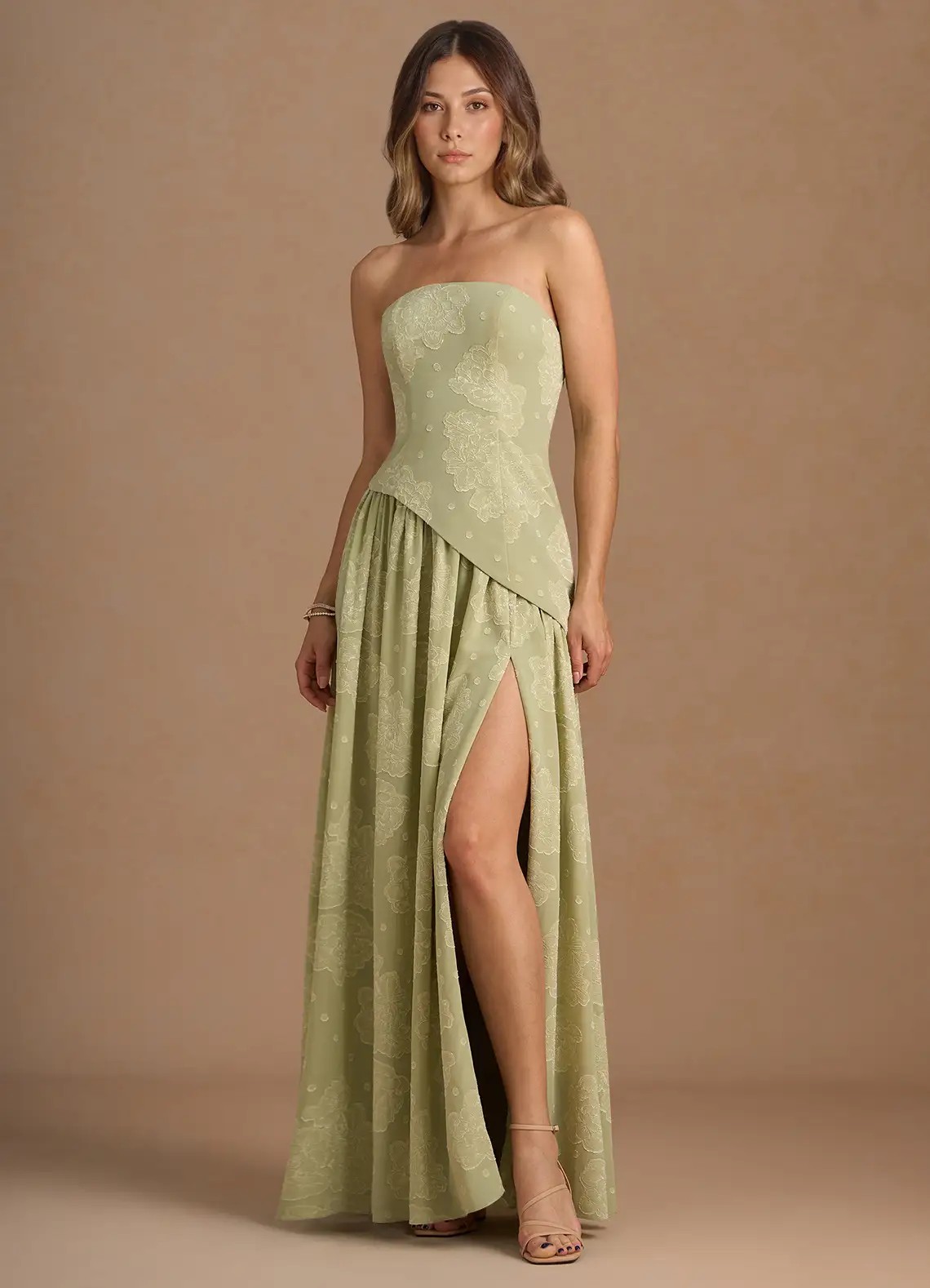
Avoid ultra-pale pinks and misty ice blues too, as even these shades can appear white in sheer fabrics. If you are considering a blush or pale mint look, try photographing the ensemble in sunlight—if it retains its pink or green hue, it is fine to wear.
Do Not Match the Bridesmaid Dresses
The wedding party should stand out on the big day, so it is best not to wear the color of the bridesmaid dresses. Wearing the same color as the bridal party can create confusion and make you look like an unintentional part of the wedding lineup.
How to avoid this mistake:
- Ask the bride or a wedding party member about colors
- Check the wedding website for color schemes
- If unsure, choose classic neutrals like navy or black
Avoid Overly Bright and Neon Colors
Guests should avoid glittery fabrics, allover sequins that sparkle like crazy, and metallic gold, silver, and rose gold hues, as these can draw a lot of attention when focus should be on the bride. Avoid overtly bright colors like shades of neon yellow, pink, orange, or green, as neons are the most conspicuous colors of all.
Colors that steal attention:
- Neon pink, yellow, orange, or green
- Electric blue
- Lime green
- Hot pink
- Bright red (especially in Western weddings)
Red: Proceed with Caution
Red is traditionally the bride’s color in Chinese weddings, so guests should avoid wearing it. In Western weddings, bright red can draw too much attention. However, deep burgundy or wine shades are generally acceptable.
Red guidelines:
- Avoid bright, fire-engine red
- Deep burgundy, maroon, and wine are acceptable
- Check cultural context of the wedding
- If unsure, choose another color
Gold and Champagne: Too Bridal
Champagne-hued and gold wedding dresses have become quite a trend, so it is recommended to avoid ensembles that are predominantly gold or champagne-colored. Even pale silver can feel bridal, so avoid this hue as well if possible.
Black: Context Matters
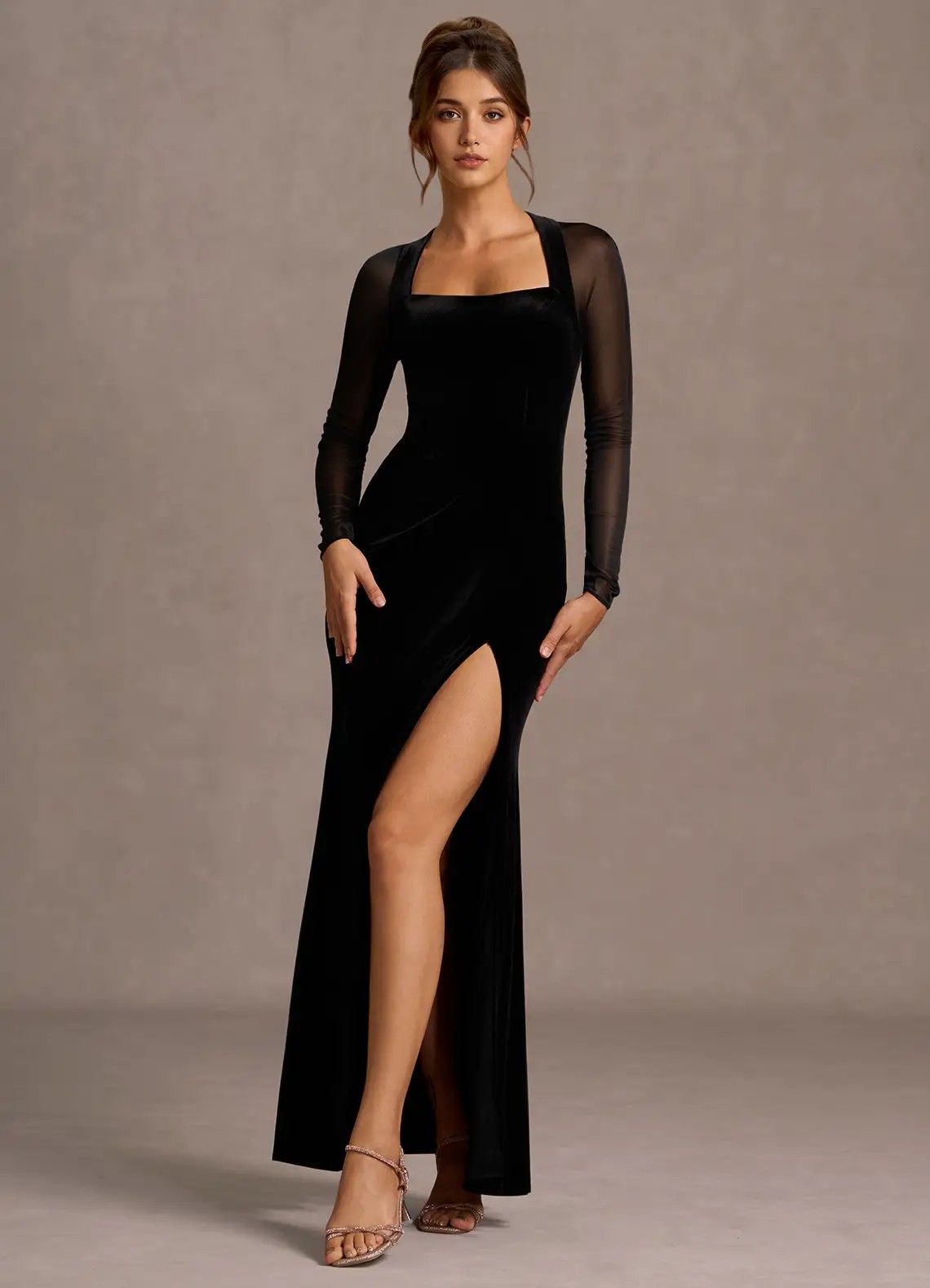
Traditionally black was considered too somber for weddings, but modern etiquette has relaxed considerably. Black is now widely accepted for formal and evening weddings, especially with colorful accessories.
When black works:
- Evening and formal weddings
- Fall and winter celebrations
- When styled with bright accessories
- Black-tie and formal dress codes
When to avoid black:
- Hindu weddings, where black is considered inauspicious and associated with negativity and misfortune
- Chinese weddings, where black symbolizes mourning
- Daytime spring and summer weddings
- Beach or garden celebrations
Cultural Color Considerations
In Hindu and Chinese weddings, white is linked to funerals and mourning, making it disrespectful to wear. In Indian weddings, avoid red, saffron, and bright yellow as these are often worn by the bride.
Cultural guidelines:
- Chinese weddings: Avoid white and black; red is the bride’s color
- Indian weddings: Avoid red, saffron, bright yellow; choose jewel tones
- Hindu weddings: Avoid black and white
- Western weddings: Avoid white and very pale colors
Safe and Stylish Color Choices for Wedding Guests
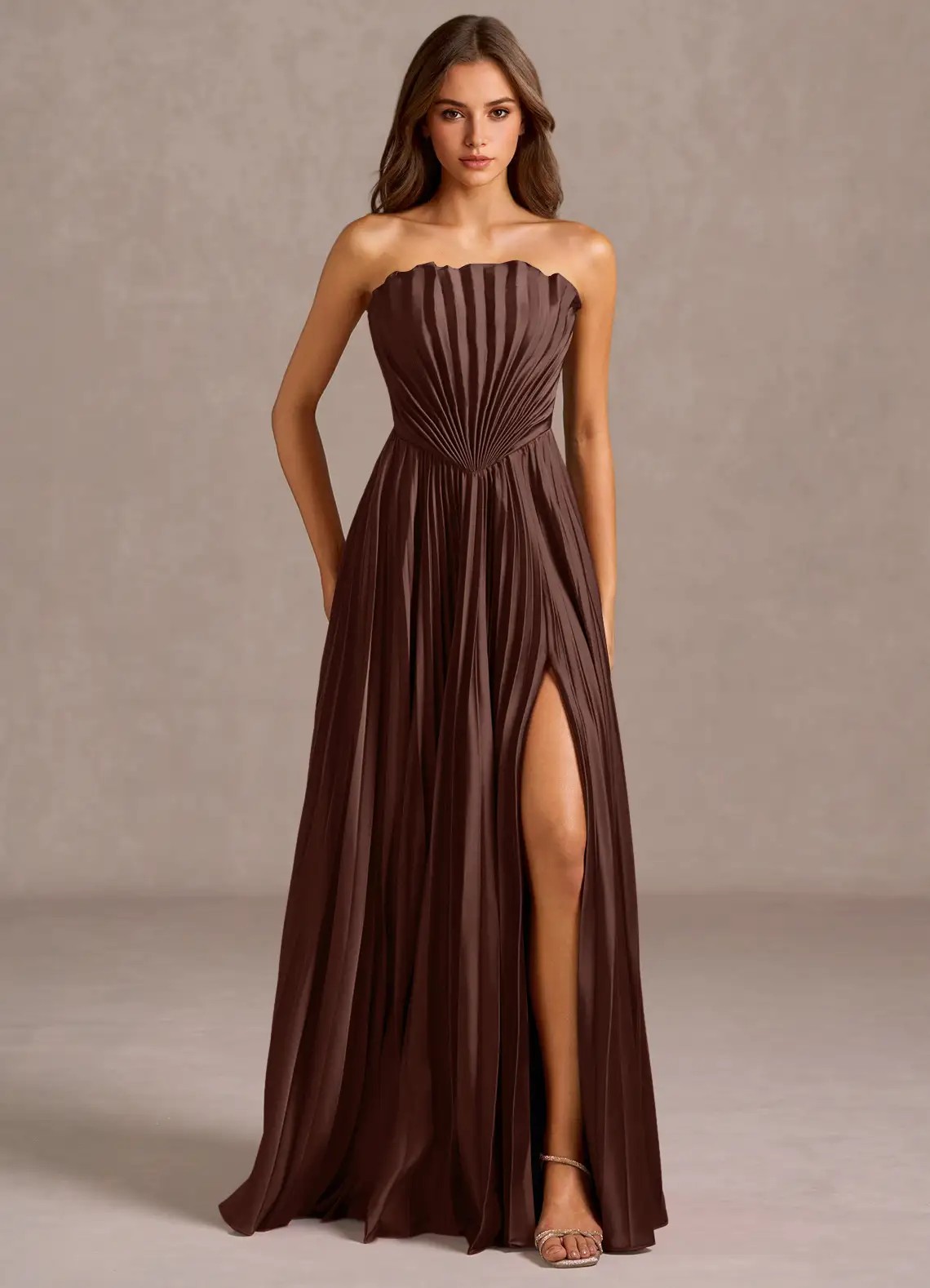
Universally Flattering Colors
Navy blue is universally flattering and appropriate, making it the ultimate safe choice that still looks elegant. These colors work for almost any wedding regardless of season or venue.
Always-appropriate colors:
- Navy blue: Classic, elegant, works with any skin tone
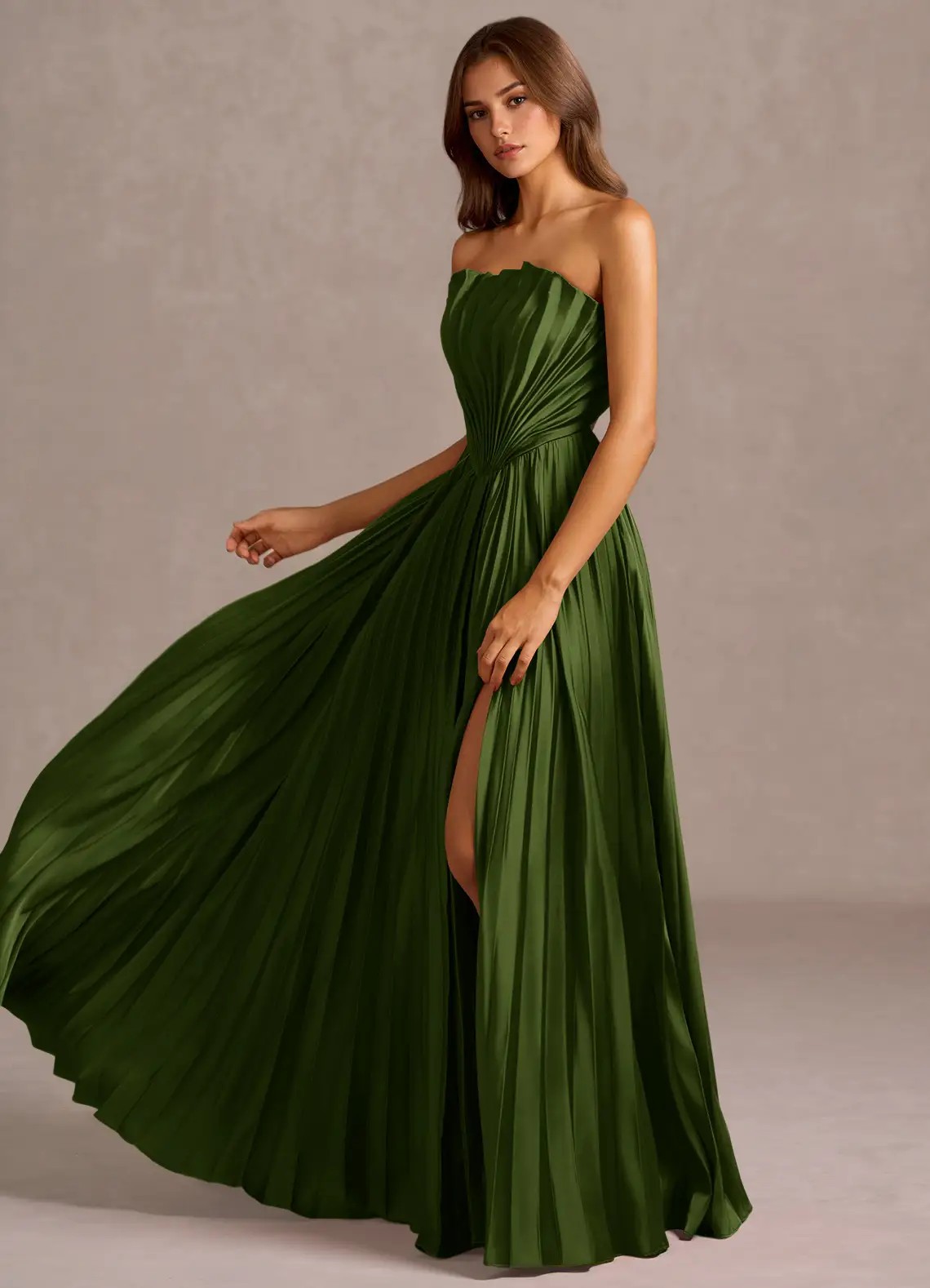
- Forest green: Rich and sophisticated
- Burgundy: Deep and elegant for fall and winter
- Emerald: Jewel tone that photographs well
- Deep purple: Regal and formal
- Charcoal gray: Neutral and elegant
Seasonal Color Recommendations
| Season | Recommended Colors | Fabrics to Choose | Avoid |
| Spring | Pastels, light blues, soft pinks, mint, lavender | Chiffon, light silk, cotton blends | Heavy fabrics, dark colors |
| Summer | Coral, turquoise, yellow, bright florals | Lightweight fabrics, breathable materials | Heavy velvets, dark colors |
| Fall | Burgundy, navy, forest green, rust, brown | Satin, velvet, structured fabrics | Ultra-light pastels |
| Winter | Red, green, navy, burgundy, metallics | Velvet, satin, taffeta, heavier fabrics | Very light colors |
For cooler months, lean into rich earthy tones like burgundy, navy, browns and hunter greens, embracing winter fabrics like velvet, satin and taffeta.
Patterns and Prints
Black and white is great as long as it keeps with the formality noted on the invitation, but avoid patterns with a white or ivory ground. As long as white is minimal, all-over patterns that include white are acceptable.
Pattern guidelines:
- Floral prints work well for spring and summer
- Geometric patterns suit modern weddings
- Avoid patterns with mostly white background
- Bold prints should still feel elegant, not casual
Choosing the Right Dress Silhouette for Your Body Type
Understanding Dress Silhouettes
Different dress shapes flatter different body types. Choose a silhouette that makes you feel confident and comfortable for all-day wear.
| Silhouette | Best For | Benefits | Formal Dress Examples |
| A-Line | All body types | Flatters waist, comfortable, easy to move | Floor-length gowns, midi cocktail dresses |
| Sheath | Straight or athletic builds | Sleek, elegant, sophisticated | Column gowns, fitted cocktail dresses |
| Fit-and-Flare | Hourglass figures | Defines waist, shows curves | Cocktail dresses, midi gowns |
| Empire Waist | Pear shapes, tall figures | Elongates legs, comfortable | Flowing maxi dresses, Grecian gowns |
| Ball Gown | Formal occasions, all types | Dramatic, hides lower body | Full-length formal gowns |
| Mermaid | Hourglass figures | Shows curves, very formal | Fitted formal gowns |
| Wrap | Curvy figures, all types | Adjustable fit, flattering | Midi and maxi wrap dresses |
Neckline Selection
Your neckline affects how formal your dress appears and which features it highlights.
Formal necklines:
- V-neck: Elongates neck, flattering for most figures
- Sweetheart: Romantic, highlights bust
- Off-shoulder: Elegant, shows shoulders
- Halter: Formal, elongates torso
- Square: Modern, architectural
- One-shoulder: Dramatic, asymmetrical elegance
Avoid for formal weddings:
- Deep plunging necklines (too revealing)
- Very high crew necks (too casual)
- Extreme cutouts (inappropriate)
Sleeve Options
For cooler months, try a long-sleeved dress as a great way to stay warm and look super chic, while a one-shoulder or sleeveless dress is still appropriate if fabric and color reflect the season.
Sleeve styles for formal events:
- Sleeveless: Classic and elegant
- Cap sleeves: Modest and pretty
- Three-quarter sleeves: Sophisticated
- Long sleeves: Elegant for fall and winter
- Flutter sleeves: Romantic and feminine
- One-shoulder: Dramatic and modern
Fabric Matters: Choosing Quality Materials
Why Fabric Quality Defines Formality
One of the most important elements of formal wedding attire is the material—even the most gorgeous silhouette feels less formal if made from casual fabrics like cotton or knit.
Most Formal Fabrics
The most formal fabrics are taffeta, satin, lace, silk, and chiffon, while manufactured fibers like high-quality rayon and polyester blends can mimic these materials if on a budget.
| Fabric | Formality Level | Best For | Season | Care Level |
| Silk / Satin | Very formal | Evening gowns, structured dresses | All seasons | Dry clean |
| Velvet | Very formal | Fall and winter weddings | Fall, winter | Dry clean |
| Chiffon | Formal | Flowing gowns, layered dresses | Spring, summer | Dry clean |
| Lace | Formal | Overlay dresses, elegant cocktail dresses | All seasons | Dry clean |
| Taffeta | Very formal | Structured gowns, ball gowns | Fall, winter | Dry clean |
| Crepe | Formal | Sheath dresses, elegant styles | All seasons | Dry clean |
| Stretch Satin | Moderately formal | Fitted dresses, comfortable gowns | All seasons | Machine wash |
| Mesh / Tulle | Formal | Overlays, romantic styles | Spring, summer | Hand wash |
Fabrics to Avoid for Formal Weddings
Fabrics with rough textures tend to look more casual—cotton, linen and knitwear are difficult to pass off as formal regardless of the style. While cotton and linen are great for summer, this is NOT the time to wear a cotton dress when the dress code requires formal fabrics.
Avoid these materials:
- Cotton (too casual)
- Linen (too casual and wrinkles easily)
- Jersey knit (too casual)
- Denim (never appropriate)
- Fleece or athletic materials
- Cheap polyester that looks shiny or stiff
Venue Considerations: Matching Your Dress to Location
Why Venue Matters
The location of the wedding can offer valuable clues about appropriate attire—a wedding in a grand ballroom will likely be more formal than a celebration on the beach or in a rustic barn.
Ballroom and Hotel Weddings
Venue characteristics:
- Indoor, climate-controlled
- Formal atmosphere
- Elegant lighting
- Usually evening events
What to wear:
- Floor-length gowns
- Luxe fabrics: satin, velvet, silk
- Elegant heels
- Structured, formal silhouettes
- Rich, jewel-tone colors
Garden and Outdoor Weddings
Venue characteristics:
- Outdoor setting
- Natural surroundings
- Potentially uneven ground
- Weather-dependent
What to wear:
- Midi to floor-length dresses
- Flowing fabrics: chiffon, soft tulle
- Wedges or block heels (easier on grass)
- Florals and nature-inspired colors
- Breathable fabrics
Practical tips:
- Bring a wrap or shawl for temperature changes
- Choose shoes that work on grass
- Consider weather and have a backup plan
Beach Weddings
Venue characteristics:
- Sand and uneven surfaces
- Often windy
- Typically more casual
- Hot weather
What to wear:
- Flowing midi or maxi dresses
- Lightweight fabrics
- Bright or pastel colors
- Flat sandals or wedges
- Avoid heavy fabrics and restrictive styles
Vineyard and Rustic Weddings
Venue characteristics:
- Semi-formal atmosphere
- Natural, romantic setting
- Potentially uneven terrain
What to wear:
- Midi cocktail dresses or flowing maxi
- Romantic fabrics: lace, chiffon
- Earth tones, wine colors, florals
- Block heels or elegant flats
- Bohemian-elegant styles
Religious Venue Considerations
If the ceremony will be at a church or religious center, definitely forego any casual attire and choose a semi-formal outfit.
Modest guidelines for religious ceremonies:
- Cover shoulders (bring a shawl if needed)
- Knee-length minimum for skirts and dresses
- Avoid plunging necklines
- No bare midriffs or cutouts
- Conservative styling
Special Considerations
Plus-Size Formal Dresses
Azazie offers sizes US 00–US 30, ensuring formal dresses for all body types. Every garment is designed to be inclusive and flattering.
Flattering silhouettes for curvy figures:
- A-line: Defines waist without clinging
- Empire waist: Elongates figure
- Fit-and-flare: Shows curves beautifully
- Wrap styles: Adjustable and flattering
Styling tips:
- Choose structured fabrics with some stretch
- Empire and A-line silhouettes are universally flattering
- V-necklines elongate
- Avoid overly clingy fabrics if uncomfortable
Maternity Formal Dresses
Choose empire waist or A-line styles that accommodate your changing body comfortably.
Maternity shopping tips:
- Order 4–6 weeks before the event
- Choose flowing, non-restrictive styles
- Empire waist is most comfortable
- Stretchy fabrics accommodate growth
- Size up if between sizes
Petite Formal Dresses
For those under 5’2″, pay attention to dress length and proportions.
Petite shopping tips:
- Look for petite-length options
- Midi dresses often work as maxi on petite frames
- Budget for hemming
- Avoid overwhelming volume
- Choose shorter sleeves to elongate arms
Conclusion: Choosing the Perfect Formal Wedding Guest Dress
Selecting the right formal wedding guest dresses for a wedding ultimately comes down to honoring the couple’s dress code, choosing colors and fabrics that suit the occasion, and finding a silhouette that makes you feel confident and elegant.
By understanding wedding attire etiquette—from avoiding bridal colors to matching the event’s level of formality—you can ensure your look is both appropriate and stylish. Consider the venue, season, and cultural traditions, and opt for quality fabrics that elevate your outfit.
With thoughtful planning and a dress that complements your body type, you’ll be perfectly prepared to celebrate the couple’s special day with grace, comfort, and impeccable style.
Frequently Asked Questions
Can I wear black to a wedding?
Yes, black is now widely accepted for formal or evening weddings, especially in fall or winter. Pair with colorful or metallic accessories to avoid a somber look. Avoid black at Hindu or Chinese weddings unless culturally appropriate.
Is it okay to wear red as a guest?
Bright red is generally best avoided in Western weddings, as it can draw attention from the bride. Deep burgundy, wine, or maroon are safe alternatives. In some cultures, like Chinese weddings, red is reserved for the bride.
How do I choose between a midi and floor-length dress?
Check the wedding dress code and time of day. Floor-length gowns are appropriate for black-tie and formal weddings, while midi dresses work for semi-formal or daytime events. Consider your height and comfort level, especially for dancing or walking.
What fabrics are best for formal wedding guest dresses?
Luxe fabrics like silk, satin, chiffon, taffeta, lace, and velvet create a polished look. Avoid casual fabrics like cotton, linen, jersey, or cheap polyester. Choose breathable fabrics for outdoor or summer weddings.
Can I wear a patterned or floral dress?
Yes, but avoid patterns with mostly white or overly bright colors that may compete with the bride’s look. Florals are perfect for spring and summer, while subtle geometric or elegant prints work year-round.
What accessories complement a formal wedding guest dress?
Pair statement earrings or necklaces with simpler dresses. For bold-colored gowns, choose neutral or metallic shoes and clutches. Avoid flashy jewelry that competes with the couple’s attention. Consider wraps or shawls for modesty or cooler weather.
How should I dress for outdoor weddings?
Choose flowing fabrics, midi to maxi lengths, and shoes suitable for grass, sand, or uneven terrain (wedge heels, block heels, or elegant flats). Bring a light shawl for temperature changes.
Are jumpsuits appropriate for weddings?
Yes, formal jumpsuits in luxe fabrics like satin or crepe are acceptable for black-tie optional, formal, or cocktail weddings. Choose structured or flowing designs and pair with heels and elegant accessories.
How early should I order my dress?
Plan 2–3 months before the wedding to allow time for shipping, alterations, and fittings. For custom or sample orders, allow extra time to ensure the perfect fit.
How do I choose a dress for my body type?
- Pear-shaped: A-line or empire waist dresses balance proportions.
- Hourglass: Fit-and-flare or mermaid dresses highlight curves.
- Apple-shaped: Empire waist or flowing dresses create a flattering line.
- Rectangle: Wrap or fit-and-flare dresses add curves.
- Petite: Sheath, column, or empire styles elongate the frame.
- Plus-size: A-line, fit-and-flare, or wrap styles flatter curves comfortably.