
How do I photograph a formal dress for social media?
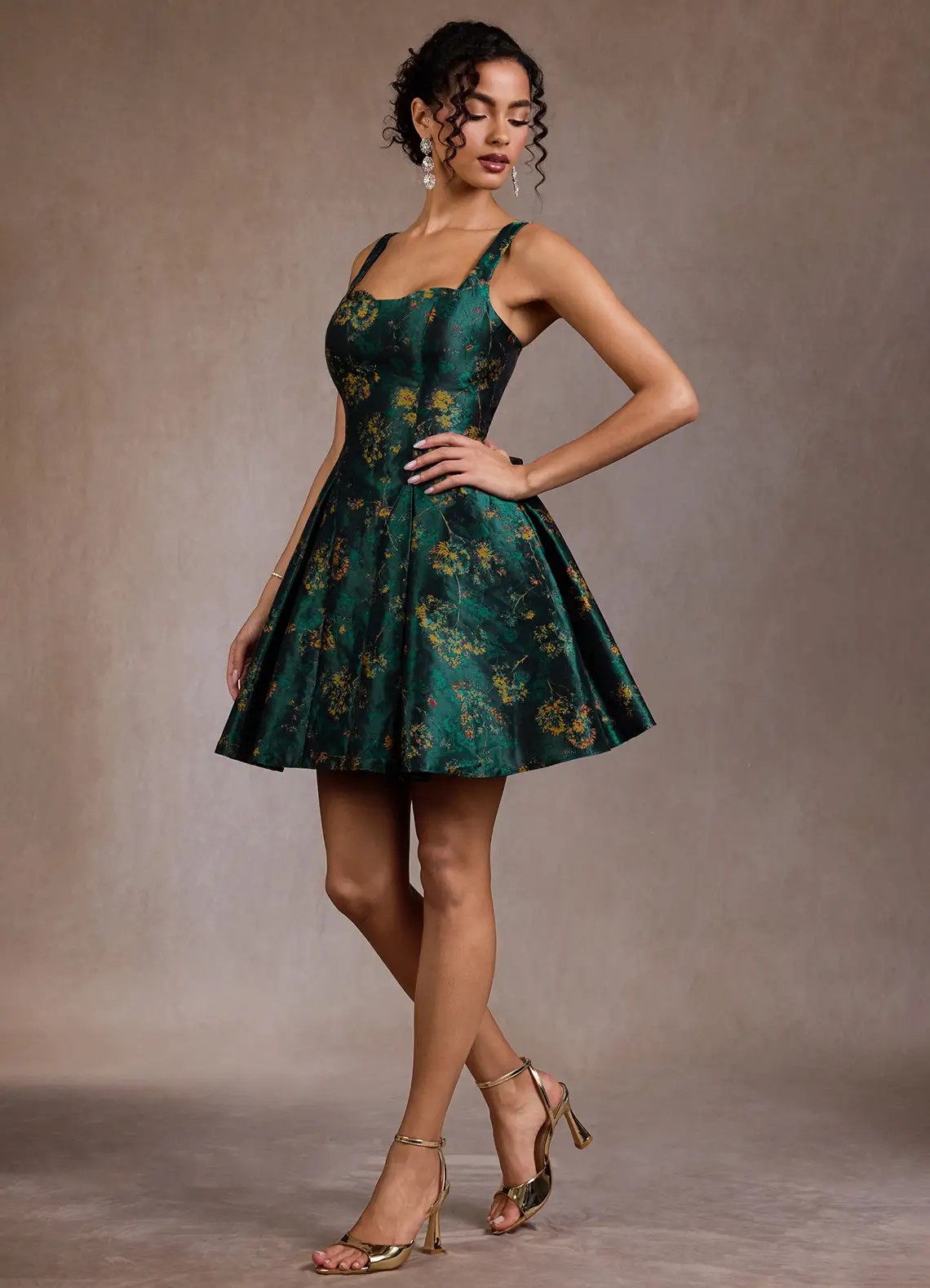
Photographing a formal dress for social media is both an art and a strategy. The goal is to capture the dress in a way that highlights the fabric, shape, details, fit, and movement. A great dress—such as those from the Azazie deserves photos that show why it’s elegant, flattering, and event-ready.
Whether you’re shooting for Instagram, TikTok, Pinterest, or even a brand reel, the fundamentals remain the same.You need lighting that flatters, angles that elongate, backgrounds that enhance, poses that feel natural, and styling choices that don’t distract from the dress.
The good news is: you don’t need a professional photo studio. With the right setup, smartphone or DSLR, thoughtful details, and some editing, you can produce high-end, scroll-stopping content. This guide breaks down everything you need—lighting, locations, composition, camera settings, posing, props, editing, and more.
Understand Your Goal: What Are You Showcasing?
Before you shoot, define the focus:
- The silhouette?
- The fabric texture?
- The movement?
- The fit?
- The details (neckline, embroidery, hem shape)?
- The full outfit styling?
Ask yourself four questions:
- Who will see the photo?
- What platform am I posting on?
- What emotion should the photo give (luxury, soft, celebratory, elegant)?
- What element of the dress needs to shine most?
These answers determine lighting style, angles, editing tone, and poses.
Choose the Best Lighting for Formal Dresses
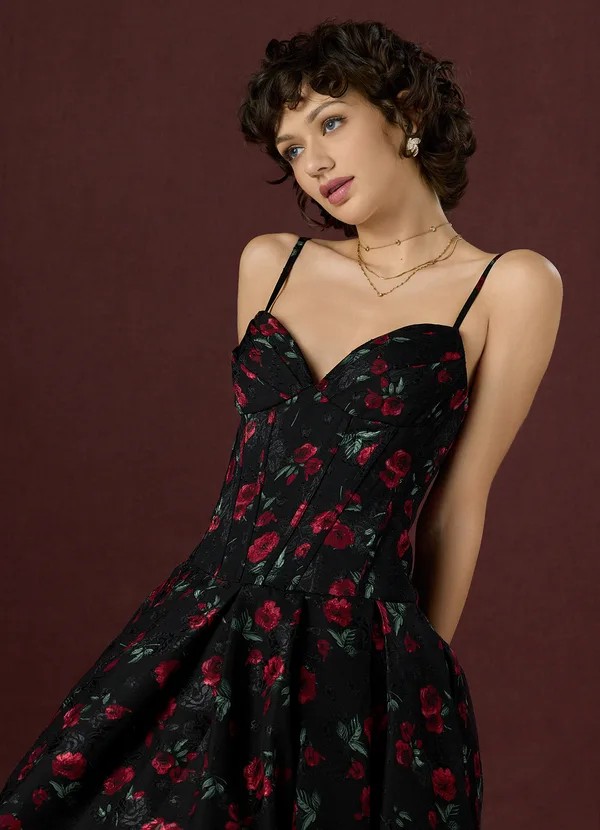
Lighting makes or breaks dress photography.
Formal dresses often feature textures, draping, pleats, ruching, or layered fabrics.
Lighting must highlight these elements clearly without flattening them.
Use natural, soft lighting whenever possible.
Best lighting options
- Natural window light (indoor, indirect sunlight)
- Golden hour (warm, flattering, perfect for soft glam)
- Bright shade outdoors (even light, minimal shadows)
- Continuous LED lights with soft diffusers
Avoid
- Overhead office lights
- Harsh direct sunlight
- Fluorescent lighting
- Strong backlighting without a reflector
Lighting positioning tips
- Keep the main light source at a 45-degree angle to the body.
- Add a white reflector opposite the light to soften shadows.
- Never stand with the main light directly behind you unless making a silhouette shot.
- If indoors, avoid standing too close to the window—step back slightly for softer shadows.
Set Up the Background for a Clean, Elegant Look
The background should complement the dress—not compete with it.
Your backdrop sets the tone for your brand and the mood of the post.
Simple is usually best, especially for formal dresses.
Avoid clutter, bright distractions, or patterns that compete with the fabric.
Best backgrounds
- Solid walls (white, beige, gray, textured plaster)
- Minimalist rooms (neutral furniture, large windows)
- Classic architectural spaces (staircases, hallways, stone walls)
- Gardens or courtyards with muted surroundings
- Hotel lobbies or ballrooms with soft lighting
If shooting at home
- Use curtains or a smooth wall.
- Keep the floor tidy.
- Remove extra objects from view.
- Add a clean mirror for perspective shots.
Outdoor background mistakes
- Busy streets
- Too many colors
- Large groups of people
- Messy greenery
- Overexposed sky
Highlight the Dress’s Best Features (Fabric, Fit, Design)
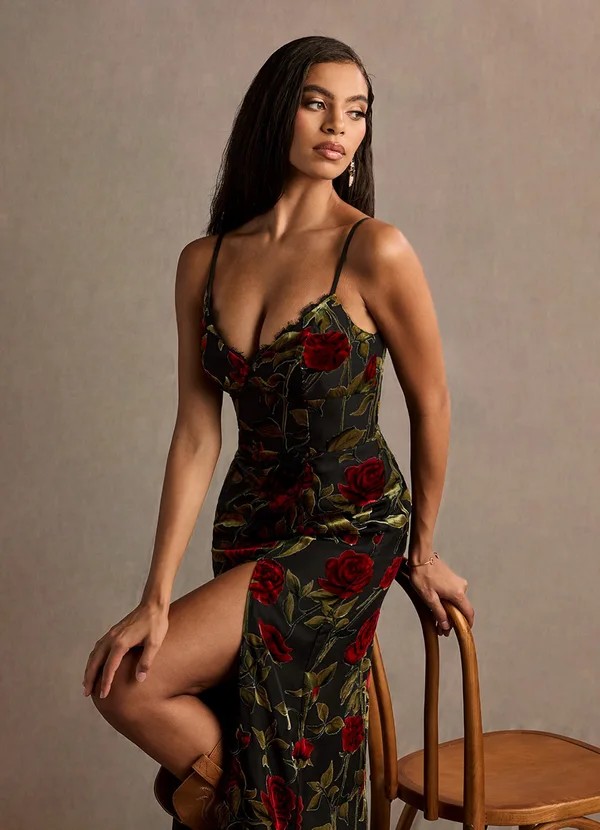
Formal dresses rely heavily on their materials and structure.
The fabric—from chiffon to satin to crepe—needs correct lighting to shine.
Movement, drape and shape must appear clearly in the photo.
Plan shots specifically to highlight these elements.
Fabric-enhancing shots
- Close-up on texture (pleats, lace, beading, satin shine).
- “Twirl shot” for chiffon or layered designs.
- Hand-on-hip pose to show waist fit.
- Step-forward shot for column or sheath dresses.
Detail shots to capture
- Neckline
- Sleeves
- Embellishment
- Back details (zippers, buttons, straps)
- Hem shape
- Slit or side drape
Use Angles That Flatter and Elongate
The wrong angle can distort the dress.
The right angle elongates the body and emphasizes the silhouette.
Formal dresses often require full-body shots to appreciate the cut.
Use angles that create height and elegance.
Best angles
- Slightly above waist height for full body
- Lower angle for height (not too low)
- Side angles to show drape and movement
- 3/4 angle to show both front and shape
- Straight-on for simple editorial look
Avoid
- Ultra-high angles
- Very low angles (distortion)
- Too close for full dresses
- Tilted horizons
Posing Techniques That Enhance Dresses
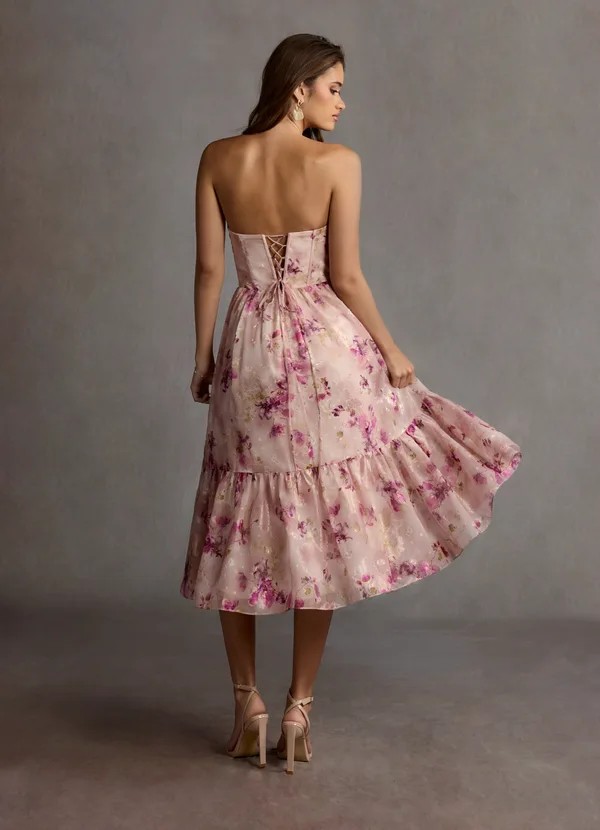
Posing changes how the dress sits, drapes, or moves.
Formal dresses look best in gentle, elegant poses—not stiff ones.
Movement is key for social media because it feels real and dynamic.
Use poses that bring out the dress’s structure.
Poses that work for most formal dresses
- One foot slightly forward (elongates legs).
- Soft S-curve with relaxed shoulders.
- Looking over shoulder for back details.
- Holding the skirt gently to show movement.
- Twirl or half-turn to show fabric flow.
- Leaning slightly toward the camera for depth.
Hand placement ideas
- On the hip (creates shape).
- Lightly touching the waistline.
- Adjusting strap or earring (natural movement).
- Holding the clutch at the side (straight lines).
Composition Rules for High-End Social Media Shots
The arrangement of elements in your frame matters.
Good composition makes photos look professional—even shot on a phone.
The goal is clean visual flow that highlights the dress first.
Composition rules
- Rule of thirds: place subject slightly left/right.
- Leading lines: stairs, hallways, railings guide the eye.
- Symmetry: center the subject in architectural spaces.
- Depth: foreground → subject → background layers.
- Framing: door frames or arches naturally frame the dress.
Cropping guidelines
- Don’t crop at joints (knees, elbows).
- Avoid cutting off the hem unless planned.
- Keep headroom balanced—not too tight or too loose.
Shoot Both Vertical & Horizontal Formats
Different social platforms require different formats.
Shooting both will save time later during posting.
Vertical works best for Instagram Stories, Reels, TikTok, and Pinterest.
Horizontal works for Facebook, web banners, and blog posts.
Pro tip:
Take extra wide shots so you can crop comfortably for each platform.
Capture Multiple Shot Types for Variety
A complete shoot should include:
- Full-body shots
- Half-body portraits
- Detail close-ups
- Movement shots
- Behind-the-scenes moments
- Accessories and styling
Shot categories
- Hero shot: full-body, best pose
2. Movement shot: walk, twirl, spin
3. Texture shot: fabric close-up
4. Detail shot: zipper, neckline, embellishment
5. Styling shot: shoes, bag, jewelry
6. Editorial shot: dramatic lighting or artistic pose
This variety helps you create weeks of content from one outfit.
Use Props That Support (Not Distract)
Props help create storytelling for social media.
But for formal dresses, use minimal, elegant props.
The dress should remain the main focus.
Only add props that match the aesthetic of your shoot.
Helpful props
- Clutch or handbag
- Flowers or small bouquet
- Stairs railing
- Champagne glass (for event-themed shoots)
- Mirror
- Shawl or wrap
Avoid
- Large bags
- Distracting colors
- Random home items (mugs, cords, clutter)
Editing Tools & Post-Processing Tips
Editing helps refine colors, lighting, and clarity.
Aim for natural enhancement—not plastic skin or artificial colors.
Good editing brings out fabric detail, removes shadows, and increases polish.
Keep edits consistent for brand identity.
Use these apps
- Lightroom Mobile
- VSCO
- Snapseed
- Teal & orange filters (sparingly)
- Facetune (ONLY for smoothing background, not face/body)
Editing tips
- Increase brightness +10 to +20
- Adjust contrast slightly
- Sharpen fabric detail
- Fix white balance for true color
- Remove clutter in background
- Keep skin texture natural
- Do not alter the dress shape
Table: Checklist for Photographing a Formal Dress
| Category | What to Do | Why It Matters |
| Lighting | Use natural soft light | Highlights fabric + avoids shadows |
| Background | Keep clean and neutral | Dress becomes main focus |
| Angles | Shoot slightly above waist height | Flattering + proportional |
| Movement | Include walking or spinning | Shows drape and texture |
| Composition | Use rule of thirds + symmetry | Professional look |
| Outfits | Steam dress before shoot | No wrinkles = polished |
| Editing | Keep natural, enhance details | High-end finish |
| Platform format | Shoot vertical + horizontal | Multi-platform use |
How to Photograph the Dress Alone (Flat Lay or Hanging)
Not every post needs a model.
Photographing the dress alone can look editorial and luxurious.
This is perfect for product-style social posts.
Hanging shot tips
- Use a padded hanger
- Hang against a neutral wall
- Create soft lighting (window light)
- Smooth wrinkles
- Capture full length straight on
Flat lay tips
- Lay dress on warm wood or clean fabric
- Spread skirt gently for shape
- Add accessories around it
- Shoot from above for symmetry
- Avoid harsh shadows
Tips for Photographing Dark or Shiny Fabrics
Formal dresses often come in satin, velvet, sequins, or deep colors.
These fabrics require special care in photography.
Shiny or dark surfaces can create hotspots, shadows, or color distortion.
Use controlled lighting and careful angles.
For dark dresses
- Increase ambient light
- Avoid underexposure
- Use reflectors to lift shadows
- Edit highlights carefully
For shiny fabrics
- Avoid direct light spots
- Use diffused light
- Adjust angle to avoid glare
- Increase clarity to show texture
Tips for Photographing Dresses from the Azazie Atelier Collection
The Atelier collection features clean silhouettes, premium fabrics, modern cuts.
These look especially good with elegant, minimalistic photography.
Use the following guidelines:
- Prioritize close-ups of fabric texture (crepe, satin, chiffon).
- Capture full-body to show thoughtful tailoring.
- Use architectural backgrounds for contrast.
- Avoid distracting props; keep styling refined.
- Highlight waist, neckline, bodice, and hem movement.
Prepare the Dress Before Shooting
Preparation ensures the dress looks crisp and luxurious.
Don’t skip this step—it dramatically improves the final photos.
Professional photos start long before you pick up the camera.
Proper prep shows respect for the garment and enhances aesthetics.
Pre-shoot checklist
- Steam or iron the dress
- Remove lint or dust
- Check for uneven hems
- Smooth wrinkles
- Secure straps
- Test how the skirt moves
- Check zipper and closure
- Bring fashion tape for neckline security
Pose Library (Use These for Perfect Instagram Shots)
Elegant standing poses
- One foot forward, torso angled
- Relaxed shoulders, long neck
- Soft hand on waist
- Slight lean forward
Movement poses
- Walk naturally toward camera
- Twirl with slow movement
- Sweep skirt outward
- Flip hair gently
Detail poses
- Hand adjusting earring
- Looking down softly
- Showing neckline or sleeve embroidery
- Holding clutch at hip
Shoot Multiple Outfits for Consistency
If you’re photographing one dress for a brand or content calendar:
- Capture multiple angles
- Change accessories
- Move locations slightly
- Shoot indoors + outdoors
- Get variations in mood
This increases content lifespan dramatically.
Mistakes to Avoid When Photographing Formal Dresses
- Shooting with wrinkles visible
- Letting background overpower dress
- Standing in harsh sun
- Relying only on front-facing camera
- Over-editing skin or fabric
- Shooting too close (distorts proportions)
Final Thoughts
Photographing a formal dress for social media is about showing elegance, detail, and movement with intentional visual storytelling. When you understand lighting, composition, posing, and styling, you can showcase the dress beautifully—even with simple equipment.
Whether you’re promoting a look from the Azazie formal dresses collection, sharing your event outfit, or shooting content for brand partnerships, the techniques in this guide ensure your photos look polished and professional.
Frequently Asked Questions
What is the best time of day to photograph a formal dress?
Golden hour or bright shade mid-morning. These times create the softest tones and help fabric glow. They reduce harsh shadows and blown-out highlights. Perfect for satin, chiffon, and crepe.
Do I need a professional camera?
A smartphone with good lighting is enough. Modern phones capture detail and dynamic range well. Use portrait mode sparingly—don’t blur the dress. Good light matters more than expensive equipment.
Should I use flash?
Avoid direct flash unless you know how to diffuse it. Flash can blow out fabric texture.
If flash is needed, point it upward for bounce. Better to use natural light.
How many photos should I take?
Take 200–400 images for one look. You’ll only use 5–10 final shots. More options = better results. Evaluate images in batches.
Should I film videos too?
Yes—movement videos perform extremely well on social media. Show twirls, walking shots, fabric movement, and behind-the-scenes. Short 5–8 second clips are ideal for Reels and TikTok.
Video helps show true color and drape.
How do I make a dark or shiny dress photograph well?
Use diffused lighting to avoid glare and hotspots. Increase ambient light for dark fabrics and use reflectors to lift shadows. Adjust angles to highlight texture without overexposing.
Should I photograph the dress on a model or flat lay/hanging?
Both work. Model shots show movement, fit, and silhouette, while flat lay or hanging shots highlight fabric, details, and styling for a clean, editorial look. Combine both for social media variety.
How do I pose to showcase fabric movement?
Use gentle twirls, step-forward movements, or lightly hold the skirt. Lean or pivot slowly to show drape and flow, especially with chiffon, tulle, or layered skirts.
What backgrounds work best for formal dress photos?
Keep backgrounds simple and neutral to highlight the dress. Solid walls, minimalist rooms, muted gardens, architectural staircases, or hotel ballrooms work best. Avoid clutter, bright distractions, and busy streets.
How do I ensure my photos work across social media platforms?
Shoot both vertical and horizontal formats. Vertical for Reels, Stories, TikTok, Pinterest; horizontal for Instagram feed, Facebook, blogs. Capture extra-wide shots so you can crop without losing dress details.