
How Do I Know What Size to Order for a Bridesmaid Dress?
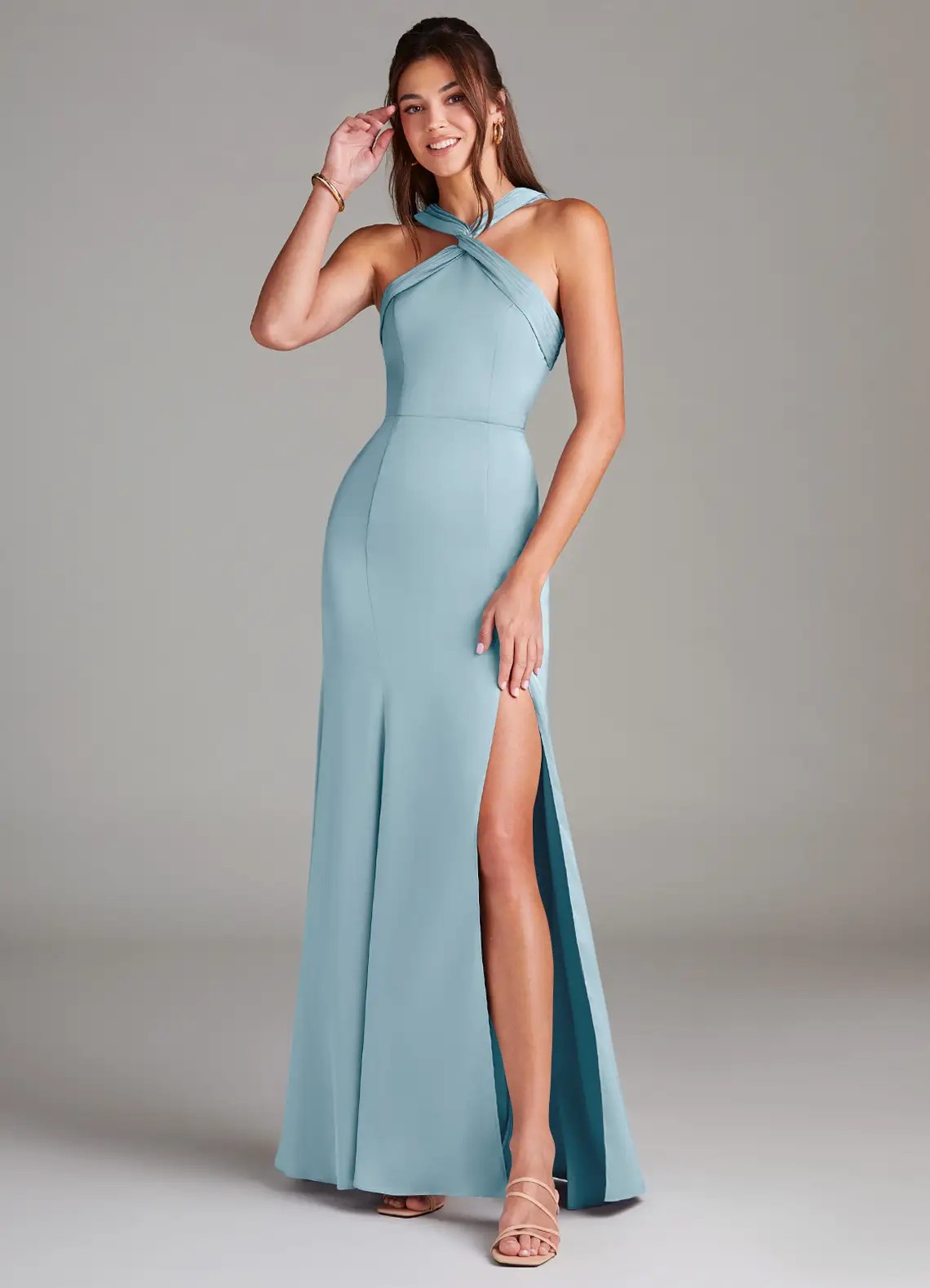
Measure your bust, waist, and hips in inches and compare to the brand’s size chart. Order the size that fits your largest measurement.
If between sizes, order the larger size for easier alterations. Bridesmaid dresses run smaller than street clothing by 1–2 sizes.
Order standard sizes unless you need custom sizing. Standard sizes can be altered and returned, while custom sizes cannot.
Bridesmaid Dress Sizing Quick Reference Guide
| Measurement | How to Measure | Common Mistakes | Best Practice | Tools Needed |
| Bust | Around fullest part | Measuring over clothing | Wear strapless bra | Soft tape measure |
| Waist | Natural waistline | Measuring too tight | Breathe normally | Soft tape measure |
| Hips | Fullest part of hips | Standing unevenly | Stand straight | Soft tape measure |
| Hollow-to-hem | Collarbone to floor | Not wearing heels | Wear wedding shoes | Soft tape measure |
| Height | Top of head to floor | No shoes | Stand barefoot first | Wall and tape |
This table shows the five essential measurements for bridesmaid dresses. Take all measurements while standing straight in undergarments only.
Understanding Bridesmaid Dress Sizing vs Street Sizing
Bridesmaid dress sizing differs significantly from regular clothing. Understanding this prevents ordering the wrong size.
Why Bridesmaid Sizes Run Smaller
Key Differences:
- Bridesmaid dress size 8 = Street size 4–6
- Bridesmaid dress size 12 = Street size 8–10
- Bridesmaid dress size 16 = Street size 12–14
- Bridesmaid dresses use formal sizing standards
- Designed for structured, fitted wear
- Based on body measurements, not vanity sizing
Street Clothing vs Formal Dress Sizing:
| Your Street Size | Typical Bridesmaid Size | Size Difference | Why This Matters |
| 0–2 | 2–4 | 2 sizes up | Formal sizing is stricter |
| 4–6 | 6–8 | 2 sizes up | No vanity sizing |
| 8–10 | 10–12 | 2 sizes up | Based on measurements |
| 12–14 | 14–16 | 2 sizes up | More fitted construction |
| 16–18 | 18–20 | 2 sizes up | Standard across brands |
| 20+ | 22+ | 2 sizes up | Measurement-based only |
Why This Happens:
- Street brands use vanity sizing
- Formal wear uses actual measurements
- Bridesmaid dresses fit more closely
- Built-in structure requires precision
- Industry standard since 1950s
- No flexibility for loose fit
What This Means for You:
Do not order your usual clothing size. Always use measurements and size charts.
You will likely order 1–2 sizes larger than your street size. This is completely normal.
How to Measure Yourself for a Bridesmaid Dress
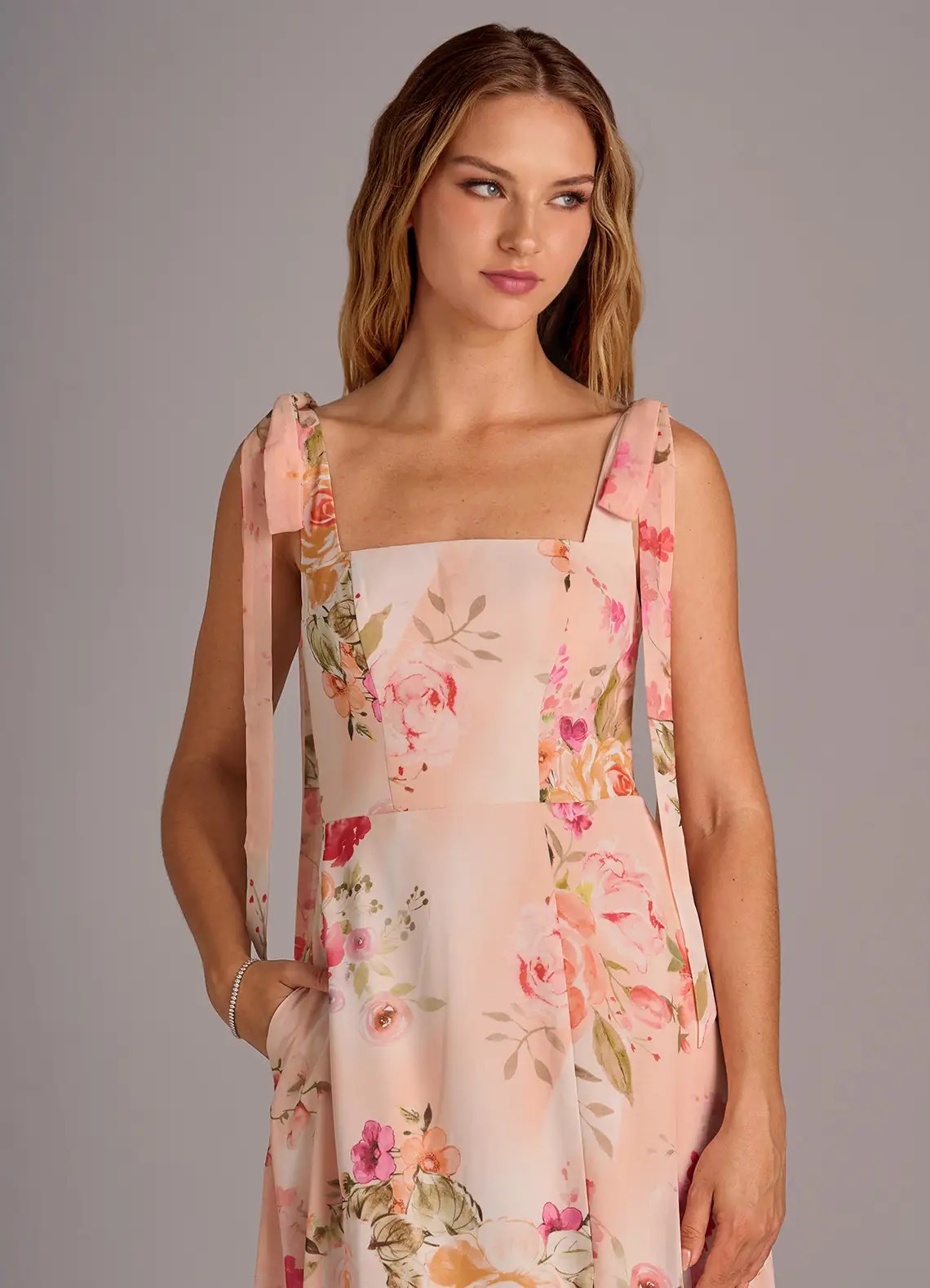
Accurate measurements prevent sizing mistakes. Follow these steps for perfect measurements.
What You Need Before Measuring
Essential Items:
- Soft fabric measuring tape (not metal)
- Mirror to check tape placement
- Strapless bra or wedding undergarments
- Someone to help with back measurements
- Pen and paper to record numbers
- Well-lit room
What to Wear:
- Strapless bra or bra you will wear
- Fitted underwear or shapewear
- Nothing else (no clothing over)
- Wedding shoes for hollow-to-hem
- Hair down for natural posture
Before You Start:
- Stand straight with good posture
- Breathe normally, do not suck in
- Keep tape measure parallel to floor
- Do not pull tape too tight
- Record measurements immediately
- Measure twice to confirm accuracy
Step-by-Step Measurement Guide
Bust Measurement:
How to Measure:
- Wrap tape around fullest part of bust
- Usually across nipple line
- Keep tape parallel to floor
- Do not compress breasts
- Tape should be snug but not tight
- Can breathe comfortably
Common Mistakes:
- Measuring over clothing
- Tape too tight (reduces size)
- Tape angled up or down
- Not measuring fullest part
- Holding breath while measuring
Tips for Accuracy:
- Have someone else measure if possible
- Take measurement 3 times
- Use average of 3 measurements
- Round up to nearest half inch
- Measure in strapless bra
Waist Measurement:
How to Measure:
- Find natural waistline (narrowest part)
- Usually 1–2 inches above belly button
- Wrap tape around completely
- Keep tape parallel to floor
- Stand straight, breathe normally
- Do not pull in stomach
Finding Your Natural Waist:
- Bend to the side
- Waist is where body creases
- Not where pants sit
- Usually narrowest point
- Between ribs and hips
Common Mistakes:
- Measuring where pants sit (too low)
- Pulling tape too tight
- Sucking in stomach
- Measuring after eating
- Not standing straight
Tips for Accuracy:
- Measure first thing in morning
- Empty stomach preferred
- Keep tape snug but comfortable
- Should fit one finger under tape
- Take 3 measurements, use average
Hip Measurement:
How to Measure:
- Stand with feet together
- Measure around fullest part of hips
- Usually 7–9 inches below waist
- Include buttocks in measurement
- Keep tape parallel to floor
- Do not pull tape tight
Finding Fullest Part:
- Usually widest point of buttocks
- Stand in front of mirror
- Look at profile view
- Measure at widest point
- Include hip bones if widest
Common Mistakes:
- Measuring too high (at hip bones only)
- Measuring too low (mid-thigh)
- Standing with feet apart
- Tape not parallel to floor
- Not including buttocks
Tips for Accuracy:
- Wear fitted underwear only
- Stand naturally with feet together
- Do not shift weight to one side
- Keep posture straight
- Take measurement 3 times
Hollow-to-Hem Measurement:
How to Measure:
- Start at hollow between collarbones
- Measure straight down center front
- Go all the way to floor
- Wear your wedding shoes
- Stand straight with good posture
- Someone else should measure this
Why This Matters:
- Determines dress length
- Ensures proper hemline
- Accounts for your height
- Includes shoe height
- Prevents too-short or too-long dress
Common Mistakes:
- Measuring without shoes
- Not measuring to actual floor
- Tape not straight down center
- Bending forward slightly
- Not recording shoe height
Tips for Accuracy:
- Wear exact wedding shoes
- Stand against wall if needed
- Have helper hold top of tape
- Keep tape straight (not angled)
- Note shoe heel height separately
How to Use a Size Chart
Every brand has different size charts. Never assume your size based on another brand.
Reading Size Charts Correctly
Standard Size Chart Format:
Azazie Size Chart (US Sizes)
| Size | Bust (inches) | Waist (inches) | Hips (inches) |
| A00 | 31 | 24 | 34 |
| A0 | 32 | 25.5 | 35.5 |
| A2 | 33 | 26.5 | 36.6 |
| A4 | 34 | 27.5 | 37.5 |
| A6 | 35 | 28.5 | 38.5 |
| A8 | 36 | 29.5 | 39.5 |
| A10 | 37.5 | 31 | 41 |
| A12 | 39 | 32.5 | 42.5 |
| A14 | 41 | 34.75 | 44.5 |
| A16 | 43.25 | 37.5 | 46.75 |
| A18 | 45.5 | 39.75 | 49 |
| A20 | 47.75 | 42.5 | 51.25 |
| A22 | 50 | 44.75 | 53.5 |
| A24 | 53 | 48 | 56.5 |
| A26 | 56 | 51.25 | 59.5 |
| A28 | 59 | 54.5 | 62.5 |
| A30 | 63 | 58.75 | 66.5 |
How to Choose Your Size:
Step 1: Compare all three measurements
- Check where bust measurement falls
- Check where waist measurement falls
- Check where hip measurement falls
- Note which size each measurement suggests
Step 2: Choose based on largest measurement
- If bust is size 8, waist is 6, hips is 10
- Order size 10 (largest measurement)
- Easier to take in than let out
- Alterations fix smaller measurements
Step 3: Consider body proportions
- Hourglass: All measurements similar size
- Pear shape: Hips larger than bust
- Apple shape: Waist larger than hips/bust
- Athletic: All measurements close together
When Measurements Fall Between Sizes:
Option 1: Order larger size (recommended)
- Easier to alter smaller
- Cannot easily let out dresses
- Safer choice overall
- Less stress about fit
Option 2: Order smaller size (risky)
- Only if very close to that size
- Cannot let out more than 1–2 inches
- May not fit at all
- Could need new dress
- Higher risk option
Option 3: Custom sizing
- Provides exact fit to measurements
- Cannot be returned
- No exchanges allowed
- Only if measurements are unusual
Standard vs Custom Sizing Decision Guide
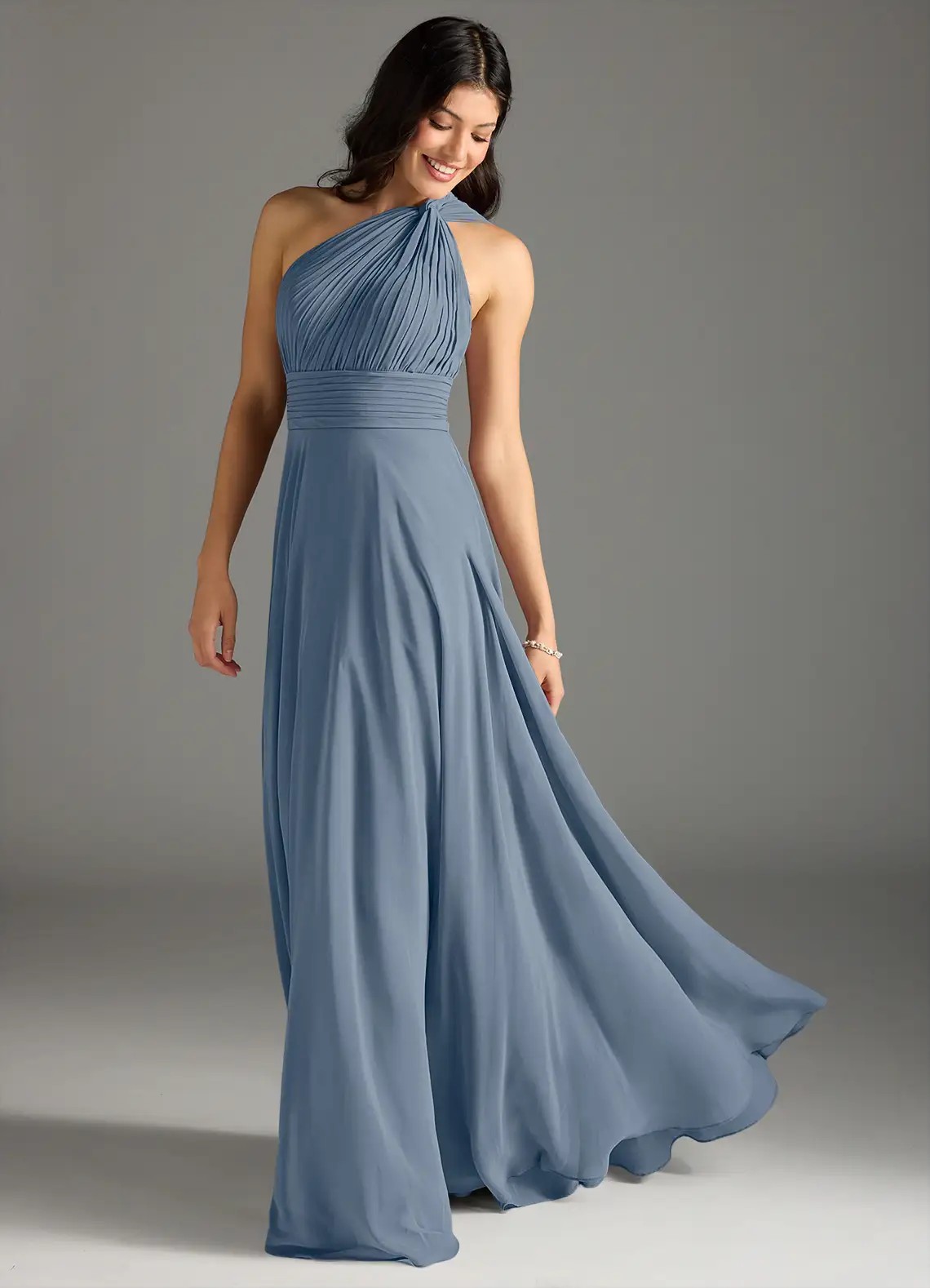
| Factor | Standard Sizing | Custom Sizing | Recommendation |
| Can return | Yes, within 30 days | No, final sale | Standard if unsure |
| Can exchange | Yes (US only) | No | Standard for flexibility |
| Risk level | Low | High | Standard for first-timers |
| Fit | May need adjusting | Exact to measurements | Custom if proportions unusual |
Choose standard sizing unless your measurements clearly require custom. The return option is worth more than perfect initial fit.
Common Sizing Mistakes and How to Avoid Them
Many bridesmaids make the same sizing errors. Learn from these mistakes.
Mistake 1: Ordering Your Street Size
The Problem:
- Ordering size 8 because you wear size 8 jeans
- Formal sizing is 1–2 sizes larger
- Dress arrives too small
- Cannot exchange custom sizes
- Wasted money on wrong size
The Solution:
- Always measure yourself
- Compare to brand size chart
- Ignore your usual clothing size
- Base decision on measurements only
- Order 1–2 sizes up from street size
Real Example:
- Street size: Size 10
- Measurements: Bust 38″, Waist 31″, Hips 41″
- Correct bridesmaid size: 12 or 14
- Wrong choice: Ordering size 10
- Result: Dress does not fit
Mistake 2: Measuring Over Clothing
The Problem:
- Measuring over jeans and shirt
- Adds 2–4 inches to measurements
- Orders size too large
- Dress arrives baggy and loose
- Expensive alterations needed
The Solution:
- Measure in undergarments only
- Wear strapless bra or wedding bra
- Remove all clothing
- Get accurate bare measurements
- Order correct size
Cost of This Mistake:
- Could have avoided by measuring correctly
- Time wasted on unnecessary alterations
Mistake 3: Sucking In While Measuring
The Problem:
- Holding breath and stomach in
- Reduces waist measurement by 1–3 inches
- Orders size too small
- Dress too tight on wedding day
- Cannot breathe or sit comfortably
The Solution:
- Breathe normally while measuring
- Stand naturally with good posture
- Do not suck in stomach
- Measure realistic, comfortable fit
- Order for relaxed state
Why This Matters:
- You will wear dress 8+ hours
- Need to sit, eat, dance
- Tight dress is uncomfortable
- Cannot enjoy wedding if too small
Mistake 4: Ordering Between Sizes (Smaller)
The Problem:
- Measurements between size 10 and 12
- Orders size 10 to save alteration cost
- Dress arrives too small
- Cannot let out more than 1–2 inches
- May need to order new dress
The Solution:
- Always order larger when between sizes
- Can take in a dress easily
- Cannot let out beyond 1–2 inches
Why Larger Is Safer:
- Taking in is straightforward
- Letting out may not be possible
- Dress can be altered to perfect fit
- Less stress and worry
Mistake 5: Not Accounting for Weight Changes
The Problem:
- Orders dress 4–6 months early
- Loses or gains 10+ pounds before wedding
- Dress no longer fits
- No time to reorder
- Emergency alterations needed
The Solution:
- Order 2–3 months before wedding
- Account for planned weight changes
- Order larger if losing weight
- Order size up if weight fluctuates
- Can always alter to fit
Timeline for Orders:
| Time Before Wedding | Order Strategy | Why |
| 6+ months | Wait to order | Too far out, body may change |
| 4–5 months | Order with caution | Account for weight plans |
| 2–3 months | Ideal time | Body stable, time for alterations |
| 1 month | Too late | Rush fees, limited options |
Mistake 6: Not Using a Soft Tape Measure
The Problem:
- Using metal tape measure
- Does not bend around curves
- Measurements inaccurate by 2–4 inches
- Orders wrong size
- Dress does not fit
The Solution:
- Buy soft fabric measuring tape
- Bends around body curves
- Provides accurate measurements
- Essential tool for dress ordering
Where to Buy:
- Craft stores (Joann, Michaels)
- Online (Amazon, craft sites)
- Sewing section of Target/Walmart
- Fabric stores
Mistake 7: Measuring Yourself Alone
The Problem:
- Trying to measure own bust and back
- Cannot hold tape and see measurement
- Tape slips or angles incorrectly
- Measurements off by 1–3 inches
- Orders wrong size
The Solution:
- Ask someone to help measure
- Friend, family member, or roommate
- They hold tape and read number
- You stand still with good posture
- Accurate measurements guaranteed
Who Can Help:
- Another bridesmaid
- Mother or sister
- Partner or spouse
- Friend or roommate
- Professional seamstress
Special Sizing Situations
Some body types and situations require special sizing considerations.
Petite Bridesmaids (Under 5’4″)
Sizing Considerations:
Standard Sizing:
- Usually works for petite frames
- Will need hem shortened
- May need strap shortening
- Bodice proportions may be long
Petite Sizing:
- Some brands offer petite sizing
- Shorter torso and straps
- Proportioned for smaller frames
- Less alteration needed
- May cost same or slightly more
Best Approach:
- Check if petite sizes available
- If not, order standard size by measurements
- May need straps and bodice adjusted
- Alterations are normal and expected
How to Order Multiple Bridesmaids’ Dresses
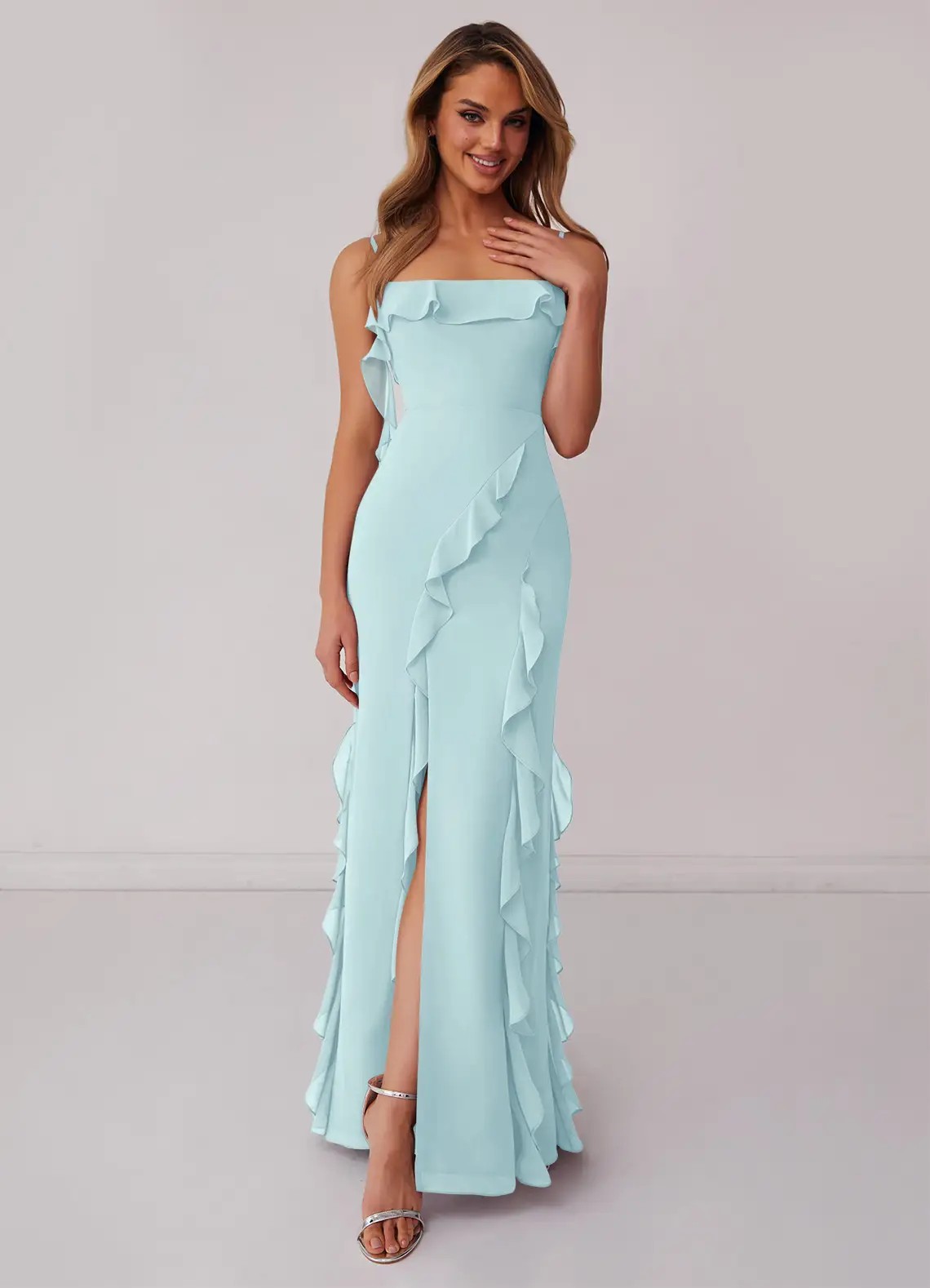
Coordinating sizes for multiple bridesmaids requires organization. Follow this system.
Frequently Asked Questions
Should I order my street size for a bridesmaid dress?
No, never order your street clothing size. Bridesmaid dresses run 1–2 sizes smaller than street sizing.
Always measure your bust, waist, and hips and compare to the brand’s size chart. Order based on your largest measurement.
What if I am between two bridesmaid dress sizes?
Always order the larger size when between sizes. It is much easier to take in a dress than let it out.
Dresses can only be let out 1–2 inches maximum.
How do I measure myself for a bridesmaid dress?
Measure in undergarments only with a soft fabric tape measure. Take bust (fullest part), waist (natural waistline), and hips (fullest part).
Have someone help you for accuracy. Take each measurement 3 times and use the average.
Should I order custom sizing or standard sizing?
Order standard sizing unless your measurements span 3+ sizes. Standard sizes can be returned and exchanged.
Custom sizing cannot be returned. Choose custom only if very confident in measurements.
Can I return a bridesmaid dress if I order the wrong size?
Yes, you can return standard size dresses within 30 days if unworn with tags. Custom sized dresses cannot be returned.
This is why standard sizing is recommended. Order standard sizes for return flexibility in case of sizing errors.
Final Tips for Ordering the Right Bridesmaid Dress Size
Measure yourself in undergarments with a soft fabric tape measure. Take bust, waist, and hips three times each. Compare your measurements to the brand’s specific size chart. Every brand sizes differently.
Order based on your largest measurement. If bust is size 10, waist is 8, hips is 12, order size 12. Always order the larger size when between two sizes. Taking in is easier and cheaper than letting out.
Do not order your street clothing size. Bridesmaid dresses run 1–2 sizes smaller than regular clothes. Have someone help you measure. Measuring yourself alone leads to inaccurate measurements. Keep alteration costs in your budget. All bridesmaids need some alterations regardless of size ordered. Use the try-on program if available. Testing styles before buying prevents expensive mistakes.