
How do I know what size formal dress to order?
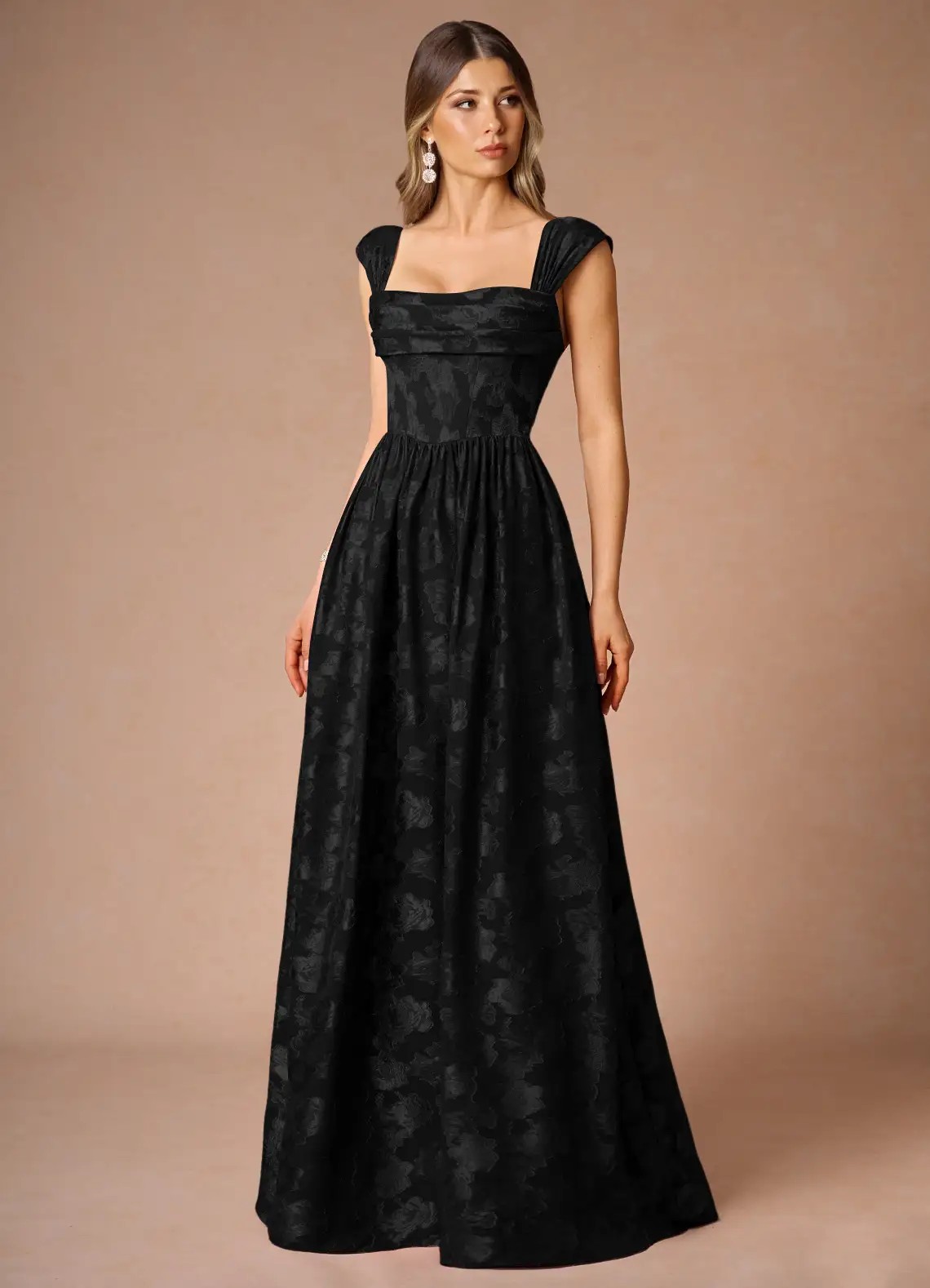
Measure your bust, waist, and hips with a soft measuring tape and compare those measurements to the size chart for your specific formal dress. If your measurements fall between sizes, choose the larger size.
You need three core measurements plus hollow-to-floor and height for custom sizing. Standard sized floor length dresses include an extra 2 inches to fit high heels. Most formal dresses require 2–3 fittings over 4–6 weeks before your event.
Ordering the perfect formal dress online starts with accurate sizing. Unlike everyday retail clothing, formal dress sizing is completely different from retail sizing as bridal and event clothing tends to be more structured and less stretchy than regular clothing. You cannot rely on your usual dress size, bra size, or pants size to determine your formal dress fit.
This guide walks you through every step of measuring yourself correctly, understanding size charts, choosing between standard and custom sizing, and planning for alterations. Whether you are ordering for a gala, black-tie event, formal wedding, or special celebration, knowing your correct size saves time, money, and stress.
Understanding Formal Dress Sizing vs. Regular Retail Sizing
Why Formal Dresses Fit Differently
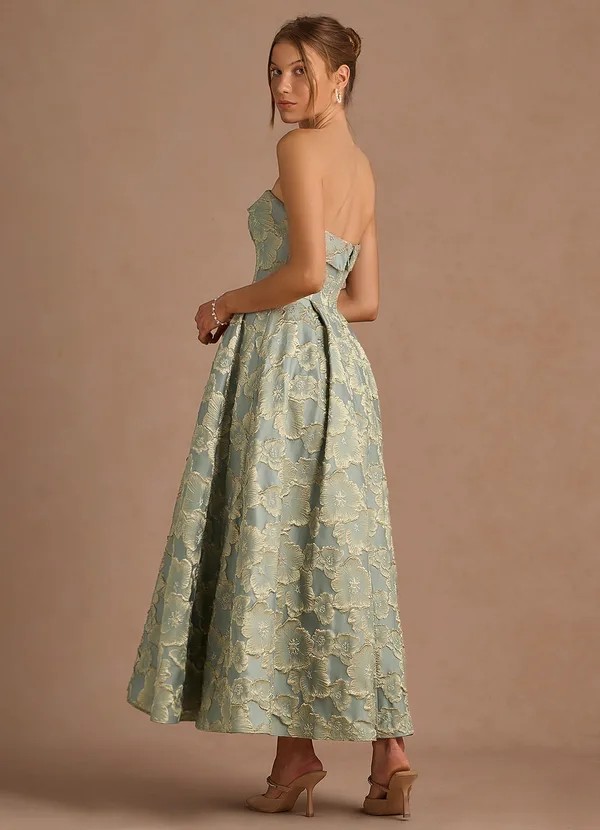
Formal dress sizing cannot be determined by your bra or pant size, so you will need to measure yourself and compare your measurements to the size chart to find your best size. Formal and evening gowns use structured fabrics with less stretch. The construction focuses on fit rather than flexibility.
Key differences include:
- Structure over stretch: Formal fabrics like satin, taffeta, and structured chiffon hold their shape
- Precision tailoring: Seams and darts are placed for specific body measurements
- Length considerations: Floor-length gowns must account for height and heel height
- Support requirements: Strapless and structured bodices need precise measurements for security
The Azazie Sizing System
Azazie offers sizes 0–30 in standard sizing, labeled A0 through A30. Each size chart reflects the measurements of the person who would fit most comfortably in that individual size. Different dress categories may have unique size charts, so always check the specific chart for your chosen style.
Essential Measurements You Need
The Five Core Measurements
Azazie uses 5 key measurements: bust, waist, hips, hollow to floor and height. These numbers help calculate where the neckline, waistline, and hemline should fall on your body.
| Measurement | What It Measures | How to Take It | Common Mistakes |
| Bust | Fullest part of chest | Across fullest point, level tape, unpadded bra | Using bra size instead of actual measurement |
| Waist | Natural waistline | Narrowest part, usually 1–2 inches above belly button | Pulling tape too tight |
| Hips | Widest point of hips | Around fullest part of buttocks, feet together | Measuring at wrong height |
| Hollow to Floor | Neck hollow to floor | From collarbone dip to floor, bare feet, standing straight | Forgetting to wear wedding shoes |
| Height | Top of head to floor | Standing straight, bare feet | Measuring with shoes on |
What to Wear While Measuring
When measuring, be sure to wear close fitting clothing like leggings and a tank top, any shapewear you plan to wear, and a supportive bra whether you plan to wear one with your final dress or not. This creates the most accurate baseline for your measurements.
Essential items:
- Fitted clothing or undergarments
- The exact shapewear you will wear with the dress
- A supportive bra similar to what you will wear
- The shoes you plan to wear (for hollow-to-floor measurement)
Measuring Tools You Need
Use a soft fabric measuring tape, not a ruler or construction measuring tape. If you are having trouble finding someone to measure you, Azazie can help you find someone. Many local tailors, bridal shops, or alteration specialists offer professional measuring services.
Step-by-Step: How to Choose Your Formal Dress Size
Step 1: Take Your Measurements
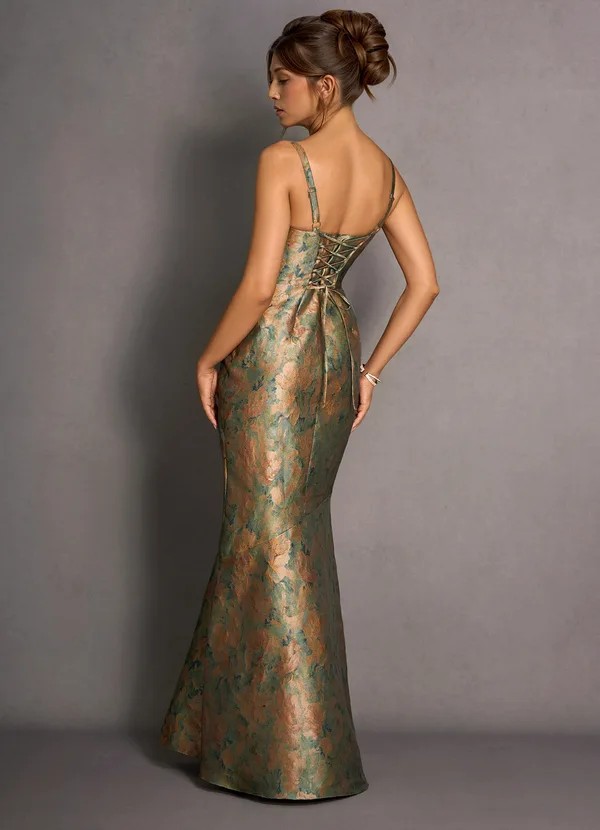
Azazie formal dresses recommend that you get professionally measured if you are going custom. Professional measurements reduce errors and ensure the best fit.
If measuring yourself:
- Have someone help you for accuracy
- Measure three times and use the average
- Write down each measurement immediately
- Compare to your most recent professional measurements if available
Bust measurement:
- Wear an unpadded bra
- Wrap tape around the fullest part of your bust
- Keep tape level across your back
- Keep arms relaxed at sides
- Do not pull tape tight
Waist measurement:
- Find your natural waistline (bend sideways to find the crease)
- Wrap tape around the narrowest part
- Keep tape snug but not tight
- Breathe normally
Hip measurement:
- Stand with feet together
- Wrap tape around the fullest part of your buttocks
- Keep tape parallel to the floor
- Ensure tape is not twisted
Hollow to floor:
- Stand straight on a flat surface
- Wear your event shoes
- Measure from the hollow (dip) between your collarbones straight down to the floor
- Keep posture natural but upright
Height:
- Stand straight with bare feet
- Measure from top of head to floor
- Use a wall and level for accuracy
Step 2: Compare to the Size Chart
The best way to determine your standard size will be to compare your measurements to the designated size chart for your item found on each item page when you click the “Size Chart” button.
Example size comparison:
- Your measurements: Bust 35.5 inches, Waist 28 inches, Hips 38 inches
- Bust best matches: US 8
- Waist best matches: US 8
- Hips best matches: US 6
When you compare your measurements you may find that yours don’t align exactly with the measurements on the chart. That’s okay.
Step 3: Decide Between Sizes
If measurements match one size: Order that size.
If measurements fall between sizes: If you find your measurements are between sizes, choose the larger size. It is easier and less expensive to take in a dress than to let it out.
If measurements span multiple sizes: Consider which measurement matters most for your dress style:
- Strapless or structured bodice: Prioritize bust measurement
- Fitted waist styles: Prioritize waist measurement
- Mermaid or trumpet silhouettes: Prioritize hip measurement
Not every style fits the same. Strapless styles tend to fit snug to provide more support while styles with straps can run a bit bigger in the bust.
Step 4: Consider Custom Sizing
Azazie offers free custom sizing based on your five measurements. Custom sizing works best if:
- You are between standard sizes
- You are taller than 5’7″ or shorter than 5’2″
- Your measurements span more than two size categories
- You want to minimize alterations
Custom sizing trade-offs:
- Pros: Better initial fit, designed for your measurements, no extra cost
- Cons: Custom dresses are made specifically for you and cannot be returned or exchanged for any reason, still may need minor alterations
Step 5: Account for Timeline
Azazie’s formal dresses take approximately 3.5 weeks to be delivered.
Recommended ordering timeline:
- 4 months before event: Ideal timeline for made-to-order dresses with alterations
- 2–3 months before event: Minimum comfortable timeline
- During January–March: Please plan accordingly to avoid transportation delays due to unforeseen circumstances.
Standard Sizing vs. Custom Sizing: Which Should You Choose?
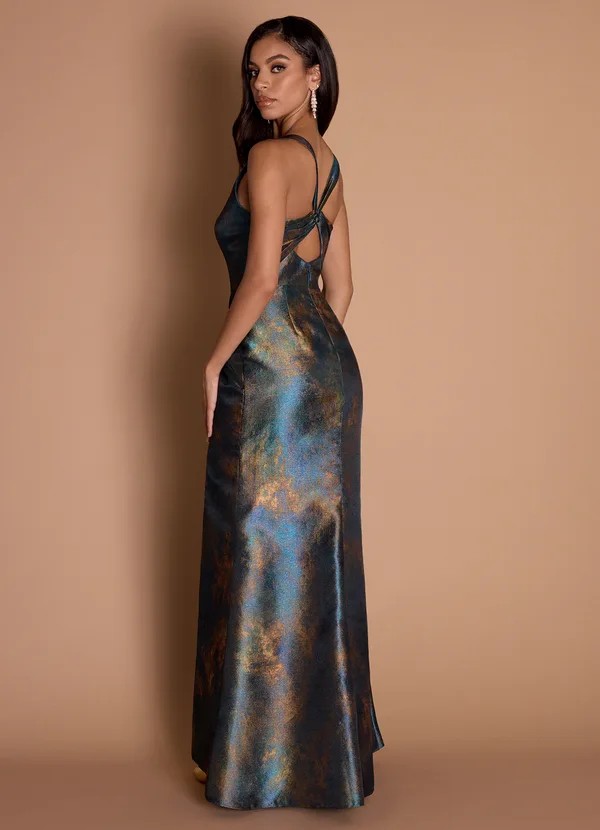
| Factor | Standard Sizing | Custom Sizing |
| Fit | Based on size chart measurements | Made to your measurements |
| Returns | Standard size dresses are returnable | Not returnable for any reason |
| Timeline | Same production time | Same production time |
| Cost | Dress only | Same, no extra cost |
| Alterations | Usually needed | May need alterations; alteration reimbursement available |
| Best for | Easy returns, trying at home | In-between sizes, extreme heights |
When to Choose Standard Sizing
Choose standard sizing if:
- Your measurements align closely with one size
- You want the option to return or exchange
- You have time to order multiple sizes if needed
- You are comfortable with standard alterations
If you’re in between sizes, simply order the larger standard size and have it altered down. The general rule of alterations is that formal dresses can be taken in up to two sizes and sometimes can be let out up to two sizes as well.
When to Choose Custom Sizing
Choose custom sizing if:
- Your measurements span multiple size categories
- You are taller than 5’7″ and need accurate length
- You want to minimize alteration costs
- You are certain about your measurements and timeline
- You cannot return to stores easily
Because custom sizing is non-returnable for any reason, Azazie offers to help cover the cost of alterations if they are needed to achieve a closer fit. Reimbursement amounts vary based on dress.
Common Sizing Mistakes to Avoid
Mistake 1: Using Your Regular Dress Size
Why it fails: Formal dress sizing is completely different from retail sizing. A size 8 in retail might be a US10 or US 6 in formal wear.
What to do instead: Always measure yourself fresh for formal dresses, even if you know your measurements from other brands.
Mistake 2: Measuring Yourself Alone
Why it fails: It is nearly impossible to keep the measuring tape level and properly positioned while measuring your own back, hips, and hollow-to-floor.
What to do instead: Have someone help you out and make sure to triple check the measurements.
Mistake 3: Wearing the Wrong Bra While Measuring
Why it fails: When measuring the bust, wear an unpadded bra and pull the tape across the fullest part of the bust. This is not the same measurement as your bra size.
What to do instead: Wear the type of bra you will wear with the dress or a similar level of support.
Mistake 4: Ignoring Style-Specific Fit
Why it fails: Not every style fits the same. A strapless gown fits differently than a halter style.
What to do instead: Read style notes on each dress page. Ask customer service about fit for your body type.
Mistake 5: Ordering Too Close to Your Event
Why it fails: Delivery time is typically 3-4 weeks, and additional time should be allowed for any modifications.
What to do instead: Order Made to Order items at least 4 months prior to your event. This allows ample time for production, delivery, and any necessary alterations.
Mistake 6: Forgetting About Shoes
Why it fails: For standard sized floor length dresses, the measurement includes an extra 2 inches to fit high heels. If you wear different heel heights, the hem will be wrong.
What to do instead: Decide on your shoes before measuring. Bring your wedding shoes to all fittings for accurate hem measurements.
Planning for Alterations
Why Most Formal Dresses Need Alterations
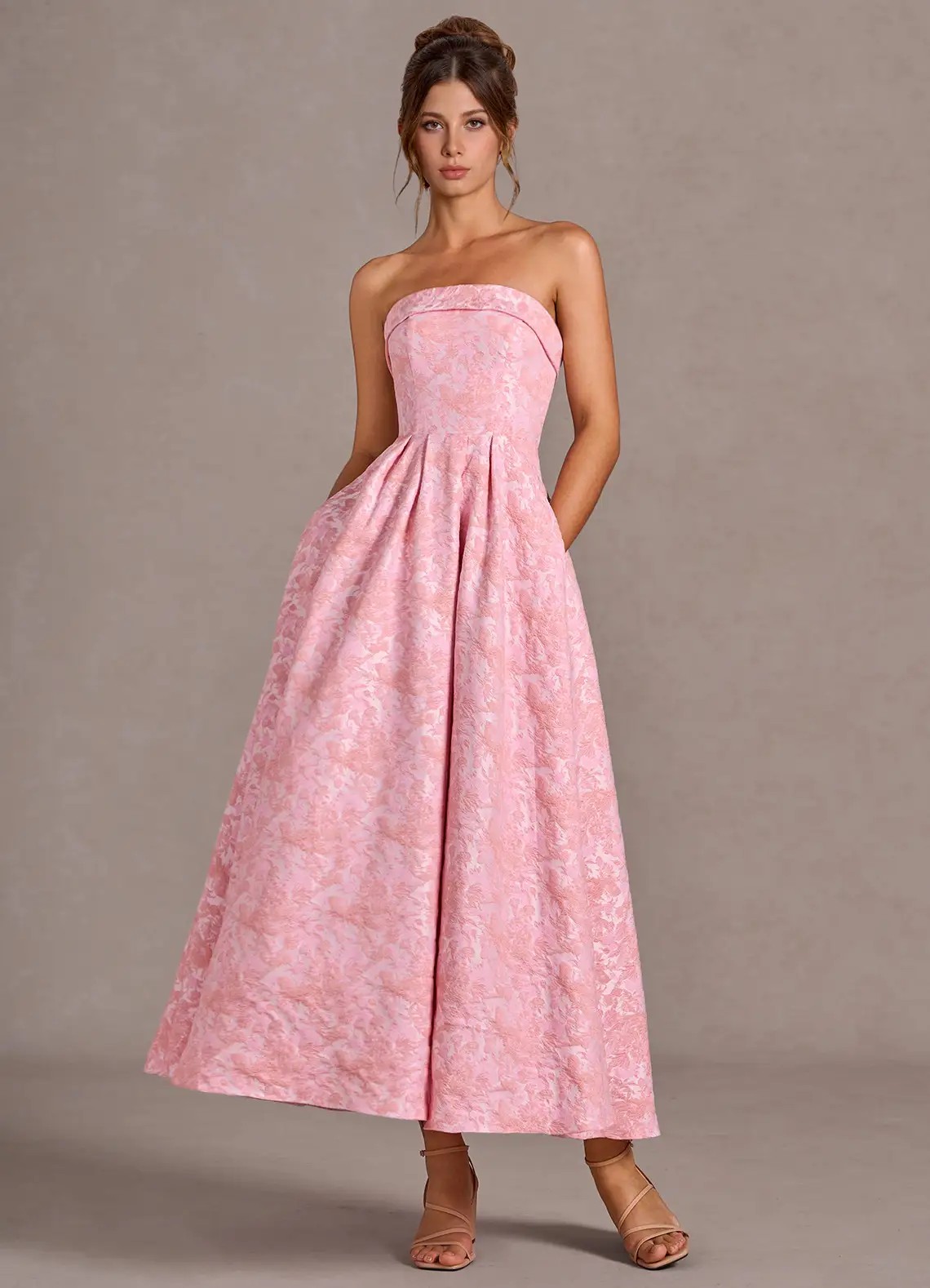
Most dresses will at least need to be adjusted for height, which is done by hemming the length and shortening the straps. Even custom-sized dresses may need adjustments because Azazie uses only five measurements instead of the 12+ measurements used in true bespoke tailoring.
Common Alterations and Costs
Formal dress alterations follow similar pricing.
| Alteration Type | Time Needed | Complexity |
| Simple hem | 1–2 weeks | Low |
| Take in sides | 2–3 weeks | Medium |
| Shorten straps | 1–2 weeks | Low |
| Bustle | 2 weeks | Medium |
| Beaded hem | 3–4 weeks | High |
| Adding sleeves | 3–4 weeks | High |
Alteration Timeline
Start the alteration process 4–6 weeks before the wedding or event. This allows time for multiple fittings without rush fees.
Fitting schedule:
- First fitting (4–6 weeks before): Try dress with shoes and undergarments, tailor pins major changes
- Second fitting (2–3 weeks before): Check pinned alterations, make adjustments
- Final fitting (1 week before): Pick up your altered dress 1 week before the event. This allows time for emergency fixes if needed
Test your dress by sitting, walking, and raising arms at fittings. Ensure comfort for all-day wear.
Size Chart Reference Guide
How to Read Azazie Size Charts
Some styles have ease added for your comfort. If you are in between sizes, it is suggested to call and speak to a stylist or order the dress in custom size.
Size chart tabs you will see:
- Bridesmaid dresses
- Wedding dresses
- Mother-of-the-bride dresses
- Junior bridesmaid dresses (sized for girls under 18)
- Formal and evening dresses
Each category may have slightly different measurements, so always check the specific chart for your dress.
Standard Size Range
Azazie offers sizes US 00–US 30, covering bust measurements from approximately 31 inches to 63 inches. Azazie’s wide range of sizes, which spans from 00 to 30, reflects dedication to showcasing varied beauty.
Special Length Options
Select floor length dresses are available in two additional custom length options: Petite (12.7 cm shorter), and Tall (12.7 cm longer).
Petite length: For individuals under 5’2″ Standard length: Designed for individuals around 5’7″ Tall length: For individuals over 5’9″
Height and Length Considerations
Understanding Hollow-to-Hem vs. Hollow-to-Floor
- Hollow to floor: Measured from the hollow of the neck, which is the dip between your collarbones, all the way to the floor with your bare feet together, standing straight
- Hollow to hem: Measures from the center of your collarbones to the bottom edge of the dress
Keep in mind that this is not the same as the hollow to hem measurement. Hollow-to-floor tells the manufacturer your body proportions. Hollow-to-hem tells you the final length of the specific dress.
Heel Height Allowance
The Hollow to Hem measurement for standard sized floor length dresses includes an extra 5 cm to fit high heels (approximately 2 inches).
Heel height planning:
- Under 2 inches: Dress may need slight hemming
- 2–3 inches (standard): Should fit without adjustment
- Over 3 inches: May need length added or custom sizing
When Height Matters Most
Dresses are designed for someone who is about 5’7″. If you are taller than that, definitely recommend ordering custom to ensure that the length will work for you.
Height scenarios:
- Under 5’2″: Consider Petite length or custom sizing
- 5’2″ to 5’9″: Standard sizing usually works well
- Over 5’9″: Strong recommendation for custom sizing or Tall length
If a dress measures too long but you would like a standard size, get the standard and then get it hemmed.
Special Sizing Situations
Plus-Size Formal Dresses
Every garment in Azazie’s line is naturally a plus size dress option. Style is sizeless, and each person should feel not just included but also honored.
Silhouettes that work well for curvier figures:
- A-line and empire: Flattering on most body types, defines waist without clinging
- Sheath: The straighter cut will fall softly over your curves if you want a more streamlined look that won’t exaggerate your silhouette
- Mermaid: A fabulous silhouette for curvy bridesmaids who love showing off their hips and waist
Neckline considerations: Finding a neckline you’re comfortable with is important. Whether you love highlighting your bust in chic styles, or want to have a more modest and sophisticated look, Azazie has a collection of necklines that will suit your personal style.
Maternity Formal Dresses
Ordering your maternity gown doesn’t have to be hard. Measure your bust and hips only and find your closest match on the chart. As your body changes daily, suggest you order your dress no sooner than 14–16 weeks in advance.
Maternity sizing tips:
- Measure at the point in pregnancy when you will wear the dress
- Focus on bust and hip measurements
- Choose empire waist or A-line silhouettes for comfort
- Add 1–2 inches to bust measurement for growth
- Order 14–16 weeks before event, no earlier
Petite Formal Dresses
For individuals under 5’2″, standard dresses will likely be too long even with the Petite length option.
Petite sizing strategy:
- Use custom sizing to specify exact hollow-to-floor measurement
- Expect hemming even with Petite length
- Petite length is 12.7 cm (5 inches) shorter than standard
- Budget for hemming
Fabric and Style Fit Considerations
How Fabric Affects Fit
Fabric affects alteration difficulty and cost. Some materials are harder to work with than others.
| Fabric | Stretch | Structure | Fit Notes |
| Chiffon | Minimal | Flowing | Forgiving, drapes well, easy to alter |
| Satin | None | Structured | Shows every curve, needs precise fit |
| Stretch Satin | Moderate | Structured | More forgiving than regular satin |
| Tulle | None | Voluminous | Difficult to alter, multiple layers |
| Lace | Varies | Delicate | Expensive to alter, must match patterns |
| Mesh | Moderate | Soft | Forgiving fit, easy alterations |
Choosing fabric based on fit confidence:
- New to formal wear: Choose chiffon, mesh, or stretch satin
- Confident in measurements: Any fabric works
- Between sizes: Avoid rigid satin and heavily beaded fabrics
Style-Specific Sizing Notes
Strapless dresses: Strapless styles tend to fit snug to provide more support. Order based on bust measurement. Expect the bodice to feel firm.
Dresses with straps: Styles with straps can run a bit bigger in the bust (an easy fix for a seamstress). You may need strap shortening.
Mermaid and trumpet: Fitted through hips and thighs. Order based on your largest measurement. Difficult to alter if too small.
A-line and empire: Most forgiving silhouettes. Easier to take in if between sizes.
Troubleshooting Common Fit Issues
Issue 1: Dress Is Too Large Overall
Why it happens: Measurements taken loosely, weight loss, or custom sizing calculated with ease.
Solution: Simple alterations take 1–2 weeks. Moderate alterations take 2–3 weeks.Dresses can be taken in up to two sizes.
Issue 2: Dress Is Too Small
Why it happens: Measurements taken too snugly, weight gain, or wrong size ordered.
Solution: Sometimes can be let out up to two sizes. Letting a dress out will depend on the seam allowance. Check with seamstress about available fabric. May need to reorder.
Issue 3: Length Is Wrong
Why it happens: Heel height changed, wrong hollow-to-floor measurement, or height difference from standard.
Solution: Bring exact shoes to alteration appointment.
Issue 4: Straps Are Too Long
Why it happens: Azazie makes straps longer to fit a range of torso lengths.
Solution: This is one of the most common and easiest alterations.
Issue 5: Bust Fits But Waist Doesn’t
Why it happens: Different proportions than size chart assumes.
Solution: Order based on bust (most important for structured bodices). Have waist taken in or let out.
Timeline Planning Checklist
4–6 Months Before Event
- Research dress styles and fabrics
- Get professionally measured or measure yourself carefully
- Order dress (made-to-order production takes 2–6 weeks)
- Plan for January–March delays if ordering during peak season
2–3 Months Before Event
- Dress should arrive
- Try on with shoes and undergarments
- Identify needed alterations
- Research and book alteration specialist
6–8 Weeks Before Event
- Book tailor 6–8 weeks in advance. Good tailors are busy during wedding season
- Confirm appointment scheduled
4–6 Weeks Before Event
- Start the alteration process 4–6 weeks before the event
- Attend first fitting
- Tailor pins all alterations
2–3 Weeks Before Event
- Attend second fitting
- Check pinned alterations
- Make final adjustments
1 Week Before Event
- Pick up your altered dress 1 week before the event
- Try on one final time
- Inspect every alteration carefully before leaving
- Steam and prepare for event
Conclusion
Ordering the correct formal dresses size requires accurate measurements, careful size chart comparison, and realistic timeline planning. Measure your bust, waist, and hips with a soft measuring tape and compare those to the designated size chart for your item. When measurements are between sizes, choose the larger size.
Allow 4 months total from order to event: 3–4 weeks for delivery, and 4–6 weeks for alterations. Get professionally measured if you are going custom, and always try your dress on with your event shoes and undergarments before the first alteration fitting.
Frequently Asked Questions
What measurements do I need to order a formal dress?
Azazie uses 5 key measurements: bust, waist, hips, hollow to floor and height. For standard sizing, you only need bust, waist, and hips to compare against the size chart. For custom sizing, all five measurements are required.
Should I order standard size or custom size for my formal dress?
Standard size dresses are returnable, while custom sizes are not. Choose standard if your measurements align closely with one size and you want return flexibility. Choose custom if you are between sizes, taller than 5’7″, or want to minimize alterations. If you’re in between sizes, simply order custom.
How far in advance should I order my formal dress?
Order Made to Order items at least 4 months prior to your event. Production times for Azazie dresses are 2–4 weeks on average, plus delivery time and 4–6 weeks for alterations.
Do formal dresses run true to size?
Sizing runs true to the size chart but the measurement sets listed on the size charts reflect the measurements of the person who would fit most comfortably in that individual size. Formal dress sizing differs completely from retail sizing, so you cannot use your regular dress size.
Will I need alterations even if I order custom sizing?
Possibly. Azazie only uses 5 basic measurements opposed to a true bespoke dress that could take at least 12 measurements. Common adjustments include strap shortening, hem adjustments, and minor taking-in. Azazie offers alteration reimbursement for custom dresses if needed.
What if I’m between two sizes on the size chart?
If you find your measurements are between sizes, choose the larger size. It is easier and less expensive to take in a dress than to let it out. Dresses can be taken in up to two sizes.
How do I take accurate hollow-to-floor measurements?
Stand straight with your feet together and bare feet. Measure from the hollow (dip) between your collarbones straight down to the floor. Wear the shoes you plan to wear with the dress. Keep posture natural but upright, and have someone help for accuracy.
Can I use my regular bra size for bust measurement?
No, do not rely on your regular bra size. Always measure the fullest part of your bust with a supportive bra similar to what you plan to wear with the dress. An unpadded or lightly padded bra works best to get accurate results.
What if my dress fabric is non-stretchy or heavily embellished?
Structured fabrics like satin, taffeta, or beaded dresses require precise sizing because they are less forgiving. If you are between sizes, it’s safer to go with the larger size and plan for alterations. Avoid ordering too small, as letting out a structured dress is often difficult or impossible.
How should I choose size for special silhouettes like strapless or mermaid dresses?
- Strapless: Prioritize your bust measurement, as the bodice needs to fit snugly for support.
- Mermaid or trumpet: Order based on your largest measurement (usually hips). These styles are fitted and less forgiving, so precise measurements are crucial.
- A-line or empire: More forgiving; easier to adjust if between sizes.