
How do I know if a wedding guest dress is too casual?
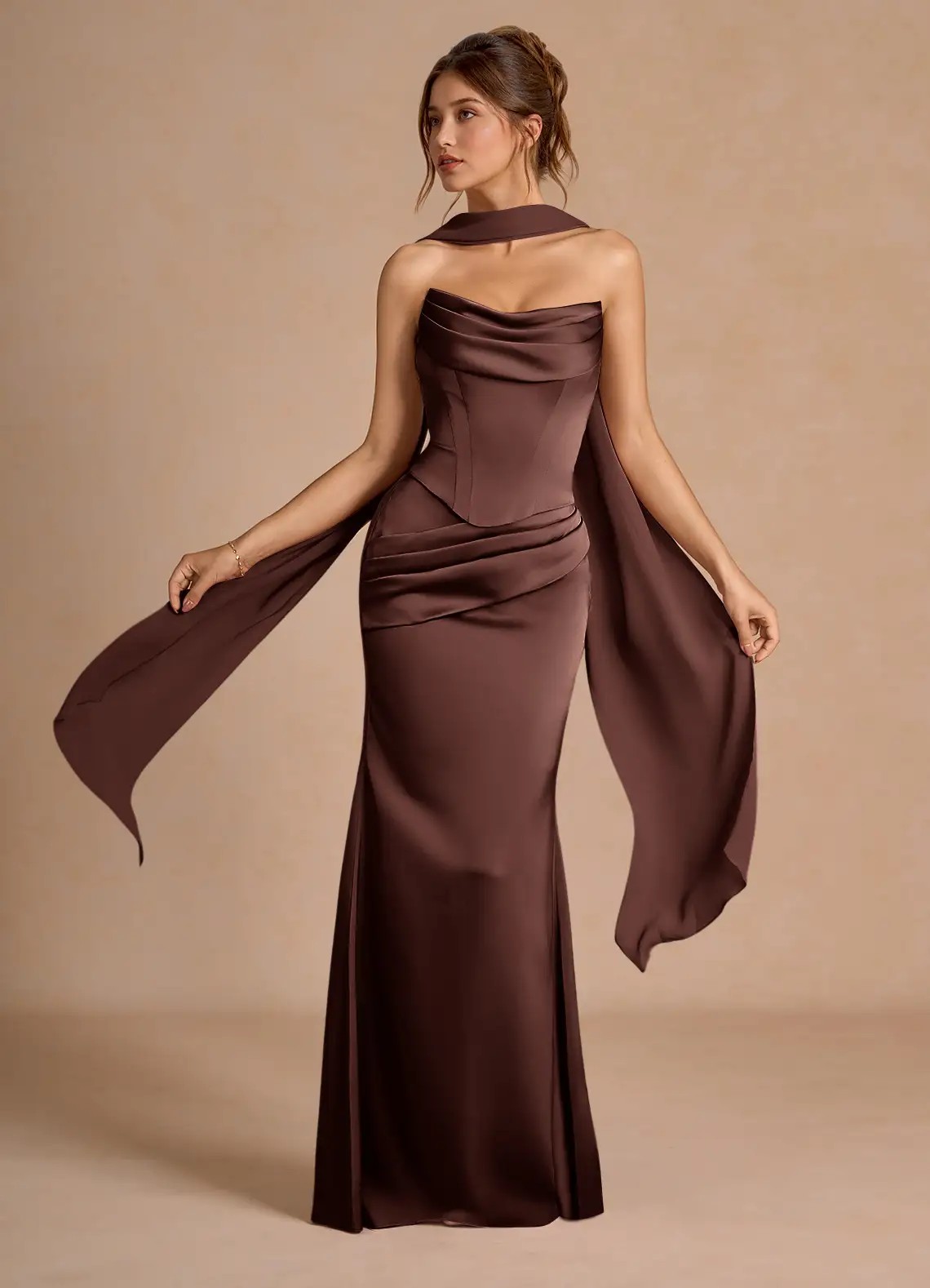
Weddings are special occasions where the dress code matters. As a guest, choosing an outfit that honors the ceremony and the celebration is both respectful and stylish.
At Azazie we believe wedding guest dresses should reflect the tone of the event. But how do you tell if your dress is too casual for a wedding?
From underscoring venue and time to assessing fabric, length and accessories — here’s your full guide.
Understand the Wedding’s Dress Code
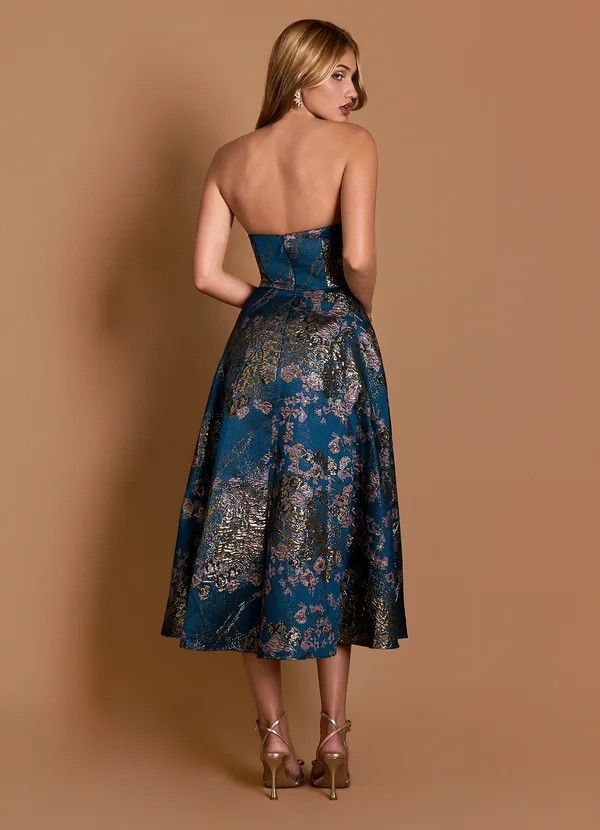
The first step is to check the invitation. It often communicates the formality of the wedding and whether casual attire is acceptable or not.
Key clues on invitation:
- Wording: terms like “black-tie”, “cocktail”, “semi-formal”, “casual” help decode the dress code.
- Time & venue: evening, indoor-hotel vs morning, backyard — hint at formality.
- Theme or colour palette: can suggest expected level of polish.
Why it matters:
Choosing a dress that’s too relaxed when formality is expected risks looking underdressed.
On the flip side, overdressing in a very casual setting can draw attention away from the couple.
Table of Common Dress Code Levels & What “Too Casual” Looks Like
| Dress Code | Expected Guest Dress | “Too Casual” Signs |
| Formal / Black-Tie | Floor-length gown, rich fabrics, polished accessories | Daytime sundress, sneakers, casual fabrics like jersey or cotton |
| Semi-Formal / Cocktail | Midi or tea-length dress, quality fabric, stylish shoes | Denim, mini-length, flip-flops, loud prints |
| Dressy-Casual / Smart-Casual | Nice midi dress or tailored jumpsuit, elevated accessories | Tank tops, graphic tees, sandals, everyday sundress |
| Casual / Beach / Backyard | Day dress or chic sundress, comfortable but elevated | T-shirt dresses, beachwear, athleisure, flip-flops |
These distinctions help you benchmark your dress and ask: Am I underdressed for this setting?
Fabric & Finishing — Signs of “Too Casual”
Fabric and construction play a major role in formality.
Signs your dress may be too casual:
- Lightweight cotton, jersey, or sweat-type knit fabrics → signal relaxed wear.
- Unstructured shapes with minimal tailoring or finish → golf-outfit or brunch-style rather than wedding guest.
- Lack of lining, simple seams, visible everyday stitching → lower fabrication quality.
- Denim, chambray, basic print sundresses → often too relaxed unless explicitly casual event.
Elevated alternatives:
Fabrics like satin, crepe, chiffon, velvet, jacquard — show higher formality and are common in wedding guest dresses.
Length, Coverage & Silhouette
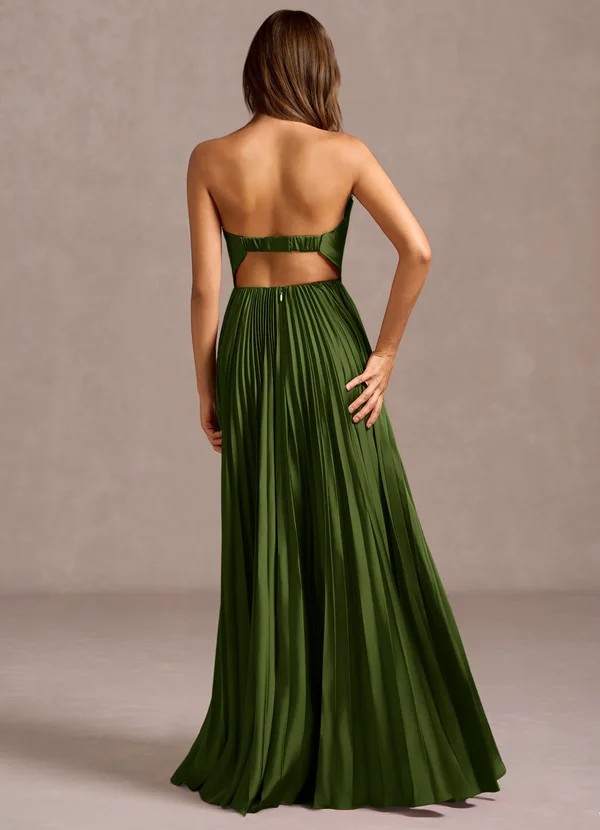
Length and silhouette inform how dressy your outfit appears.
Red flags for “too casual”:
- Mini-length above the knee when reception or formal dinner is expected.
- Spaghetti straps, off-shoulder or strapless without evening finish in a formal setting.
- Loose, shapeless sundress cut with no definition or tailoring.
- Prints or patterns that give everyday wear vibe rather than occasion wear.
Guidance:
If the venue is a ballroom, evening wedding or black-tie event, a floor-length or ankle-length gown is much more appropriate.
If your dress is shorter or less structured, ensure the fabric and accessories elevate the look to fit the setting.
Venue, Time of Day & Season Influence
The setting of the wedding has a big impact on whether a dress is appropriate or too casual.
Considerations:
- Evening indoor weddings = expect higher formality; a casual sundress may feel out of place.
- Daytime garden or backyard weddings = slightly more relaxed, but still elevated over everyday wear.
- Destination or beach weddings = context allows more relaxed dresses, but comfort ≠ scruffy.
- Winter weddings = richer fabrics, possible sleeves or layers; casual materials may look underdressed.
Rule of thumb: When venue and time of day demand polish — if you’re unsure, err on the side of more formal rather than too casual.
Visual & Accessory Cues of Casualness
Beyond dress itself, accessories and how you style the look matter.
Signs your outfit is too casual:
- Flip-flops, plain sandals, or sneakers.
- Huge tote bags or cross-body casual bags.
- Minimal makeup, undone hair when others appear polished.
- No wrap or outer layer in a setting where coverage is expected (church, evening).
- A dress you’d wear to brunch or for shopping, rather than an event.
Such cues send a signal that you’re not treating the affair as a special occasion.
Checklist — Is Your Dress Too Casual?
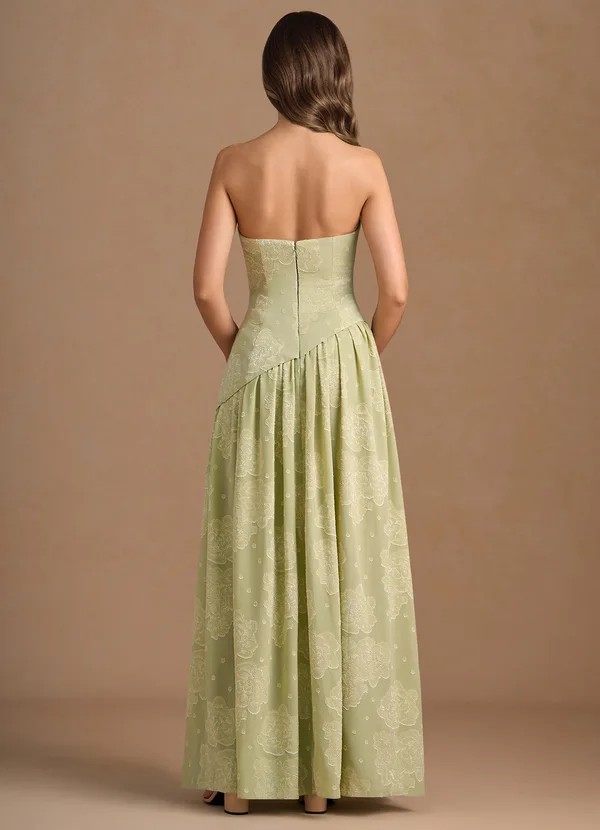
Use this quick checklist to evaluate your choice:
- Does the invitation indicate formal or semi-formal?
- Is the dress length appropriate (midi/ maxi rather than mini) for the setting?
- Is the fabric rich and well-constructed (not casual knit or denim)?
- Are your accessories and shoes elevated (heels, clutch, polished hair)?
- Does the overall look match other guests and venue tone?
- If you swapped shoes for nicer ones and added a wrap, would it still look like a wedding guest outfit?
If you answer “no” to more than one question, your dress may lean too casual.
Upgrading a Casual Dress to Wedding-Appropriate
If your heart is set on a dress that may be borderline casual, you can boost it with styling:
- Swap fabric or our finish: Choose satin or crepe instead of plain cotton.
- Add formality via accessories: Heeled shoes, metallic clutch, wrap or shawl.
- Use layers: A tailored blazer, bolero or elegant wrap can elevate the look.
- Choose richer colour or darker tone: Pastel sundresses feel more casual than deep jewel tones or structured neutrals.
- Ensure good fit and tailoring: A dress tailored to you looks more polished than a loose one.
These adjustments help take a casual dress into the “wedding guest appropriate” zone without changing the entire dress.
When is Casual Acceptable — and When It’s Not
There are weddings where casual attire is explicitly acceptable.
But you must still respect wedding-guest norms.
Casual wedding contexts:
- Backyard or garden ceremonies with “casual attire” noted.
- Beach weddings with comfort and simplicity in mind.
- Destination weddings where travel and climate matter more than polish.
Even in these cases, “casual” does not mean jeans, T-shirts, flip-flops or athleisure.
When casual is not enough:
- Evening, indoor, formal venues.
- Black-tie or formal dress codes.
- High-end hotel or historic estate weddings.
In those settings, a dress that reads too relaxed will feel out of place.
Use the Azazie Collection Filters to Match Formailty
When browsing the Azazie Wedding Guest Dresses collection, use filters to refine by formality:
- Occasion type: “Black Tie”, “Formal”, “Cocktail”, “Beach”, “Summer”.
- Length & fabric: Filter for “midi/ maxi”, “satin/ crepe/ chiffon”.
- Size & custom fit: Free custom sizing helps elevate overall polish.
By choosing filters aligned with ceremony style you reduce the risk of picking something too casual for the event.
Real-World Examples of Too Casual
Here are typical examples of dresses that often read too casual for weddings, and why:
- A cotton sundress with spaghetti straps and no lining → minimal formal structure.
- Everyday denim dress, shirt dress or knit jersey dress → too relaxed in fabric and finish.
- Flip-flops, very flat sandals, or openly casual bags → mismatch accessory level.
- Loud slogans or T-shirt style prints → distract from occasion’s tone.
Lifestyle articles highlight guests wearing what looked like office or brunch dresses and being criticised as “not bothered”.
Summary Table — Dress Too Casual vs Appropriate
| Feature | Too Casual | Wedding-Appropriate |
| Fabric | Casual cotton, jersey, denim | Satin, crepe, chiffon, velvet |
| Silhouette/Length | Mini, shapeless, everyday style | Midi/ maxi, defined waist, tailored shape |
| Accessories & Shoes | Flip-flops, casual bag, minimal polish | Heels or elegant flats, clutch, wrap |
| Venue match | Beachwear/sundress in formal venue | Formal dress that matches indoor/ evening tone |
| Detailing & finish | Simple seams, everyday stitching | Lined, tailored, upscale finish |
Final Thoughts
Choosing a wedding guest dress that isn’t too casual means paying attention to context, fabric, length, accessories and overall polish. The dress you pick should say: “I’m here to celebrate in style”, not “I grabbed whatever was easy”.
When in doubt:
- Go one step more formal rather than one step too relaxed.
- Use the Azazie filters and fabric cues to match the event’s tone.
- Ensure your accessories, shoes and styling elevate the entire outfit.
With the right blend of fit, fabric, silhouette and styling, your dress will feel perfectly appropriate from ceremony through to dancing.
Frequently Asked Questions
How can I tell if a fabric is too casual for a wedding?
Fabrics like cotton, jersey, denim, or basic knits usually read as casual. Choose satin, chiffon, crepe, velvet, or jacquard for a more formal appearance.
Are mini dresses ever appropriate for weddings?
Mini dresses are typically too casual for formal or evening weddings. They may work for backyard, beach, or daytime casual weddings when styled carefully.
Can casual prints be worn to a wedding?
Avoid T-shirt prints, slogans, or overly loud patterns. Subtle florals, muted stripes, or elegant textures are better for wedding-appropriate style.
Do accessories affect whether a dress feels casual?
Yes—flip-flops, casual bags, or minimal styling make even a nice dress look casual. Heels, a clutch, and polished hair elevate your outfit instantly.
How does the venue affect whether a dress is too casual?
Indoor ballrooms, evening receptions, black-tie events, or historic estates require more formal attire. Outdoor gardens, beaches, or casual backyards allow relaxed styles.
Can I make a casual dress appropriate for a formal wedding?
Yes—choose richer fabrics, add a shawl, tailored blazer, metallic clutch, heels, or darker jewel tones to elevate the look.
Is it ever okay to wear a casual sundress to a wedding?
Only if the wedding is explicitly casual (backyard, beach, or garden). Even then, the dress should be polished and styled with accessories.
How do I know if my shoes are too casual?
Flip-flops, sneakers, or very flat sandals usually read casual. Opt for heels, elegant flats, or stylish wedges that suit the venue.
What role does the season play in judging casualness?
Winter weddings call for richer fabrics, sleeves, or layers. A casual cotton sundress may look underdressed in cold-weather or formal winter settings.
How can I quickly check if my dress is too casual?
Use the checklist: invitation dress code, fabric quality, length/silhouette, accessories, overall polish, and venue match. If multiple areas fall short, the dress is likely too casual.