
How do I find the right fit for a formal dress?
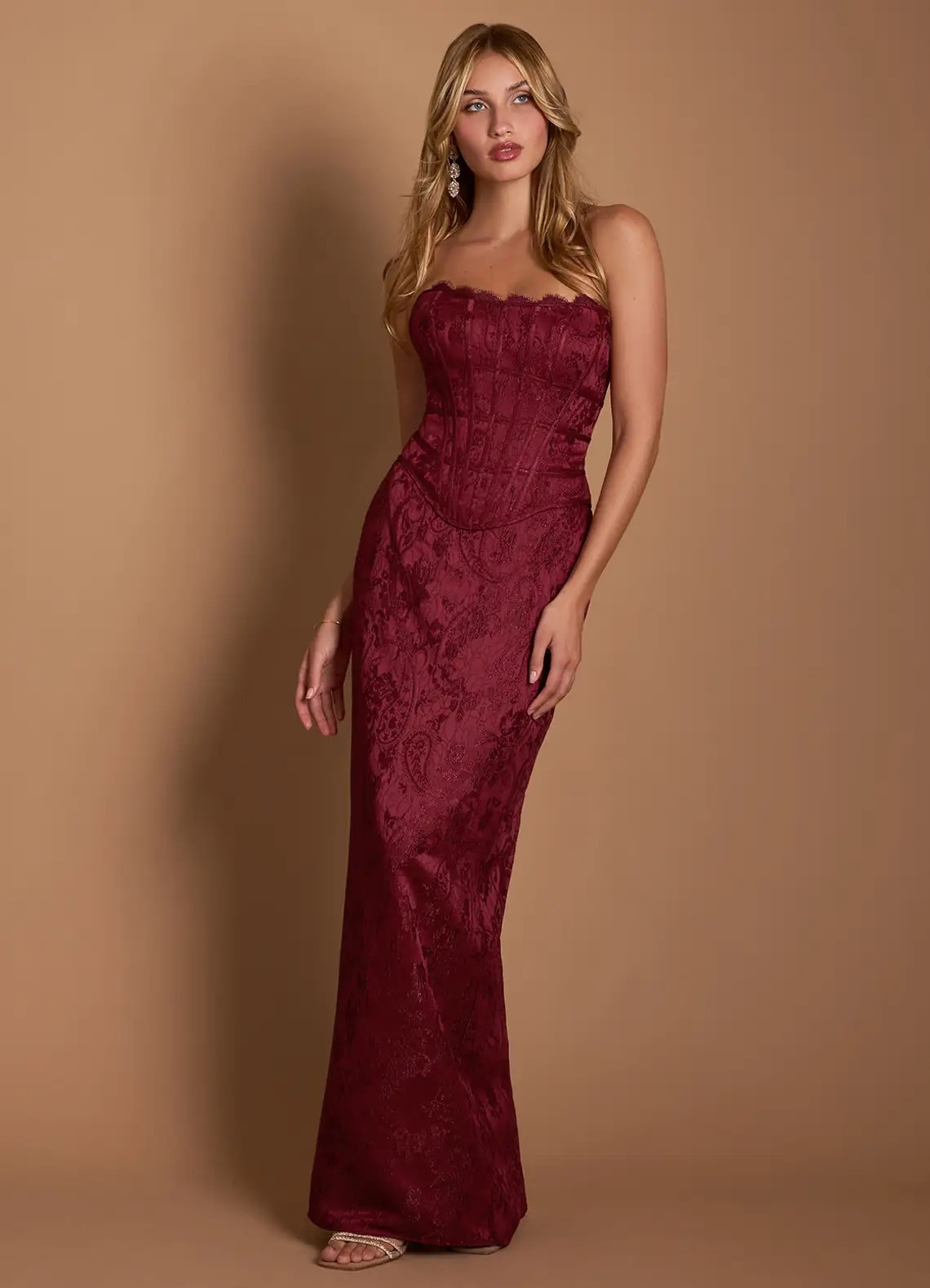
Measure your bust, waist, and hips with a soft tape measure while wearing the undergarments you’ll use for the event. Compare your measurements to the size chart and choose the size that matches your largest measurement.
Most formal dresses need 1–2 fittings for hem and strap adjustments. Order 4–6 weeks before your event to allow time for alterations.
Body Measurement Guide
| Measurement | How to Measure | Common Mistakes | When to Size Up |
| Bust | Fullest part, tape parallel to floor | Measuring too tight, wrong bra | Between sizes |
| Waist | Natural waist (narrowest point) | Measuring over clothing | Waist is largest measurement |
| Hips | Fullest part, 7–9 inches below waist | Tape not level | Hips are largest measurement |
| Hollow to hem | Base of neck to floor in heels | Not wearing event shoes | For custom length |
Step-by-Step: How to Measure Yourself
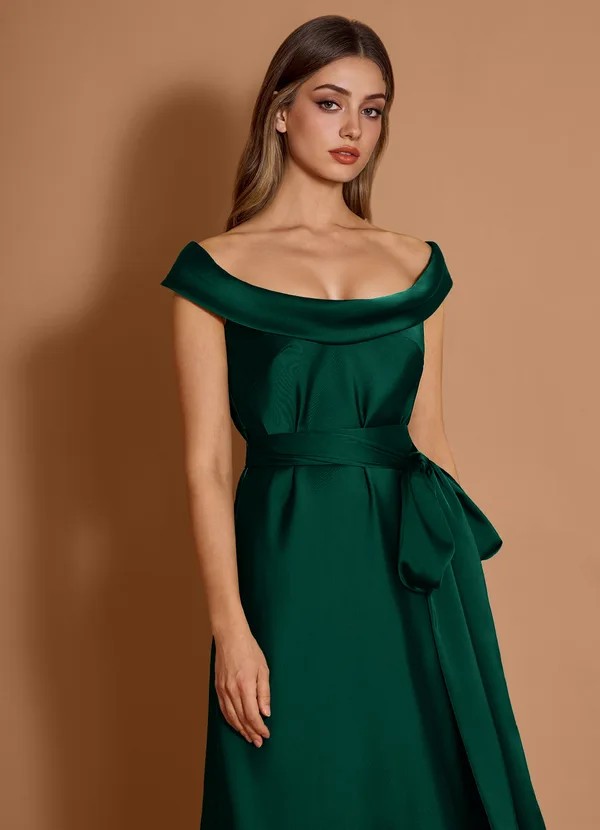
Follow these 5 steps for accurate measurements:
Step 1: Gather your tools
Get a soft measuring tape, a mirror, and someone to help if possible. Wear the bra and underwear you’ll use for your event. Stand straight with your feet together.
Step 2: Measure your bust
Wrap the tape around the fullest part of your bust. Keep the tape parallel to the floor and snug but not tight. Don’t hold your breath—measure while breathing normally.
Step 3: Measure your waist
Find your natural waist by bending to one side. The crease is your natural waist. Wrap the tape around this point without pulling tight.
Step 4: Measure your hips
Stand with feet together and measure around the fullest part of your hips. This is usually 7–9 inches below your natural waist. Keep the tape level all the way around.
Step 5: Record and compare
Write down all three measurements in inches. Compare each measurement to the size chart. Choose the size that fits your largest measurement.
Standard Size vs. Custom Sizing
Standard Sizing
- Pre-set measurements for bust, waist, and hips
- Ships faster than custom options
- Works when your measurements match standard proportions
- Most affordable option
- Easy alterations for minor adjustments
Standard sizing works for about 70% of people. Check if your measurements fall within one size on the chart.
Custom Sizing
- Made to your exact bust, waist, and hip measurements
- Better fit with fewer alterations needed
- Ideal if you’re between standard sizes
- Non-returnable in most cases
Custom sizing is best when your measurements span multiple standard sizes. It reduces alteration time and costs.
When to Choose Custom
- Your measurements span 2 or more standard sizes
- You have a significant difference between bust and waist
- You’re petite (under 5’2″) or tall (over 5’10”)
- You want minimal alterations
- The dress has intricate details that are hard to alter
Custom sizing gives you a head start on fit. You’ll still need a fitting for final adjustments.
How to Read a Size ChartUnderstanding the Numbers
- Measurements show the range for each size
- If one measurement is larger, size up
- You can take in fabric but can’t add it
- Most dresses have 1–2 inches of ease built in
Never size down hoping to lose weight. Order the size that fits you now.
What If I’m Between Sizes?
- Order the larger size if you’re between two sizes
- Alterations can take in excess fabric easily
- Consider custom sizing if you’re more than 2 inches between sizes
- Check if the dress has stretch—this gives more flexibility
Taking in a dress is simpler than letting it out. Most fabrics don’t have extra seam allowance.
Silhouette and Fit Guide
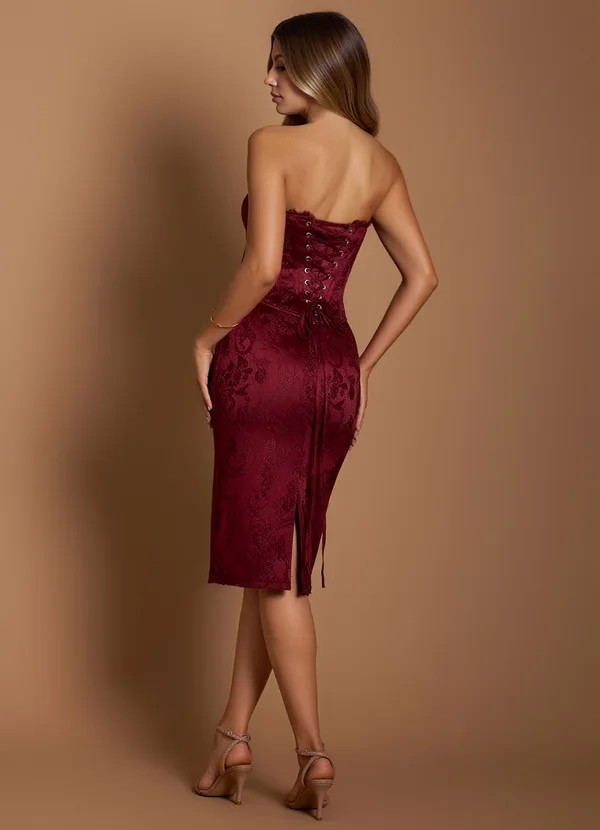
A-Line Dresses
- Fitted at bust and waist, flows over hips for an elegant silhouette
- Most forgiving silhouette for alterations
- Hides hip and thigh areas naturally
- Works for apple, pear, and hourglass shapes
Fit tips:
- Focus on bust and waist measurements
- Hip measurement less critical due to flow
- Shoulder and neckline should fit without gaping
- Hem can be adjusted easily
Sheath and Bodycon Styles
- Follows your body’s natural shape closely
- Requires precise measurements for all three points
- Best in stretch fabrics for comfort
- Shows figure definition throughout
Fit tips:
- All three measurements must be accurate
- Look for stretch satin or crepe fabrics
- Size up if between sizes—these show every line
- Consider shapewear for smooth lines
Fit-and-Flare
- Fitted bodice through waist, then flares at hips
- Highlights waist while skimming hips and thighs
- Good for pear and hourglass body types
- Moderate difficulty for alterations
Fit tips:
- Bust and waist measurements are most important
- Flare should start at or just below the hip
- Avoid if you want to minimize bust
- Waist seam placement affects overall proportion
Empire Waist
- High waistline just below bust
- Flows loosely from waist to hem
- Flatters most body types and heights
- Easy to alter at hem and straps
Fit tips:
- Bust measurement is critical for fit
- Waist band should sit comfortably under bust
- Skirt portion very forgiving
- Good choice if you’re early in pregnancy
Common Fit Issues and Solutions
| Fit Issue | Cause | Solution | Alteration Time |
| Gaping neckline | Bust too large for frame | Take in shoulder seams | 1–2 days |
| Tight bust | Sized for smaller measurement | Let out seams if possible | 2–3 days |
| Long straps | Standard length too long | Shorten straps | 1 day |
| Loose waist | Sized up for hips/bust | Take in side seams | 2–3 days |
| Dragging hem | Standard length too long | Hem to correct length | 1–2 days |
Bust Fit Problems
- Gaping at neckline means dress is too large in shoulders
- Pulling or puckering means bust area is too small
- Quadding (flesh spillover) means you need a larger size
- Wrinkles under bust mean the bodice is too long
Quick fixes:
- Fashion tape for minor gaping
- Cups or inserts for small gaps
- Professional alterations for major issues
- Consider a different neckline style
Waist Fit Problems
- Fabric bunching means waist is too loose
- Can’t zip or button means waist is too tight
- Waist seam sits above or below natural waist
- Side seams twist toward front or back
Quick fixes:
- Take in side seams for loose waist
- Size up if you can’t close the dress
- Adjust waist seam placement during alterations
- Check that you measured at true natural waist
Hip and Hem Issues
- Dress rides up when walking means hips are too tight
- Fabric pools on floor means hem is too long
- Can’t sit comfortably means hips need more room
- Side slits too high or low for comfort
Quick fixes:
- Size up for hip tightness
- Hem to proper length with shoes on
- Add ease to hip seams if fabric allows
- Adjust slit height during fitting
Fitting Appointment Guide
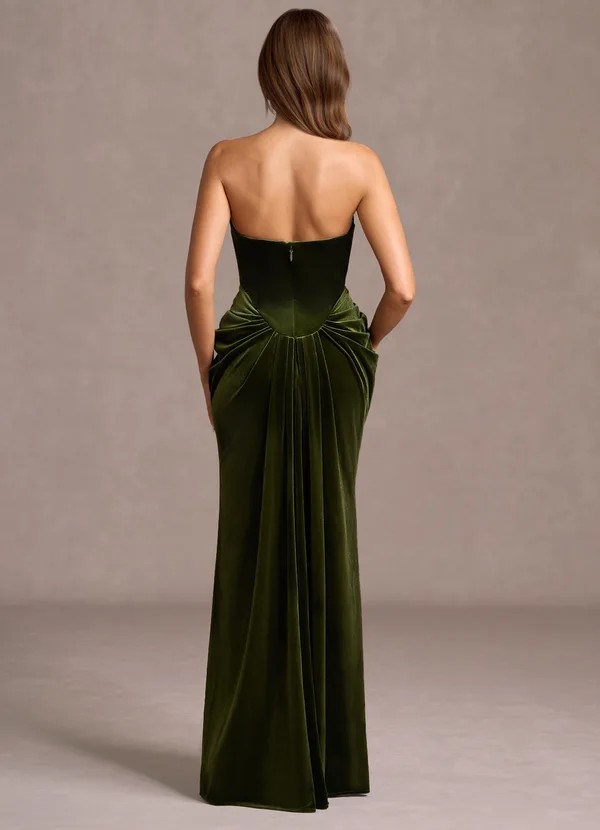
First Fitting Checklist
- Bring the shoes you’ll wear to the event
- Wear similar undergarments to your event day
- Bring hair up if you plan to wear it up
- Allow 30–45 minutes for the appointment
- Mark areas that feel tight or loose
The first fitting happens 1–2 weeks after ordering. Bring any accessories you plan to wear.
What to Expect at Fittings
- Tailor pins areas that need adjustment
- You’ll stand and sit to test comfort
- Hem marked with shoes on
- Strap length and neckline checked
- Side seams evaluated for proper drape
Common first fitting adjustments:
- Hem to proper length
- Strap shortening or lengthening
- Side seam taking in
- Bust area adjustment
- Neckline securing
Second Fitting (If Needed)
- Check all alterations from first fitting
- Test movement by walking and sitting
- Verify hem clears floor by half inch
- Make any final minor tweaks
- Usually 3–5 days before your event
Most formal dresses only need one fitting. Complex alterations may require a second visit.
Body Shape and Silhouette Matching
Hourglass Body Type
Measurements: Bust and hips similar, defined waist
Best silhouettes:
- Fit-and-flare to show curves
- Sheath to highlight proportions
- Wrap styles to emphasize waist
- Avoid shapeless empire styles
Fit priorities:
- Waist definition is key
- Choose styles that nip at natural waist
- Both bust and hip measurements matter equally
Pear Body Type
Measurements: Hips larger than bust, defined waist
Best silhouettes:
- A-line to balance proportions
- Fit-and-flare with fuller skirt
- Empire waist to draw eye up
- Avoid body-con and mermaid
Fit priorities:
- Size for your hips, alter bust and waist
- Look for details at neckline and shoulders
- Dark colors on bottom, details on top
Apple Body Type
Measurements: Bust larger than hips, less defined waist
Best silhouettes:
- Empire waist to skim midsection
- A-line for overall balance
- V-neck or scoop to elongate
- Avoid cinched waists and belts
Fit priorities:
- Size for bust measurement
- Avoid fabric that clings at waist
- Look for vertical details and seams
Rectangle Body Type
Measurements: Bust, waist, and hips similar
Best silhouettes:
- Fit-and-flare to create curves
- Belted styles to define waist
- Peplum details for dimension
- Avoid straight sheaths
Fit priorities:
- All three measurements similar, so standard sizing often works
- Add definition with seaming and details
- Ruching and draping create curves
Fabric and Stretch Considerations
Stretch Fabrics
- Give 1–2 inches of flexibility in fit
- More forgiving if between sizes
- Hug curves without restrictive feeling
- Less alteration needed overall
Common stretch fabrics:
- Stretch satin (most popular)
- Jersey knit
- Crepe with elastane
- Ponte
Sizing tips for stretch:
- Can size down if you prefer fitted look
- Still measure accurately—stretch isn’t magic
- Check stretch percentage (5–15% is typical)
- More stretch means more form-fitting
Non-Stretch Fabrics
- Require precise measurements
- Less room for sizing errors
- Traditional formal look
- More structured drape
Common non-stretch fabrics:
- Chiffon
- Organza
- Taffeta
- Satin (without elastane)
Sizing tips for non-stretch:
- Always size up if between measurements
- Allow extra room for comfort and movement
- Can’t rely on fabric to stretch over time
- Critical to try on before alterations
Frequently Asked Questions
How much should a formal dress be altered?
Most formal dresses need 1–2 simple alterations like hemming and strap adjustments. Complex alterations (taking in multiple seams, changing necklines) should cost less than 30% of the dress value. If alterations exceed this, consider ordering a different size or style.
Standard alterations take 3–7 days. Rush services are available for last-minute needs.
Should I lose weight before ordering my formal dress?
No, order the dress in your current size. Altering a dress to be smaller is easier and less expensive than letting it out. Most dresses only have 1 inch of seam allowance for letting out.
Order for the body you have now. You can always take it in later if needed.
Can all formal dresses be altered?
Most formal dresses can be hemmed, have straps adjusted, and have side seams taken in. Dresses with intricate beading, all-over patterns, or bonded fabrics are harder to alter. Letting out is limited by seam allowance—usually only 1–2 inches.
Check alteration difficulty before ordering if you know you’ll need significant changes.
What if my measurements don’t match any size?
Choose custom sizing if your measurements span more than two standard sizes. If custom isn’t available, order the size that fits your largest measurement. Taking in excess fabric is easier than adding fabric.
You can also order two sizes and return the one that doesn’t fit. Check return policies first.
Do I need to bring anything to my fitting?
Bring the shoes you’ll wear to the event, the undergarments (bra and shapewear), and any accessories. Wear your hair in the style you plan for the event. Allow 30–45 minutes for the appointment.
The tailor needs to see the complete look. Bring photos of your desired result if you have them.
How do I know if a dress fits correctly?
The dress fits correctly when you can move, sit, and breathe comfortably. Seams should lie flat without pulling. You should be able to lift your arms without the dress riding up. The hem should just clear the floor when standing.
Walk around the fitting room. If anything feels restrictive, it needs adjustment.
How do I know if I should size up or down when between sizes?
If you’re between two sizes, always size up. It’s easier to take in a dress than to let it out. Custom sizing is ideal if your measurements span more than 2 standard sizes or if you want minimal alterations.
How important is fabric stretch for the fit?
Stretch fabrics like stretch satin, crepe with elastane, or jersey give 1–2 inches of flexibility and hug curves comfortably. Non-stretch fabrics require precise measurements because they offer little room for error.
Can I alter a dress with a complicated neckline or beading?
Yes, but alterations may be limited. Intricate beading, bonded fabrics, or detailed necklines are harder to adjust, and letting out seams is restricted to 1–2 inches of seam allowance. Discuss options with your tailor before ordering.
How can I ensure the hem is correct for my shoes?
Bring the shoes you plan to wear to your fitting. The tailor will adjust the hem so the dress just clears the floor while standing, preventing tripping and ensuring proper drape for movement.