
How do I ensure that my formal dress is comfortable to wear all evening?
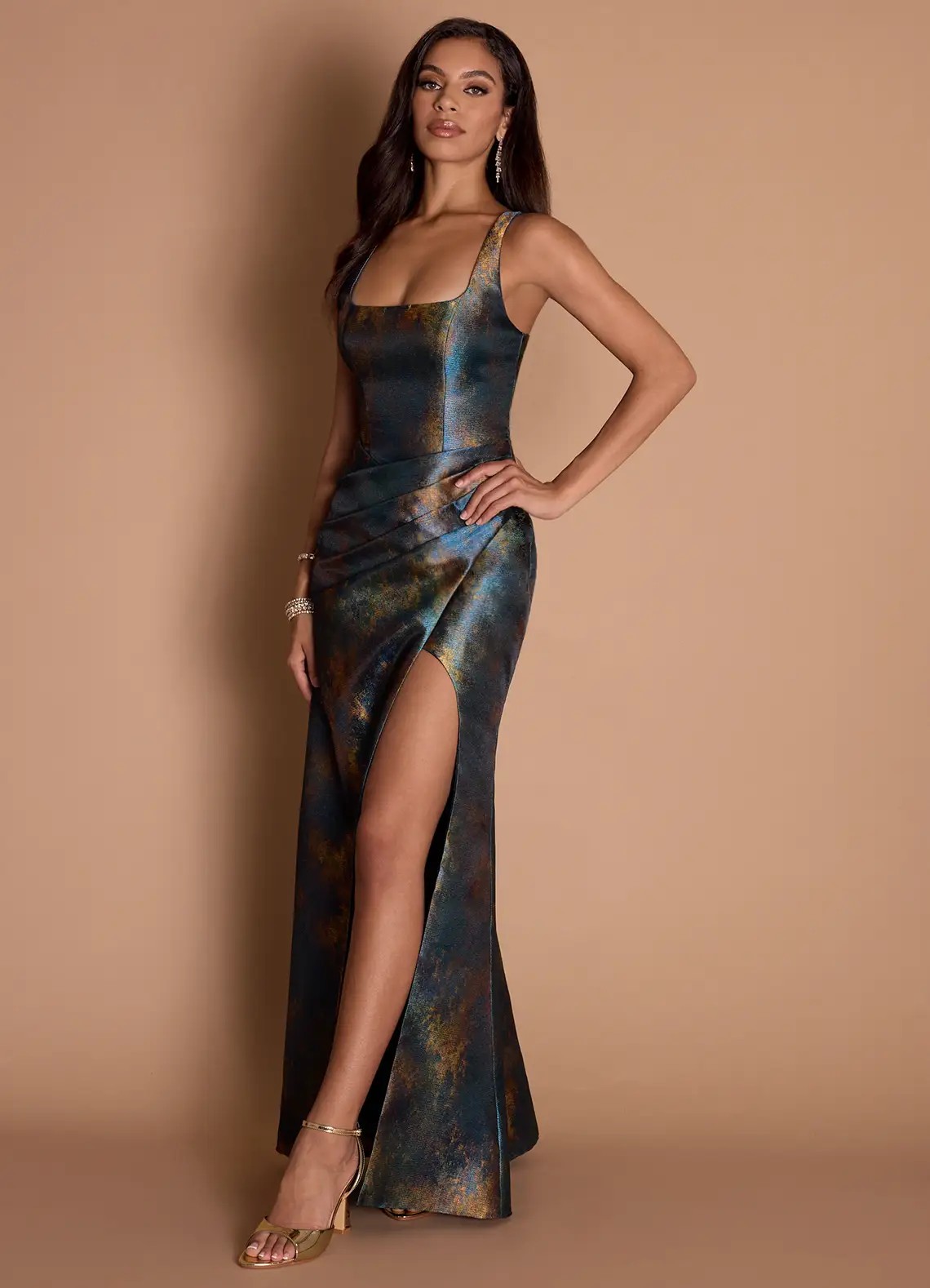
Choose a formal dress with stretch fabric like stretch satin or crepe. Test the dress for 30 minutes at home by sitting, walking, and lifting your arms. Add a proper fit with 1–2 alterations for hem and straps.
Wear the right undergarments and break in your shoes before the event. Most formal events last 4–6 hours, so comfort matters as much as style.
Comfort Factors Comparison
| Factor | Why It Matters | Test at Home | Quick Fix | Plan Ahead |
| Fabric stretch | Allows movement, breathing | Sit and bend | Can’t fix | Order stretch fabrics |
| Proper fit | No pinching or gaping | Wear 30+ minutes | Alterations | Size correctly from start |
| Undergarments | Smooth lines, support | Test with dress | Fashion tape | Buy quality shapewear |
| Shoes | Avoid pain, blisters | Walk 1 hour at home | Backup flats | Break in 2 weeks early |
| Temperature | Stay cool or warm | Check venue info | Bring wrap | Choose seasonal fabrics |
Step-by-Step: Test Your Dress Comfort
Follow these 5 steps before your event:
Step 1: Do a 30-minute home test
Put on your complete outfit 1–2 weeks before the event. Wear it around your house for 30 minutes minimum. Sit, walk, reach up, and bend to test movement.
Step 2: Check all pressure points
Pay attention to areas that dig in or feel tight. Common problem spots are underarms, waist, bust, and back of neck. Mark these areas for alterations if needed.
Step 3: Test temperature comfort
Wear the dress in a room similar to your venue temperature. Indoor venues are often air-conditioned while outdoor events can be warm. Layer or remove wraps to test both scenarios.
Step 4: Evaluate ease of movement
Walk up stairs if your venue has them. Practice sitting and standing as you would at a dinner table. Try dancing or moving your arms as if socializing.
Step 5: Note any issues for fixing
Write down everything that feels uncomfortable. Schedule alterations for structural issues. Plan backup solutions like fashion tape or backup shoes for minor concerns.
Fabric Choice for All-Night Comfort
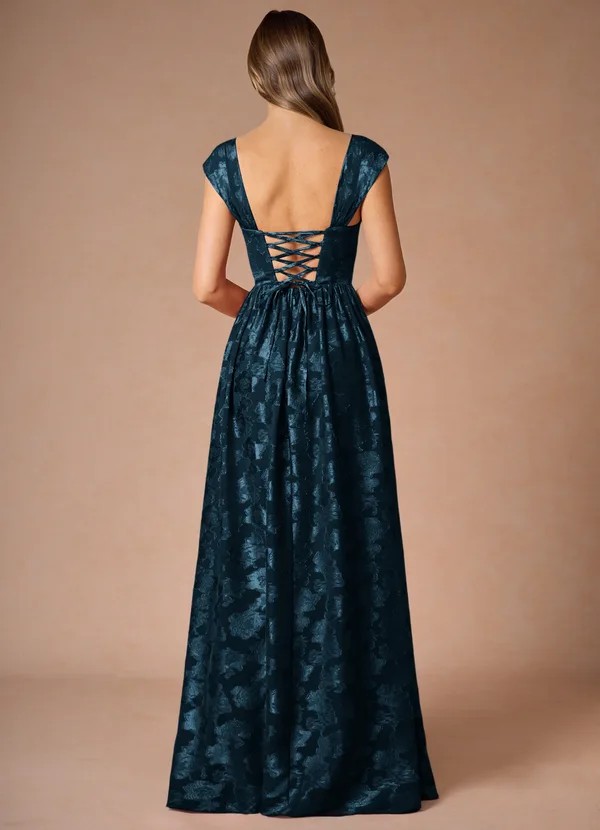
Best Comfortable Fabrics
Stretch Satin
- Moves with your body naturally
- Has 5–15% elastane for flexibility
- Doesn’t wrinkle easily during wear
- Most popular choice for comfort
Stretch satin looks formal but feels forgiving. It works for 4–6 hour events without restriction.
Crepe
- Breathable and temperature-regulating
- Slight stretch without looking casual
- Resists wrinkles when sitting
- Medium weight for year-round wear
Crepe is comfortable in both warm and cool venues. It maintains structure without feeling stiff.
Jersey Knit
- Very stretchy and soft against skin
- Best for less formal events
- Can look too casual for black-tie
- Extremely comfortable for long wear
Jersey works well for semi-formal events. Choose heavier jersey to avoid cling.
Chiffon (with lining)
- Lightweight and breathable
- Doesn’t trap heat or moisture
- Needs proper lining for coverage
- Flows without restricting movement
Chiffon is ideal for summer and outdoor events. Multiple layers can feel bulky, so keep linings minimal.
Fabrics to Avoid for Long Events
Stiff Satin (no stretch)
- Restricts movement and breathing
- Wrinkles permanently when sitting
- Can dig into skin at seams
- Feels uncomfortable after 2–3 hours
Heavy Taffeta
- Too structured for all-night comfort
- Makes noise when moving
- Doesn’t breathe well
- Better for short photo sessions
Sequined/Beaded Overlays
- Can scratch skin and snag on furniture
- Adds weight that causes fatigue
- Restricts movement due to stiffness
- Choose minimal beading or none
Fit Adjustments for Maximum Comfort
Critical Fit Areas
| Area | Comfort Issue | How to Fix | Test Method |
| Bust | Gaping or too tight | Adjust side seams, add cups | Lift arms, bend forward |
| Waist | Restrictive breathing | Let out or move waistline | Sit for 10 minutes |
| Underarms | Chafing, pinching | Deepen armhole, add ease | Reach across body |
| Straps | Digging into shoulders | Widen straps, redistribute weight | Wear 20+ minutes |
| Hem | Tripping hazard | Adjust to half-inch floor clearance | Walk, climb stairs |
Bust and Bodice Comfort
- Built-in cups should support without underwire pressure
- Side seams shouldn’t cut into breast tissue
- Neckline should stay in place without tugging
- Boning (if present) should lie flat against body
Quick fixes:
- Add silicone bra strap cushions for shoulder relief
- Use fashion tape to secure gaping necklines
- Insert softer bra cups if built-ins are too firm
- Add a small panel of stretch fabric under arms
Waist and Hip Comfort
- Waistline should allow full breath without loosening
- Can sit for 30 minutes without unbuttoning or unzipping
- No rolling or bunching when moving
- Side seams stay in place, don’t twist
Quick fixes:
- Let out waist seams by 1 inch if available
- Move waistline up or down to natural waist
- Add gusset at side seams for breathing room
- Choose dresses with corset back for adjustability
Strap and Shoulder Comfort
- Weight distributed evenly across shoulders
- Straps don’t slip off or dig in
- Can shrug shoulders without dress shifting
- No red marks after 20 minutes of wear
Quick fixes:
- Widen narrow straps to distribute weight
- Add silicone gripper tape inside straps
- Switch to crisscross back for better support
- Consider halter style to remove shoulder pressure
Undergarment Strategy for Comfort
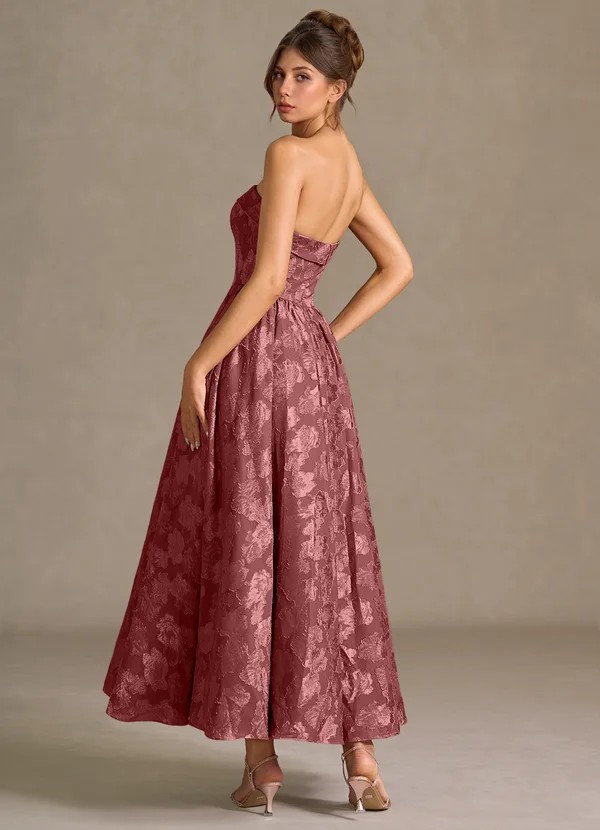
Shapewear Selection
Light Control (4–6 hour events)
- Seamless boy shorts or shaping briefs
- Provides smoothing without restriction
- Allows bathroom breaks easily
- Best for dresses with some structure
Light control works for most formal events. It smooths lines without feeling like a girdle.
Medium Control (special occasions)
- High-waisted shaping shorts or slip
- More compression for streamlined look
- Can feel restrictive after 3–4 hours
- Choose with bathroom-friendly design
Medium control is fine for shorter events. Test it at home for your tolerance level.
Skip Shapewear When:
- Dress already has built-in support
- Event is outdoors in heat
- You’ll be dancing frequently
- Comfort is higher priority than smoothing
Bra Solutions
Strapless Bras
- Choose silicone gripper band to prevent slipping
- Look for bras with side boning for support
- Go one band size down for security
- Test for 1 hour at home before event
Strapless bras should stay put without constant adjustment. If it slips, try a longline style.
Stick-On Cups
- Work for A-C cups typically
- Give freedom of movement
- Can’t be readjusted once placed
- Practice application before event day
Stick-on cups feel weightless. Apply to clean, dry skin with no lotion or powder.
Built-In Support
- Many formal dresses have cups or boning
- Try the dress without a bra first
- Add cups only if needed for coverage
- Most comfortable option when available
Built-in support eliminates strap pressure. This is the most comfortable choice for long events.
Shoe Comfort Strategy
Breaking In New Shoes
- Wear shoes around house for 1 hour daily for 2 weeks
- Use heel guards and toe pads from day one
- Focus on areas that rub or pinch
- Walk on different surfaces (carpet, tile, stairs)
Never wear brand-new shoes to an event. Even quality shoes need breaking in.
Event Day Shoe Plan
Primary Shoes (ceremony and photos)
- Broken-in heels that match your dress
- Should allow 2–3 hours of wear comfortably
- Bring adhesive pads for emergency cushioning
- Keep heel height under 3 inches for stability
Backup Flats (reception and dancing)
- Foldable flats in clutch or car
- Metallic or neutral to match most dresses
- Switch after dinner when dancing starts
- No shame in prioritizing foot comfort
Emergency Supplies
- Adhesive gel pads for balls of feet
- Heel grips to prevent slipping
- Band-aids for hot spots
- Foot spray or powder for freshness
Heel Height Guidelines
| Heel Height | Comfort Duration | Best For | Not Recommended For |
| Flats (0–1″) | 6+ hours | All-day events, outdoor venues | Very formal black-tie |
| Low (1–2″) | 4–6 hours | Semi-formal, daytime events | When you want height |
| Medium (2–3″) | 3–4 hours | Most formal events | Uneven ground, grass |
| High (3–4″) | 1–2 hours | Photos, ceremony only | Dancing, long standing |
Temperature Management
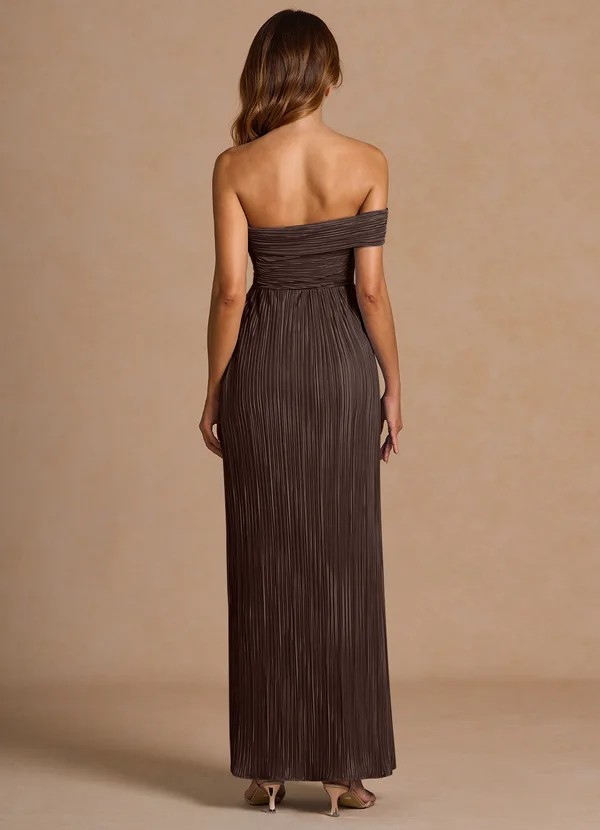
Stay Cool in Warm Venues
- Choose lightweight fabrics like chiffon or light crepe
- Avoid synthetic linings that trap heat
- Look for formal dresses with breathable construction
- Skip heavy shapewear in summer
Cooling strategies:
- Use antiperspirant on underarms and under bust
- Carry a small personal fan in your clutch
- Choose sleeveless or short-sleeve styles
- Request table near air conditioning if possible
Stay Warm in Cold Venues
- Bring elegant wrap, shawl, or pashmina
- Choose dresses with sleeves or higher necklines
- Layer with slip underneath for warmth
- Wear nude tights for leg warmth
Warming strategies:
- Hand warmers in evening bag for cold hands
- Heavier fabrics like velvet or satin
- Long sleeves or three-quarter length
- Request table away from doors or AC vents
Venue Temperature Checklist
- Research venue ahead (indoor/outdoor, season)
- Check weather forecast week before
- Ask hosts about venue temperature control
- Bring layers you can add or remove
- Pack items in car for temperature changes
Movement and Activity Comfort
Sitting Comfort (dinner, ceremony)
- Dress should not pull tight when seated
- Waist should allow comfortable breathing
- Fabric shouldn’t wrinkle permanently
- Can sit for 1–2 hours without adjustment
Test sitting at home for 30 minutes. If anything feels tight, size up or alter.
Standing and Socializing (3–4 hours total)
- Shoes should support for extended standing
- Dress weight shouldn’t cause shoulder fatigue
- Can shift weight between feet comfortably
- Straps don’t dig in after 30 minutes
Standing duration adds up quickly at events. Prioritize shoe comfort for this.
Dancing and Active Movement
- Dress allows full arm range without riding up
- Hem clears floor to prevent tripping
- No risk of wardrobe malfunction when moving
- Undergarments stay in place during activity
Practice dancing at home. Make sure nothing slips, shifts, or exposes.
Bathroom Accessibility
- Can manage dress alone in restroom
- Consider bathroom-friendly closures (zipper vs buttons)
- Practice at home in formal dress
- Shapewear should have opening or be removable
Test the full bathroom process at home. This is often overlooked but crucial.
Pre-Event Comfort Preparation
Two Weeks Before
- Break in shoes with daily 1-hour wear sessions
- Schedule final fitting to address any fit issues
- Test complete outfit for 30+ minutes at home
- Buy any needed supplies (fashion tape, pads, shapewear)
- Practice walking, sitting, and moving in dress
One Week Before
- Confirm all alterations are complete
- Do final comfort test with all accessories
- Pack emergency comfort kit
- Research venue temperature and layout
- Plan shoe switch strategy if needed
Day Before Event
- Steam dress to remove wrinkles
- Lay out complete outfit including all accessories
- Apply new heel pads to shoes if needed
- Charge phone (for emergencies and photos)
- Review bathroom strategy for dress management
Event Day Morning
- Apply antiperspirant and any body products
- Eat a normal meal 2–3 hours before dressing
- Stay hydrated but don’t overdrink
- Allow 45 minutes to dress completely
- Do final comfort check before leaving
Emergency Comfort Kit
Must-Have Items
For Dress:
- Fashion tape or double-sided tape
- Safety pins (3–4 in different sizes)
- Small sewing kit with thread matching dress
- Stain removal pen
- Static spray
For Shoes:
- Adhesive heel grips and toe cushions
- Band-aids (regular and blister-specific)
- Foldable backup flats
- Foot powder or spray
- Pain reliever for foot fatigue
For Body:
- Breath mints or gum
- Blotting papers for shine
- Small deodorant or wipes
- Hair pins matching your hair color
- Lip product for touch-ups
For General Comfort:
- Phone charger or power bank
- Tissues or small pack
- Hand sanitizer
- Small snacks (nuts, granola bar)
- Water bottle for car or venue
Frequently Asked Questions
How long should I be able to wear a formal dress comfortably?
Most formal dresses should feel comfortable for 4–6 hours with proper fit and fabric choice. This covers a typical ceremony, cocktail hour, dinner, and dancing. If your dress becomes uncomfortable after 2 hours, the fit or fabric choice needs adjustment.
Always test your dress at home for at least 30 minutes. This reveals issues you can fix before the event.
What if my dress starts feeling uncomfortable during the event?
Have backup solutions ready: bring fashion tape for gaping necklines, backup flats for tired feet, and a wrap for temperature changes. Excuse yourself to the restroom to make adjustments. If something is digging in, remove it temporarily or adjust shapewear.
Step outside for a few minutes to cool down. Don’t suffer through the entire event—make adjustments as needed.
Should I eat before putting on my formal dress?
Yes, eat a normal meal 2–3 hours before getting dressed. Don’t stuff yourself, but don’t skip meals either. A dress that fits only on an empty stomach is sized incorrectly.
Your dress should allow comfortable breathing and normal eating. If it doesn’t, size up or adjust the waist.
Can I make alterations more comfortable after purchasing?
Yes, most alterations improve comfort. Common comfort alterations include letting out the waist, adjusting strap width, lowering armholes, and adding stretch panels. Discuss comfort issues with your tailor during fittings.
Alterations typically take 3–7 days. Schedule them 2–3 weeks before your event.
Is it acceptable to change shoes during a formal event?
Absolutely yes. Many guests switch from heels to flats after dinner and photos. Keep backup flats in your car, at your table, or in a bag. Metallic or neutral flats work with most formal dresses.
Comfort matters more than suffering through 6 hours in painful heels. Make the switch when needed.
How do I prevent chafing from my formal dress?
Apply anti-chafing balm or powder to areas where fabric rubs skin (underarms, inner thighs, back of neck). Choose dresses with smooth seams and linings. Wear seamless shapewear to create a barrier between skin and dress fabric.
Test your dress at home to identify potential chafing spots. Apply preventive products before getting dressed.
How can I prevent my dress from riding up while moving or dancing?
Choose a dress with proper fit at the waist and hips, test movement at home, and consider fashion tape or silicone strips to keep layers in place. Avoid fabrics that are too slippery or overly lightweight without lining.
What’s the best way to stay comfortable in strapless or off-shoulder dresses?
Use silicone gripper bands, built-in support, or stick-on cups. Test raising your arms, sitting, and dancing at home. Ensure the dress stays in place without constant adjustments.
How do I manage long hair or accessories for comfort?
Use secure hairpins and hairstyles that won’t tangle with the dress. Avoid heavy necklaces that pull on straps or fabrics, and choose earrings that won’t snag on clothing.
Can I adjust my dress during the event without damaging it?
Yes. Keep safety pins, fashion tape, or small sewing supplies in your emergency kit. Quick fixes for gaping, strap slipping, or minor tears can maintain comfort and appearance without professional help.