
How do I ensure my wedding guest dress is appropriate for the ceremony and reception?
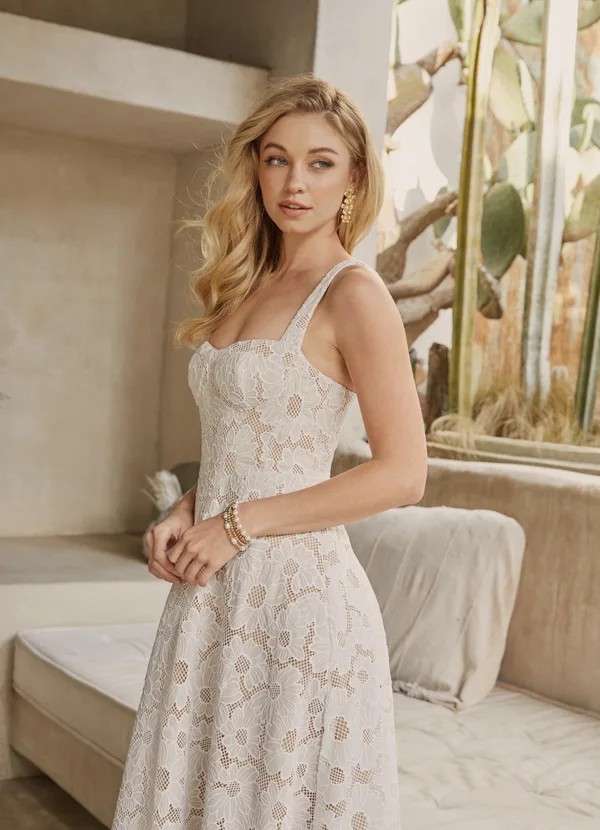
Attending a wedding requires more than just showing up in something pretty. Your outfit must honor the ceremony’s tone and fit the reception’s vibe.
Choosing a dress from the elegant collection at Azazie’s Wedding Guest Dresses gives you great options. But to be truly appropriate for both ceremony and reception, you’ll want to consider venue, timing, dress code, fabric, accessories—and how you’ll transition from “I do” to dancing.
This article walks you through all the steps, tips and checks you need to be confident your dress works throughout the full event.
Read the Invitation Carefully
- Check the dress code: Is it “casual”, “cocktail”, “formal”, “black-tie”?
- Note the time of day and venue: morning garden versus evening ballroom matter.
- See whether the couple has given a color palette or theme.
- Azazie’s wedding guest dress guide recommends referencing the invitation for theme, season and venue.
If you’re unsure, it’s okay to ask the host politely for clarification.
Match Dress Style to Venue & Time
| Venue/Time | Suggested Dress Length & Fabric | Why It Works |
| Outdoor daytime ceremony | Midi or tea-length; light fabrics (chiffon, crepe) | Breathable, comfortable in daylight & uncertain terrain. |
| Beach or garden setting | Flowing maxi, easy silhouette, light layers | Open space, natural light, need to move freely. |
| Indoor evening reception | Full-length gown, richer fabrics (satin, velvet, crepe) | Formal atmosphere, lower light, more polish needed. |
| Destination or mixed venue | Versatile midi or maxi; fabric that resists wrinkles | Travel friendly, transitions between ceremony & party. |
Azazie categorizes dresses by occasion—formal, cocktail, beach—so using that filter helps.
Choose the Right Fabric & Fit
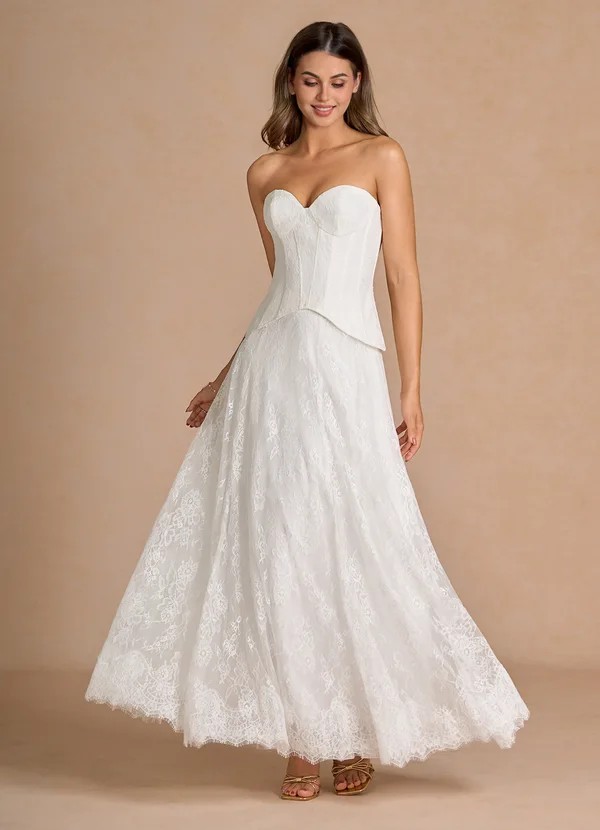
- Fabric matters: Casual weddings → lighter fabrics; Formal receptions → structured/richer fabrics.
- Fit should be comfortable for: walking down an aisle, standing during ceremony, dining and dancing.
- Free custom sizing at Azazie helps ensure fit matches your measurements.
Fabric guide:
- Light fabrics: chiffon, lace overlay — great for daytime/outdoor.
- Structure fabrics: satin, velvet, crepe — better for formal evening.
- Consider lining, support, and whether you’ll need a wrap or jacket for cooler parts of event.
Consider Length, Sleeves & Coverage
Ceremony often involves standing, possibly church or formal setting—so your dress should be respectful.
Reception may allow more freedom.
Key points to check:
- Hemline: For formal or evening events prefer floor or ankle length; for less formal settings midi is acceptable.
- Sleeves/Shoulders: Some places or religious venues require covered shoulders — bring a shawl.
- Coverage vs style: A dress with a high slit or low back can still work—but ensure movement and comfort, and that it aligns with the venue’s tone.
Colour & Theme Alignment
Your dress colour should complement the wedding theme—not distract or clash.
- If the invitation gives a colour palette, aim to align or at least not conflict.
- For ceremonies, avoid white/ivory (unless explicitly allowed) so you don’t compete with the bride.
- For reception, richer or darker tones often feel more appropriate if it’s evening.
- Azazie recommends paying attention to venue and season when selecting color.
Colour table:
| Season/Time | Recommended Tones | Why |
| Morning/Daytime | Pastels, soft neutrals, floral accents | Lighter mood, natural lighting |
| Afternoon/Indoor | Medium tones (dusty rose, sage, slate) | Balanced look, transition into reception |
| Evening/Formal | Jewel tones, deep tones, muted metallics | Matches formal lighting, heightened ambience |
| Outdoor/natural setting | Greens, blues, nature-inspired hues | Harmonizes with surroundings |
Accessorise Thoughtfully for Ceremony & Reception
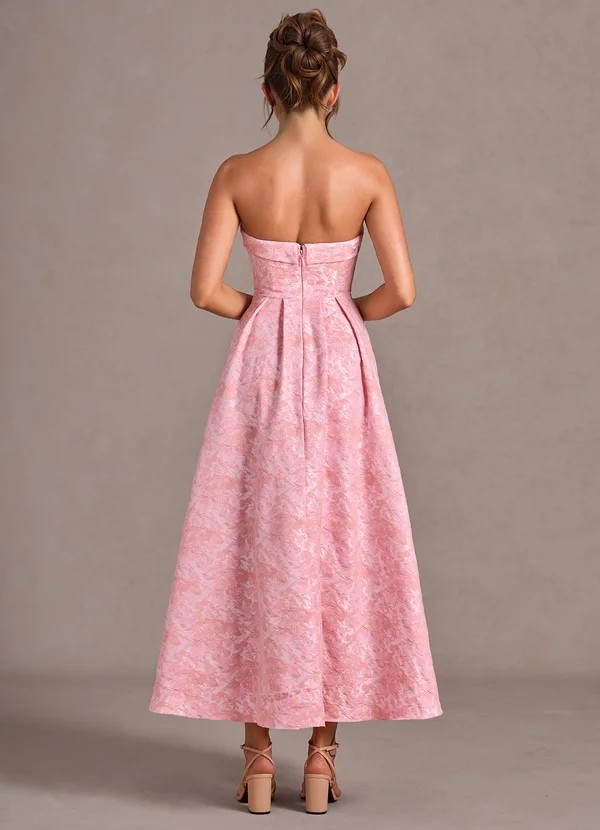
Your accessories must do double duty: respectful during ceremony, elevated at reception.
Key accessory considerations:
- Shoes: For ceremony choose something you can stand in comfortably; for reception you may change or have a backup flat.
- Jewelry: Keep pieces elegant but not over-the-top for ceremony; you can add sparkle later for the party.
- Wrap/shawl/jacket: Especially if venue has air-conditioning or a formal chapel — brings coverage and style.
- Bag/clutch: Choose something compact but big enough for essentials (lipstick, tissues, phone).
- Consider how accessories will photograph: lighting at reception may be dimmer; metallics or subtle shine help.
Dressing for Transitions — Ceremony to Reception
One of the biggest challenges: your dress should work from the ceremony into dinner and dancing.
Checklist for transition-friendly styles:
- Choose a silhouette that allows movement: nothing too restrictive for dinner or dancing.
- Select fabric that travels well (if you’re moving venue) — doesn’t wrinkle easily.
- Possibly bring a second layer or change piece (like a shawl or jacket) to shift the mood.
- Keep makeup/hair flexible so you can freshen up post-ceremony if needed.
- Think about underlayers: especially if lighting changes or you move outdoors → avoid glaring through lights or breezes.
Formality Levels & the Right Dress Code Tier
Know the dress code well and choose accordingly. Miss-matching formality is the easiest way to feel out of place.
| Dress Code | Dress Expectation | Appropriate From Azazie Collection |
| Dressy Casual / Daytime | Midi or tea-length, lighter fabric | Cocktail length, light prints or soft colour tones |
| Semi-Formal / Cocktail | Knee or midi length, quality fabric | Midi-to-maxi, structured but not full-gown |
| Formal / Black-Tie Optional | Floor-length or long gown, luxe fabric | Maxi or formal gown, rich texture |
| Black-Tie | Full-length gown, formal silhouette, evening fabrics | Floor-length satin/velvet, full length gown |
Venue Logistics & Practical Considerations
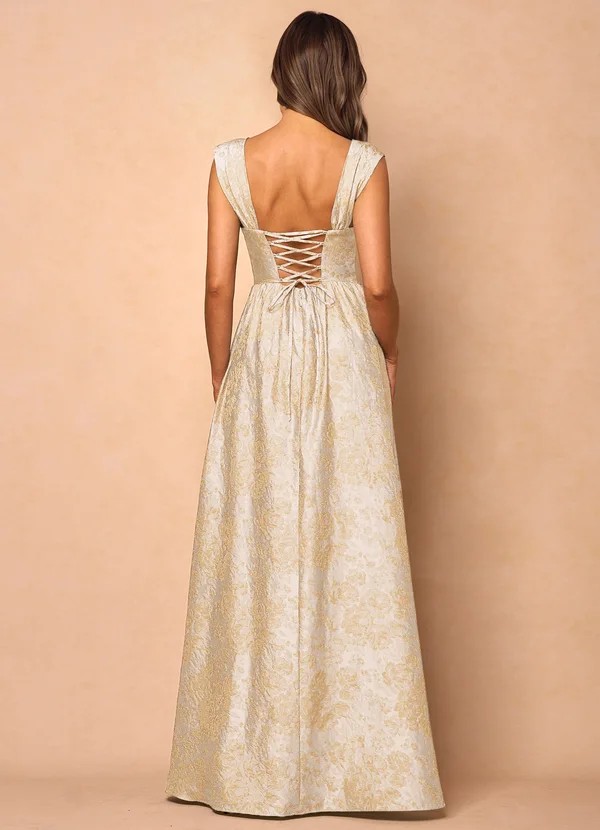
Don’t ignore the practical side of your dress choice. Venue and timing affect not just style but comfort.
- Outdoor venues: grass, sand or uneven ground → choose appropriate shoes, think about fabric length so it doesn’t drag.
- Travel/Destination weddings: fabric that resists wrinkles, dress that’s easy to transport.
- Chapel or religious ceremony: ensure modesty (shoulders covered, skirt length appropriate).
- Evening reception: lighting moves to darker or more ambient → choose texture/fabric that works in that setting.
- Weather and climate: for colder evenings bring a wrap; for hot outdoors choose breathable fabric and lighter styling.
Fit Yourself First
Even a gorgeous dress fails if it doesn’t fit right.
Ensure you have:
- Correct bust, waist, hip measurements and check the brand’s size chart (Azazie offers custom sizing).
- Proper hem length for your selected shoes.
- Comfort in sitting, eating, moving, dancing.
- A final tailoring/fitting time if needed — better to adjust early than show up uncomfortable.
Style for Seasonal & Time-of-Day Changes
Your dress should reflect not only the event but when it happens.
- Morning ceremonies: lighter tones, softer fabrics, shorter length acceptable.
- Afternoon to evening: escalate to richer tones, longer length, more formal structure.
- Winter weddings: heavier fabric, sleeves, dark tones.
- Summer weddings: breathable fabric, possibly fun prints, light colours.
- Azazie’s blog advises getting inspiration from season and venue when choosing guest dresses.
Photogenic & Practical Details
Weddings are for memories—your dress should photograph well and remain comfortable through all moments.
- Avoid extreme shine or large patterns that distract in photos.
- Choose colours that complement skin tone and venue light.
- Consider how fabric drapes when seated, how back looks if you’ll be photographed sitting.
- For outdoor ceremonies: test how the dress looks in bright light.
- For evening receptions: test under dimmer lighting.
Accessory Timeline — Ceremony to Reception
- Before ceremony: simple jewelry, modest shoes, minimal clutch.
- After ceremony / into reception: you can elevate with sparkly earrings, change to heels if needed, add a statement clutch or bold lip.
- Have a small kit in your bag: touch-up lipstick, mini comb, pins, clear nail polish.
- If a dress is neutral or versatile, accessories help transform from ceremony to party easily.
Final Checklist Before the Dress Arrives
- Confirm dress length with shoe height.
- Try the dress sitting, standing, walking.
- Pack a garment bag if travel is involved.
- Bring backup shoes/heel protectors if outdoor.
- Bring a shawl or wrap if weather or venue may require coverage.
- Keep dress care instructions in mind for transport and storage.
Final Thoughts
Ensuring your wedding guest dress is appropriate for both the ceremony and the reception is about intentional choices: from reading the invitation, selecting the right silhouette, fabric and length, to ensuring comfort and style transitions.
The Azazie’s wedding guest dresses collection offers a wide selection to suit various venues, seasons and formality levels.
When you hit every step — venue, time, fabric, fit, accessories — you’ll look polished, feel confident, and be perfectly dressed for every moment from “I do” through the last dance.Celebrate beautifully. Dress thoughtfully. Enjoy the event.
Frequently Asked Questions
How do I choose a dress that works for both an outdoor ceremony and an indoor reception?
Pick a dress with a breathable fabric (like chiffon or crepe), a movable silhouette, and a length that won’t drag outside. Then elevate the look with accessories for the indoor reception.
What if the ceremony is religious—how should I adjust my outfit?
Bring a shawl, wrap, or bolero to add respectful coverage over shoulders or low necklines during the ceremony. You can remove it for the reception if the dress code allows.
Is it acceptable to wear the same dress all day without changing?
Yes—many wedding guests do this. Just ensure the dress is comfortable, not too restrictive, and appropriate for both daylight ceremony settings and evening reception lighting.
Can I wear a bold or statement dress to the reception if the ceremony is more formal?
Yes, if you style it appropriately. Keep accessories minimal during the ceremony, then add bolder jewelry, a statement clutch, or a new lip color for the reception.
How do I make sure my dress photographs well in both ceremony and reception lighting?
Choose solid colors or subtle prints, avoid overly reflective fabrics, and test your dress in natural and dim lighting. Jewel tones, deep neutrals, and soft pastels photograph reliably well.
What should I do if the weather changes between the ceremony and reception?
Bring adaptable layers—a pashmina for cold chapels, a lightweight wrap for breeze, or heel protectors for outdoor ceremony grass. Weather-ready accessories keep your outfit consistent and comfortable.
How formal should my accessories be for a daytime ceremony?
Keep them polished but subtle. Smaller earrings, delicate necklaces, and a simple clutch work perfectly for daytime, then swap for shine or metallic pieces at the reception.
What if the ceremony and reception are at two different venues?
Choose a dress that resists wrinkles and travels well. Midi or maxi dresses in crepe, satin, or chiffon are ideal. Pack lightweight accessories and use a garment bag for smooth transitions.
How can I make a more casual dress feel appropriate for a formal ception?
Elevate with structured layers, metallic heels, statement earrings, and a refined clutch. Adding richer textures (velvet wrap, satin shoes) boosts the formality instantly.
What’s the quickest way to check if my outfit meets the dress code for both parts of the event?
Use a three-step check:
- Match the invitation (dress code + venue).
- Test movement (sitting, walking, dancing).
- Style for transitions (layers, accessories, hair).
If these three align, your dress is almost always appropriate.