
How do I choose the best fabric for a formal dress?
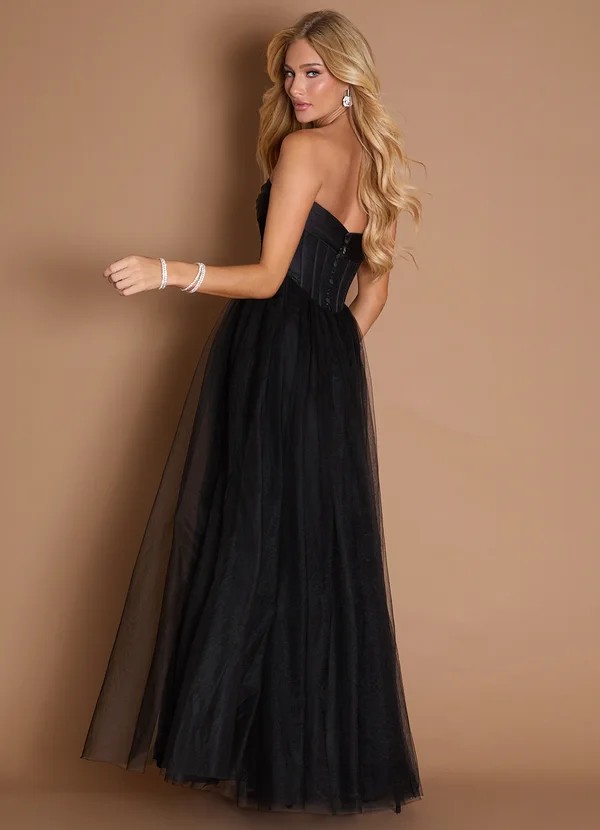
Choosing the right fabric for your formal dress affects comfort, appearance, and how well the dress photographs. Different fabrics suit different body types, seasons, and event formalities. The wrong fabric can make you uncomfortable all evening, while the right choice ensures you look and feel your best from start to finish.
This comprehensive guide explains how to choose the best fabric for formal dresses based on your needs. You’ll learn about the most popular formal dress fabrics, their characteristics, ideal uses, and care requirements.
We’ve included comparison tables, seasonal recommendations, and answers to common fabric questions. By the end, you’ll know exactly which fabric works best for your body type, event, season, and personal preferences, helping you make a confident purchase decision.
Quick Answer
Satin works best for structured formal gowns and photographs well. Chiffon suits flowy A-line styles and warm weather events. Silk offers luxury for high-end galas. Velvet works for fall and winter formal events. Choose based on season (light fabrics for summer, heavy for winter), event formality (silk for black-tie, chiffon for semi-formal), and body type (draping fabrics for curves, structured for definition). Order fabric swatches free before purchasing.
Formal Dress Fabric Comparison
| Fabric | Weight | Formality | Best Season | Drape | Care | Best For |
| Satin | Medium-Heavy | High | Year-round | Structured | Dry clean | Structured gowns, photography |
| Chiffon | Very Light | Medium-High | Spring/Summer | Flowy | Dry clean | Layered skirts, hot weather |
| Silk | Light-Medium | Very High | Year-round | Luxe drape | Dry clean | Black-tie, luxury events |
| Velvet | Heavy | High | Fall/Winter | Structured | Dry clean | Cold weather, vintage style |
| Tulle | Very Light | Medium | Year-round | Voluminous | Gentle wash | Ball gowns, underlayers |
| Lace | Light-Medium | High | Year-round | Textured | Dry clean | |
| Organza | Light | Medium-High | Spring/Summer | Crisp | Dry clean | Structure without weight |
| Sequined | Medium-Heavy | Very High | Year-round | Structured | Professional clean | |
| Crepe | Medium | High | Year-round | Soft drape | Dry clean | Modern, minimalist style |
Formal Dress Fabrics Explained
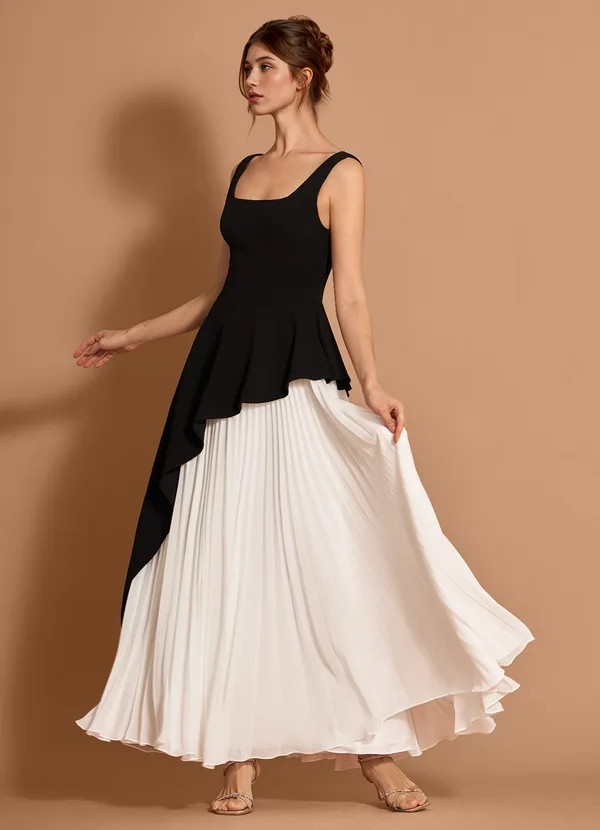
Satin
Satin features a glossy front surface and matte back, created by a specific weaving technique rather than fiber type.
Characteristics:
- Smooth, shiny surface that reflects light
- Medium to heavy weight
- Structured and holds shape well
- Photographs beautifully
- Shows wrinkles easily
Best For:
- Structured bodices and A-line skirts
- Evening galas and black-tie events
- Mermaid and sheath silhouettes
- Photography-heavy events
- Year-round formal occasions
Body Types:
- Works well for all body types
- Best for those wanting definition and structure
- Can cling to curves in tight styles
Care Requirements:
- Dry clean only
- Steam to remove wrinkles (never iron directly)
- Store on padded hangers
- Keep away from rough surfaces
Pros:
- Elegant, formal appearance
- Photographs exceptionally well
- Holds structure and shape
- Versatile for many styles
- Available in rich colors
Cons:
- Shows every wrinkle
- Can be hot in warm weather
- May cling to undergarments
- Expensive to maintain
- Water spots easily
Chiffon
Chiffon is a lightweight, sheer fabric made from silk, polyester, or nylon with a slightly rough feel.
Characteristics:
- Very light and airy
- Sheer (requires lining)
- Flowy and romantic
- Breathable
- Soft drape
Best For:
- Layered skirts and overlays
- Spring and summer events
- A-line and empire waist gowns
- Outdoor weddings and garden parties
- Flowy, romantic looks
Body Types:
- Flatters most body types
- Excellent for pear shapes (skims hips)
- Good for plus-size (doesn’t cling)
- Works for petite (creates flow without bulk)
Care Requirements:
- Dry clean recommended
- Hand wash possible with care
- Air dry only (no heat)
- Use low-heat steaming for wrinkles
- Store carefully (snags easily)
Pros:
- Extremely comfortable in warm weather
- Creates beautiful movement
- Affordable compared to silk
- Soft and feminine
- Layers well with other fabrics
Cons:
- Requires lining (adds cost)
- Snags and tears easily
- Less structured than heavier fabrics
- May look too casual for some events
- Needs gentle handling
Silk
Silk is a natural protein fiber produced by silkworms, considered the most luxurious fabric option.
Characteristics:
- Soft, smooth texture
- Natural sheen (less shiny than satin)
- Light to medium weight
- Breathable and temperature-regulating
- Expensive
Best For:
- White-tie and ultra-formal events
- Luxury galas and high-end weddings
- Classic, timeless gowns
- Those seeking premium quality
- Year-round formal occasions
Body Types:
- Flatters all body types
- Drapes beautifully over curves
- Creates elegant lines
- Lightweight without bulk
Care Requirements:
- Dry clean only for formal dresses
- Keep away from water (water spots)
- Store in breathable garment bags
- Avoid direct sunlight (fades)
- Professional pressing only
Pros:
- Most luxurious feel and appearance
- Natural temperature regulation
- Breathable and comfortable
- Timeless elegance
- Ages beautifully with proper care
Cons:
- Very expensive
- Delicate and easily damaged
- Water spots easily
- Requires professional care
- Wrinkles moderately
Velvet
Velvet is a woven fabric with a dense pile of evenly distributed short fibers, creating a soft, plush texture.
Characteristics:
- Rich, plush texture
- Heavy weight
- Deep color saturation
- Luxurious appearance
- Warm to wear
Best For:
- Fall and winter events
- Holiday parties and galas
- Vintage or classic styling
- Cool weather formal occasions
- Evening events
Body Types:
- Best for hourglass and rectangle shapes
- Can add visual weight
- Works well in structured styles
- Choose stretch velvet for curves
Care Requirements:
- Professional dry cleaning only
- Never iron directly (crushes pile)
- Steam carefully from reverse side
- Store on padded hangers
- Brush pile gently to maintain texture
Pros:
- Rich, luxurious appearance
- Deep, saturated colors
- Warm and comfortable in cold weather
- Photographs with beautiful depth
- Hides minor imperfections
Cons:
- Too hot for spring/summer
- Very heavy fabric
- Shows wear and crushing
- Difficult to alter
- Expensive to clean
Tulle
Tulle is a fine netting fabric made from silk, nylon, or polyester, commonly used to create volume.
Characteristics:
- Very lightweight netting
- Creates volume without weight
- Available in soft and stiff varieties
- Sheer (requires lining)
- Holds shape
Best For:
- Ball gown skirts
- Underlayers for volume
- Layered over satin or silk
- Romantic, princess-style gowns
- Youthful, dramatic looks
Body Types:
- Best for pear shapes (adds volume to balance)
- Works for petite (creates presence)
- Can overwhelm very small frames in excess
- Good for hiding lower body
Care Requirements:
- Gentle hand wash or dry clean
- Air dry only
- Steam wrinkles carefully
- Store with plenty of space (crushes easily)
- Avoid direct heat
Pros:
- Very lightweight despite volume
- Affordable option
- Creates dramatic effects
- Easy to layer
- Available in many colors
Cons:
- Can look juvenile if overdone
- Scratchy against bare skin (needs lining)
- Snags easily on jewelry
- Difficult to sit in (very full skirts)
- Less formal than other fabrics
Lace
Lace is an openwork fabric created by looping, twisting, or knitting thread in patterns.
Characteristics:
- Delicate, textured appearance
- Light to medium weight
- Romantic and feminine
- Requires lining underneath
- Intricate patterns
Best For:
- Overlays on other fabrics
- Romantic, vintage-inspired gowns
- Bodice details and sleeves
- Garden weddings and spring events
- Adding texture and interest
Body Types:
- Flatters most body types
- Adds visual interest without bulk
- Works well in strategic placement
- Can highlight or camouflage areas
Care Requirements:
- Professional dry cleaning only
- Extremely delicate (snags easily)
- Never wring or twist
- Store flat or on padded hangers
- Keep away from jewelry and rough surfaces
Pros:
- Beautiful, intricate details
- Romantic and feminine
- Adds texture and dimension
- Works well combined with other fabrics
- Timeless elegance
Cons:
- Very delicate and snags easily
- Expensive for quality lace
- Difficult to alter
- Requires lining (adds cost)
- Can look dated if not styled well
Organza
Organza is a thin, crisp fabric made from silk, polyester, or nylon with a sheer, stiff texture.
Characteristics:
- Lightweight but crisp
- Holds shape well
- Sheer (needs lining)
- Slightly shiny surface
- Creates structure
Best For:
- Ball gown overlays
- Structured skirts without weight
- Spring and summer formal events
- Layering over other fabrics
- Creating volume and shape
Body Types:
- Works for most body types
- Creates structure for rectangle shapes
- Good for petite (volume without weight)
- Can add bulk if overused
Care Requirements:
- Dry clean only
- Iron on low heat if needed
- Store flat or hanging
- Avoid rough surfaces (snags)
- Keep away from heat sources
Pros:
- Structured without heavy weight
- Holds shape beautifully
- Affordable option
- Creates elegant volume
- Works well in warm weather
Cons:
- Can be stiff and uncomfortable
- Rustles when moving
- Wrinkles in tight folds
- Snags relatively easily
- Less luxurious feel than silk
Sequined and Beaded Fabrics
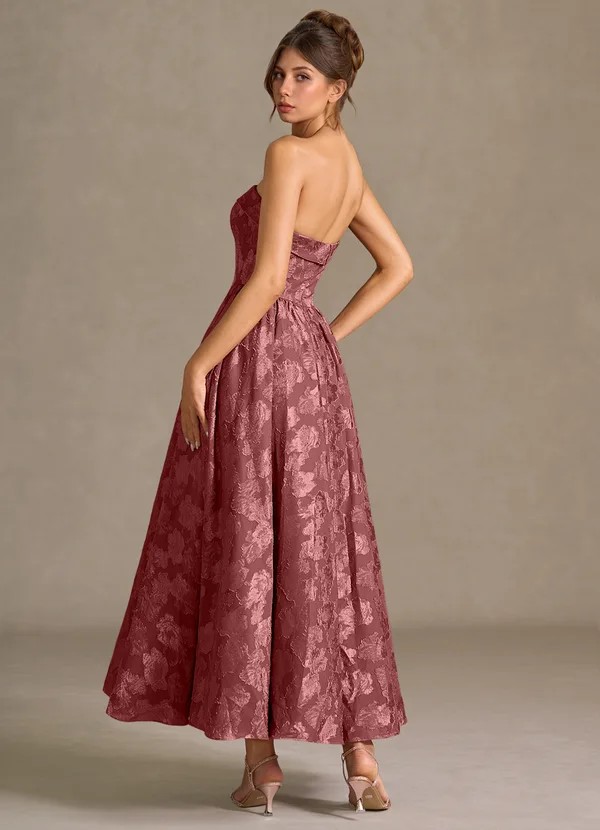
Sequined and beaded fabrics feature decorative embellishments attached to a base fabric like mesh or silk.
Characteristics:
- Heavy weight from embellishments
- Sparkles and catches light
- Dramatic, eye-catching
- Structured (doesn’t drape much)
- Expensive
Best For:
- Evening galas and formal events
- New Year’s Eve and holiday parties
- Proms and milestone celebrations
- Photography-heavy events
- Making bold statements
Body Types:
- Best for those comfortable with attention
- Can add visual weight
- Works well in strategic placement
- Consider all-over vs accent sequins
Care Requirements:
- Professional cleaning only
- Store in breathable garment bags
- Keep away from rough surfaces
- Never iron or steam directly
- Check for loose beads regularly
Pros:
- Extremely eye-catching and glamorous
- Photographs beautifully with flash
- Makes bold fashion statements
- Works for high-energy events
- Unique and memorable
Cons:
- Very heavy to wear all evening
- Uncomfortable for long periods
- Expensive purchase and maintenance
- Can snag on everything
- May be too bold for some events
Choosing Fabric by Season
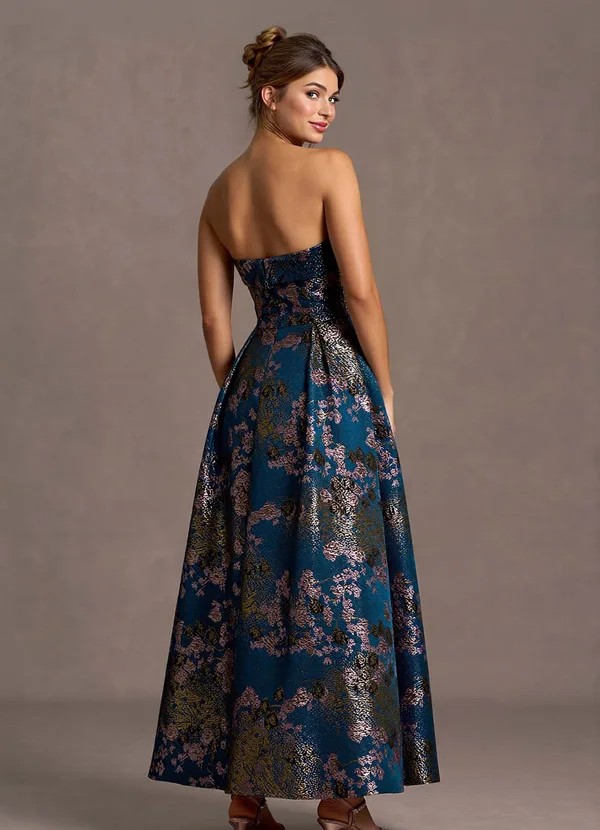
Spring (March–May)
Best Fabrics:
- Chiffon (light, airy, comfortable)
- Organza (structure without heat)
- Light silk (breathable, elegant)
- Lace (romantic, seasonal)
- Crepe (modern, not too heavy)
Colors That Work:
- Pastels (blush, mint, lavender, sky blue)
- Soft neutrals (champagne, ivory, beige)
- Light florals
- Soft jewel tones
Avoid:
- Velvet (too hot)
- Heavy satin (uncomfortable)
- Very thick fabrics
Summer (June–August)
Best Fabrics:
- Chiffon (most comfortable option)
- Light organza (structure with airflow)
- Silk (natural temperature regulation)
- Cotton blends (casual events only)
- Lightweight crepe
Colors That Work:
- Bright jewel tones (coral, turquoise, emerald)
- Light metallics (gold, rose gold)
- Soft pastels
- Vibrant colors
Avoid:
- Velvet (extremely hot)
- Heavy satin (causes sweating)
- Sequins (heavy, hot, uncomfortable)
- Thick lace
Special Considerations:
- Choose sleeveless or short sleeve styles
- Look for breathable linings
- Avoid trains that drag on grass
- Consider outdoor venue temperatures
Fall (September–November)
Best Fabrics:
- Velvet (warm, luxurious)
- Satin (versatile, photographs well)
- Heavier silk (elegant weight)
- Taffeta (crisp, structured)
- Brocade (textured, formal)
Colors That Work:
- Deep jewel tones (burgundy, emerald, sapphire)
- Earth tones (rust, copper, bronze)
- Rich neutrals (chocolate, charcoal, navy)
- Metallics (gold, bronze)
Avoid:
- Very light chiffon (not warm enough)
- Sheer fabrics without layers
- Very pale pastels (not seasonal)
Winter (December–February)
Best Fabrics:
- Velvet (warmest, most luxurious)
- Heavy satin (structured, elegant)
- Silk with lining (adds warmth)
- Brocade (textured, warm)
- Thick lace with lining
Colors That Work:
- Deep, rich colors (burgundy, navy, forest green)
- Metallics (silver, gold, gunmetal)
- Classic black
- Jewel tones
Avoid:
- Very light chiffon (too cold)
- Sleeveless without wrap
- Bare back styles (unless venue is heated)
Special Considerations:
- Consider long sleeves or wraps
- Choose lined fabrics
- Plan for coat check
- Account for heating in venues
Choosing Fabric by Body Type
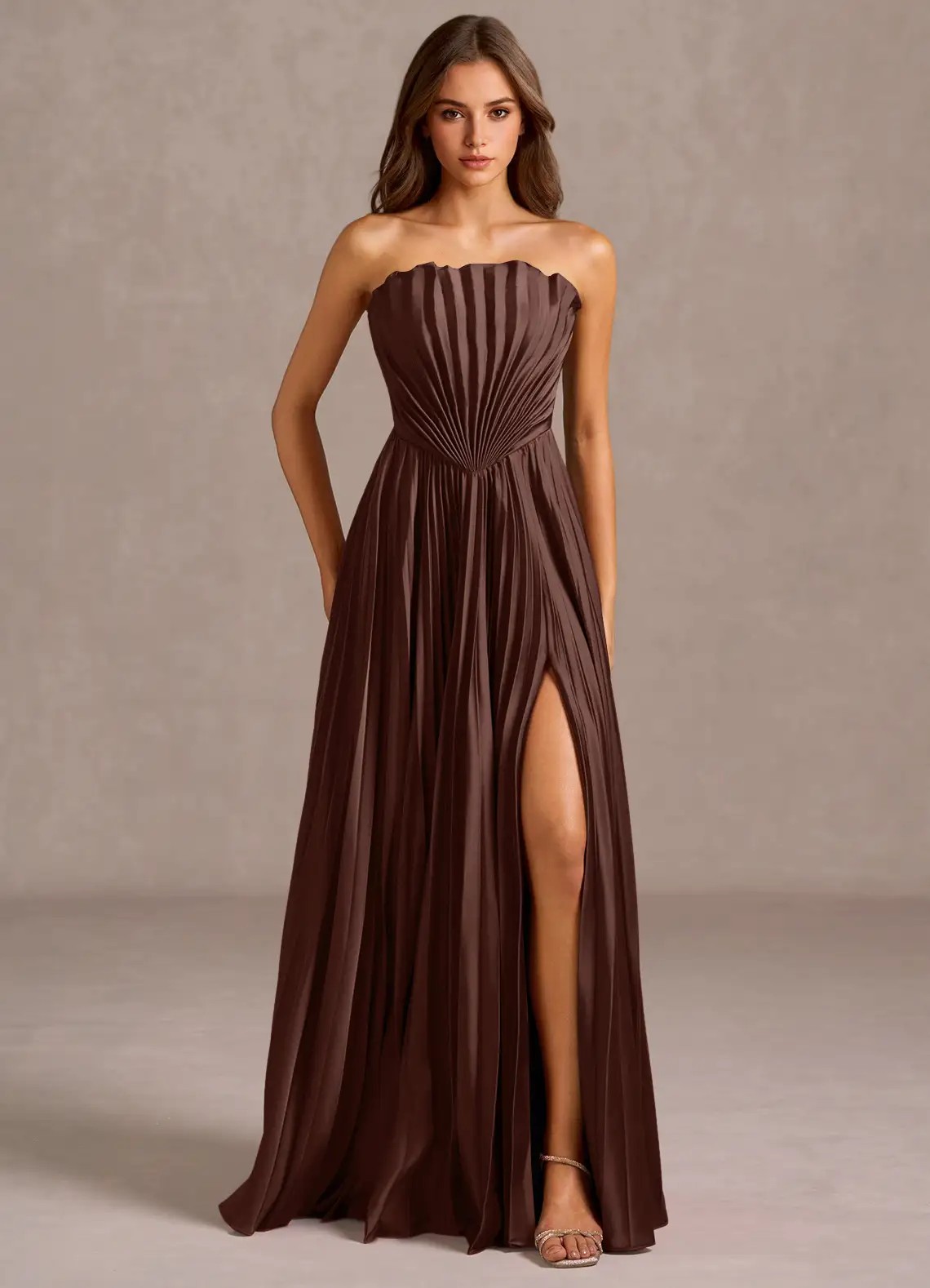
Pear-Shaped (Narrow Shoulders, Wider Hips)
Best Fabrics:
- Chiffon for skirts (skims hips, doesn’t cling)
- Satin or silk for bodice (adds structure on top)
- Lace for upper body details (draws eye up)
- Avoid clingy fabrics at hips
Styling Tips:
- Use structured fabrics on top
- Choose flowing fabrics for skirts
- Balance proportions with fabric choices
- A-line silhouettes in draping fabrics
Hourglass (Defined Waist, Balanced Bust and Hips)
Best Fabrics:
- Satin (highlights curves beautifully)
- Silk (drapes over curves elegantly)
- Stretch velvet (fits curves, adds luxury)
- Any fabric that drapes well
Styling Tips:
- Choose fabrics that define the waist
- Avoid overly stiff fabrics that hide curves
- Draping fabrics enhance natural shape
- Fitted styles work well
Apple-Shaped (Fuller Midsection, Slender Legs)
Best Fabrics:
- Chiffon (flows over midsection)
- Draped silk (creates vertical lines)
- Matte crepe (doesn’t cling)
- Avoid shiny, clingy fabrics at waist
Styling Tips:
- Choose fabrics that skim, not cling
- Empire waist styles in flowing fabrics
- Matte fabrics minimize midsection
- Vertical draping creates length
Rectangle (Balanced Bust, Waist, and Hips)
Best Fabrics:
- Ruffled fabrics (adds curves)
- Textured lace (creates dimension)
- Layered tulle (adds volume)
- Structured satin with details
Styling Tips:
- Use fabric details to create curves
- Ruching and gathering add shape
- Layered fabrics add dimension
- Structured fabrics with belting define waist
Petite (Under 5’4″)
Best Fabrics:
- Lighter weight fabrics (don’t overwhelm frame)
- Chiffon (creates flow without bulk)
- Light silk (elegant without heaviness)
- Avoid very heavy fabrics that overpower
Styling Tips:
- Choose fabrics that don’t add bulk
- Avoid excessive layers
- Lighter fabrics elongate frame
- Simple fabric choices work best
Plus-Size
Best Fabrics:
- Structured fabrics with stretch (comfortable fit)
- Matte finishes (minimize rather than highlight)
- Crepe (flattering drape, not clingy)
- Chiffon overlays (skim curves beautifully)
Styling Tips:
- Avoid clingy satin on curves
- Choose fabrics that skim, not cling
- Matte fabrics more flattering than shiny
- Structured fabrics with give work best
Choosing Fabric by Event Type
Black-Tie Galas
Best Fabrics:
- Silk (most formal option)
- Satin (photographs well, looks expensive)
- Velvet (for fall/winter)
- Sequined fabrics (evening sparkle)
- Heavy lace (elegant overlay)
Why:
- Maximum formality required
- Photography-heavy events
- Indoor, climate-controlled venues
- Evening timing
Semi-Formal Weddings
Best Fabrics:
- Chiffon (elegant but not overly formal)
- Light satin (structured but approachable)
- Crepe (modern, sophisticated)
- Lace (romantic, wedding-appropriate)
Why:
- Balance between formal and casual
- Often daytime or outdoor venues
- Photography important but less formal
- Comfort for longer wear
Outdoor Events
Best Fabrics:
- Chiffon (moves in breeze, comfortable)
- Light organza (structured without heat)
- Cotton-silk blends (breathable)
- Avoid trains and heavy fabrics
Why:
- Temperature considerations
- Wind and weather factors
- Grass, sand, or uneven surfaces
- Often warmer than indoor venues
Proms
Best Fabrics:
- Satin (photographs beautifully)
- Sequined (sparkle, excitement)
- Tulle (youthful, dramatic)
- Organza (structure, volume)
Why:
- Photography-focused event
- Dancing and movement
- Youthful, bold styles appropriate
- Making memorable impressions
Corporate Formal Events
Best Fabrics:
- Crepe (sophisticated, modern)
- Matte satin (elegant without too much shine)
- Silk (upscale, professional)
- Structured fabrics (polished appearance)
Why:
- Professional context
- Elegant but not overly flashy
- Indoor venues
- Conservative appropriate
Fabric Care and Maintenance
Dry Clean Only Fabrics
Always Dry Clean:
- Silk
- Satin
- Velvet
- Heavy lace
- Sequined and beaded fabrics
- Taffeta
- Brocade
Why Dry Clean Only:
- Water damages fabric structure
- Special solvents preserve finish
- Prevents shrinking and distortion
- Maintains shape and drape
- Protects embellishments
Cost:
- Standard gown: 15–30 dollars
- Heavy/embellished: 30–60 dollars
- Rush service: Additional 10–20 dollars
Can Hand Wash (With Care)
Sometimes Hand Washable:
- Polyester chiffon
- Some tulle
- Simple cotton blends
- Organza (test first)
Hand Wash Instructions:
- Fill sink with cool water
- Add gentle detergent (1 tablespoon)
- Submerge dress, swish gently
- Soak 15 minutes maximum
- Rinse in cool water until clear
- Never wring or twist
- Roll in towel to remove water
- Hang or lay flat to dry
- Steam wrinkles (never iron)
Risk:
- May damage fabric anyway
- Could cause shrinking
- Colors may run
- Shape may distort
- Professional cleaning safer
Wrinkle Removal
Steaming (Best Method):
- Hang dress in bathroom during hot shower
- Use handheld steamer (6–12 inches away)
- Never touch steamer to fabric directly
- Work from top to bottom
- Allow to dry completely before wearing
Never Iron:
- Silk (use professional pressing)
- Velvet (crushes pile permanently)
- Sequined fabrics (melts embellishments)
- Satin (leaves permanent marks)
Safe to Iron (Low Heat):
- Cotton blends only
- Use pressing cloth
- Test on hidden area first
- Iron inside out when possible
Storage
Short-Term (Before Event):
- Hang on padded hangers
- Use breathable garment bag
- Keep in cool, dry place
- Avoid direct sunlight
- Check regularly for issues
Long-Term (After Event):
- Clean before storing
- Use acid-free tissue in bodice
- Breathable garment bag only
- Store in climate-controlled space
- Check annually for damage
- Never plastic bags (traps moisture)
How to Order Fabric Swatches
Why Order Swatches
Benefits:
- See actual color in person
- Feel fabric texture and weight
- Compare multiple options
- Make confident decisions
- Free from Azazie
What You Can’t Tell Online:
- True color (screens vary)
- Fabric weight and drape
- Texture and feel
- How it photographs
- Sheen and shine level
How to Order
Step 1: Visit Azazie Website
- Go to formal dress collection
- Select dress you’re considering
- Find “Order Free Swatches” option
Step 2: Select Swatches
- Choose colors you’re considering
- Can order multiple fabrics
- Add to cart
- Swatches are free (shipping may apply)
Step 3: Review at Home
- Swatches arrive in 3–6 business days
- View in different lighting
- Feel weight and texture
- Compare with other swatches
- Test against skin tone
Step 4: Make Decision
- Choose best fabric and color
- Order dress with confidence
- Keep swatches for reference
Common Fabric Combinations
Lace Over Satin
Effect:
- Romantic, textured look
- Satin provides structure
- Lace adds visual interest
- Classic combination
Best For:
- Wedding guest dresses
- Vintage-inspired gowns
- Romantic events
- All seasons
Chiffon Over Organza
Effect:
- Soft exterior with structured base
- Creates flowing movement
- Adds volume without weight
- Ethereal appearance
Best For:
- A-line and ball gowns
- Spring and summer events
- Lightweight formal dresses
- Romantic styling
Sequins on Mesh Base
Effect:
- Maximum sparkle
- Lighter than sequins on satin
- More comfortable
- Modern look
Best For:
- Evening galas
- Proms
- New Year’s Eve
- High-energy events
Velvet with Satin Trim
Effect:
- Rich texture contrast
- Elegant definition
- Vintage glamour
- Luxurious appearance
Best For:
- Fall and winter events
- Classic, elegant styling
- Formal galas
- Opera or theater
Conclusion
Choosing the best fabric for your formal dress depends on season, event formality, body type, and personal comfort. Satin offers versatility and photographs beautifully for year-round events. Chiffon provides comfort and elegance for warm weather occasions.
Silk delivers luxury for high-end galas. Velvet creates rich warmth for fall and winter celebrations. Consider fabric weight, drape, care requirements, and how it suits your silhouette before making your final decision.
Always order free fabric swatches to see colors and textures in person before purchasing. Check care requirements and factor cleaning costs into your budget. Match fabric weight to season and venue temperature.
Choose fabrics that complement your body type and the event’s formality level. With proper fabric selection, your formal dress will look stunning, feel comfortable, and photograph beautifully throughout your entire event.
Frequently Asked Questions
What is the most comfortable formal dress fabric?
Chiffon is the most comfortable formal dress fabric for warm weather because it’s lightweight, breathable, and doesn’t cling. For cold weather, silk offers comfort with temperature regulation and soft drape. Avoid heavy satin and velvet for long events as they can become uncomfortable after several hours of wear.
Which fabric is best for hot weather formal events?
Chiffon works best for hot weather because it’s the lightest and most breathable formal fabric. Lightweight silk also works well due to natural temperature regulation. Avoid velvet, heavy satin, and sequined fabrics in warm weather. Choose sleeveless or short sleeve styles and look for unlined or minimally lined options.
Do sequined dresses photograph better than satin?
Both photograph well but differently. Sequined dresses catch light and sparkle dramatically in flash photography, creating eye-catching images. Satin photographs with elegant sheen and defines body shape well. Choose sequins for bold, sparkly photos and satin for classic, elegant images. Consider your event style and personal preference.
Can I wear velvet to a summer wedding?
No, velvet is too hot for summer weddings and looks seasonally inappropriate. Velvet is a heavy, warm fabric best reserved for fall and winter events from September through February. For summer weddings, choose chiffon, lightweight silk, or organza instead. These fabrics keep you comfortable in warm weather.
Which fabric is easiest to care for?
Polyester chiffon and tulle are easiest to care for because they can be gently hand washed. However, most formal dress fabrics require dry cleaning to maintain their appearance and structure. Budget 15–30 dollars per cleaning. Silk, satin, velvet, and lace always need professional dry cleaning.
What fabric should plus-size women choose?
Plus-size women should choose fabrics that skim rather than cling. Chiffon works excellently because it flows over curves. Matte crepe drapes beautifully without highlighting every curve. Structured fabrics with stretch offer comfort and shape. Avoid very clingy satin and opt for fabrics with soft, flowing drape instead.
Which fabric is best for a petite frame?
Petite women should choose lightweight fabrics like chiffon or light silk to avoid overwhelming their frame. Flowing fabrics create length without bulk. Avoid heavy or stiff fabrics like velvet or taffeta, which can make a petite figure look shorter.
Can I mix fabrics in a single formal dress?
Yes, combining fabrics can enhance style and structure. Examples:
- Lace over satin for romantic texture and structure
- Chiffon over organza for soft flow with volume
- Sequins on mesh for sparkle without heavy weight
Ensure the fabrics complement each other in drape, weight, and color.
How do I choose a fabric for dancing and movement?
For events with lots of movement, lightweight, flowing fabrics like chiffon, tulle, or silk are best. Avoid stiff fabrics like velvet or heavily embellished sequins that restrict motion. Draping fabrics also help maintain elegance while moving.
Are heavier fabrics more formal?
Not always, but heavier fabrics like satin, velvet, and brocade generally convey more formality because they hold structure and appear luxurious. Lighter fabrics like chiffon or organza can be formal when layered or paired with embellishments, but may feel more relaxed.