
How Do I Choose a Wedding Dress for a Summer Wedding?
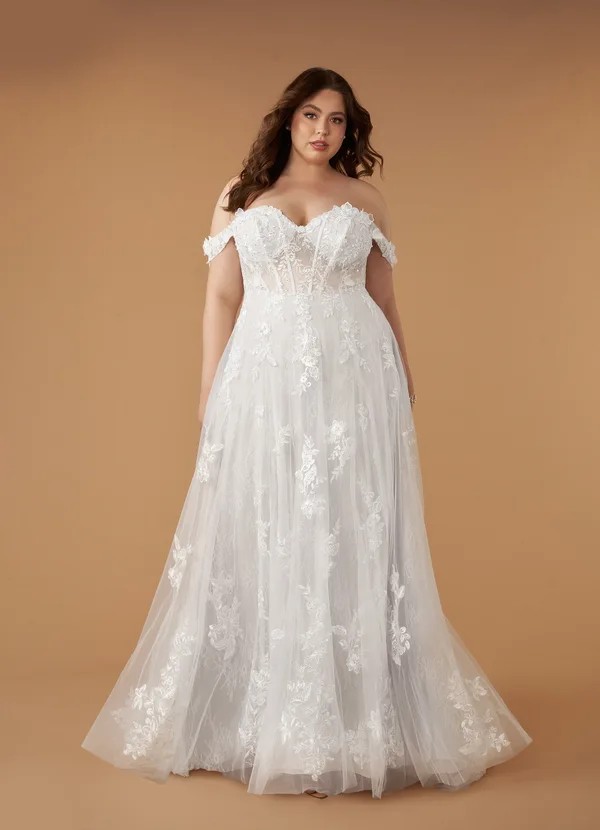
Summer weddings are all about lightness, movement, and comfort.Your dress should feel breezy in heat and still look polished in photos.The secret is balancing breathable fabrics, smart structure, and season-savvy styling.
Use this step-by-step guide to shortlist silhouettes, pick heat-friendly materials, and plan fittings that keep you cool from aisle to after-party.
For a summer wedding, choose breathable fabrics like chiffon, georgette, organza, crepe, or light lace over a smooth lining.Favor A-line, sheath, or empire silhouettes with airy skirts and strategic slits for airflow.
Pick square, scoop, V, or off-shoulder necklines and consider detachable sleeves or a capelet for sun-to-evening transitions.Keep linings light, trains manageable, and veils fingertip or chapel for easy movement.
Plan 2–3 fittings over 6–10 weeks, and lock shoes + undergarments before fitting #1.
The Summer Dress Map: Three Big Decisions
- Fabric first.
Breathability matters more than anything when temperatures climb. - Skirt volume that moves.
Air needs to flow through the hem while you walk, sit, and dance. - Details with purpose.
Detachable sleeves, overskirts, and light veils shift your look without heat build-up.
Summer Fabrics at a Glance
| Fabric | Feel & Breathability | Drape | Shine | Summer Notes |
| Chiffon | Very airy and cool | Soft, flowy | Matte | Ideal for A-line/empire; great in breezes |
| Georgette | Airy with a gentle texture | Fluid, a touch heavier than chiffon | Matte | Resists cling; moves beautifully |
| Organza | Light but crisp | Holds shape, floaty | Subtle sheen | Volume without weight; great overskirts |
| Tulle (lightweight) | Cloud-light | Buoyant | Matte | Layer lightly; avoid excessive bulk |
| Crepe (light/stretch) | Breathable, modern | Smooth, body-skimming | Matte | Minimalist chic; comfortable stretch |
| Lace over light lining | Airy texture | Depends on base | Matte–soft sheen | Use breathable lining for comfort |
| Charmeuse (thin) | Cool to touch | Liquid drape | Glossy | Stunning but fit must be precise |
| Satin/Mikado (light) | Smooth, structured | Sculpted | Medium–high sheen | Choose lighter weights or mix with chiffon |
Rule of thumb.
Light outer fabric + breathable lining = summer comfort without sacrificing polish.
Best Summer Silhouettes (and Why They Work)
| Silhouette | Why It’s Summer-Friendly | Styling Notes |
| A-line | Skims the body and lets air circulate | Works with chiffon, georgette, or crepe |
| Empire | High waist relieves midsection heat; floaty skirt | Lovely with flutter sleeves or straps |
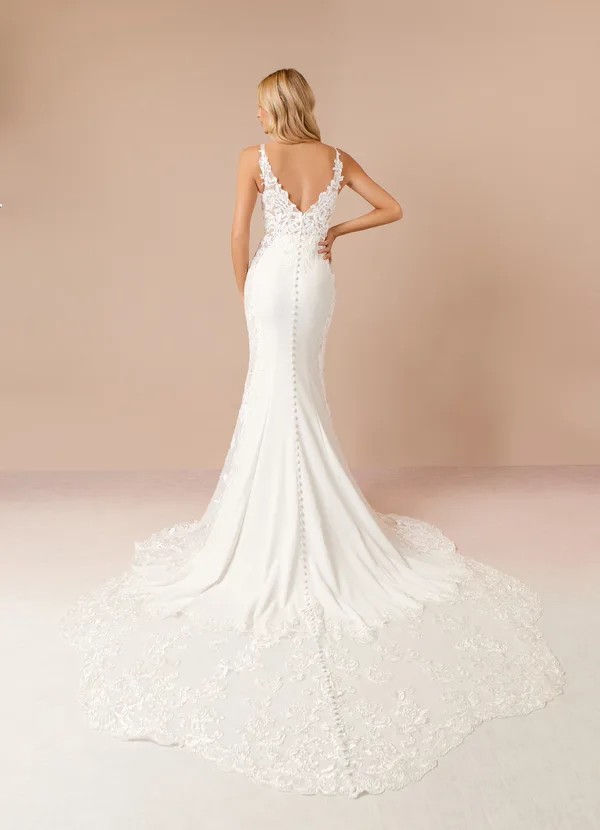
| Sheath/Column (light crepe) | Minimal layers and clean lines | Add slit or side-godets for movement |
| Fit-and-flare (soft) | Curve definition with mindful airflow | Use stretch crepe; keep lining light |
| Tea-length/Midi | Cooler legs and easy walking | City hall, garden, or rooftop friendly |
Summer Necklines & Sleeves (Cooling Combinations)
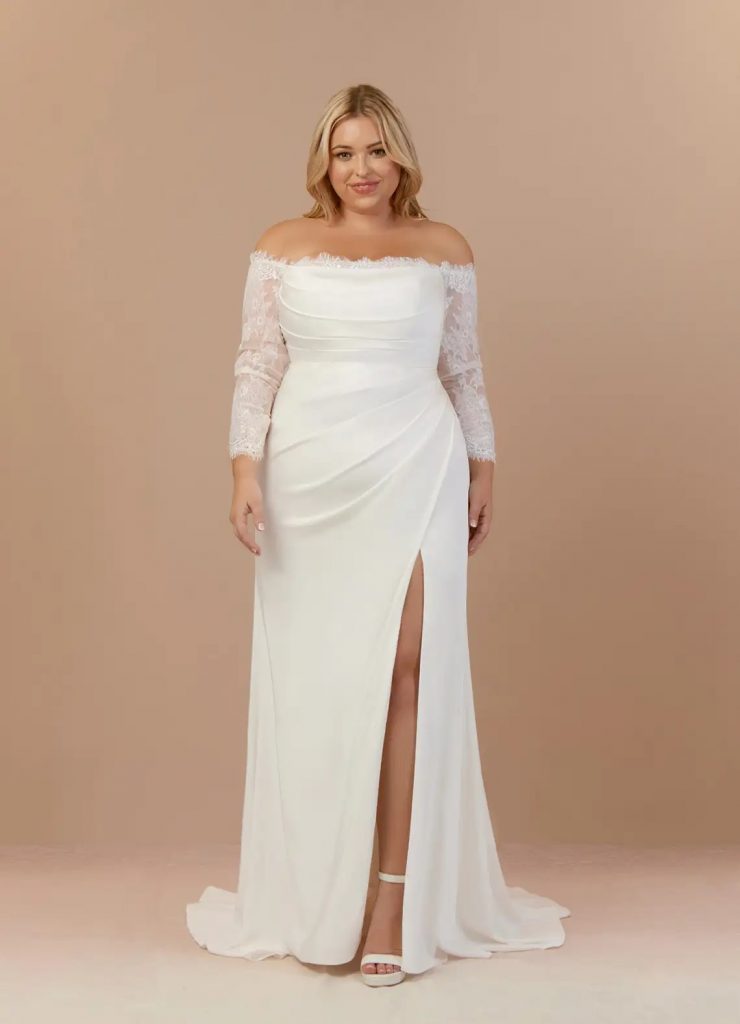
- Necklines that ventilate
- Square and scoop open the chest and frame the collarbone.
- V-neck balances coverage and airflow without slipping.
- Off-shoulder works if supported; add hidden elastic for reach.
- Halter is chic outdoors; test sunscreen transfer on try-ons.
- Sleeve strategies
- Detachable puff or bishop sleeves for ceremony coverage, then remove for dancing.
- Flutter sleeves in chiffon or georgette for shade without heat.
- Illusion tulle sleeves with sparse lace for air and light texture.
- No sleeve? Consider a sheer capelet or tulle wrap that comes off later.
Lining, Structure, and “Feels-Cool” Engineering
A gorgeous summer dress often relies on what you don’t see.
The inside makes the outside wearable in heat.
Choose linings that:
- Wick moisture and feel smooth against skin.
- Are lightweight, breathable, and not over-interlined.
Helpful engineering tips:
- Ask for underarm guards or a slightly deeper armscye for airflow.
- If you love lace, choose lace on tulle over crepe instead of heavy satins.
- Keep boning minimal but supportive to avoid hot spots.
- Request horsehair hem only where needed to cut weight.
Quick-Pick Matrix (Your Priorities → Dress Moves)
| Your Priority | Fabrics | Silhouettes | Details to Add |
| Maximum airflow | Chiffon, georgette | A-line, empire | Slit, flutter sleeve, fingertip veil |
| Minimalist polish | Light crepe | Sheath/column | Square neck, clean buttons, chapel veil |
| Romantic texture | Light lace + tulle | A-line | Illusion bodice, soft appliqués |
| Structure without heat | Organza over crepe | A-line/fit-and-flare | Detachable sleeves, airy overskirt |
| Two looks in one | Any light base + topper | A-line/column | Overskirt or cape for ceremony |
Footwear, Veils, and Accessories for Heat
- Shoes
- Block heels or wedges handle lawns and patios.
- Consider breathable lining and open or partially open designs.
- Veils
- Fingertip for lightness; chapel for formal feel without bulk.
- If cathedral is your dream, pick a plain-cut tulle to reduce weight.
- Jewelry & hair
- Updos or braided styles lift hair off the neck.
- Pearls, sleek headbands, or minimal pins prevent snagging in heat.
- Wraps and toppers
- Sheer cape, capelet, or bolero for sun or ceremony decorum.
- Remove later for instant cool.
Venue & Climate Matrix (Summer Edition)
| Venue / Climate | Fabric & Silhouette | Veil & Train | Notes |
| Beach (breezy, hot) | Chiffon A-line or empire | Fingertip or chapel; short train | Sand-safe hem; consider a slit |
| Garden (warm, humid) | Georgette A-line; lace overlay on crepe | Fingertip; manageable train | Hem that “kisses” ground; avoid heavy underskirts |
| Winery (sunny, dry) | Organza A-line or light crepe sheath | Chapel veil; airy overskirt | Shade plan for portraits |
| City rooftop (hot, reflective) | Crepe column or mini/tea-length | Plain veil or none | Minimal layers; sleek accessories |
| Destination (travel + heat) | Packable chiffon or crepe | Fingertip veil in separate pouch | Request steaming plan on arrival |
Sweat-Smart Prep (No-Stress Comfort)
- Undergarments
- Moisture-wicking, seamless, in skin tone close to yours.
- If using shapewear, test it in heat beforehand.
- Skin & beauty
- Powder or blot sheets in your day-of kit.
- Sunscreen that doesn’t transfer on straps or illusion mesh.
- Emergency micro-kit
- Fashion tape, mini deodorant wipes, safety pins, and a soft cloth for dabs.
- Clear heel protectors for grass and gravel.
Try-On Script (Two Appointments That Solve Summer)
Visit 1: Find the breeze
- Try chiffon A-line, georgette A-line, light crepe sheath, and organza A-line in one session.
- Walk quickly, step onto a riser, and spin gently to check airflow.
- Take short videos in bright light and shade.
- Note any stickiness at lining, underarm, or waist seams.
Visit 2: Lock comfort details
- Re-try your top two in proper size range.
- Decide neckline, sleeve strategy, and slit placement.
- Pick veil length and whether you want an overskirt or capelet.
- Order with the lining and sleeve decisions finalized.
Fittings Timeline (Summer-Optimized)
Plan 2–3 fittings over 6–10 weeks, finishing 2–4 weeks before your date.
| Fitting | When | Bring | Summer Focus |
| First | 8–10 weeks prior | Final shoes + undergarments | Hem that skims ground; armscye comfort; airflow check |
| Second | 4–6 weeks prior | Same items + veil/topper | Slit test, sleeve mobility, bustle plan, sweat-point comfort |
| Final | 1–2 weeks prior | Full look | Comfort in heat; steam/storage plan; walk outside briefly if possible |
Pro tips:
- Keep slit high enough for airflow but modest in photos.
- Ask for light bustle that lifts just enough for evening dancing.
Hem, Train, and Bustle (Heat-Smart Choices)
- Hems that just kiss the ground reduce drag and heat.
- Trains: sweep or chapel for most summer venues; cathedral only with very light tulle.
- Bustle: fewer, well-placed points keep weight off your legs.
- Stairs + lawn test at the second fitting so nothing surprises you outdoors.
Design Add-Ons That Look Grand but Feel Light
- Detachable sleeves in chiffon or tulle.
- Organza overskirt for ceremony drama, removed for reception.
- Bow or streamer in light mikado or satin, placed at back waist.
- Light 3D florals scattered—not dense—so the bodice can breathe.
Color, Texture, and Photo Logic in Summer Light
- Ivory and diamond white read soft and flattering in harsh sun.
- Soft blush or champagne liners add depth under lace without extra heat.
- Matte crepe avoids hot spots in midday photos.
- Subtle sparkle under an outer tulle layer catches golden hour without weight.
Common Summer Problems & Easy Fixes
- Sticking skirt
- Add antistatic spray on lining; choose a smooth, low-friction lining.
- Underarm rub
- Slightly deepen armscye or use a soft underarm guard.
- Veil tangling in breeze
- Pick plain-cut tulle and reduce width; secure with hidden pins.
- Makeup transfer on straps/illusion
- Put dress on first, then set makeup; carry a soft microfiber cloth.
- Heat rash near corsetry
- Use breathable layer between skin and boning; take brief shade breaks.
Care, Steaming & Day-Of Logistics
- Steaming: do it close to the event, on low heat for tulle/lace; keep nozzle at distance.
- Transport: breathable garment bag; don’t over-pack layers tightly in heat.
- Venue prep: request a cool room or fan during dressing; keep blot papers and water nearby.
- Post-event: hang and air the dress before cleaning; heat + moisture need ventilation.
Quick Reference Tables
A) Summer Silhouette vs. Fabric
| Silhouette | Best Fabrics | Keep in Mind |
| A-line | Chiffon, georgette, organza, light lace | Add slit for airflow; light lining |
| Empire | Chiffon, tulle overlay | Gentle coverage; floaty hem |
| Sheath/Column | Light crepe, thin charmeuse | Precise fit; avoid heavy inner layers |
| Fit-and-flare | Stretch crepe, light satin with airy skirt | Ventilation via slit or godets |
| Tea-length | Light satin, crepe, organza | Great for city or rooftop summer events |
B) Neckline & Sleeve Combos That Breathe
| Neckline | Sleeve Options | Notes |
| Square | Flutter, fitted light sleeve, detachable puff | Frames collarbone; stable straps |
| V-neck | Flutter or short illusion | Elongates; ventilates |
| Scoop | Bare or short flutter | Classic summer ease |
| Off-shoulder | Detachable puff, fitted sleeve with elastic | Test arm mobility with elastic support |
C) Veil & Train for Summer Venues
| Venue | Veil | Train |
| Beach | Fingertip | Sweep |
| Garden | Fingertip/Chapel | Sweep/Chapel |
| Winery | Chapel | Chapel |
| Rooftop | None/Fingertip | Minimal sweep |
| Estate (evening) | Chapel/Light Cathedral | Chapel |
Decision Framework (5 Steps to Your Summer Shortlist)
- Pick two silhouettes that already feel cool on your body.
A-line + sheath is a great test pair. - Choose a fabric personality you love to touch.
Chiffon/georgette for float, crepe for minimalism, organza for airy structure. - Set your ventilation points.
Slit position, armscye comfort, breathable lining, and detachable sleeves or topper. - Scale your veil and train to the venue and wind.
Light tulle, fewer layers, and a bustle plan you can manage. - Lock the timeline.
Two to three fittings, a 2–4 week buffer, and a steaming plan near the day.
Frequently Asked Questions
What fabric keeps me coolest in summer?
Chiffon, georgette, and light crepe top the list for breathability and comfort.
Pair with a smooth, light lining and avoid heavy interlining.
Is a slit appropriate for a wedding dress?
Yes, when placed thoughtfully.
It improves airflow and movement, especially outdoors or on steps.
Can I wear sleeves in summer without overheating?
Choose detachable or illusion sleeves in chiffon/tulle.
Remove after the ceremony or during portraits if needed.
Which veil length is best for heat and wind?
Fingertip is the easiest, chapel stays elegant without weight.
If you prefer cathedral, keep it plain-cut and light.
Are mermaid or satin dresses too hot?
Not always.
A light satin or stretch crepe mermaid with breathable lining and a smart slit can feel fine—test in motion at fittings.
How do I stop my dress from sticking in humidity?
Use antistatic spray on the lining and consider a slippery, breathable inner layer so fabric glides over skin.
When should I schedule fittings for a summer wedding?
Plan 2–3 fittings over 6–10 weeks, finishing 2–4 weeks before the date.
Lock shoes and undergarments before fitting #1 to avoid re-pinning.
Sample Summer Timelines (Copy & Adapt)
Chiffon A-line with flutter sleeves
- Order: 8–10 months out.
- Fittings: 9–10 weeks, 5 weeks, 2 weeks before.
- Focus: hem just off the ground, sleeve comfort, light bustle.
- Veil: fingertip; add a plain chapel for ceremony if desired.
Crepe sheath with square neck + slit
- Order: 8–10 months out.
- Fittings: 10 weeks (slit placement), 6 weeks (mobility), 1–2 weeks (steam).
- Focus: armscye ventilation, smooth lining, walk test on stairs.
- Veil: none or fingertip; headband or pearl comb for polish.
Organza A-line with detachable sleeves
- Order: 9–11 months out (sleeve attachments).
- Fittings: 10 weeks, 6 weeks, 2 weeks; bring sleeves every time.
- Focus: sleeve on/off practice, bustle lightness, overskirt float.
- Veil: chapel plain-cut to balance volume.
Final Takeaway
A perfect summer wedding dress breathes, moves, and photographs beautifully.Start with airy fabrics like chiffon, georgette, organza, light lace, or crepe, and pair them with a silhouette that lets air circulate.
Use ventilation details—a thoughtfully placed slit, light linings, a relaxed armscye—plus detachable pieces for ceremony-to-reception flexibility.Scale veil and train to your venue’s wind and terrain,
and keep fittings focused on comfort in warm conditions.Do that, and your dress will feel as effortless as it looks—cool, graceful, and completely you from first look to last dance.