
How do I care for my formal dress after wearing it?

Your formal dress from the Azazie Formal Dresses collection deserves more than simply folding and storing it in the wardrobe. From the moment you take it off the hanger after an event, there are steps to keep it looking fresh, maintain fabric quality, and even preserve it for future wear.
Whether you wore it to a gala, wedding, formal reception or black-tie affair, the post-event care is what separates an investment piece from one that wears out. Here’s your full guide: cleaning, stain treatment, steaming, storage, inspection and long-term preservation.
Step 1: Immediate Post-Event Care
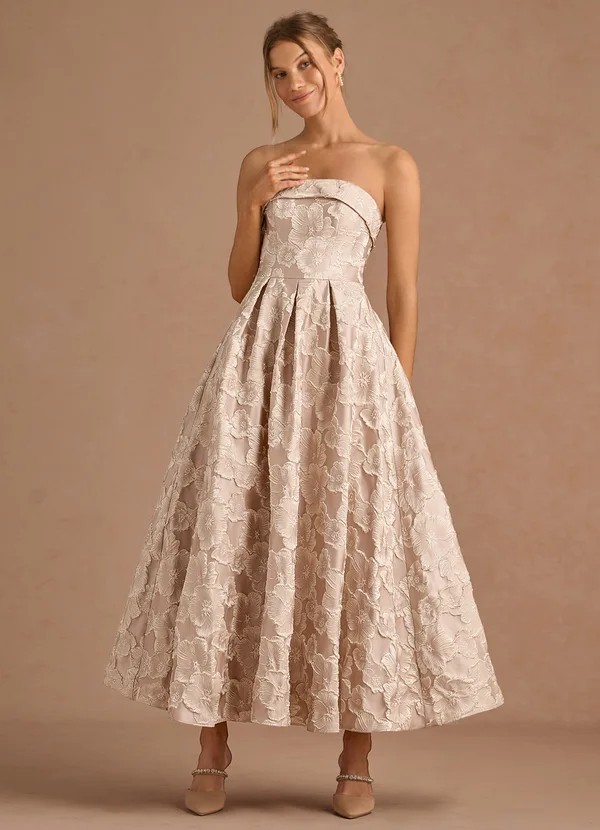
- As soon as you return from the event, hang the dress using the internal loops (if present) or a padded hanger.
- Loosen any tight closures (zippers, corsets) so the dress can relax and retain its shape.
- Make sure you remove jewellery, belts or sharp accessories before hanging—these can snag delicate fabrics.
- Inspect for obvious stains (wine, food, makeup, sweat) and blot gently if you spot any—do not rub.
Why this stage matters:
Body oils, sweat, residual makeup and environmental dirt will continue to act on the fabric if left untreated—even small marks can set over time or discolor the dress.
Step 2: Cleaning & Stain Treatment
Reminder: Even if you don’t see stains, it’s wise to consider cleaning after formal wear—it removes sweat, oils and unseen residue which could degrade fabric over time.
Step 3: Steaming or Ironing
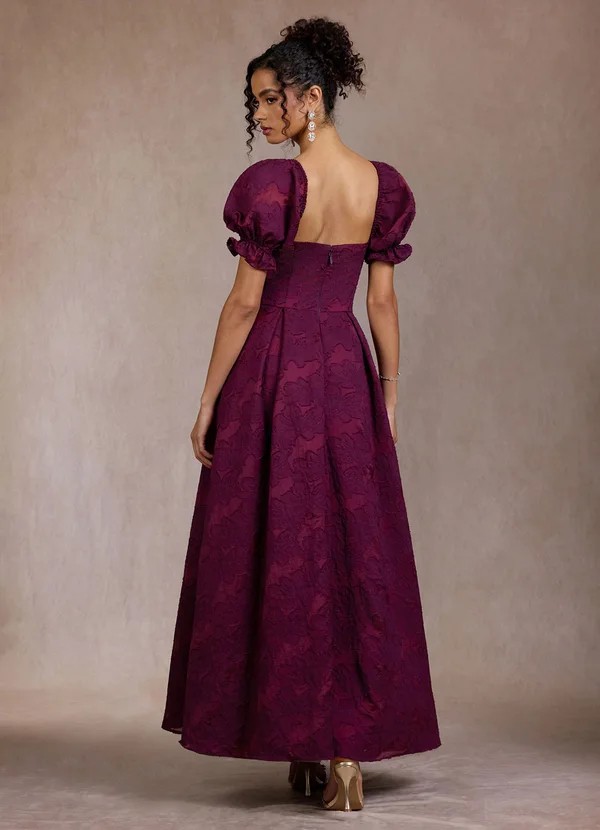
Wrinkles are inevitable after sitting, dancing or being folded in transport.
How you remove them depends on fabric.
Guidelines:
- Use a garment steamer for delicate fabrics like chiffon, tulle, satin, sequin overlay. Steam from the inside to avoid heat damage.
- If ironing is needed: always use a low-heat setting, place a thin protective cloth between the iron and dress.
- Avoid prolonged exposure to high heat on satin or stretch fabrics—this can glaze or distort them.
Tip: Hang the dress in a steamy bathroom for 10 minutes for minor wrinkles—this is gentler and quick when you don’t have a steamer.
Step 4: Storage – Short Term
After cleaning and steaming, proper storage is the next crucial step.
Correct storage prevents mildew, fading, distortion and yellowing.
Storage tips:
- Hang the dress on a padded hanger by internal loops rather than the shoulder seams to avoid stretching.
- Use a breathable garment bag (cotton or linen); avoid plastic bags which trap moisture.
- Store in a cool, dark place away from direct sunlight and temperature fluctuations.
- Allow air circulation; avoid tightly crowding dresses together—each dress should hang freely.
Table: Storage Do’s and Don’ts
| Do | Don’t |
| Use cotton-covered hanger, loop hanger ribbons if given | Hang by metal hanger or shoulder straps alone |
| Keep garment bag breathable, lightweight | Use plastic bag or sealed container with no airflow |
| Store away from windows & heat sources | Store near radiators, in damp basements or attic spaces |
| Check periodically for discoloration or damage | Leave undisturbed for years without inspection |
Step 5: Storage – Long Term / Preservation

If you plan to keep your formal dresses for future events, heirloom use, or occasional wear, long-term storage needs extra attention.
Long-term care:
- Clean thoroughly before storage; even invisible stains can oxidize and cause yellowing or damage.
- For heavily embellished, beaded or heavy gowns: consider flat storage or padded box rather than hanging, since weight may stretch the fabric.
- Use acid-free tissue paper between folds if you must fold; rotate folds periodically to prevent creasing in the same spot.
- Place moth or pest deterrents nearby (but not directly in contact with fabric).
- Avoid storing in plastic containers or sealed bins without ventilation.
Step 6: Inspect & Maintain Over Time
Regularly checking your dress helps catch issues early—snags, loose beads, shade change—so you can repair and prevent further damage.
Inspection checklist:
- Check seams, closures, zippers for stress or looseness.
- Inspect beading, lace, appliqué for missing or loose parts.
- Examine the hemline—dragging on the floor can fray edges.
- Look for yellowing or stains around underarms or back which may develop over time.
- If you spot any minor damage, consider professional repair before it becomes major.
Step 7: Tips by Fabric Type
Different formal dress fabrics need tailored care. Here’s a breakdown for common types:
Step 8: Travel & Transport

If you wore formal dresses on a trip or needed to move it from venue to wardrobe, travel care is important.
Travel checklist:
- Use a garment bag suitable for travel; keep the dress hanging if possible.
- If you must fold, use acid-free tissue paper at folds and place fabric face-up to avoid creases.
- Upon arrival, hang and steam as soon as possible.
- Avoid packing heavy bags on top of the garment bag to prevent crushing.
Step 9: Handling & Wearing Precautions
Sometimes the damage starts not after the event but during—the way you put on, wear and handle the dress matters.
Precautions:
- Put on makeup, hairspray, perfume before dressing so the product doesn’t transfer to fabric.
- Remove any sharp jewellery or accessories before dressing to avoid snags.
- Sit carefully—especially with long trains or heavy fabrics—and avoid dragging on rough surfaces.
- Avoid direct contact with food/drinks; blot spills quickly to avoid stains setting in.
Step 10: Wear Again or Repurpose
If you plan to wear the dress again or repurpose it for another event, keeping it in ready condition is key.
Tips for future wear:
- Make sure cleaning and storage have been done; a dress that’s been tightly folded or left in poor condition may look dull.
- Consider alterations: straps may need shortening, hem length adjusted for new shoes.
- Accessorize differently—new belt, shawl, statement jewellery—to refresh the appearance.
- Keep styling notes so you know what worked last time (shoes, hairstyle, clutch) for easier reuse.
Step 11: Budgeting for Care
While the dress itself is an investment, your care routine also counts.
Here’s a sample breakdown of what you might anticipate in terms of “care cost”
| Care Item | When Needed | Purpose |
| Professional dry clean | After major events or heavy wear | Removes oils, spots, preserves fabric |
| Steamer or steaming session | Before next wear | Removes wrinkles, freshens the dress |
| Tailor check/alterations | If fit changes or reuse planned | Ensures proper fit and extends dress lifespan |
| Storage solutions | Immediately after use | Protects fabric, prevents damage |
| Minor repairs (beads, snags) | As needed | Keeps dress looking new |
Step 12: Final Checklist Before Storing
- Dress cleaned or spot-treated.
- Steamed, hung on a padded hanger.
- Stored in a breathable bag, in a cool/dark place.
- Checked for damage or snags.
- Accessories removed and stored separately.
- Future wear planned or documented.
Conclusion
Caring for your formal dress after wearing it isn’t an optional bonus—it’s the mark of a true investment piece. When you follow the steps—immediate care, cleaning, fabric-specific treatment, proper storage, and inspection—you ensure your dress remains elegant, wearable and ready for the next occasion.
The Azazie Atelier Formal Dresses collection offers high-quality designs made to be worn, treasured and reused. With the right care, your dress won’t just serve one event—it can serve many.
Treat your formal dress with respect.
Let it hang freely.
Let it breathe.
Let it shine again and again.
Frequently Asked Questions
Can I machine wash my formal dress?
Most formal dresses, especially satin, chiffon, velvet, and beaded styles, should not be machine washed. Always check the care label first. If machine washing is allowed, use cold water, a gentle cycle, and a mesh bag.
How often should I dry clean my formal dress?
Dry clean after every major wear or if the dress has stains, heavy perspiration, or odors. Light cleaning at home (spot treatment or steaming) is acceptable for minor use.
How do I remove sweat or deodorant stains from a formal dress?
Blot the area gently with a clean, damp cloth immediately after the event. For stubborn stains, consult a professional cleaner who specializes in delicate fabrics.
Can I iron sequined or beaded dresses?
No, direct ironing can melt sequins or damage beads. Use a garment steamer from the inside out or a low-heat iron with a protective cloth if absolutely necessary. Flat storage is recommended for heavily embellished gowns.
How should I store a dress with heavy beading or a long train?
Use flat storage in a padded box with acid-free tissue paper to avoid stretching. Avoid hanging if the dress is very heavy, as this can distort its shape over time.
How do I prevent yellowing or discoloration over time?
Clean the dress thoroughly before long-term storage, keep it in a breathable garment bag, store away from sunlight, and use acid-free tissue paper for folds. Avoid plastic bags that trap moisture.
Can I hang a delicate chiffon or silk dress for long periods?
Yes, but hang by the internal loops provided, not by the shoulder seams. Use a padded hanger and ensure the dress hangs freely without touching other garments.
How do I prepare my dress for travel?
Use a travel-friendly garment bag, hang if possible, or fold with acid-free tissue paper between layers. Avoid placing heavy items on top. Upon arrival, hang and steam the dress immediately.
Can I refresh my dress without washing?
Yes! Hang it in a steamy bathroom, use a garment steamer, or gently brush off dust. This helps remove minor wrinkles, odors, and light dust without full cleaning.
How can I extend the lifespan of my formal dress?
- Handle carefully while wearing (avoid snagging, spills, excessive friction)
- Clean and steam after every use
- Store properly in cool, dark, breathable conditions
- Inspect periodically for damage and repair promptly
- Avoid exposure to harsh sunlight, heat, or moisture