
How do I avoid common mistakes when choosing a formal dress?
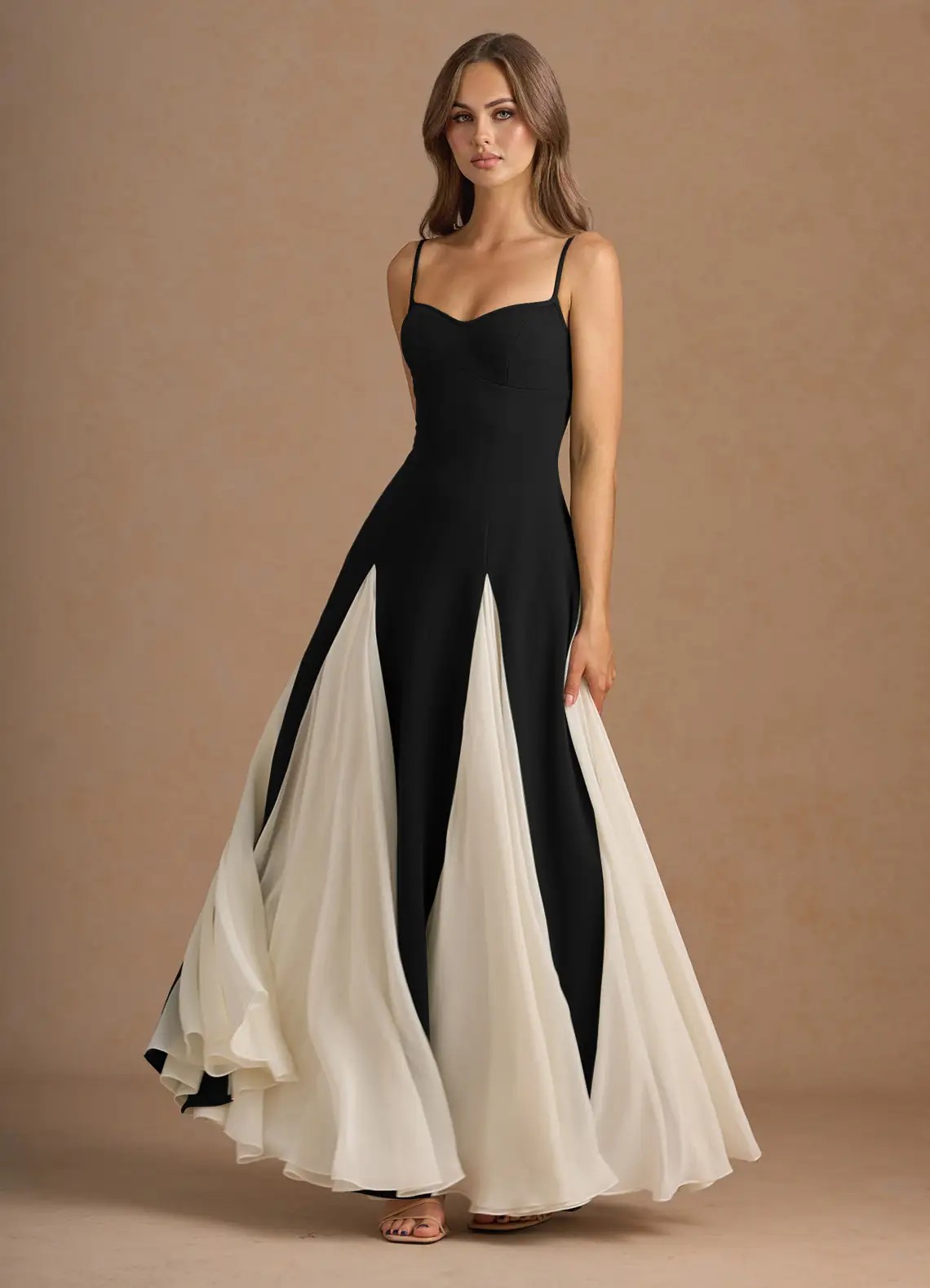
Choosing a formal dress sounds simple, but the process can easily become overwhelming. Between silhouette, fabrics, colors, hems, necklines, accessories, formality levels, and event themes, many people end up buying a dress that doesn’t fit the occasion—or worse, one they never feel confident wearing.
The goal of selecting a formal dress is not only to look elegant; it’s also to feel comfortable, confident, and aligned with the event expectations. Avoiding common mistakes helps you make a smarter, easier, and more satisfying choice.
This guide walks you through the biggest pitfalls—from poor fit to wrong color, bad fabric choices, underestimating tailoring, ignoring event dress codes, and last-minute purchases. Along the way we provide bullet point checklists, expert recommendations, and a full comparison table so you always choose the right dress. Let’s go through each mistake and how to avoid it with confidence.
Ignoring the Event Dress Code
Every formal event has its own level of formality.
A dress that works for a gala may be too dramatic for a corporate formal.
A black-tie dress might feel too conservative at a fashion-forward event.
Ignoring the dress code is one of the fastest ways to feel out of place.
How to avoid this mistake
- Read the invitation carefully.
- Look for keywords: black-tie, formal, cocktail, semi-formal, gala, business formal.
- Research the venue type: hotel ballroom vs outdoor garden vs corporate stage.
- Consider the audience: executives, friends, industry peers, media.
- When unsure, choose a timeless silhouette in a classic color.
Choosing the Wrong Silhouette for Your Body & Event
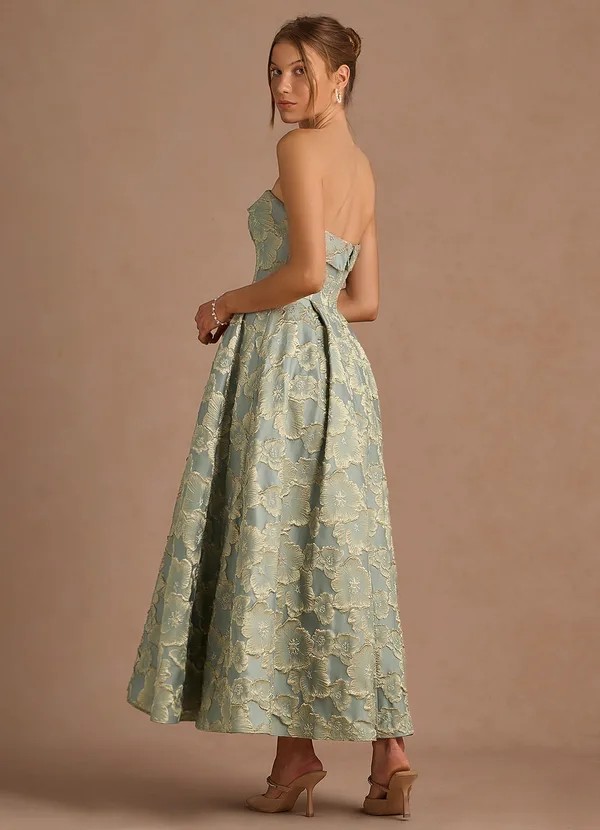
A dress may look stunning on a model but unflattering or uncomfortable on you.
Many buyers pick based solely on aesthetics—not on how the silhouette fits their proportions or movement needs.
Silhouette mismatch leads to discomfort, awkward photos, and restricted mobility.
Choosing the right silhouette ensures comfort + elegance.
How to avoid this mistake
- Identify your body shape (hourglass, pear, apple, athletic, petite).
- Choose silhouettes that complement your natural proportions.
- Know your comfort level (structured vs flowing vs fitted).
- Test movement: walk, sit, reach, pose, turn in the formal dresses.
Best universal silhouettes
- A-line
- Column / sheath
- Fitted bodice + flowy skirt
- Soft mermaid
Silhouette Comparison Table
| Silhouette | Works Best For | Strengths | Potential Problems | Avoid Mistakes By… |
| A-line | Most body types | Balanced + timeless | Few | Choosing proper waist placement |
| Column/Sheath | Tall/athletic | Sleek + modern | Clingy if fabric is thin | Choosing quality crepe/satin |
| Mermaid/Trumpet | Curvy shapes | Dramatic + glam | Movement limits | Testing mobility before event |
| Ball Gown | Tall/formal venues | High impact | Too much volume | Matching to venue & event scale |
| Empire Waist | Petite, pear shapes | Elongates torso | Can look too casual | Choosing luxury fabrics |
Picking the Wrong Fabric for the Occasion
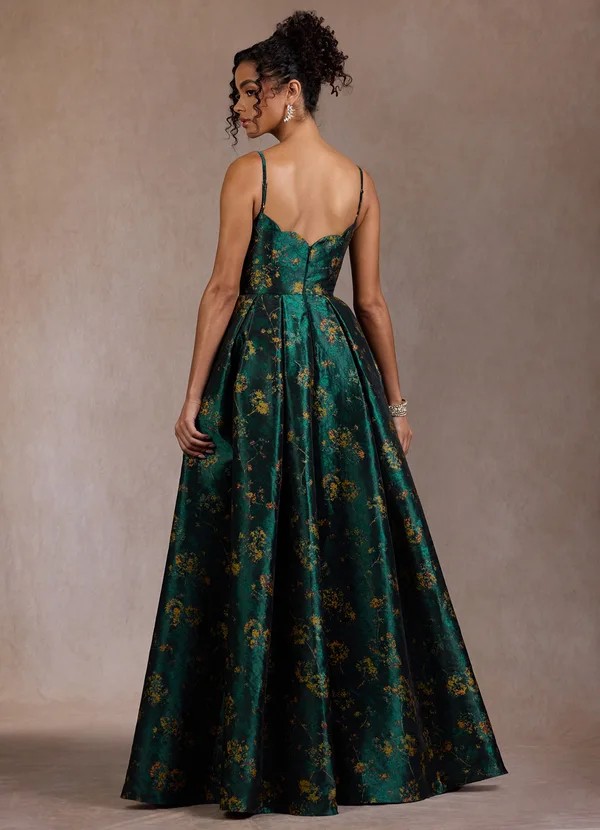
Fabric determines not only the look but the comfort, drape, and photo quality.
Low-quality fabric can ruin even the best design.
Some fabrics wrinkle easily, cling awkwardly, or photograph poorly.
Choosing the wrong fabric is a top reason many people regret formal dress purchases.
How to avoid this mistake
- Consider lighting: indoor, outdoor, or stage lighting.
- Consider weather: warm vs cool.
- Consider movement: structured vs soft fabrics.
- Avoid fabrics that wrinkle excessively.
- Choose fabrics that flatter your silhouette.
Top formal fabrics
- Satin – elegant for evening
- Crepe – modern, structured, matte
- Velvet – rich, luxurious
- Chiffon – lightweight, flowing
- Organza – dramatic, structured overlays
- Tulle – for volume
Choosing the Wrong Color
Color can elevate or break your entire look.
Choosing a color that doesn’t fit the event theme or lighting makes the dress feel inappropriate.
Some colors wash out under flash photography, while others overpower your features.
The right color enhances confidence and camera presence.
How to avoid this mistake
- Choose colors that flatter your skin tone.
- Consider lighting: flash-heavy events need deeper tones.
- Check venue decor colors (avoid clashing).
- Classic colors never fail: black, navy, emerald, wine, champagne.
Safe color categories
- Jewel tones
- Deep neutrals
- Elegant metallics
- Rich pastels (only for appropriate venues)
Not Considering Comfort & Movement
A dress that looks beautiful but feels uncomfortable will ruin your event experience.
Restricted movement is a major issue for fitted gowns, long trains, high slits, or heavy skirts.
Comfort determines how confident you look on camera and in person.
Even a well-fitted dress can become impractical if you can’t move gracefully.
How to avoid this mistake
- Ensure you can walk, sit, bend, turn, and pose comfortably.
- Consider heel height + hem length.
- Choose fabrics with appropriate stretch.
- Try different underwear options to avoid discomfort.
Underestimating the Importance of Tailoring
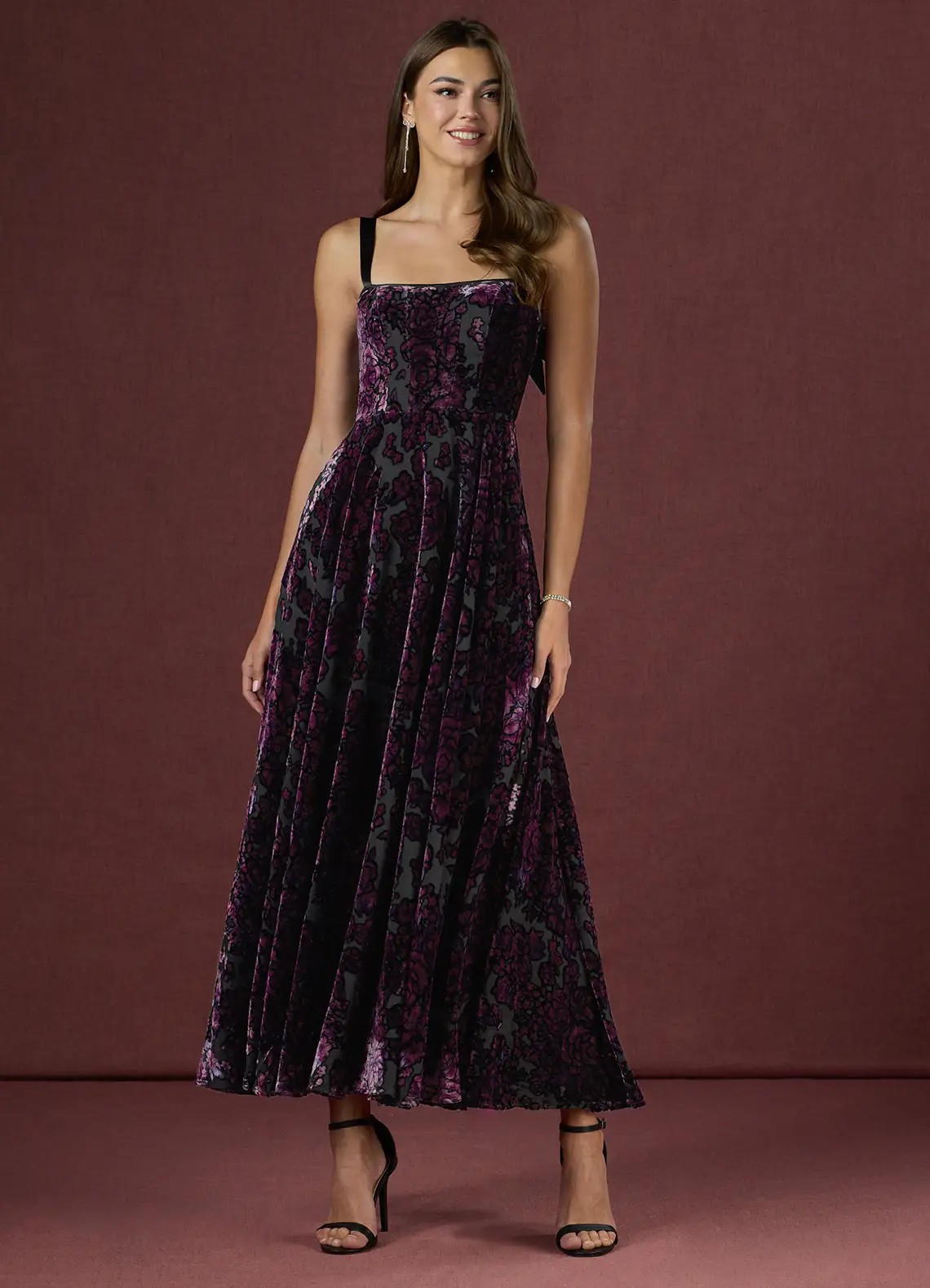
Perfect fit is EVERYTHING in formalwear.
Even an inexpensive dress looks luxurious when tailored well.
Many buyers skip tailoring because they assume the dress “fits enough.”
But tailoring elevates the dress from “fine” to “wow.”
How to avoid this mistake
- Allow time for 1–2 tailoring sessions.
- Tailor hem, straps, waist, and bust if needed.
- Use custom sizing if available (Azazie offers it).
- Do a full outfit test with shoes and accessories.
Tailoring checklist
- Dress should skim the floor with shoes.
- No wrinkles or pulling in the bodice.
- Straps must stay secure.
- Hips should drape smoothly.
- Zipper should lie flat.
Choosing a Dress Too Trend-Driven
Trends are fun, but they age quickly.
An overly trendy dress may feel outdated next year—or even this season.
If you want long-term value, choose timeless or classic silhouettes.
Trends should enhance, not define, your look.
How to avoid this mistake
- Add trends through accessories, not the dress itself.
- Choose simple base silhouettes.
- Stick to solid colors instead of fast-fashion patterns.
- Look for dresses that photograph well across platforms.
Forgetting Accessory Balance
Accessories can elevate a dress—but also overwhelm it.
Many people wear accessories that fight with the neckline, fabric, or silhouette.
For formal wear, accessories must complement, not clutter.
How to avoid this mistake
- Match jewelry to dress neckline.
- Avoid heavy layered necklaces with detailed bodices.
- Choose one statement piece only.
- Keep the bag small and elegant.
- Shoes must match the dress’s formality.
Neckline + Accessory Guide
- V-neck → delicate pendant or statement earrings
- Strapless → bold necklace or big earrings
- Off-shoulder → earrings + no necklace
- High neck → hair up + earrings only
Buying Last Minute
Last-minute shopping leads to poor choices.
You end up compromising on fit, color, style, or fabric due to time pressure.
Formal dresses require planning for tailoring, shipping, weather, and styling.
Avoid stress by planning your purchase early.
How to avoid this mistake
- Start looking at least 4–8 weeks before the event.
- Allow time for custom sizing.
- Do test-fittings at home.
- Steam/press dress before the event.
- Organize shoes, bags, jewelry early.
Common Mistakes & How to Avoid Them
| Mistake | Why It Happens | How to Avoid | Quick Tip |
| Ignoring dress code | Misreading invitation | Research formality level | When unsure, go classic |
| Wrong silhouette | Copying model photos | Know your shape | Fit > trend |
| Wrong fabric | Not considering lighting | Choose satin/crepe/chiffon | Avoid clingy synthetics |
| Wrong color | No tone testing | Try colors in natural light | Jewel tones = safe |
| Poor comfort | Trying style over practicality | Test movement | Walk + sit in dress |
| Skipping tailoring | Thinking dress “fits enough” | Tailor hem + straps | Custom sizing helps |
| Too trendy | Chasing Instagram looks | Choose timeless | Add trend through accessories |
| Wrong accessories | Over-accessorizing | Match to neckline | 1 statement piece |
Overlooking Undergarments & Support
The right undergarments make the dress lay smoothly.
The wrong ones create bumps, lines or gaps.
Support is especially critical for strapless or fitted dresses.
Ignoring this detail can ruin photos and comfort.
How to avoid this mistake
- Choose seamless shaping options.
- Test strapless bras in advance.
- Consider adhesive bras or cups for open backs.
- Try different underwear styles to find the smoothest look.
Not Checking Dress in Different Lighting
Lighting changes color, texture and silhouette.
What looks perfect in warm bedroom light may look different in natural or flash lighting.
Formal events often include photography—so lighting matters.
How to avoid this mistake
- Check dress under daylight.
- Check indoors warm light.
- Use phone flash to simulate photography.
- Move around to check shadows and highlights.
Choosing a Dress You Can’t Re-Wear
Some dresses are beautiful but too specific to reuse.
Unless you want a one-time outfit, aim for a dress with lasting versatility.
Re-wear potential saves money, storage, and styling effort.
How to avoid this mistake
- Choose neutral or jewel-tone colors.
- Pick classic silhouettes.
- Avoid hyper-specific embellishments.
- Imagine styling same dress three different ways.
- Choose a fabric that transitions well between venues.
Forgetting Shoes, Hair, and Makeup Compatibility
Your dress must work with your body proportions and your styling preferences.
High slits need high heels.
High necklines prefer updos.
Romantic dresses require softer makeup.
Ignoring these relationships makes styling stressful.
How to avoid this mistake
- Choose a dress that fits your comfortable heel height.
- Plan hair and makeup around the silhouette.
- Make sure jewelry matches the metal tone of dress embellishments.
- Don’t rely on last-minute decisions.
Final Thoughts
Avoiding common mistakes when choosing a formal dress is all about preparation, awareness, and understanding your personal needs. When you choose the right silhouette, fabric, color, and accessories—while avoiding trends, poor fit, or last-minute panic—you ensure you look elegant, confident, and timeless.
The Azazie Atelier Formal Dresses collection provides an excellent foundation, offering high-quality, customizable styles that reduce many of these risks.
Frequently Asked Questions
What is the safest silhouette for avoiding mistakes?
A-line. It flatters most body types, fits formal expectations, and works with many fabrics.
What color should I choose if I’m unsure?
Navy, emerald, or black. These colors work in almost all lighting and venues.
What fabric is least risky?
Crepe. It’s structured, matte, elegant, and easy to move in.
What length avoids the most mistakes?
Floor-length for formal events. Midi for cocktail-level events. Avoid short lengths unless event explicitly calls for it.
Should I follow trends?
Only lightly. Adding a trendy accessory is safer than choosing a fully trendy dress.
How do I know if a dress is comfortable enough for a long event?
Test movement before purchasing: walk, sit, bend, and dance if possible. Check for stretch in the fabric and avoid tight waistlines, restrictive sleeves, or heavy embellishments that limit mobility. Comfort is key to confidence.
Are custom sizing or tailoring really necessary?
Yes. Even small adjustments to hem, bust, waist, or straps dramatically improve fit and appearance. Custom sizing or professional tailoring ensures the dress flatters your body and avoids common fit mistakes.
How can I avoid buying a dress that only works in photos?
Check the dress in various lighting conditions: daylight, indoor lighting, and with camera flash. Move around to see how it drapes and behaves in real life, not just in a mirror or on a model.
What undergarments should I consider for formal dresses?
Seamless shapewear, strapless bras, adhesive cups, or contouring briefs help create a smooth silhouette. Always test them with the dress to avoid bumps, gaps, or visible lines, especially for strapless, backless, or fitted gowns.
How do I make a formal dress more versatile for multiple events?
Choose neutral or jewel tones, classic silhouettes, and fabrics like satin, crepe, or chiffon. Add personality with accessories—belts, jewelry, shoes, or wraps—to refresh the look for different occasions without buying a new dress.