
Gold vs. Champagne Mother of the Bride Dresses Guide
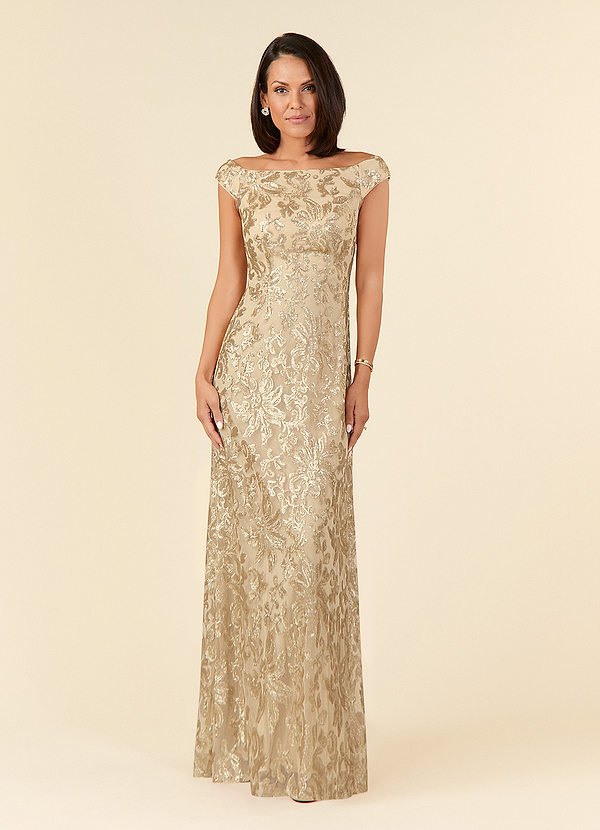
Gold and champagne represent two distinct approaches to metallic neutrals in formal wear. While both offer elegant sophistication appropriate for weddings, they differ significantly in intensity, warmth, and visual impact.
Champagne provides subtle luminosity through soft, muted tones that photograph beautifully across various lighting conditions. Gold delivers richer, more saturated metallic presence that makes a stronger visual statement.
Color Theory Fundamentals
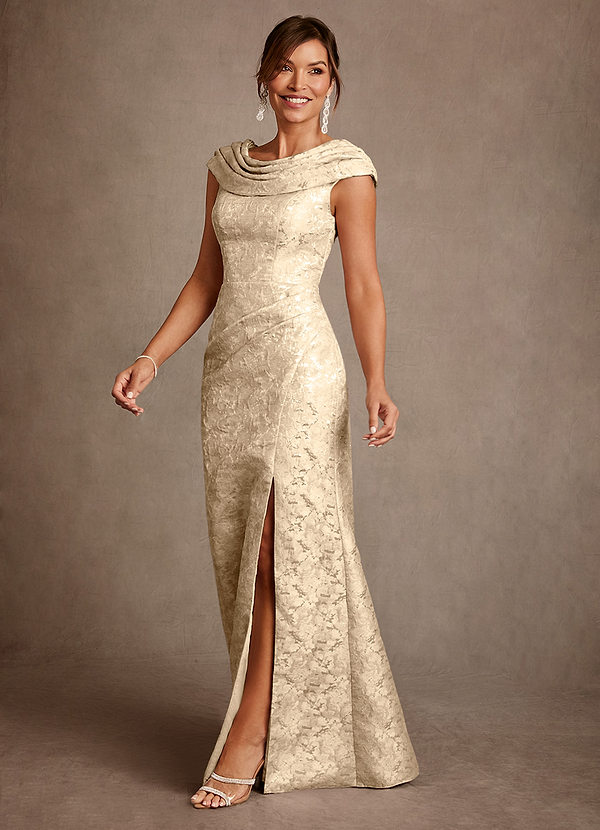
The technical differences between gold and champagne stem from their underlying color composition and light reflection properties.
Defining Champagne
Champagne sits in the neutral metallic family with undertones ranging from pale beige to soft pink-gold. The color mimics the soft effervescence of champagne wine, creating gentle luminosity without intense metallic shine.
Light reflection characteristics make champagne appear softer and more diffused. The color absorbs some light while reflecting a gentle glow, creating subtle dimension rather than obvious sparkle.
Defining True Gold
Gold presents as a saturated metallic with clear yellow undertones and high reflectivity. The color references actual gold metal, creating rich, warm presence with obvious metallic quality.
Light interaction produces more dramatic effects with gold. The color reflects light directly, creating shine and sparkle that draws attention. This intensity photographs distinctly across all lighting conditions.
Color Composition Comparison
| Color Element | Champagne | Gold |
| Primary Base | Beige-neutral | Yellow |
| Undertones | Pink, peach, soft yellow | Strong yellow, warm amber |
| Saturation Level | Low to moderate | Moderate to high |
| Reflectivity | Soft glow | Direct shine |
| Visual Impact | Subtle elegance | Statement presence |
Undertone Matching for Skin Tone
Personal coloring significantly influences which metallic shade appears most harmonious and flattering.
Warm Undertones
Characteristics include: Yellow, peachy, or golden casts to skin; veins appear greenish; gold jewelry typically looks more flattering than silver.
Gold compatibility: True gold complements warm undertones beautifully by echoing the natural warmth in your complexion. The color creates harmonious continuity between dress and skin.
Champagne considerations: Cooler champagne shades may create contrast with warm skin tones. Choose champagne with peachy or golden undertones rather than pink-based versions for best harmony.
Undertone Testing Methods
- Jewelry test: Which metal looks better naturally against your skin?
- Vein check: Wrist veins appear green (warm) or blue (cool)
- White fabric test: Pure white vs. cream white near face shows undertones
- Natural light observation: How does your skin appear in bright daylight?
Photography and Lighting Considerations
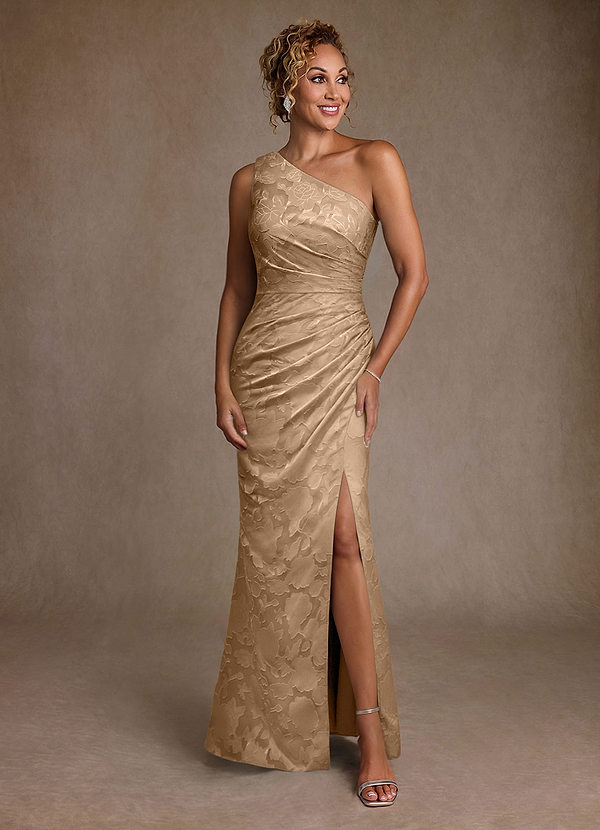
Professional wedding photography involves various lighting conditions that affect how metallic colors appear in final images.
Natural Daylight Effects
Champagne in daylight maintains consistency across most natural lighting. The subtle nature prevents over-brightness or washing out. Soft morning and afternoon light enhance champagne’s gentle glow without creating harsh reflections.
Gold in daylight appears richest and most saturated in full natural light. Direct sunlight intensifies gold’s metallic quality, creating maximum visual impact. Overcast conditions soften gold slightly while maintaining its warm presence.
Golden hour photography (hour before sunset) enhances both colors beautifully. The warm light flatters champagne by adding subtle richness, while complementing gold’s natural warmth perfectly. This timing produces some of the most flattering photographs.
Indoor Lighting Scenarios
Incandescent/warm lighting common in reception venues intensifies warm tones. Gold appears even richer and warmer, while champagne gains additional golden glow. Both colors photograph warmly but remain distinct.
Cool/fluorescent lighting can wash out champagne slightly while making gold appear more yellow. Professional photography lighting typically corrects these effects, but awareness helps in choosing venues with flattering illumination.
Mixed lighting situations at modern venues combine various light sources. Champagne’s neutral quality helps it maintain consistency across mixed lighting, while gold requires more careful white balance in photography.
Lighting Impact Summary
| Lighting Condition | Champagne Appearance | Gold Appearance |
| Natural Daylight | Soft, consistent, gentle | Rich, saturated, warm |
| Golden Hour | Enhanced subtle glow | Perfectly complemented |
| Indoor Warm Lights | Slightly more golden | Intensified warmth |
| Cool Lights | Maintains softness | May appear more yellow |
| Flash Photography | Minimal reflection | More pronounced shine |
Coordinating With Wedding Color Palettes
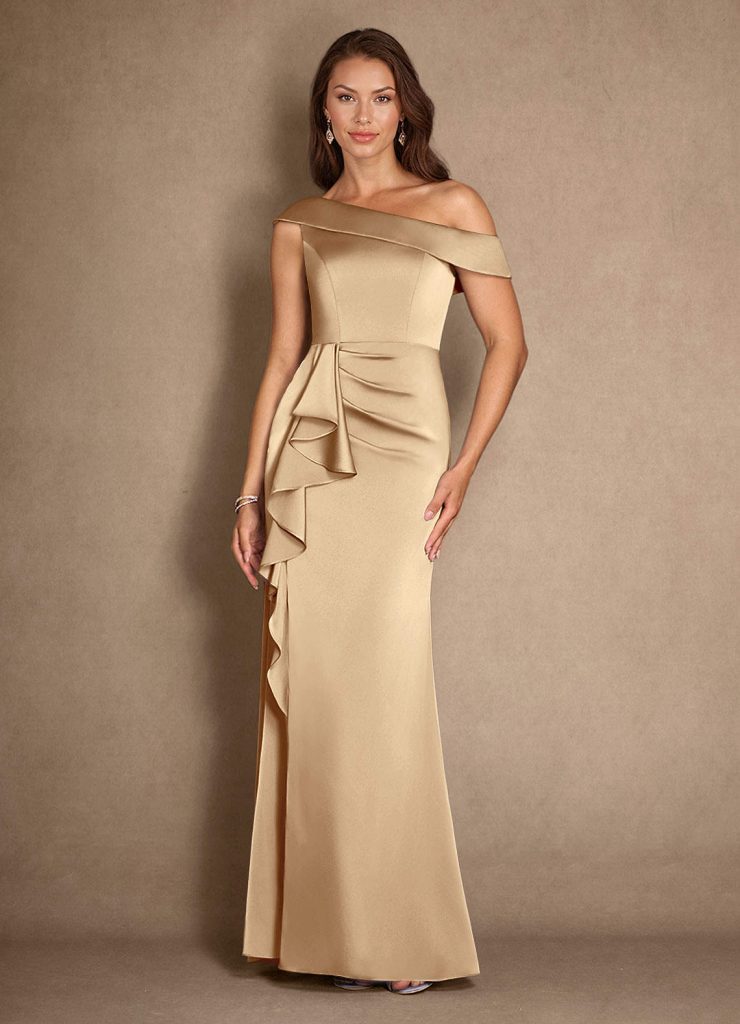
The broader wedding aesthetic influences which metallic neutral creates the most cohesive overall look.
Classic elegance themes featuring ivory, white, and soft neutrals accommodate both champagne and gold beautifully. Champagne creates seamless blending, while gold adds intentional richness without disrupting the palette.
Jewel tone celebrations incorporating emerald, sapphire, or ruby pair excellently with gold’s saturated warmth. The richness level matches, creating sophisticated coordination. Champagne works but may feel slightly understated against jewel intensity.
Blush and romantic pastels coordinate naturally with champagne’s subtle warmth. The soft colors create harmonious continuity. Gold works as an intentional statement but requires careful balance to avoid overwhelming softer shades.
Modern minimalist weddings featuring clean lines and restrained palettes suit champagne’s understated sophistication. Gold works when the couple intentionally incorporates metallic accents throughout their design.
Palette Coordination Guide
- With navy or dark blues: Both work; gold creates stronger contrast
- With burgundy or wine: Gold harmonizes beautifully with similar richness
- With sage or eucalyptus: Champagne provides gentle coordination
- With dusty rose or mauve: Champagne’s subtle quality matches perfectly
- With emerald or forest green: Gold’s intensity balances jewel depth
Fabric Interaction With Color
Material choice significantly influences how champagne and gold appear in finished garments.
Satin and Sheen Fabrics
Champagne in satin creates refined luminosity through the fabric’s natural light reflection. The combination produces gentle elegance without excessive sparkle. Champagne mother of the bride dress options in satin remain consistently popular.
Gold in satin delivers maximum metallic impact. The smooth surface reflects light directly, intensifying gold’s inherent richness. This combination makes the strongest visual statement.
Lace and Texture
Lace construction diffuses both colors through its dimensional texture. Champagne lace creates romantic softness with subtle metallic hints. Gold lace maintains richness while adding texture that prevents excessive shine.
Layered effects combining lace over solid colors add complexity. Champagne lace over matching champagne creates tonal depth, while gold lace over nude or taupe produces warm, dimensional beauty.
Chiffon and Flow
Lightweight chiffon in champagne creates ethereal, floating elegance. The sheer quality softens the color further, producing dreamy romanticism appropriate for various wedding styles.
Gold chiffon maintains warmth while gaining movement and softness. The flowing fabric balances gold’s intensity, making it more wearable for those wanting gold’s richness with less metallic shine.
Seasonal Appropriateness
Certain seasons naturally suit gold or champagne based on typical wedding aesthetics and environmental factors.
Spring weddings featuring fresh florals and soft pastels pair naturally with champagne’s gentle elegance. Gold works for evening celebrations but may feel heavy for daytime garden ceremonies.
Summer celebrations suit both colors depending on venue. Beach and outdoor venues favor champagne’s lighter presence, while formal evening affairs accommodate gold’s richness beautifully.
Seasonal Suitability
| Season | Champagne | Gold | Best Timing |
| Spring | Excellent | Moderate | Daytime/afternoon |
| Summer | Very Good | Good | Evening preferred for gold |
| Fall | Good | Excellent | All day |
| Winter | Excellent | Excellent | Evening formal |
Style and Silhouette Pairing
Certain dress designs showcase champagne or gold particularly effectively.
A-line silhouettes work beautifully with both colors, though champagne in A-line creates classic, understated elegance while gold makes a stronger statement. The flowing shape balances gold’s intensity naturally.
Sheath designs in champagne create sophisticated simplicity perfect for modern, minimalist aesthetics. Gold sheaths require confident styling but produce dramatic impact when executed well.
Fit-and-flare styles showcase both colors through their combination of structure and movement. Champagne creates romantic elegance, while gold delivers vintage Hollywood glamour.
Embellished designs work differently with each color. Champagne accommodates more embellishment without overwhelming, while gold already provides visual interest that requires less additional decoration.
For those seeking modest coverage with timeless style, long sleeve mother of the bride dresses are available in both champagne and gold tones.
Formality Level Considerations
Wedding dress code influences which metallic shade feels most appropriate.
Black-tie evening events accommodate both colors at their most luxurious. Gold fits naturally into formal elegance, while champagne provides sophisticated restraint.
Formal evening celebrations suit both shades beautifully. The choice becomes personal preference rather than appropriateness concern.
Semi-formal affairs particularly daytime events, favor champagne’s subtle elegance. Gold works for evening semi-formal but may feel too rich for afternoon celebrations.
Frequently Asked Questions
What is the difference between gold and champagne mother of the bride dresses?
Champagne features soft, muted metallic tones with subtle glow and lower saturation, while gold presents rich, saturated metallic color with strong yellow undertones and higher reflectivity.
Which color photographs better in wedding photos?
Both colors photograph beautifully with proper professional lighting. Champagne maintains consistency across various lighting conditions and rarely creates harsh reflections, making it reliably photogenic.
How do I know if gold or champagne suits my skin tone better?
Warm undertones (golden, peachy skin with greenish veins) pair naturally with gold’s yellow-based warmth. Cool undertones (pink, red skin with bluish veins) complement pink-toned champagne beautifully. Neutral undertones accommodate both successfully.
Can I wear gold jewelry with a champagne dress?
Yes, gold jewelry pairs beautifully with champagne dresses. Champagne’s neutral quality allows both yellow gold and white gold/silver accessories to work well. Choose based on your skin tone and personal preference.
Which color works better for outdoor weddings?
Champagne generally suits outdoor weddings better, especially daytime celebrations in gardens or at beaches. The softer tone feels natural in bright outdoor settings without competing with environmental colors.
Making Your Personal Choice
Selecting between gold and champagne ultimately combines technical considerations with personal preference and celebration context.
Remember that both colors offer sophisticated elegance appropriate for celebrating this meaningful family milestone. Neither choice is inherently superior—the right answer depends entirely on individual circumstances and preferences.
Azazie offers a thoughtfully designed collection of mother of the bride dresses. With sizes 0–30 and made-to-order options, each style is created to provide comfort, confidence, and timeless elegance for the wedding day.