
Formal Wedding Guest Dresses: Floor-Length vs Midi, Sleeves
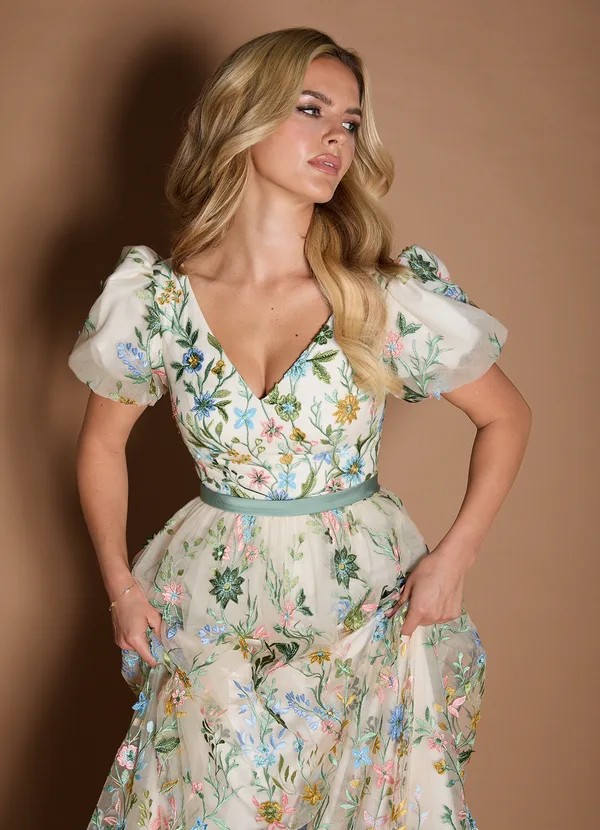
Formal wedding guest dresses call for refined elegance in luxurious fabrics like satin, velvet, or silk. Both floor-length gowns and sophisticated midi styles work when executed in quality materials with polished styling. Choose structured silhouettes, tasteful colors, and elegant accessories to meet formal dress code expectations.
Understanding Formal Dress Code
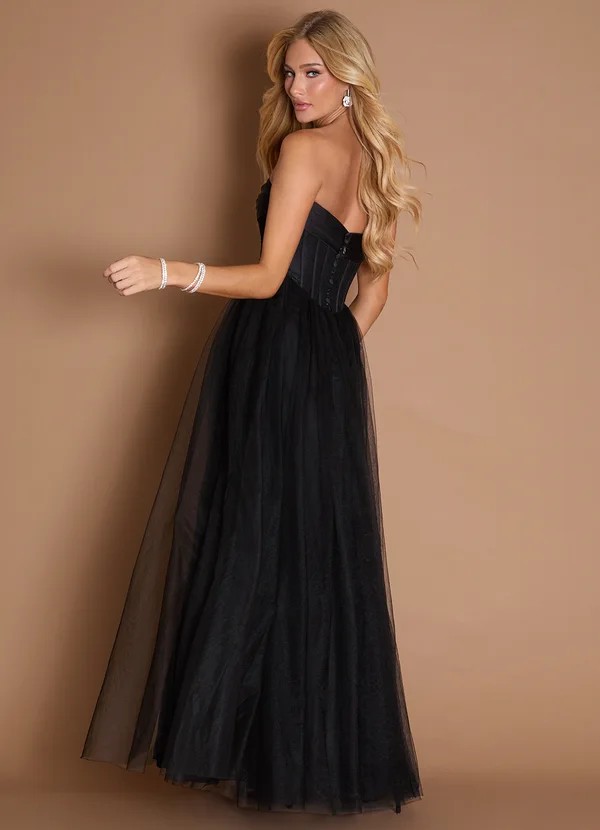
Formal attire sits just below black tie on the formality spectrum. It requires elevated, special-occasion dresses that feel polished and refined. Unlike cocktail attire, formal weddings demand longer hemlines and more luxurious fabrics.
What formal means:
- Elegant, special-occasion attire only
- Quality fabrics with structure and weight
- Sophisticated styling and accessories
- Attention to overall polish and presentation
- Respectful of the ceremony’s elevated tone
Formal doesn’t necessarily mean floor-length gowns are mandatory, but your dress should clearly signal this is an important, elegant occasion.
Floor-Length vs Midi: Making the Choice
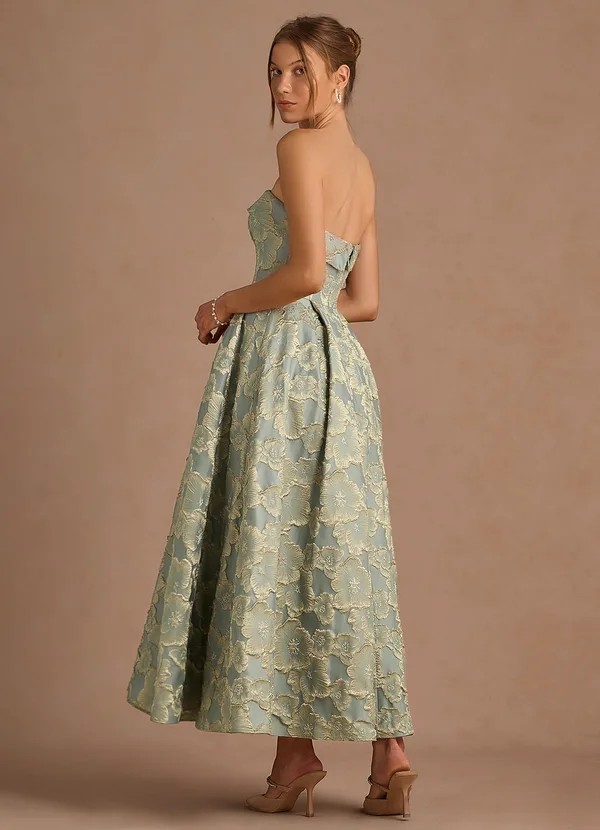
The floor-length versus midi debate depends on several factors beyond personal preference.
When Floor-Length Works Best
Evening ceremonies naturally call for longer hemlines. Floor-length gowns photograph beautifully in formal lighting and suit the elevated atmosphere of evening celebrations.
Ballroom or hotel venues pair perfectly with maxi dresses. The formality of these locations complements longer styles. Floor-length silhouettes feel at home in grand settings.
Winter formal weddings benefit from the coverage and warmth longer dresses provide. Maxi lengths in velvet or heavy satin suit cold-weather celebrations while maintaining elegance.
Traditional formal events where most guests will likely wear gowns make floor-length the safer choice. You’ll blend seamlessly with the overall dress code.
When Midi Styles Shine
Afternoon formal weddings accept sophisticated midi options more readily. Daytime events give you slightly more flexibility with length while maintaining formality.
Garden or outdoor venues sometimes work better with midi hemlines. You avoid dragging fabric through grass or uneven terrain while still looking polished.
Warmer seasons make midi lengths more comfortable. A formal midi in luxurious fabric keeps you cool while meeting dress code requirements.
Personal style preferences matter when formal gives you the option. If you feel more confident and comfortable in midi styles, choose them in the most formal fabrics available.
The key difference: midi styles for formal events must be unmistakably elevated. Choose sophisticated cuts in luxe materials rather than casual-looking shorter dresses.
Fabric Selection: The Foundation of Formality
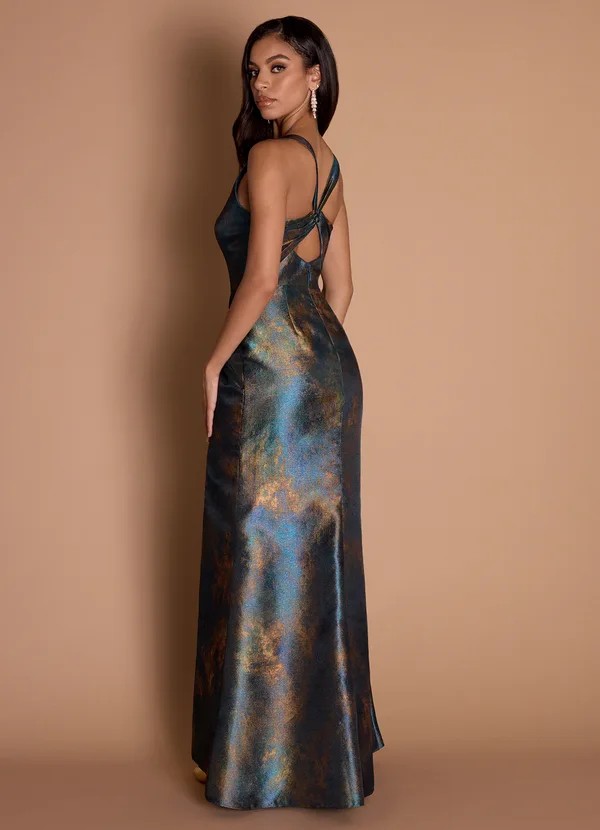
Fabric choice determines whether your dress reads as truly formal or just dressed-up casual.
Premium Formal Fabrics
Satin brings instant formality through its lustrous finish and structured drape. Medium to heavyweight satin holds shape beautifully and photographs with elegant dimension. The fabric’s smooth surface and subtle sheen work across all seasons.
Velvet adds rich texture and visual weight. It’s perfect for fall and winter formal events. Velvet automatically elevates any silhouette, making even simple cuts look luxurious.
Silk crepe offers matte elegance with substantial weight. It drapes beautifully without excessive shine, creating sophisticated silhouettes that photograph well in any lighting.
Silk charmeuse provides flowing elegance with a subtle sheen. It’s lighter than satin but still maintains formal polish when properly structured.
Heavy chiffon works when fully lined and layered. Multiple layers of quality chiffon create movement while maintaining the opacity and structure formal events require.
Brocade and jacquard feature woven patterns that add interest without prints. These textured fabrics feel special and appropriate for the most formal celebrations.
Fabrics to Avoid
Lightweight jersey, cotton blends, thin casual chiffon, and stretchy knit materials don’t meet formal standards. Even in beautiful silhouettes, these fabrics read as too casual for formal dress codes.
When selecting wedding guest dresses, prioritize fabric quality above embellishment or trend-driven details.
Sleeve Styles for Formal Elegance
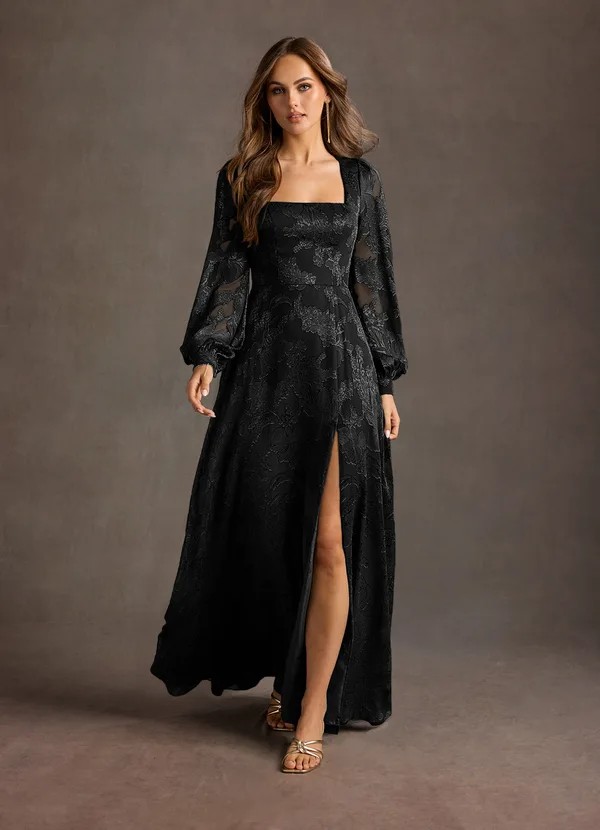
Sleeves add sophistication while providing options for different comfort levels and seasons.
Long Sleeves
Full-length sleeves bring maximum elegance and coverage. They’re particularly appropriate for religious ceremonies, winter events, or very traditional formal weddings. Long sleeves in structured fabrics create clean, refined lines.
Fitted long sleeves in satin or crepe look sleek and modern. They work beautifully on sheath or column dresses.
Bishop sleeves in flowing fabrics add romantic volume while maintaining formality. The dramatic shape feels special without being costume-like.
Illusion sleeves with lace or sheer fabric provide coverage with visual interest. They suit formal events perfectly and photograph beautifully.
Three-Quarter and Half Sleeves
These mid-length options balance coverage with comfort. Three-quarter sleeves work across seasons and give you freedom of movement while maintaining polished presentation.
Three-quarter sleeves hit just below the elbow, providing an elegant line without full coverage. They’re versatile across different venues and climates.
Elbow-length sleeves offer classic sophistication. This length has timeless appeal and suits most formal occasions.
Cap Sleeves and Sleeveless Options
Short sleeves and sleeveless styles work for formal events when the overall dress maintains appropriate elegance.
Cap sleeves provide minimal coverage while adding structure to the shoulder line. They’re flattering and formal when executed in quality fabrics.
Sleeveless with elegant straps works perfectly for warm-weather formal events. Choose substantial straps rather than thin spaghetti styles for more formal polish.
Strapless formal dresses remain appropriate for formal weddings. The silhouette has classic appeal, especially in structured fabrics with proper boning.
For cooler seasons or religious venues, bring an elegant wrap, jacket, or shawl to layer over sleeveless styles.
Color Strategy for Formal Events
Formal weddings give you broad color flexibility within certain boundaries.
Always Appropriate Colors
Classic black never fails at formal events. It photographs beautifully, works year-round, and suits all venues. Black in luxurious fabrics looks sophisticated rather than somber.
Navy and midnight blue provide elegant alternatives to black. These deep blues feel formal while offering subtle color variation.
Deep jewel tones bring richness and celebration. Emerald, sapphire, ruby, and amethyst all photograph gorgeously and feel appropriately formal.
Sophisticated metallics like champagne, bronze, or gunmetal add shimmer without excessive sparkle. They work particularly well for evening events.
Rich earth tones including chocolate, burgundy, and forest green suit formal celebrations. These colors feel substantial and elegant.
Colors Requiring Careful Consideration
Pastels in formal fabrics can work beautifully but choose carefully. Soft blush, powder blue, or lavender succeed when executed in structured, quality materials.
Brighter jewel tones like teal, coral, or fuchsia work for formal events. Make sure the shade feels sophisticated rather than overly bright.
Neutral tones like taupe, champagne, or soft gray bring understated elegance. These work especially well in textured fabrics.
Colors to Avoid
White, ivory, and cream remain reserved for brides. Very pale shades that photograph as white should also be avoided. Extremely bright neons or colors that feel costume-like don’t suit formal dress codes.
Silhouette and Structure
The right silhouette enhances your figure while maintaining formal polish.
A-line gowns suit most body types and work in both floor-length and midi versions. The fitted bodice with gradually flared skirt creates universally flattering proportions.
Sheath and column dresses offer sleek sophistication. These work best in structured fabrics that hold their shape. The streamlined silhouette feels modern and elegant.
Fit-and-flare styles emphasize the waist while providing movement in the skirt. This silhouette photographs beautifully and allows comfortable dancing.
Empire waist gowns create elegant lines while offering comfort. They work particularly well in flowing fabrics for a romantic look.
Wrap silhouettes in formal fabrics bring flattering draping. The style works across different body types and feels polished when executed in quality materials.
Ball gown skirts can work for very formal events but aren’t necessary. Save these for black-tie occasions unless you love the dramatic volume.
Choose silhouettes that flatter your proportions while maintaining the structure formal events require.
Neckline Options for Formal Attire
Necklines contribute significantly to your dress’s overall formality and elegance.
V-neck styles elongate the neck and torso. They’re universally flattering and photograph well. V-necks work across different body types and bust sizes.
Scoop and jewel necklines offer classic appeal. These rounded necklines feel timeless and suit most formal occasions.
Off-shoulder designs bring romantic elegance. They work beautifully for formal events when executed in structured fabrics.
One-shoulder styles create asymmetrical interest. This neckline feels modern and sophisticated while remaining appropriate for formal dress codes.
High necklines including mock necks or halter styles bring contemporary elegance. They’re particularly striking in sleek fabrics like satin or crepe.
Sweetheart necklines offer feminine appeal. The curved shape flatters the décolletage and works well with both strapless and strapped designs.
Avoid plunging necklines that feel too revealing or casual cutout details that undermine formal polish.
Accessorizing Formal Wedding Attire
Accessories complete your formal look and signal attention to detail.
Jewelry Selection
Statement earrings with simple necklaces create balanced elegance. Choose quality pieces that enhance without overwhelming your dress.
Delicate layered jewelry brings subtle sophistication. Fine chains, understated pendants, or small hoops work when your dress is heavily embellished.
Classic pearls offer timeless formality. Pearl earrings, necklaces, or bracelets suit formal weddings across all seasons and venues.
Metallic jewelry should complement your dress color. Gold works with warm tones, silver suits cool colors, and rose gold bridges both.
Footwear
Formal heels in satin, velvet, or metallic finishes suit formal attire. Choose heel heights you can comfortably wear throughout the event.
Elegant pumps in solid colors provide classic polish. Closed-toe or peep-toe styles both work depending on season.
Strappy sandals suit warmer-weather formal events. Choose sophisticated designs rather than casual styles.
Lower heels or dressy flats work if you need comfort. Focus on elegant styling and quality materials rather than heel height.
Bags and Final Touches
Small clutches in luxe materials complete formal looks. Satin, beaded, or metallic clutches all suit this dress code.
Structured minaudières bring additional elegance. These small, formal handbags work particularly well for evening events.
Evening wraps add warmth and sophistication. Pashmina, silk, or faux fur wraps suit formal celebrations and photograph beautifully.
Seasonal Considerations for Formal Attire
Adapt your formal dress choice to seasonal appropriateness while maintaining required elegance.
Summer formal weddings call for lighter formal fabrics like silk or lined chiffon. Brighter jewel tones and metallics suit warm-weather celebrations. Midi lengths work particularly well for daytime summer events.
Fall formal events welcome richer fabrics like velvet and heavier satin. Deep burgundy, forest green, and chocolate brown feel seasonally appropriate while maintaining formality.
Winter formal weddings benefit from maximum coverage and substantial fabrics. Long sleeves, velvet, and heavy silk provide warmth alongside elegance. Floor-length styles suit winter’s formal atmosphere.
Spring formal celebrations accept fresh colors in sophisticated fabrics. Powder blue, soft blush, and sage green work beautifully when executed in quality materials.
Fit and Tailoring Essentials
Proper fit elevates formal attire significantly. Well-fitted dresses photograph better and feel more comfortable throughout long events.
Critical fit points:
- Bodice should fit smoothly without gaping or pulling
- Hemlines should fall at appropriate lengths without bunching
- Waistlines should sit at natural waist or designated design line
- No visible undergarment lines or fit issues
- Sleeves should allow comfortable movement
Azazie offers sizes 0–30 with made-to-order options that help achieve proper fit. Consider professional alterations for truly important formal events—small adjustments make substantial differences in overall polish.
What Makes a Dress Truly Formal
Understanding core formality markers helps you choose confidently.
Quality fabric is non-negotiable. Satin, velvet, silk, and heavy crepe all signal formality. Thin, casual materials undermine even beautiful silhouettes.
Appropriate length matters more than exact measurements. Your dress should feel special-occasion appropriate rather than something you’d wear casually.
Structured construction creates polished silhouettes. Well-made dresses hold their shape and drape properly throughout the event.
Refined details enhance without overwhelming. Subtle beading, quality lace, or elegant draping add interest while maintaining sophistication.
Overall polish from head to toe signals formality. Your complete look—dress, shoes, accessories, hair—should feel cohesive and intentional.
Frequently Asked Questions
Is a midi dress appropriate for a formal wedding?
Yes, midi dresses work for formal weddings when executed in luxurious fabrics with sophisticated styling. Choose satin, velvet, or silk in elegant silhouettes. Make sure your midi clearly reads as formal rather than cocktail-casual through fabric quality and overall polish.
What’s the difference between formal and semi-formal wedding attire?
Formal attire requires more elevated styling than semi-formal. Formal events expect luxurious fabrics, refined silhouettes, and polished presentation. Semi-formal allows slightly more casual interpretations. When invitation says formal, choose your most elegant options.
Can I wear a black dress to a formal wedding?
Absolutely. Black is completely appropriate for formal weddings. Choose luxurious fabrics and elegant styling to ensure your black dress looks celebratory rather than somber. Add colorful accessories or choose styles with interesting details to brighten the overall look.
Do I need to wear a floor-length gown to a formal wedding?
Not necessarily. While floor-length gowns are always appropriate for formal events, sophisticated midi styles in quality fabrics also work. The key is ensuring your dress clearly signals special-occasion formality through fabric, construction, and styling.
What fabrics are best for formal wedding guest dresses?
Satin, velvet, silk crepe, silk charmeuse, heavy chiffon, and brocade all suit formal weddings. Choose fabrics with weight, structure, and luxurious appearance. Avoid casual materials like cotton, jersey, or thin knits regardless of the dress’s silhouette.
Are sleeves required for formal weddings?
Sleeves aren’t required but add sophistication and work well for religious venues or conservative settings. Sleeveless and strapless styles remain appropriate for formal events when overall styling maintains elegance. Bring wraps or shawls for venues that prefer covered shoulders.
What colors should I avoid at formal weddings?
Avoid white, ivory, cream, or very pale shades that photograph as bridal. Also skip extremely bright neons or colors that feel costume-like. Otherwise, formal weddings accept broad color ranges from classic black to rich jewel tones and sophisticated metallics.
Conclusion
Formal wedding guest dresses require thoughtful attention to fabric, length, and overall polish. Both floor-length gowns and sophisticated midi styles work when executed in luxurious materials like satin, velvet, or silk.
Choose structured silhouettes with elegant details, paying close attention to proper fit and refined accessories. Whether you select long sleeves for coverage, three-quarter sleeves for balance, or sleeveless styles for warmer weather, ensure your complete look signals special-occasion elegance.