
Formal vs Semi-Formal Prom Dresses: How to Interpret Dress Codes
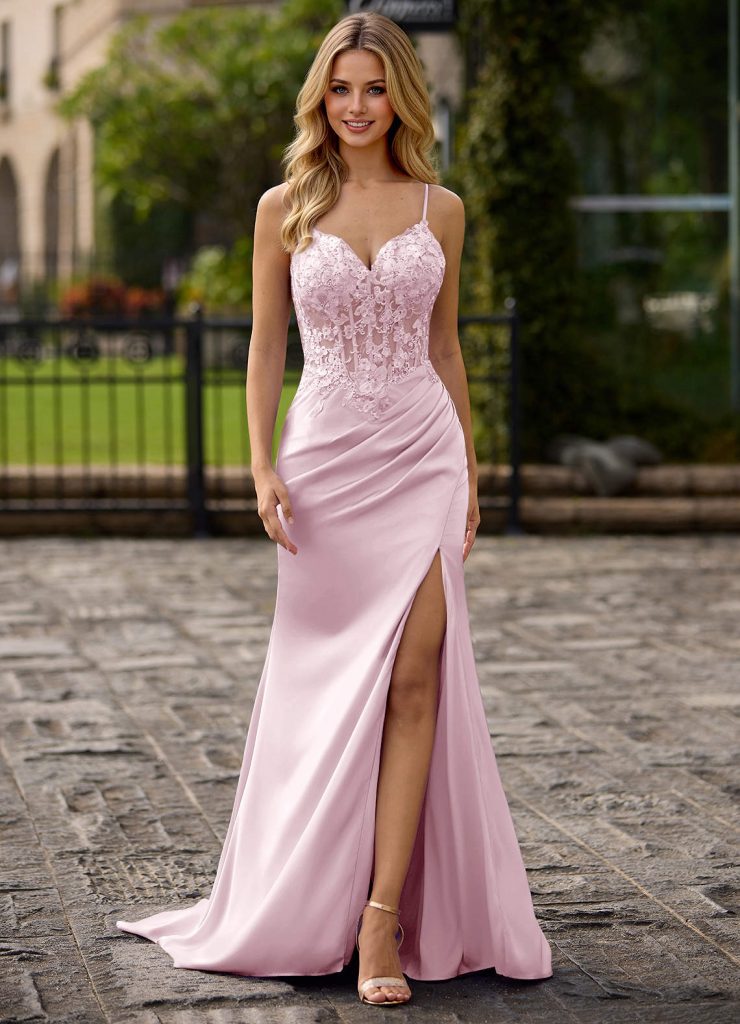
Formal means floor-length gowns, elevated fabrics, and polished styling. Semi-formal gives you more flexibility—midi lengths, lighter fabrics, and a slightly relaxed vibe are all acceptable. When your invitation says “formal,” go long and glamorous. When it says “semi-formal,” a chic shorter dress or a sleek midi works perfectly.
What Does “Formal” Mean for Prom?
Formal is the highest dress code level short of black tie. It signals that the event is elegant and elevated—and your outfit should match that energy.
Formal Dress Code: What’s Expected
- Length: Floor-length or maxi gowns are the standard
- Fabric: Satin, chiffon, lace, tulle, or velvet—structured and luxurious
- Embellishment: Beading, sequins, lace appliqué, or embroidery are all appropriate
- Neckline: Any neckline works—sweetheart, V-neck, halter, off-the-shoulder
- Exposure level: Tasteful cutouts or a backless detail are fine; overly revealing styles read as underdressed
A long prom dress in a rich fabric is almost always the right call for a formal prom invitation.
What to Avoid at a Formal Event
- Mini dresses or anything above the knee
- Casual fabrics like jersey, cotton, or denim
- Overly casual silhouettes like bodycon club dresses
- Heavy athleisure-inspired details
What Does “Semi-Formal” Mean for Prom?
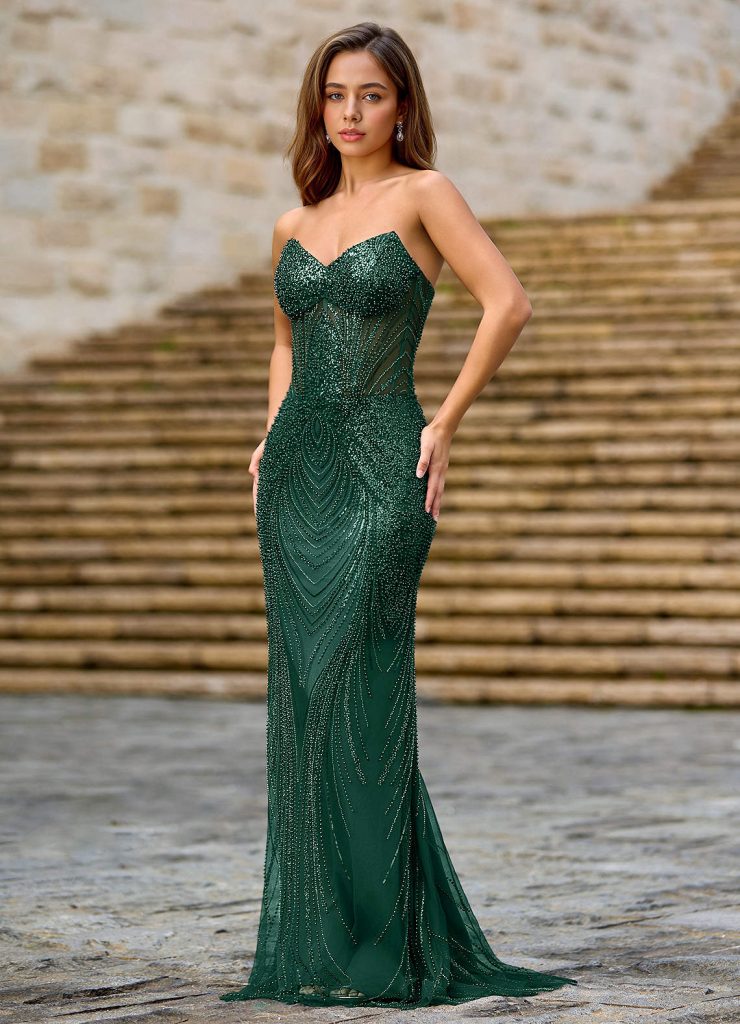
Semi-formal is more relaxed than formal but still clearly dressy. It’s not casual—it just gives you more room to express your personal style.
Semi-Formal Dress Code: What’s Expected
- Length: Midi, knee-length, or even a chic mini are all acceptable
- Fabric: Lighter fabrics like chiffon, satin, or lace work well
- Embellishment: Optional—a simple elegant dress works just as well as one with detail
- Neckline: Any neckline is appropriate, including more casual V-necks or scoop necks
- Exposure level: Slightly more relaxed—open backs, spaghetti straps, and shorter hemlines all fit
Short prom dresses shine at semi-formal events. They’re easy to move in and still look polished and put-together.
What to Avoid at a Semi-Formal Event
- Extremely casual outfits like sundresses or skirts with tops
- Full ball gowns (you’ll be overdressed and uncomfortable)
- Heavy formal fabrics in very structured silhouettes
Formal vs Semi-Formal: Side-by-Side Comparison
| Feature | Formal | Semi-Formal |
| Dress length | Floor-length / maxi | Midi, knee, or mini |
| Fabric | Satin, lace, tulle, chiffon | Chiffon, lace, lighter satin |
| Silhouette | Ball gown, mermaid, A-line | A-line, fit-and-flare, sheath |
| Embellishment | Expected / encouraged | Optional |
| Heels | Usually expected | Heels or dressy flats both work |
| Exposure | Tasteful cutouts OK | Slightly more relaxed |
| Vibe | Glamorous, polished | Dressy but approachable |
Decoding Your Prom Invitation Wording
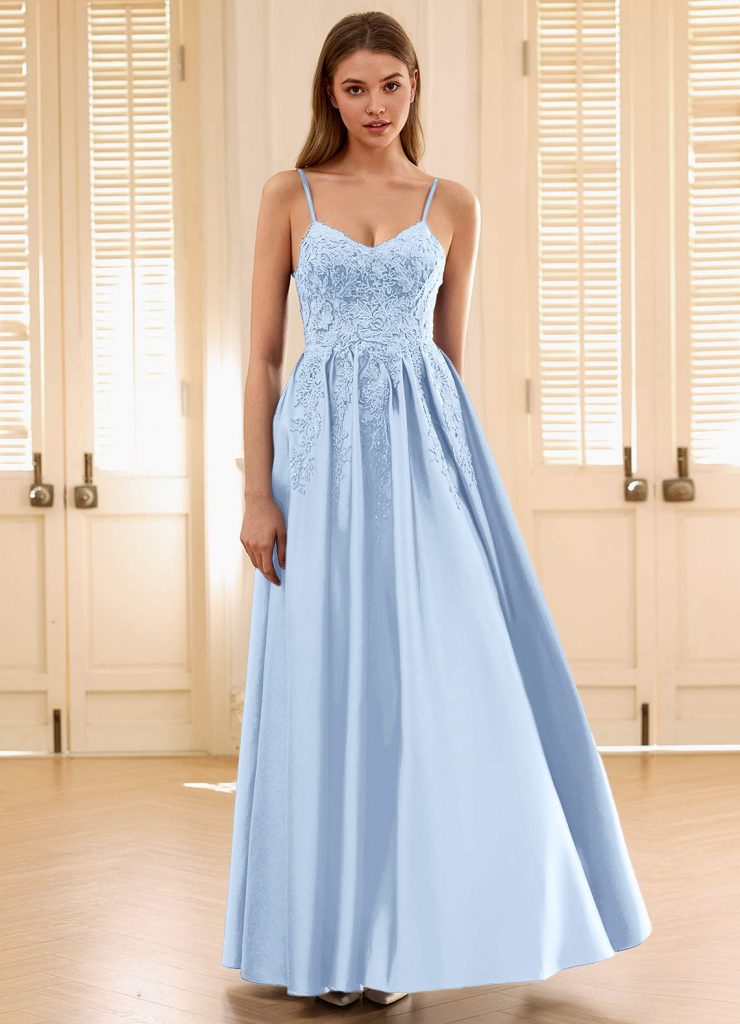
Schools don’t always spell it out clearly. Here’s how to read between the lines.
Common Phrases and What They Mean
- “Formal attire required” → Floor-length gown; treat it like a black-tie-adjacent event
- “Dressy attire” → Semi-formal; a midi or knee-length dress is appropriate
- “Cocktail attire” → Semi-formal; knee-length or slightly above is the target
- “Evening wear” → Formal; go long and elevated
- “Dress to impress” → Semi-formal minimum; use your judgment on length
- No dress code mentioned → When in doubt, go formal—you can never be overdressed at prom
Quick rule: If the venue is a hotel ballroom or upscale event space, lean formal. If it’s a school gym or outdoor venue, semi-formal is likely the intent.
Best Silhouettes by Dress Code
Choosing the right silhouette makes it easy to hit the right level of formality without overthinking it.
For Formal Prom
Mermaid — Fitted through the body with a dramatic flared hem. Reads as highly formal and glamorous. A mermaid prom dress in satin or sequin is a top formal choice.
Ball Gown — The most traditionally formal silhouette. Full skirt, fitted bodice, and sweeping length create an unmistakably elegant look.
A-Line (Floor-Length) — Universally flattering and formally appropriate. A floor-length a line prom dress in lace or satin works beautifully for formal events.
Column / Sheath — Sleek and sophisticated. Best for girls who prefer understated elegance over volume.
For Semi-Formal Prom
Fit-and-Flare — Fitted through the waist and hips, then flares out at or above the knee. Dressy but easy to move in.
Midi A-Line — Falls between knee and ankle. Hits the sweet spot between formal and relaxed.
Mini with Structure — A structured mini in quality fabric feels party-ready without being too casual. Pair with heels to elevate the look.
Fabric Guide: Formal vs Semi-Formal
Fabric choice communicates formality more than almost anything else. The right fabric instantly signals the right dress code level.
| Fabric | Best For | Why It Works |
| Satin | Formal | Structured, smooth, and luxurious |
| Lace | Both | Elegant in any length |
| Chiffon | Both | Lightweight and polished |
| Tulle | Formal | Creates volume and a ball-gown effect |
| Sequin fabric | Formal | High-impact and clearly dressy |
| Jersey (stretch) | Semi-formal | Comfortable and sleek for shorter styles |
| Velvet | Formal | Rich texture perfect for evening events |
Neckline & Exposure: Getting the Balance Right
Neckline and coverage level both signal formality. Here’s how to calibrate them correctly.
Formal Necklines That Always Work
- Sweetheart — classic and elegant
- V-neck — elongates the neckline and looks polished
- Off-the-shoulder — romantic and appropriate for formal settings
- Halter — structured and sophisticated
Semi-Formal Options
- Scoop neck — relaxed but still dressy
- Spaghetti straps — fine at semi-formal events
- One-shoulder — works at either level depending on fabric and length
Exposure Rules by Dress Code
For formal events, if a dress has a low back, a deep neckline, or a side slit, that one bold element is usually enough. Combining multiple cutouts or very high slits at a formal event can read as underdressed. At semi-formal events, there’s more flexibility with both backless styles and shorter hemlines.
Color Choices by Dress Code Level
Color doesn’t define formality, but certain palettes tend to read more formal than others.
Colors That Read as Formal
- Deep jewel tones: emerald, navy, burgundy, royal purple
- Classic black — a black prom dress in floor-length satin is always formal-appropriate
- Metallics: gold, silver, champagne
- Rich ivory and white
Colors That Work for Semi-Formal
- Pastels: blush, lavender, powder blue, mint
- Bright bold tones: coral, fuchsia, yellow
- Two-tone or printed fabrics in structured silhouettes
A purple prom dress in deep plum reads very formal, while a soft lilac in a midi length fits perfectly into a semi-formal setting.
About Azazie’s Formal Prom Collection
Azazie is an online retailer offering over 200 prom dresses in more than 90 colors and sizes 0–14. The collection includes formal gowns in mermaid, A-line, and ball gown silhouettes, alongside semi-formal styles in midi and mini lengths. All dresses are made to order, helping you get a better fit without relying heavily on alterations.
For formal dress code guidance from an independent source, the Emily Post Institute’s etiquette guide on dress codes offers a trusted breakdown of formal attire expectations.
Frequently Asked Questions
Is a short dress ever okay for a formal prom?
Generally, no. Formal dress codes expect at least midi or floor-length hemlines. If the invitation specifically says “formal,” a mini dress risks standing out for the wrong reason. Save the shorter styles for semi-formal events.
Can I wear a corset dress to a formal prom?
Yes, absolutely. A structured corset prom dress in a floor-length silhouette is a popular formal choice. It offers a defined waist and an elegant, polished look that fits the dress code well.
What’s the safest dress choice when the dress code isn’t clear?
Go slightly more formal rather than less. A floor-length gown in a classic fabric will never look out of place, even at a semi-formal event. It’s always easier to remove a wrap or simplify accessories to dress down slightly.
Does my school’s location affect what “formal” means?
It can. Prom dress codes in larger cities or upscale venues often lean stricter on the formal end. At smaller or rural school proms, “formal” sometimes means “your nicest dress” rather than strict floor-length. When unsure, ask a teacher or check what past attendees wore.