
Evening Gown Dresses vs. Cocktail Attire: What Is the Difference?
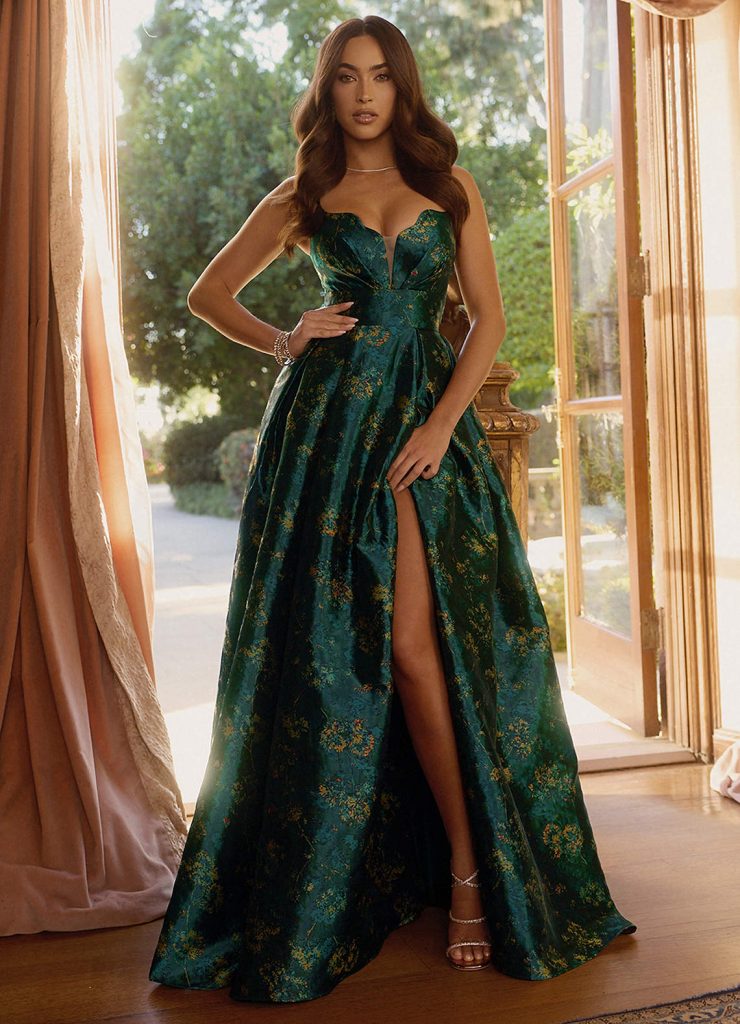
Evening gown dresses and cocktail attire serve different dress codes. Evening gowns are floor-length, formal garments designed for black-tie galas, award ceremonies, and grand formal events. Cocktail dresses are shorter, semi-formal styles suited to receptions, dinners, and less structured evening occasions.
Choosing between the two starts with reading your invitation. The dress code specified by the host determines which category is appropriate. When in doubt, opt for the longer, more formal option.
What Defines an Evening Gown Dress?
An evening gown is the most formal category of women’s dress. It is defined primarily by its floor-length hemline and elevated fabric choices. Silk, satin, chiffon, lace, and velvet are among the most common materials used.
Key Characteristics of Evening Gowns
- Length: Always floor-length or sweeping the floor
- Fabric: Luxurious, structured, or flowing satin, chiffon, lace, velvet
- Silhouette: Mermaid, ball gown, A-line, sheath, or empire waist
- Occasion: Black-tie galas, award ceremonies, military balls, formal weddings
- Detail level: Beading, embroidery, ruching, or dramatic draping
A mermaid evening dress is among the most recognized evening gown silhouettes. It hugs the body through the hips and flares dramatically below the knee. This style is ideal for high-formality events where a polished, structured look is expected.
What Defines Cocktail Attire?
Cocktail attire occupies the space between casual and formal dressing. These dresses typically fall between the knee and mid-thigh, though midi lengths are increasingly accepted. The tone is elegant yet approachable, with less structural formality than a full evening gown.
Key Characteristics of Cocktail Dresses
- Length: Mini, knee-length, or midi
- Fabric: Structured crepe, jersey, lace, or silk blends
- Silhouette: A-line, fit-and-flare, bodycon, or wrap
- Occasion: Cocktail receptions, semi-formal dinners, evening parties, corporate events
- Detail level: Tasteful embellishment, clean lines, or subtle texture
Azazie’s cocktail evening dresses include styles ranging from sleek midi options to refined mini silhouettes. These designs are created for occasions where full-length gowns may feel excessive. They maintain elegance without requiring strict formal protocol.
Evening Gown vs. Cocktail Dress: Side-by-Side Comparison
| Feature | Evening Gown Dress | Cocktail Dress |
| Hemline | Floor-length | Mini to midi |
| Formality Level | Black-tie, ultra-formal | Semi-formal |
| Fabric | Satin, chiffon, lace, velvet | Crepe, jersey, lace, silk |
| Silhouettes | Mermaid, ball gown, A-line, sheath | Fit-and-flare, bodycon, wrap |
| Best Occasions | Galas, military balls, awards | Receptions, dinners, parties |
| Accessories | Statement jewelry, clutch, heels | Minimal jewelry, heels or flats |
| Dress Code Cue | “Black-tie” or “Formal” | “Cocktail” or “Semi-formal” |
How to Read a Dress Code Invitation
“Black-Tie” on the Invitation
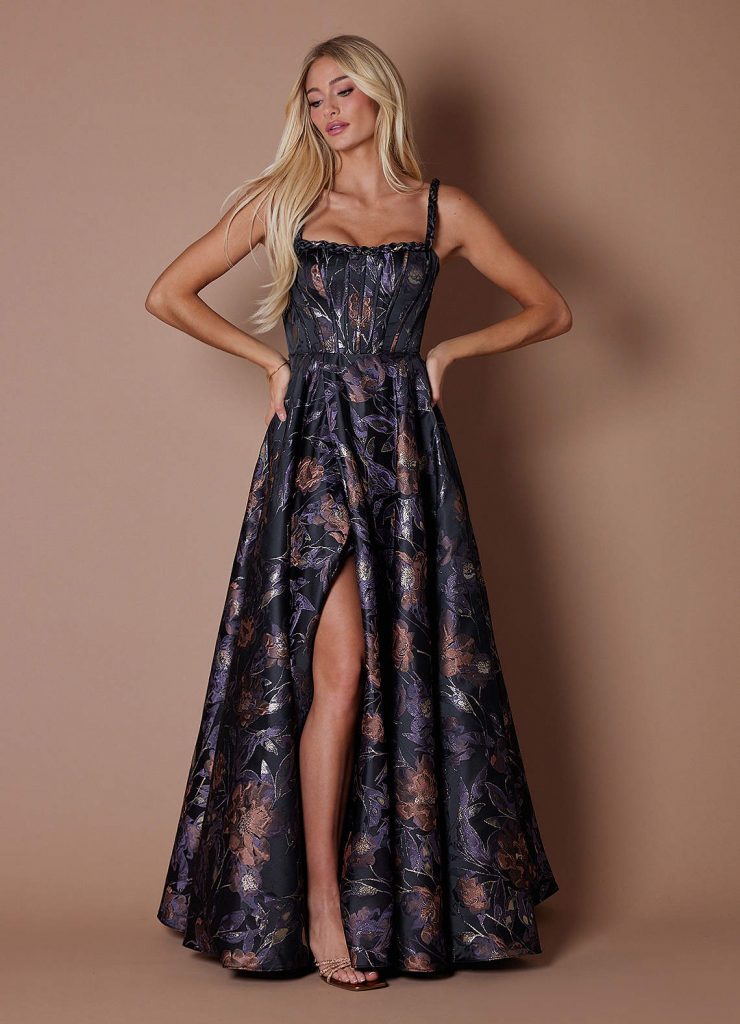
Black-tie is the clearest signal to wear an evening gown. Floor-length silhouettes in formal fabrics are expected. Shorter dresses are generally not appropriate for this dress code.
“Cocktail Attire” on the Invitation
Cocktail attire signals a semi-formal setting where shorter styles are correct. Knee-length to midi dresses are the standard. A full-length gown is technically overdressed for this occasion, though a sleek, minimal floor-length style may sometimes work.
“Formal” or “Black-Tie Optional”
“Formal” typically means floor-length is preferred but not strictly required. “Black-tie optional” gives guests latitude an evening gown is appropriate, but an elevated cocktail dress is also acceptable. When in doubt, a classic elegant black evening dress in a floor-length cut remains a universally correct choice.
“Semi-Formal” or “Festive”
Semi-formal and festive dress codes align with cocktail attire. These settings welcome shorter hemlines, playful prints, and bolder color choices. A midi dress in a rich jewel tone or metallic finish is a strong option.
Occasion-by-Occasion Guide

Black-Tie Galas
Black-tie galas require evening gown dresses without exception. Floor-length silhouettes in rich, formal fabrics are expected by every guest. A sleek, structured gown in black, navy, or a deep jewel tone is always appropriate.
Award Ceremonies
Award ceremonies lean toward the formal end of the spectrum. Evening gowns are preferred, though particularly polished cocktail-length styles may be acceptable at less strict events. Bold color choices in floor-length cuts photograph especially well under event lighting.
Military Balls
Military balls are among the most formally structured events on the social calendar. Evening gown dresses with modest necklines and full-length hemlines are the standard. Evening long sleeve dresses are a particularly appropriate choice for the conservative nature of these events.
Cocktail Receptions and Evening Parties
Cocktail receptions, holiday parties, and semi-formal dinners are the natural home for cocktail attire. These settings reward polished styling without requiring the formality of a full gown. A knee-length or midi dress in a refined fabric suits these occasions perfectly.
Formal Wedding Guests
The appropriate choice for wedding guests depends entirely on the dress code specified by the couple. A black-tie wedding calls for evening gown dresses. A cocktail or semi-formal wedding calls for shorter, elegant styles. Modest evening dresses in floor length are a thoughtful, universally flattering choice for formal wedding guests.
Fabric and Silhouette: What Sets Them Apart
Fabrics for Evening Gowns
Evening gowns rely on fabric to communicate formality. The most widely used options include:
- Satin: High sheen, structured, ideal for mermaid and ball gown silhouettes
- Chiffon: Lightweight, flowing, best suited for A-line and empire waist styles
- Lace: Textured, romantic, works across silhouettes for added elegance
- Velvet: Rich and opulent, most appropriate for fall and winter events
Fabrics for Cocktail Dresses
Cocktail dresses favor fabrics that hold structure without excessive weight. These include:
- Crepe: Clean, matte, and highly tailored ideal for bodycon and wrap styles
- Jersey: Soft and flexible, well-suited to fit-and-flare silhouettes
- Silk or silk blends: Elevated sheen without the formality of full satin
- Lace overlay: Adds texture and detail to shorter, semi-formal styles
Color Choices: Gowns vs. Cocktail Dresses
Evening Gown Color Palette
Evening gown dresses favor deep, rich tones that photograph well and hold presence in large formal venues. Classic black, navy, and burgundy remain the most versatile choices. Metallics such as silver and gold add glamour suited to galas and award settings.
- Silver evening dress styles reflect light beautifully at formal evening events
- Green evening dresses in emerald or forest tones offer bold, sophisticated color
- Purple evening dress options convey a regal quality well-suited to high-formality occasions
Cocktail Dress Color Palette
Cocktail attire opens the door to brighter, lighter, and more playful color choices. Blush, sky blue, and warm neutrals work exceptionally well for evening receptions. Statement prints or two-tone combinations also read as appropriate for semi-formal occasions.
Styling: How to Complete Each Look
Evening Gown Styling
| Element | Recommendation |
| Shoes | Strappy heeled sandals or pointed-toe pumps |
| Bag | Structured clutch or evening minaudière |
| Jewelry | Statement earrings or delicate chandelier styles |
| Hair | Updo, low chignon, or polished blowout |
| Outerwear | Wrap, bolero, or tailored evening coat |
Cocktail Dress Styling
| Element | Recommendation |
| Shoes | Block heel, kitten heel, or strappy flat sandal |
| Bag | Small crossbody or envelope clutch |
| Jewelry | Minimal stud earrings or a simple bracelet |
| Hair | Down, half-up, or textured waves |
| Outerwear | Blazer, wrap cardigan, or lightweight jacket |
Common Mistakes to Avoid
Wearing Cocktail Attire to a Black-Tie Event
Arriving underdressed at a black-tie event is one of the most common formal dressing errors. A knee-length dress at a formal gala draws unwanted attention. Always opt for evening gown dresses when the invitation specifies black-tie.
Overdressing at a Semi-Formal Occasion
A full ball gown at a cocktail reception can feel equally out of place. Matching dress formality to the occasion reflects social awareness and personal refinement. A sleek midi or knee-length dress in a polished fabric is nearly always the smarter choice for semi-formal settings.
Choosing Fabric That Doesn’t Suit the Season
Heavy velvet in summer or lightweight chiffon at an outdoor winter event can create discomfort. Matching fabric weight to the season improves both comfort and appearance. Summer evening dresses in breathable fabrics are designed with this balance in mind.
Ignoring Fit
Both evening gowns and cocktail dresses must fit precisely to look polished. Ill-fitting dresses regardless of style or quality undermine the overall impression. Custom sizing options ensure the garment fits the individual, not just the size chart.
About Azazie Evening Dresses
Azazie offers a refined collection of evening dresses in sizes 0–30. With elegant silhouettes, rich fabrics, and made-to-order options, each design is created to help you feel confident at your most important evening events. Many styles are cut and sewn to your measurements for a more precise fit.
The collection spans floor-length gowns, cocktail silhouettes, and everything in between. Petite and plus size options are available throughout, with a wide selection of colors, sleeve lengths, and silhouette styles. Whether dressing for a black-tie gala or a semi-formal reception, Azazie provides the right garment for the occasion.
Frequently Asked Questions
What is the main difference between an evening gown and a cocktail dress?
The primary difference is length and formality level. Evening gowns are floor-length and designed for black-tie or ultra-formal events. Cocktail dresses are shorter typically knee-length to midi and suited to semi-formal occasions.
Can I wear a cocktail dress to a black-tie event?
Generally, no. Black-tie events have a clearly understood expectation of floor-length formal attire. A knee-length dress at a black-tie gala is considered underdressed by most event standards. If you are uncertain, a long dress is the safer and more respectful choice.
Is a midi dress considered evening gown attire or cocktail?
A midi dress typically falls into the cocktail or semi-formal category. It sits below the knee but above the ankle, making it a versatile option for receptions and dinners. At strictly formal events, a floor-length gown remains the more appropriate selection.
What silhouettes are most common for evening gowns?
Mermaid, A-line, ball gown, and sheath silhouettes are the most widely recognized evening gown styles. Each offers a different profile and suits different body types. The mermaid and A-line silhouettes are the most versatile for a range of formal occasions.
Can I wear an evening gown to a cocktail event?
A floor-length gown at a cocktail event is technically overdressed. However, a sleek, minimal column gown without heavy embellishment can sometimes work at elevated semi-formal gatherings. When in doubt, opt for the dress length and style that best matches the tone of the event.
Are long-sleeve styles appropriate for both dress codes?
Yes. Long-sleeve styles work across both evening gown and cocktail categories. For black-tie events, long-sleeve gowns in lace or structured fabric convey elegance. For semi-formal settings, a long-sleeve midi dress in a lighter fabric is a refined and seasonally appropriate option.
Does Azazie offer both evening gowns and cocktail styles?
Yes. Azazie’s collection includes full-length evening gown dresses as well as dedicated cocktail occasion styles. Custom sizing is available across both categories. Sizes range from 0 to 30, with petite and plus size options throughout the collection.