
Emerald or Olive? Choosing Green Wedding Guest Dresses for Your Skin Tone
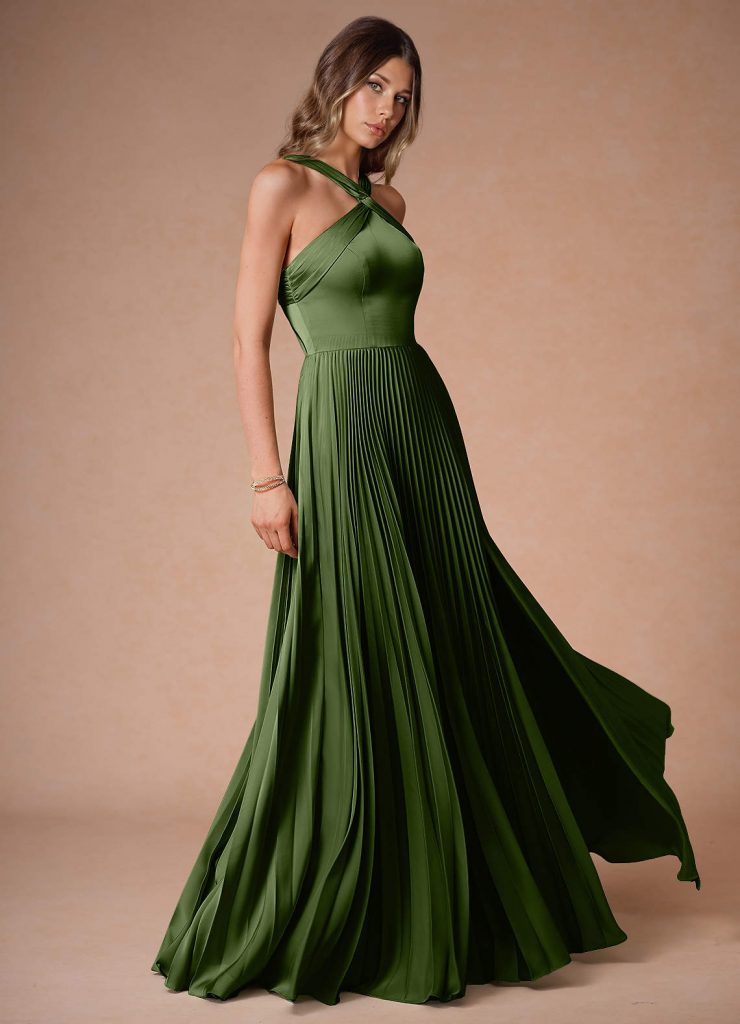
Choosing between emerald and olive green wedding guest dress options depends on your skin’s undertones. Cool undertones look stunning in emerald, forest, and jade greens, while warm undertones glow in olive, sage, and moss shades.
Understanding your undertone takes the guesswork out of color selection, ensuring you look radiant in wedding photos.
Understanding Skin Undertones and Color Theory
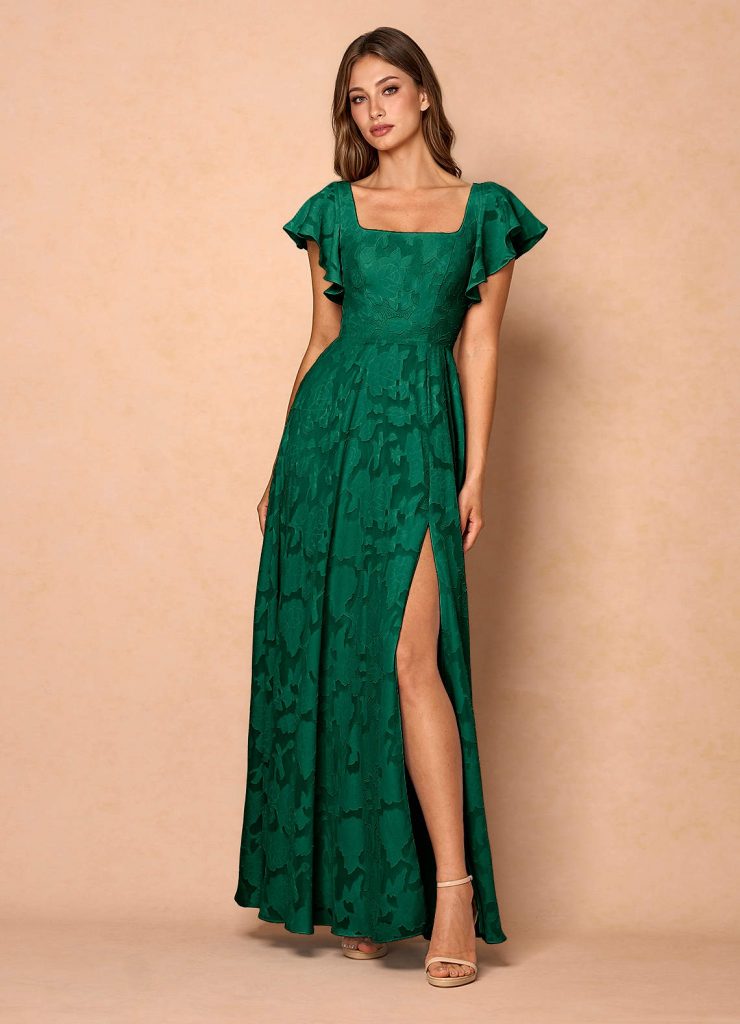
Your skin’s undertone—the subtle hue beneath the surface—determines which colors make you look vibrant versus washed out.
What Are Skin Undertones?
Three main undertone categories:
- Cool undertones: Pink, red, or bluish hues beneath your skin
- Warm undertones: Yellow, peachy, or golden hues beneath your skin
- Neutral undertones: Balanced mix of both cool and warm
Undertones differ from your surface skin tone (fair, medium, deep). Two people with the same surface tone can have completely different undertones.
How to Determine Your Undertone
Quick undertone tests:
| Test Method | Cool Undertone Result | Warm Undertone Result | Neutral Undertone Result |
| Vein check (wrist) | Blue or purple veins | Green veins | Blue-green veins |
| White paper test | Skin looks pinkish | Skin looks yellowish | Neither pink nor yellow |
| Jewelry preference | Silver flatters most | Gold flatters most | Both metals look good |
| Sun reaction | Burns easily, tans minimally | Tans easily, rarely burns | Moderate tanning |
Additional indicators:
- Cool: Look best in jewel tones (sapphire, emerald, amethyst)
- Warm: Glow in earth tones (rust, olive, golden yellow)
- Neutral: Can wear most colors successfully
Green Shades for Cool Undertones
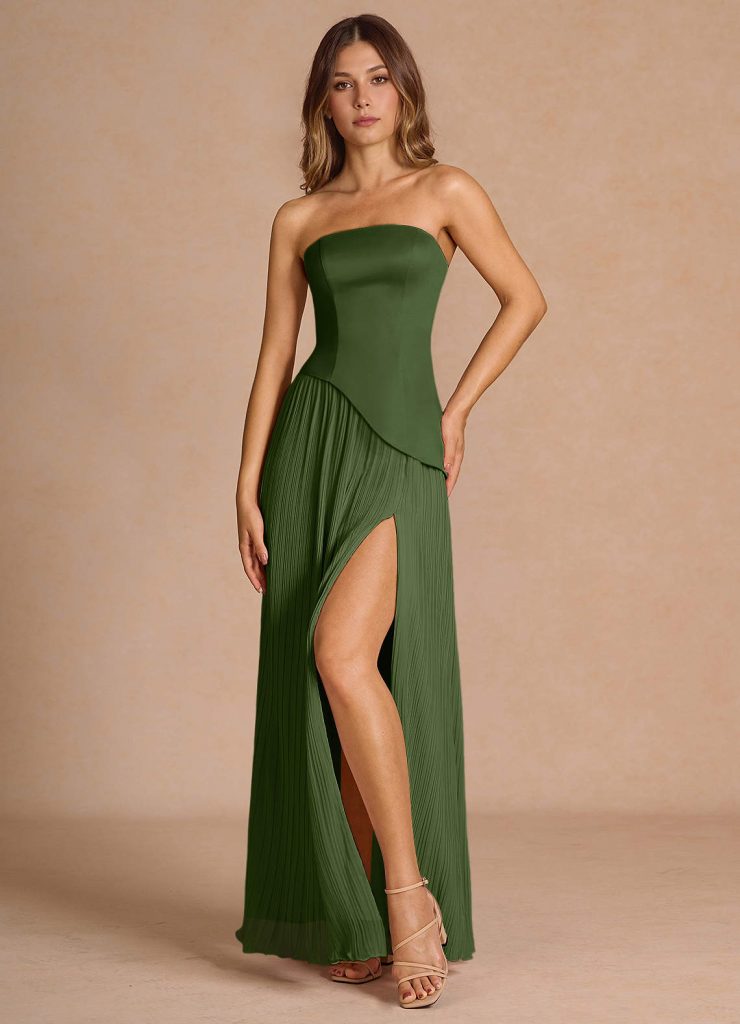
Cool undertones shine in greens with blue or gray bases that complement pink or red skin hues.
Emerald Green: The Cool-Toned Jewel
Why emerald flatters cool undertones:
- Contains blue pigments that harmonize with pink undertones
- Creates vibrant contrast without clashing
- Appears rich and saturated on cool skin
- Photographs beautifully with cool-toned complexions
Best emerald styling:
- Pair with silver jewelry (matches cool tone)
- Choose emerald for evening or formal weddings
- Works beautifully for fall wedding guest dresses occasions
- Complement with cool-toned makeup (berry lips, cool pink blush)
Emerald green wedding guest dress options create show-stopping elegance for cool-toned skin.
Forest and Hunter Green
Deep, cool-toned greens:
- Forest green (dark with blue undertones)
- Hunter green (classic, sophisticated depth)
- Pine green (winter-appropriate richness)
Why these work for cool undertones:
| Green Shade | Undertone | Best Season | Formality Level |
| Forest green | Blue-green | Fall, winter | Formal to semi-formal |
| Hunter green | True cool green | Year-round | Any formality |
| Pine green | Blue-gray-green | Winter | Formal events |
These deeper shades work particularly well for semi formal wedding guest dresses in cooler months.
Jade and Teal-Green
Cool greens with blue influence:
- Jade (medium green with blue undertones)
- Teal (blue-green hybrid)
- Seafoam (pale green with blue)
Styling advantages:
- Bridge green and blue color families
- Flattering for fair to medium cool-toned skin
- Perfect for spring and summer weddings
- Work beautifully for beach wedding guest dresses
Mint and Pale Green
Light cool-toned greens:
- Mint (fresh, pastel cool green)
- Celadon (pale gray-green)
- Pistachio with blue undertones
Best for:
- Fair cool-toned skin (creates delicate contrast)
- Spring and summer celebrations
- Garden and outdoor weddings
- Daytime events
Green Options for Neutral Undertones
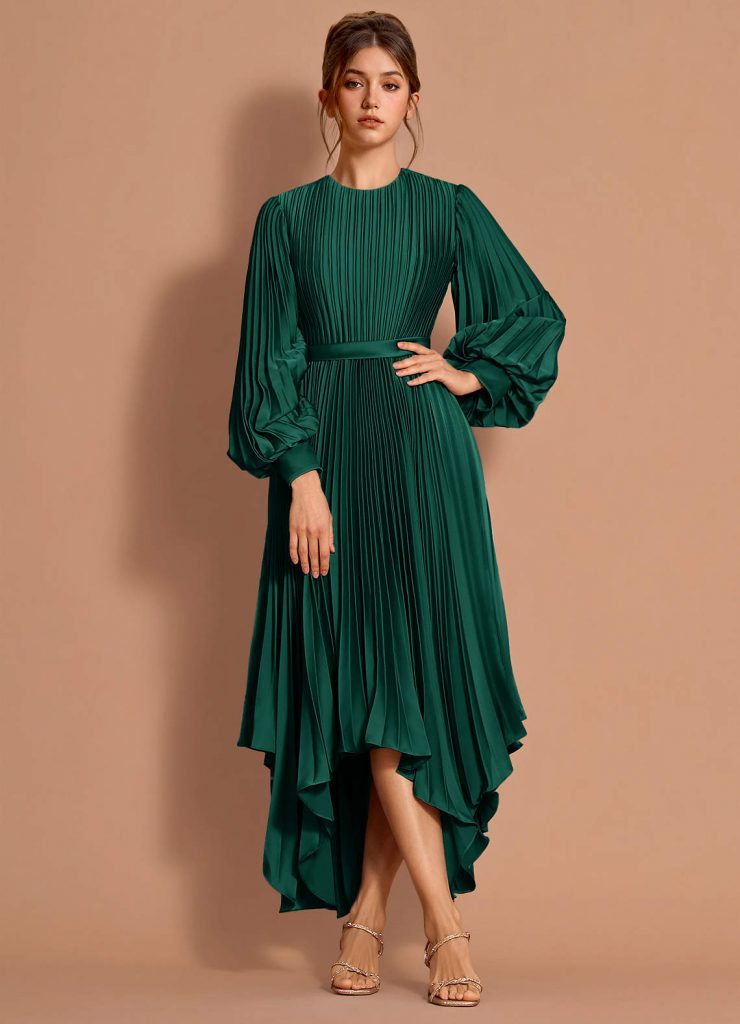
Neutral undertones have the most flexibility, working with both cool and warm greens.
Versatile Green Choices
Greens that flatter neutral undertones:
- True emerald (balanced blue-green)
- Sage (balanced gray-green)
- Eucalyptus (balanced dusty green)
- Classic kelly green (true green)
Neutral undertone advantages:
- Can wear any green successfully
- Choose based on season, venue, or personal preference
- Both silver and gold jewelry work
- Experiment with various green shades
Decision-Making for Neutral Undertones
When you have neutral undertones, consider:
- Season: Cool greens for winter, warm greens for summer
- Venue: Earthy olives for rustic, jewel emeralds for ballrooms
- Personal preference: What makes you feel most confident?
- Wedding palette: Coordinate with couple’s color scheme
Styling Green Dresses by Depth of Skin Tone
Beyond undertone, your skin’s depth (fair, medium, deep) affects which green shades look best.
Fair Skin Considerations
Best greens for fair skin:
- Cool undertones: Emerald, jade, mint
- Warm undertones: Sage, light olive, celery green
- Avoid: Very dark greens that create harsh contrast
Fair skin styling tips:
- Lighter greens create soft, romantic looks
- Medium shades provide elegant contrast
- Add blush or bronzer to avoid looking washed out
- Consider printed dresses with green as one color
Medium Skin Tone Options
Flattering greens for medium complexions:
| Undertone | Best Greens | Why They Work |
| Cool | Emerald, teal, forest | Rich contrast, vibrant appearance |
| Warm | Olive, moss, sage | Harmonious, glowing effect |
| Neutral | Any green shade | Maximum versatility |
Medium skin advantages:
- Widest range of green options
- Both light and dark greens flatter
- Can wear bold or muted shades successfully
- Most forgiving skin depth for green
Deep Skin Tone Recommendations
Stunning greens for deep skin:
- Cool undertones: Rich emerald, deep teal, jewel greens
- Warm undertones: Deep olive, forest green, golden-greens
- All undertones: Vibrant kelly green, saturated shades
Deep skin styling tips:
- Richer, more saturated greens create beautiful contrast
- Avoid very pale greens (can appear washed out)
- Jewel tones photograph spectacularly
- Bold greens make powerful statements
Common Green Dress Color Mistakes
Avoiding these pitfalls ensures your green dress flatters beautifully.
Wrong Undertone Selection
The mistake:
Choosing emerald when you have warm undertones (appears harsh) or olive when you have cool undertones (looks muddy).
The fix:
Always test greens against your skin in natural light before purchasing. Notice which shades make you look healthy and radiant versus tired or sallow.
Ignoring Season and Venue
Mismatched combinations:
- Pale mint at formal winter evening wedding
- Dark forest green at summer beach ceremony
- Bright lime at conservative fall church wedding
Better approach:
Match your green shade intensity to the season and formality. Lighter greens suit spring/summer and daytime, while richer shades fit fall/winter and evening.
Over-Matching Everything
The problem:
Wearing green shoes, green jewelry, green bag, and green nails with your green dress creates costume-like appearance.
The solution:
Let your green wedding guest dress be the focal point. Choose neutral or complementary accessories in gold, nude, tan, or contrasting colors like burgundy or navy.
Testing Colors Before Purchase
Don’t guess—confirm your perfect green shade before buying.
In-Person Testing Methods
How to test accurately:
- Hold fabric samples against your face in natural daylight
- Look in a mirror to see your whole appearance
- Take photos to see how it photographs
- Notice if the color makes you look healthy or tired
- Try multiple green shades for comparison
What to observe:
- Does your skin look luminous or dull?
- Do your eyes appear brighter?
- Does the color wash you out or create nice contrast?
- Do you feel confident in the shade?
Online Shopping Color Selection
When ordering wedding guest dresses online:
- Read detailed color descriptions
- Check customer photos for accurate representations
- Consider ordering fabric swatches if available
- Understand return policies before ordering
Azazie advantages:
- Detailed color descriptions for each shade
- Dresses available in sizes 0 to 30
- Free custom sizing option
- Consistent colors across size ranges
Frequently Asked Questions
What shade of green is most flattering for wedding guests?
The most flattering green depends on your skin’s undertone. Cool undertones look stunning in emerald, forest, and jade greens with blue bases. Warm undertones glow in olive, sage, and moss greens with yellow bases. Neutral undertones can wear any green successfully, choosing based on season and personal preference.
Can I wear olive green to a spring wedding?
Yes, olive green works for spring weddings, especially for outdoor or garden venues with rustic elements. However, lighter greens like sage, mint, or kelly green often feel more seasonally appropriate for spring celebrations. Choose olive in lighter fabrics like chiffon rather than heavy materials for spring weather.
Is emerald green appropriate for all skin tones?
Emerald green flatters cool undertones across all skin depths beautifully. Warm undertones can wear emerald but may find olive or sage more harmonious. Deep skin tones look particularly stunning in rich, saturated emerald. Fair cool-toned skin creates elegant contrast with emerald, while fair warm-toned skin might prefer sage.
What’s the difference between sage and olive green?
Sage green contains gray undertones creating a muted, soft appearance that works for both cool and warm undertones. Olive green contains yellow and brown undertones, appearing earthier and warmer. Sage feels more romantic and delicate, while olive appears more organic and grounded.
Can warm-toned skin wear emerald green dresses?
Warm-toned skin can wear emerald green, though olive, sage, or forest green typically flatter more naturally. If you love emerald with warm undertones, balance it with gold jewelry, warm-toned makeup, and accessories in camel, tan, or bronze to create harmony rather than clash.
Conclusion
Choosing between emerald and olive green wedding guest dress options comes down to understanding your skin’s undertone. Cool undertones shine in blue-based greens like emerald and forest, while warm undertones glow in yellow-based shades like olive and sage. With Azazie’s range of green shades and sizes 0 to 30, you’ll find the perfect green that makes you look radiant at any wedding celebration.