
Corset vs. Zipper: Which Prom Dress Back Offers Better Support?
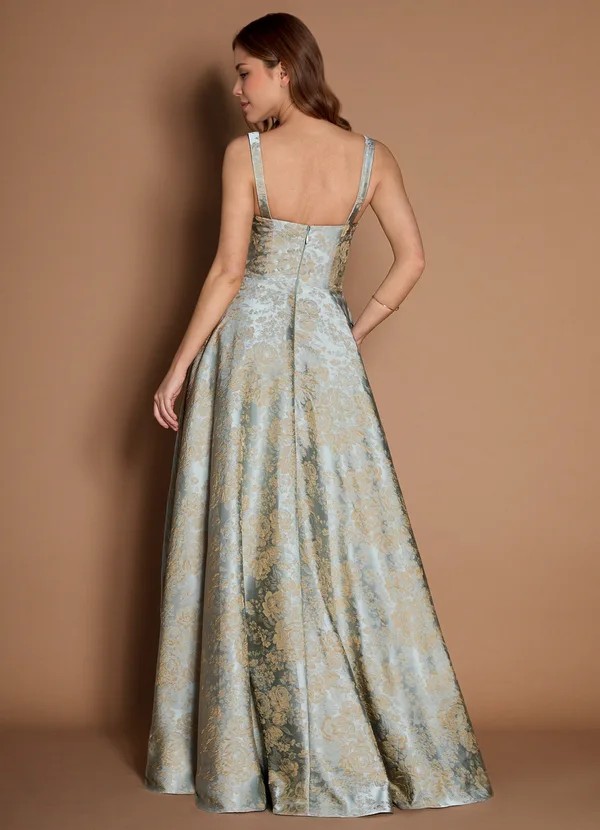
A corset prom dress provides better support than a zipper back because it distributes weight across your entire torso instead of relying on a single closure line. The adjustable lacing lets you customize fit throughout the night while built-in boning creates structure that holds everything in place. For all-night comfort and confident posture, corset backs win when constructed properly with quality materials.
Why Back Construction Matters for Prom Night
The closure on your dress does more than just fasten fabric together. It determines how weight gets distributed, how your posture holds up after hours of dancing, and whether you’ll need constant adjustments.
Zipper backs create a single line of closure. All the tension from keeping the dress on your body concentrates along that one seam. If the zipper fits perfectly, this works fine. But any fluctuation in your body throughout the night means the zipper either digs in or gaps open.
Corset backs spread tension across multiple lacing points. The crisscross pattern and adjustable ribbons let the dress conform to your exact shape. You can loosen or tighten as needed without losing structural support.
For strapless prom dresses especially, back construction becomes critical. Without straps to help hold things up, your closure system does all the work.
Understanding Corset Back Construction
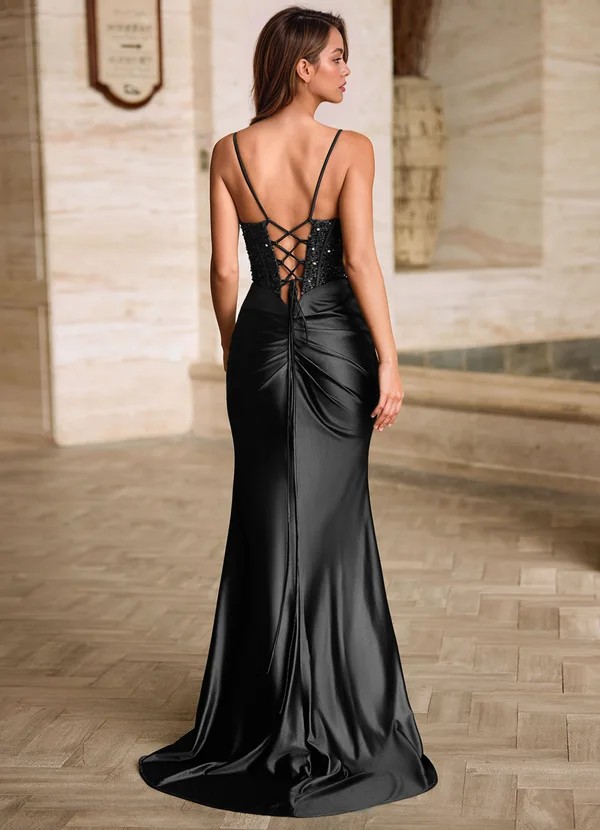
Not all corset backs provide equal support. Quality construction makes the difference between all-night comfort and constant readjustment.
Key Structural Elements
Boning creates the framework. Metal or synthetic boning runs vertically along the bodice to prevent fabric from collapsing or folding. Good corsets have at least 6-8 bones evenly spaced around the torso. More bones mean better support but also less flexibility.
Lacing systems vary in quality. Proper corsets use grommets or eyelets that won’t tear out under tension. Ribbon should be sturdy satin or grosgrain that holds knots without slipping. Cheap lacing with flimsy holes fails quickly.
Panel construction matters. Well-made corsets use multiple fabric panels sewn together rather than one piece of material. This allows the dress to curve with your body instead of pulling straight across.
Internal structure stays hidden. The boning and support layers sit between your skin and the outer fabric. You shouldn’t feel bones poking you or see them creating visible lines through the dress.
How Corsets Distribute Support
A properly fitted corset creates gentle pressure across your ribcage and waist. This distributed compression supports your posture naturally. You stand straighter without feeling squeezed because the entire torso shares the load.
Zipper backs concentrate all pressure at the closure line. If you gain any bloating from dinner or need to breathe deeply, the zipper has zero give. A corset adjusts to these normal body changes.
What to Look For in Supportive Corset Features
When shopping for corset prom dresses, check these specific elements that indicate quality construction.
| Feature | What to Check | Why It Matters |
| Boning Material | Steel or synthetic stays | Prevents twisting and holds shape |
| Number of Bones | Minimum 6-8 vertical bones | More bones = better support |
| Lacing Hardware | Metal grommets vs cheap holes | Prevents tearing under tension |
| Ribbon Quality | Wide satin ribbon (1/2″ minimum) | Holds knots and adjustments |
| Modesty Panel | Inner fabric layer behind lacing | Covers skin gaps when laced |
| Boning Placement | Evenly spaced including center back | Balanced support distribution |
Fabric stability affects everything. A corset made from stretchy jersey won’t provide the same support as one constructed from structured satin or taffeta. The fabric itself needs enough body to work with the boning. A satin prom dress with corset back typically offers excellent support because satin has natural structure.
Waist definition should enhance without pain. The corset should create a smooth curve at your waist without creating bulges above or below. If fabric bunches or your skin spills over the top edge, the fit needs adjustment.
When Zipper Backs Work Well
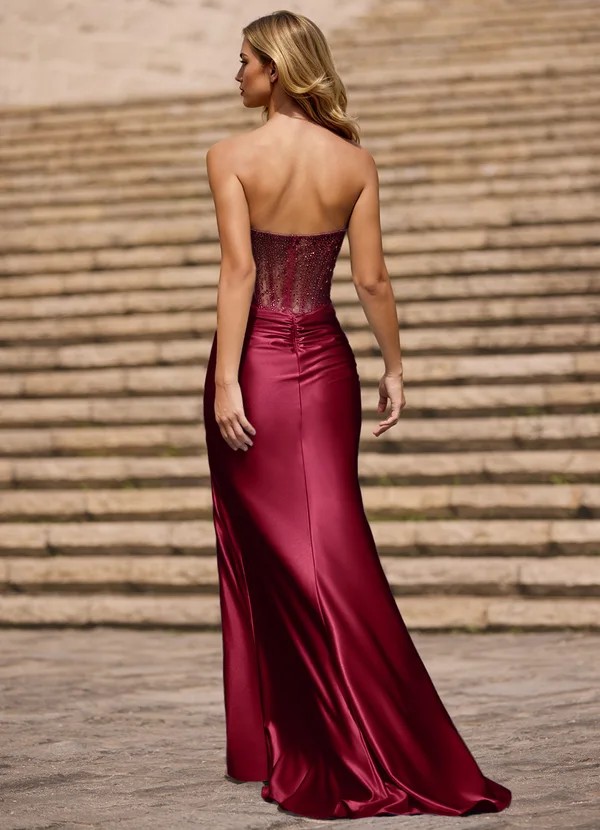
Zippers aren’t automatically inferior. They excel in specific situations and dress styles.
Benefits of zipper closures:
- Sleek invisible finish with no visible hardware
- Quick and easy to put on alone
- Lighter weight without boning structure
- Better for very fitted silhouettes like mermaid prom dresses
- Works well with stretch fabrics
When to choose a zipper:
- Your dress has straps or sleeves providing upper support
- The silhouette is fitted but not heavily structured
- You prefer minimal hardware and clean lines
- Your measurements match standard sizing exactly
- The dress includes built-in bust support
Zipper limitations become clear when you need serious shaping or your measurements fall between standard sizes. Zippers offer zero adjustability. If it doesn’t fit perfectly off the rack, alterations become necessary.
For ball gown prom dresses with heavy skirts, a zipper back might not provide enough support to hold the weight comfortably all night.
Comfort Adjustments Throughout Prom Night
Even a perfectly fitted corset may need tweaking as the evening progresses. Your body naturally changes slightly from sitting, eating, and dancing.
How to Adjust Lacing
To loosen: Pull the center of each X crossing to create slack, then pull the excess ribbon out through the bottom eyelets. Work from top to bottom gradually.
To tighten: Start at the top and work down, pulling each crossing snug. Make sure tension stays even on both sides. Tie securely at the bottom once you reach desired snugness.
Never pull one side much tighter than the other. This creates uneven pressure and can make the bodice sit crooked on your body.
When Professional Alterations Help
If you consistently struggle to get comfortable fit with lacing alone, these alterations can help:
- Adding or removing boning for better support distribution
- Adjusting panel seams to better match your curves
- Installing stretch panels in strategic areas for breathing room
- Reinforcing grommets that show signs of stress
- Adding a modesty panel if the original design doesn’t include one
Most formal wear shops offer these services. Bringing the dress in a few weeks before prom gives time for multiple fittings if needed.
Breaking In Your Corset
New corsets can feel stiff initially. Wear your dress around the house for short periods before prom to let the materials soften and conform to your body shape. This also helps you practice adjusting the lacing yourself.
According to formal wear experts at Brides Magazine, breaking in structured garments prevents surprises on event day and helps you move more confidently in restrictive silhouettes.
Exploring Corset Options in Formal Collections
When browsing prom dresses, look for specific corset features that indicate quality construction and reliable support.
Structured corset bodices work beautifully across different silhouettes. You’ll find them on a line prom dresses that need waist definition and ball gown prom dresses requiring support for heavy skirts.
Fabric combinations enhance both support and style. A lace prom dress with a structured satin corset underneath the lace overlay provides excellent support while maintaining delicate aesthetics.
Color options span the full spectrum. Whether you prefer a red prom dress with dramatic black lacing or a pink prom dress with matching ribbon, the corset back adds customizable detail.
Frequently Asked Questions
Do corset prom dresses run small?
Corset backs actually provide more size flexibility than zipper closures because the lacing adjusts to your exact measurements. Most corsets can accommodate a 2-4 inch range in each size category.
How tight should a corset prom dress be?
Properly fitted corsets feel snug and supportive without causing pain or breathing difficulty. You should be able to take full deep breaths, sit comfortably, and move your arms freely. If you see red marks on your skin after wearing the dress for just a few minutes, it’s too tight.
Can I put on a corset prom dress by myself?
Most people need help with initial lacing but can make minor adjustments alone once the dress is on. Having someone pull the lacing evenly from behind ensures proper fit and even tension.
Are corset backs more supportive than built-in bras?
Corset backs provide different support than built-in bras. Built-in cups offer breast support from below, while corsets create overall torso stability and posture support. The best combination includes both features: a corset structure with integrated bust support.