
Cocktail Wedding Guest Dresses: Perfect Lengths, Colors, and Accessories
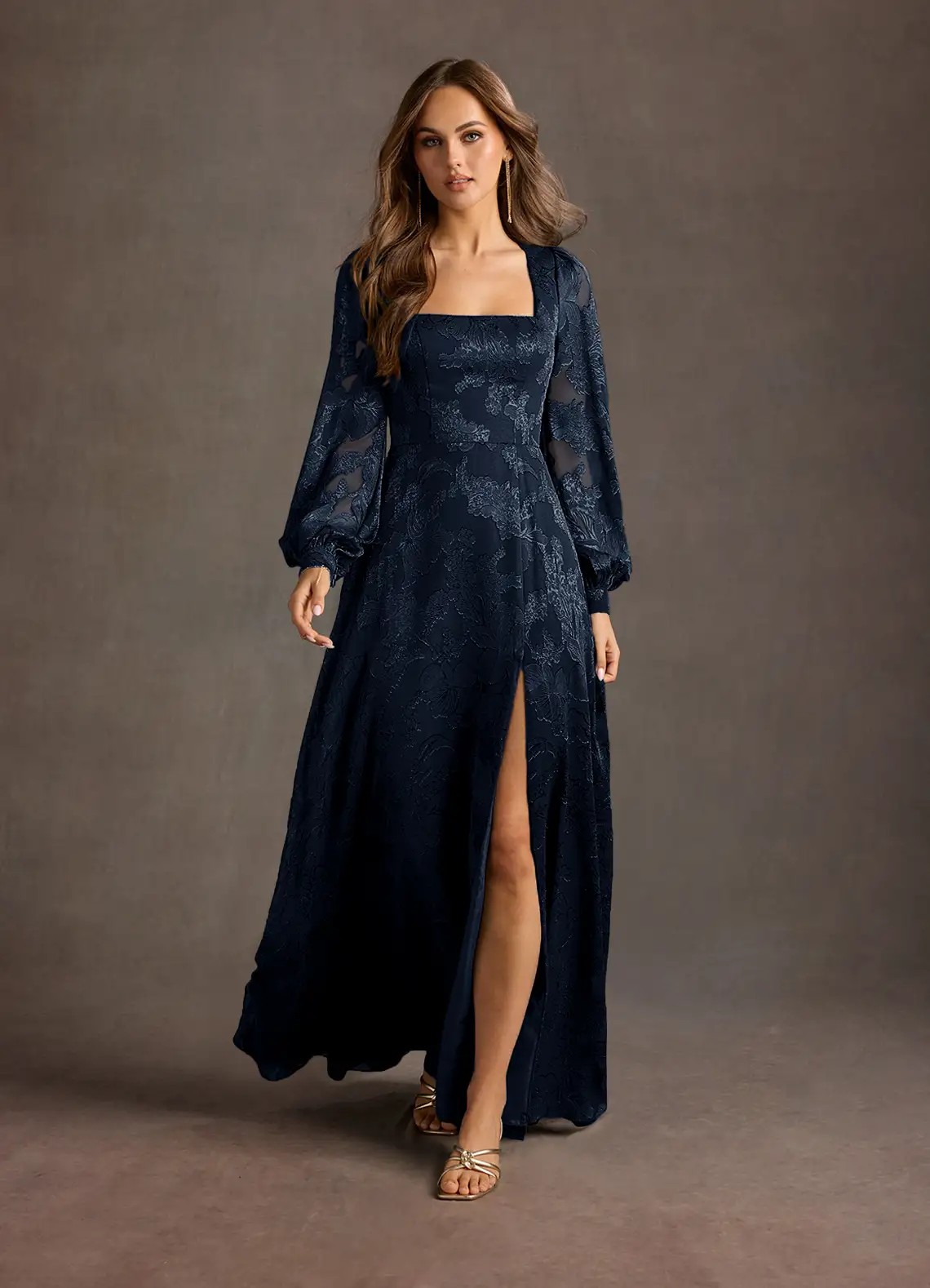
Cocktail attire means polished, party-ready dresses in knee-to-midi lengths. Choose refined fabrics like satin or chiffon in flattering silhouettes with elegant accessories. This semi-formal dress code balances sophistication with celebration, giving you room for personal style while maintaining wedding-appropriate polish.
Understanding Cocktail Dress Code
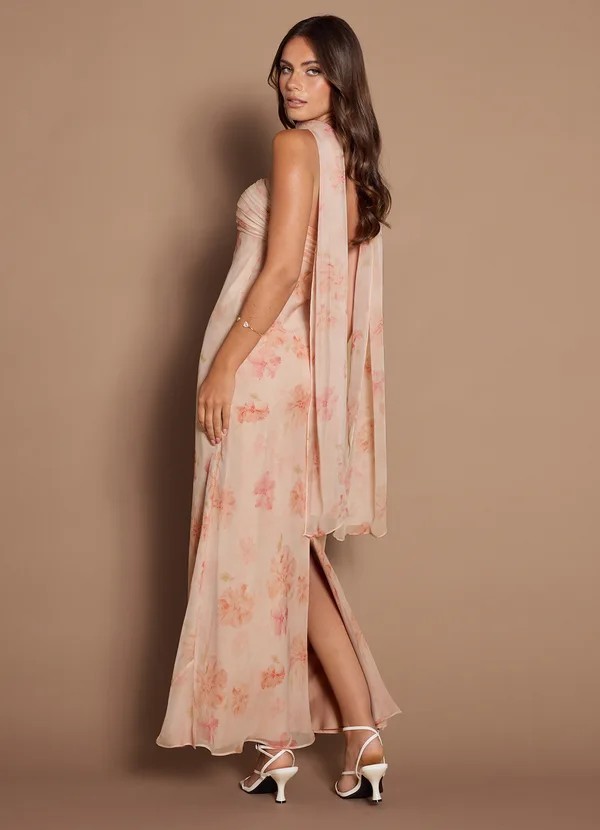
Cocktail attire sits comfortably between formal evening wear and casual daytime dresses. It’s one of the most common wedding dress codes and offers significant flexibility in style, color, and length.
What cocktail attire means:
- Semi-formal, party-appropriate dresses
- Knee-length to midi hemlines work best
- Quality fabrics with some polish and structure
- Room for personality and trend interpretation
- More color and pattern freedom than formal events
- Elegant but not overly formal accessories
Cocktail dress codes typically appear at afternoon or early evening weddings. The invitation might say “cocktail attire,” “dressy casual,” or “semi-formal”—all generally mean the same level of dressing.
Perfect Lengths for Cocktail Weddings
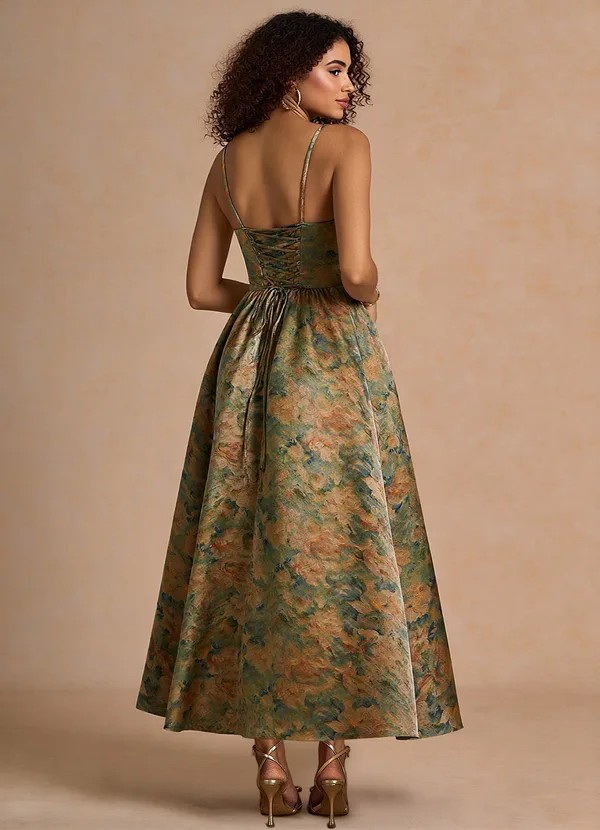
Length choices matter significantly for cocktail attire, with clear sweet spots that work across venues.
Knee-Length Dresses
At or just above the knee creates classic cocktail proportions. This length feels universally appropriate for cocktail weddings. It’s comfortable for dancing, photographs well, and works across seasons.
Benefits of knee-length:
- Easy to move and dance in
- Works with various shoe heights
- Feels party-appropriate without being too formal
- Suitable for afternoon and evening events
- Versatile across different venues
Midi-Length Options
Mid-calf to just below the knee offers slightly more coverage while maintaining cocktail-appropriate styling. Midi lengths work particularly well for fall and winter cocktail weddings or more conservative venues.
When midi works best:
- Religious or traditional venues
- Cooler weather events
- Outdoor garden settings
- When you prefer more coverage
- Tea-length styles for vintage aesthetics
What Doesn’t Work
Floor-length gowns typically exceed cocktail requirements. Save these for formal or black-tie events unless you’re certain the venue calls for extra elegance.
Very short mini dresses that hit mid-thigh or higher can read too casual or club-like. Keep hemlines at or slightly above the knee for appropriate cocktail styling.
When selecting wedding guest dresses, focus on the knee-to-midi range for cocktail events.
Color Strategy by Season and Venue
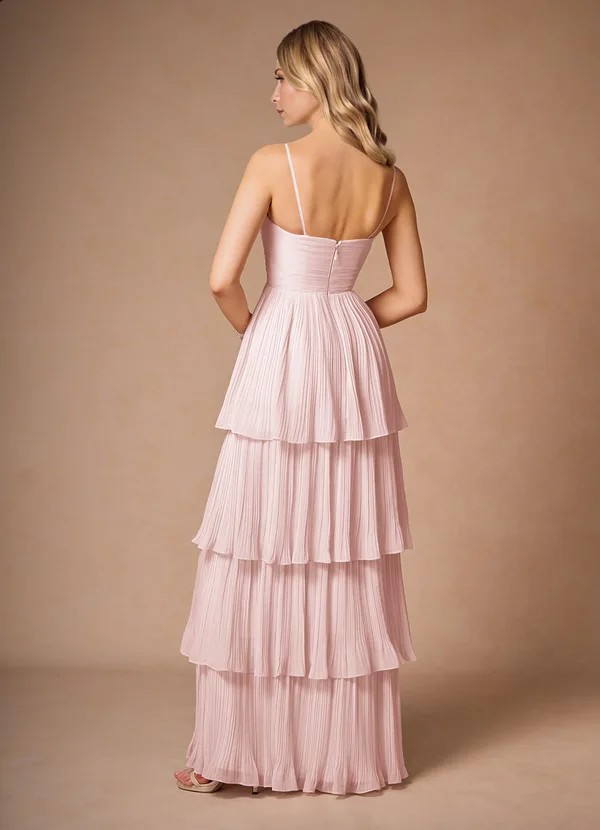
Cocktail weddings give you broad color freedom with seasonal considerations.
Spring Cocktail Colors
Soft pastels work beautifully for spring celebrations. Blush pink, powder blue, lavender, and mint green all capture the season’s freshness. These colors photograph gorgeously in natural spring light.
Bright jewel tones like coral, emerald, or sapphire add vibrancy. Spring cocktail events welcome color, so don’t shy away from saturated hues.
Floral prints suit spring cocktail weddings perfectly. Choose sophisticated patterns rather than overly casual designs.
Summer Cocktail Palette
Bold, saturated colors feel appropriate for summer celebrations. Fuchsia, cobalt blue, tangerine, and kelly green all work. Summer light handles bright colors beautifully.
Tropical-inspired tones like turquoise, coral, or sunset orange suit beach or outdoor summer venues.
Lighter neutrals including champagne, blush, or soft gray provide elegant alternatives to bright hues.
Fall Cocktail Tones
Rich jewel tones dominate fall cocktail palettes. Burgundy, forest green, navy, and plum all feel seasonally appropriate while maintaining party energy.
Warm metallics like bronze, copper, or rose gold capture autumn’s aesthetic. These work particularly well for evening cocktail events.
Earth tones including rust, olive, and chocolate brown suit fall settings beautifully.
Winter Cocktail Colors
Deep, saturated hues work best for winter cocktail weddings. Emerald, ruby red, sapphire, and deep burgundy all photograph well and feel festive.
Metallics including silver, gold, and gunmetal add celebration without excessive sparkle. These suit holiday-season weddings perfectly.
Classic black always works for cocktail attire. It’s sophisticated, versatile, and appropriate year-round.
Colors to always avoid:
- White, ivory, or cream (reserved for brides)
- Colors that exactly match the bridal party
- Neon shades that photograph poorly
Venue-Specific Dress Guidance
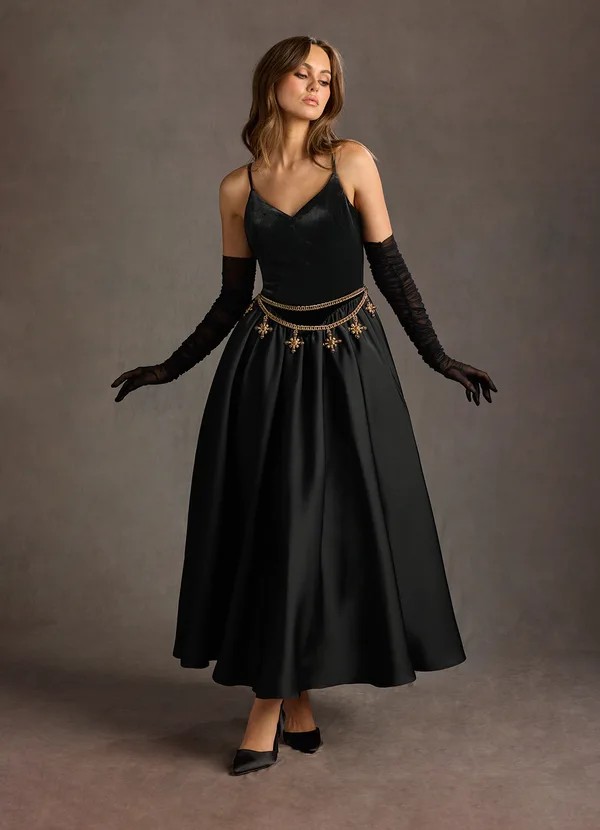
Different venues call for subtle adjustments within cocktail dress code parameters.
Hotel Ballroom or Country Club
Polished sophistication suits these traditional venues. Choose refined silhouettes in quality fabrics. Stick to classic colors or elegant jewel tones.
Dress recommendations:
- Structured A-line or sheath dresses
- Satin, crepe, or quality chiffon
- Classic accessories and formal heels
- Subtle jewelry that complements
Garden or Outdoor Venue
Flowing fabrics work well for garden settings. Chiffon, lightweight crepe, or soft jersey move beautifully outdoors. Consider practicality with grass and uneven terrain.
Dress recommendations:
- A-line or fit-and-flare silhouettes
- Floral prints or nature-inspired colors
- Block heels or wedges for stability
- Light wraps for temperature changes
Restaurant or Loft Space
Modern, trend-forward styles suit contemporary venues. You can take more fashion risks in these settings. Asymmetrical hemlines, interesting textures, or bold patterns all work.
Dress recommendations:
- Sleek column or wrap dresses
- Interesting necklines or back details
- Statement accessories
- Fashion-forward color choices
Beach or Waterfront
Lightweight, flowing options handle coastal breezes beautifully. Choose fabrics that won’t wrinkle easily. Shorter lengths work better for sand or boardwalk venues.
Dress recommendations:
- Knee-length rather than midi
- Chiffon, jersey, or lightweight silk
- Brighter colors that complement water
- Flat sandals or wedges for sand
For specific beach settings, explore beach wedding guest dresses that balance style with coastal practicality.
Fabric Selection for Cocktail Attire
Choose fabrics that feel party-appropriate without excessive formality.
Chiffon creates flowing movement perfect for cocktail events. It photographs well and feels celebration-ready. Choose fully-lined chiffon to avoid transparency issues.
Satin brings polished elegance without feeling too formal. It works across seasons and photographs beautifully. Medium-weight satin holds structure while remaining comfortable.
Crepe offers sophisticated texture with comfortable wear. It doesn’t wrinkle easily, making it practical for long events. Crepe works particularly well for structured silhouettes.
Jersey provides comfortable stretch while maintaining polish. Quality jersey drapes beautifully and moves well for dancing. Choose substantial jersey rather than thin, casual versions.
Lace adds romantic detail when used as overlay or accent. It feels special-occasion appropriate while working perfectly for cocktail dress codes.
Velvet suits fall and winter cocktail weddings beautifully. It brings richness and texture without requiring full formal length.
Fabrics to avoid:
- Casual cotton or denim
- Heavy wool suiting fabrics
- Overly stiff or costume-like materials
- Very sheer fabrics without proper lining
Silhouette and Style Options
Cocktail dress codes welcome various silhouettes based on personal preference and body type.
A-line dresses work universally well. The fitted bodice with gradually flared skirt flatters most figures. This silhouette feels classic and photographs beautifully.
Fit-and-flare styles emphasize the waist while providing movement. They’re perfect for dancing and create feminine proportions.
Sheath dresses offer sleek sophistication. These work best in structured fabrics that hold their shape. Sheath silhouettes suit more formal cocktail venues.
Wrap dresses bring universally flattering lines. The V-neckline and adjustable fit work across different body types. Wrap styles feel polished without being stuffy.
Off-shoulder or one-shoulder designs add interest to simple silhouettes. These necklines photograph well and feel party-appropriate.
Tea-length styles with full skirts create vintage-inspired elegance. These work particularly well for garden or outdoor cocktail weddings.
Accessorizing Cocktail Wedding Attire
Accessories complete your cocktail look and allow personality expression.
Jewelry Choices
Statement pieces work well for cocktail attire. Bold earrings, layered necklaces, or eye-catching bracelets all suit this dress code’s semi-formal nature.
Mixing metals feels modern and appropriate. Don’t worry about matching everything perfectly—cocktail attire allows creative expression.
Trendy pieces including ear cuffs, delicate body chains, or contemporary designs all work. Cocktail dress codes welcome current fashion.
Balance is key: If your dress is heavily embellished, keep jewelry minimal. Simple dresses benefit from more dramatic accessories.
Footwear Options
Heeled sandals work beautifully for spring and summer cocktail weddings. Strappy designs in metallic or coordinating colors feel festive.
Pumps or d’Orsay flats suit fall and winter events. Choose interesting textures like velvet or suede for seasonal appeal.
Block heels provide comfort without sacrificing style. They’re particularly practical for outdoor venues or long celebrations.
Dressy flats work if you can’t manage heels. Choose embellished or metallic flats that clearly read as party shoes rather than everyday casual.
Shoe colors: Metallic neutrals work with everything. Colored shoes can coordinate with or complement your dress.
Bags and Final Touches
Clutches or small crossbody bags suit cocktail events. Choose styles with interesting details—beading, metallic finishes, or unique shapes.
Wraps or shawls add elegance while providing warmth. Pashmina, silk, or lightweight cashmere all work for cocktail weddings.
Hair accessories including decorative clips, headbands, or subtle fascinators can enhance your look. Keep these understated for cocktail events.
Dress Code Dos and Don’ts
Understanding boundaries prevents cocktail attire missteps.
Do:
- Embrace color and pattern
- Show personality through accessories
- Choose comfortable shoes you can dance in
- Consider venue practicality
- Have fun with current trends
- Wear well-fitted, polished pieces
Don’t:
- Wear floor-length formal gowns
- Choose overly casual sundresses or t-shirt dresses
- Wear anything too revealing or club-appropriate
- Select white, ivory, or cream colors
- Forget to consider the season
- Sacrifice comfort for extreme fashion
Time-of-Day Considerations
Event timing influences specific cocktail dress choices.
Afternoon cocktail weddings (before 5 PM) work well with lighter colors and softer fabrics. Pastels, bright hues, and flowing chiffon all suit daytime celebrations.
Evening cocktail events (after 6 PM) call for slightly richer tones and more structured fabrics. Jewel tones, metallics, and satin create appropriate evening polish.
Twilight weddings that transition from day to evening benefit from versatile mid-tone colors. Navy, burgundy, or deep teal work throughout light changes.
Building a Versatile Cocktail Wardrobe
Smart shopping creates options you’ll wear repeatedly.
Choose classic silhouettes in colors you love. A well-made A-line or sheath dress in navy, black, or a flattering jewel tone serves multiple events.
Invest in quality fabrics that photograph well and maintain their appearance. Well-constructed pieces justify their value through repeated wear.
Select colors that complement your skin tone and work across seasons. Deep teal, burgundy, or emerald all have broad versatility.
Mix and match accessories to create different looks. One dress styled multiple ways through jewelry, shoes, and bags feels fresh each time.
Azazie offers made-to-order dresses in sizes 0–30 and over 90 colors, providing options that fit properly and match your personal style preferences.
Frequently Asked Questions
What length dress is appropriate for cocktail attire?
Knee-length to midi works best for cocktail weddings. Dresses that hit at or just above the knee feel classic and universally appropriate. Midi-length styles that fall mid-calf also work beautifully.
Can I wear black to a cocktail wedding?
Yes, black is completely appropriate for cocktail weddings. Choose styles with interesting details, textures, or silhouettes to keep black feeling festive rather than somber. Pair black dresses with colorful accessories or metallic shoes to brighten the overall look.
Are cocktail dresses and semi-formal dresses the same?
Yes, cocktail attire and semi-formal dress codes are essentially the same. Both call for party-appropriate dresses in knee-to-midi lengths with polished accessories. The terms are used interchangeably on wedding invitations.
What’s the difference between a cocktail and formal attire?
Cocktail attire is less formal than formal dress codes. Cocktail events accept knee-to-midi length dresses, while formal weddings often expect floor-length gowns. Cocktail dress codes also allow more color, pattern, and trend interpretation than strict formal requirements.
Can I wear a maxi dress to a cocktail wedding?
Floor-length maxi dresses typically exceed cocktail dress code requirements. Stick to knee-length or midi options unless you’re certain the venue or couple’s style calls for longer lengths. Cocktail attire specifically means shorter, party-appropriate hemlines.
What shoes should I wear with a cocktail dress?
Heeled sandals, pumps, or dressy block heels all work beautifully with cocktail dresses. Choose styles in metallics, coordinating colors, or interesting textures. Heel height matters less than the shoe’s overall polish—even dressy flats work if they clearly read as party appropriate.
What fabrics work best for cocktail wedding dresses?
Chiffon, satin, crepe, quality jersey, lace, and velvet all suit cocktail weddings. Choose fabrics with some structure and polish that photograph well. Avoid casual cotton, denim, or overly informal materials regardless of the dress’s silhouette.
Conclusion
Cocktail wedding guest dresses offer the perfect balance between polished elegance and personal expression. Choose knee-to-midi lengths in quality fabrics like satin, chiffon, or crepe that feel party-appropriate without excessive formality.
Consider your venue when selecting colors and styles—garden settings suit flowing fabrics and floral prints, while ballrooms call for more structured silhouettes. Embrace seasonal color palettes, from soft pastels in spring to rich jewel tones in fall and winter.