
Can the Mother of the Bride Wear Black to a Wedding?
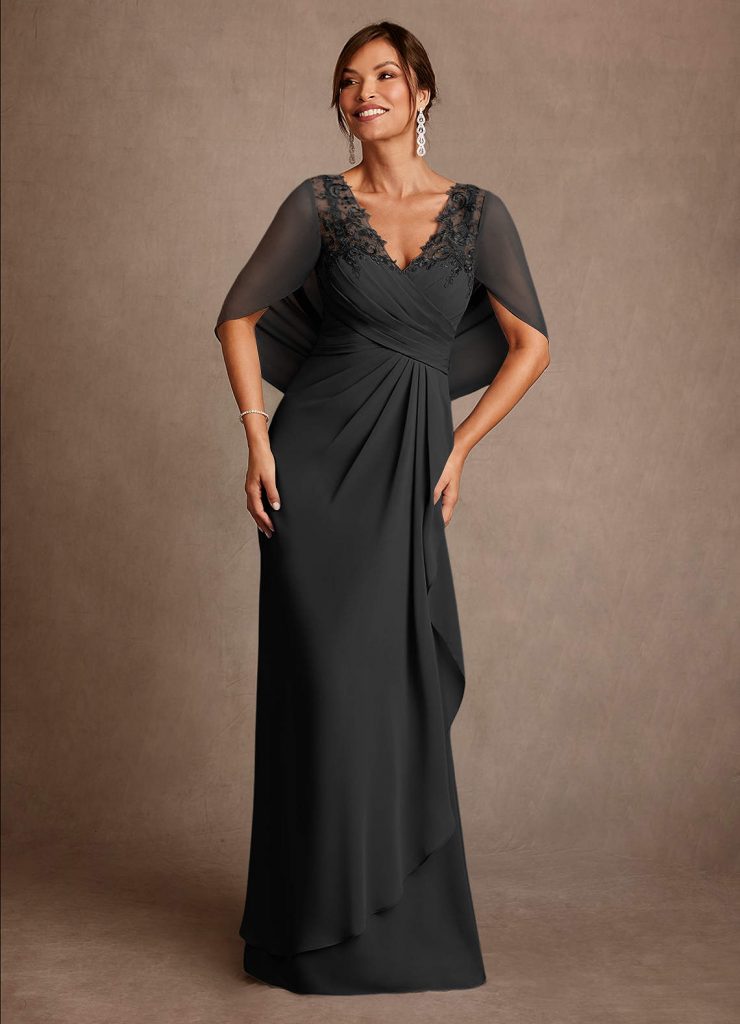
Black has evolved from a traditional mourning color to a sophisticated formal choice. Modern wedding etiquette fully embraces black for mothers of the bride when styled with celebratory elegance rather than somber simplicity.
How Wedding Etiquette Has Evolved
Understanding the historical context helps appreciate why modern guidelines differ significantly from past restrictions.
Traditional Restrictions and Their Origins
Historical mourning associations created the original taboo against wearing black to celebrations. In Victorian and early 20th-century Western culture, black signified grief and loss, making it inappropriate for joyful occasions like weddings.
Regional variations meant these rules applied unevenly. European traditions differed from American customs, and both shifted over decades as fashion evolved and cultural mixing increased.
Contemporary Etiquette Standards
Modern wedding guides from respected etiquette authorities now explicitly state that black is acceptable for wedding guests and family members when styled appropriately. The taboo has effectively dissolved in most Western contexts.
Celebrity influence normalized black formal wear at high-profile weddings. When public figures wore elegant black to celebrated weddings without controversy, it signaled complete social acceptance.
Etiquette Evolution Timeline
| Era | Black Dress Perception | Wedding Acceptability |
| Pre-1960s | Mourning, somber | Generally avoided |
| 1960s-1980s | Fashion-forward, edgy | Slowly gaining acceptance |
| 1990s-2010s | Elegant, sophisticated | Widely accepted |
| 2020s-Present | Classic formal choice | Fully embraced |
Cultural and Religious Considerations
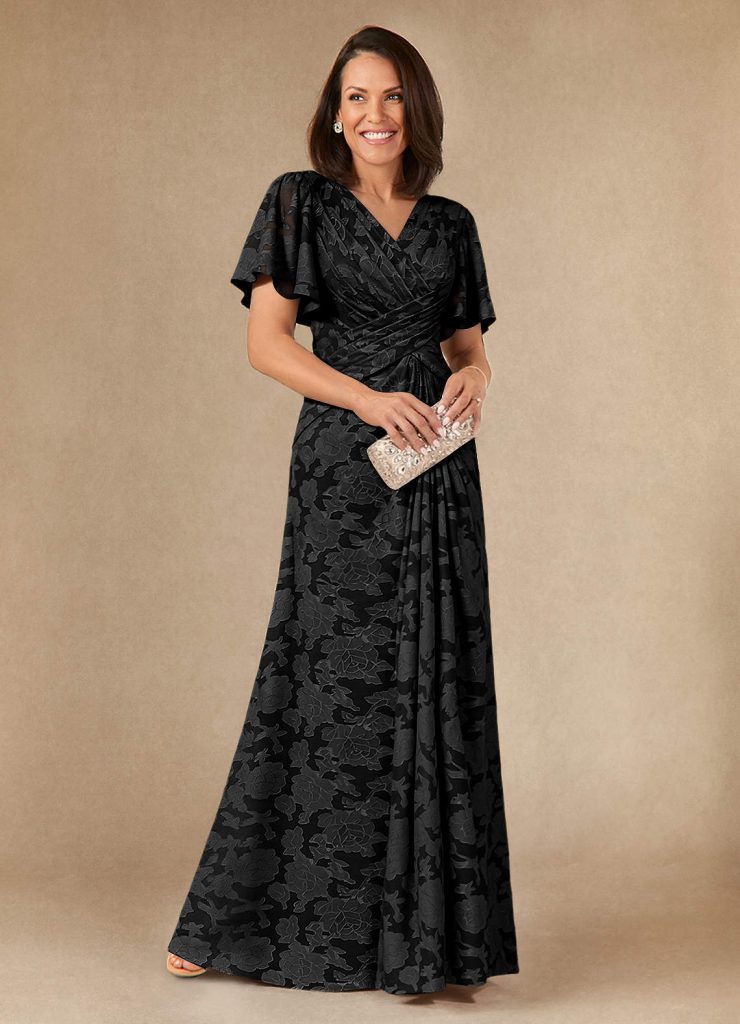
While Western etiquette has evolved, various cultural and religious traditions maintain different perspectives on black formal wear.
Western Cultural Contexts
American weddings fully embrace black as an elegant choice for mothers and guests. The color signals sophistication and formality rather than any negative connotation. Black mother of the bride dresses remain popular choices for evening ceremonies.
European traditions similarly accept black, though some older family members from traditional backgrounds may prefer other colors. Brief conversations with the couple can clarify any family-specific sensitivities.
Australian and Canadian customs follow similar patterns to American norms, with black considered perfectly appropriate for formal celebrations.
Cultural Traditions to Consider
Chinese weddings traditionally associate black with bad luck and mourning, making it an inappropriate choice. Red, gold, and other vibrant colors are preferred. Families blending cultural traditions should discuss color preferences directly.
Indian celebrations typically favor vibrant, colorful attire over black, though this varies by region and family. The emphasis on bright, celebratory colors makes black feel out of place in many contexts.
Cultural Sensitivity Guidelines
- Ask the couple directly about any color preferences or cultural considerations
- Consider the venue and setting for cultural context clues
- Observe other family members if attending pre-wedding events
- When in doubt, choose another color to avoid unintended offense
- Respect blended traditions by understanding both cultural backgrounds
When Black Works Perfectly
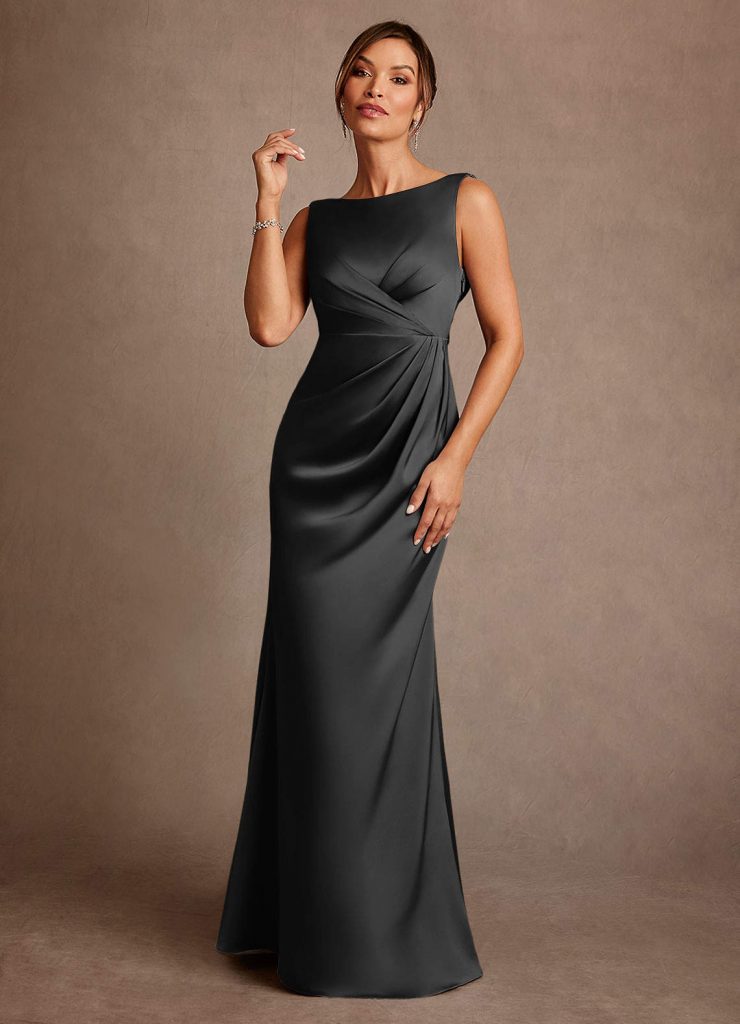
Certain wedding contexts make black an ideal choice that feels naturally appropriate.
Evening formal ceremonies in elegant ballrooms, historic mansions, or upscale hotels suit black beautifully. The formality of these settings matches black’s sophisticated presence.
Black-tie weddings explicitly call for formal attire where black gowns fit perfectly within expected dress codes. This formality level makes black an obvious elegant choice.
Modern minimalist celebrations featuring clean lines, contemporary décor, and sophisticated aesthetics pair naturally with sleek black designs. The color complements rather than conflicts with the overall aesthetic.
Urban venues including art galleries, rooftop spaces, or industrial lofts often feature modern design where black feels stylistically cohesive with the environment.
Venue Suitability Guide
| Venue Type | Black Suitability | Reasoning |
| Hotel Ballroom | Excellent | Formal elegance matches setting |
| Historic Mansion | Excellent | Sophisticated formality appropriate |
| Art Gallery/Museum | Excellent | Contemporary elegance fits aesthetic |
| Country Club | Very Good | Traditional formal setting |
| Beach Resort | Moderate | Lighter colors often preferred |
| Garden/Outdoor | Moderate | Seasonal and time-dependent |
| Barn/Rustic | Lower | May feel too formal for setting |
Styling Black to Look Celebratory
The difference between somber and sophisticated black lies entirely in design details and accessorizing choices.
Fabric and Texture Selection
Luxurious materials including satin, velvet, silk, and quality lace transform black from basic to elegant. The richness of premium fabrics catches light beautifully, creating visual interest and depth.
Textured designs featuring jacquard weaving, burnout patterns, or dimensional embroidery add complexity that prevents black from feeling flat or dull. These details create sophistication appropriate for celebrations.
Shimmering elements through sequins, beading, or metallic threading introduce celebratory sparkle. Strategic embellishment concentrated at the neckline or bodice draws attention upward.
Silhouette and Design Features
Elegant necklines including sweetheart, V-neck, or off-shoulder styles frame the face beautifully while adding feminine softness to black’s strength. These design elements prevent austere appearance.
Flowing skirts in A-line or fit-and-flare silhouettes create graceful movement that feels romantic and celebratory. Avoid overly structured or boxy shapes that can feel stiff.
Sleeve variations from delicate cap sleeves to elegant three-quarter lengths add design interest. Consider long sleeve mother of the bride dresses for seasonal appropriateness and personal preference.
Essential Styling Elements
- Light-catching fabrics: Satin, silk, burnout, or sequined materials
- Dimensional texture: Lace, jacquard, pleating, or ruching
- Strategic embellishment: Beading concentrated at neckline or waist
- Feminine silhouettes: A-line, fit-and-flare, or flowing designs
- Elegant details: Sophisticated necklines, sleeve interest, back features
Accessorizing Black for Weddings
Strategic accessory choices transform black from understated to celebration-ready.
Jewelry That Adds Sparkle
Statement pieces in gold, silver, or colorful gemstones immediately elevate black to formal festivity. Bold necklaces, chandelier earrings, or substantial bracelets add celebratory glamour.
Pearl elegance offers classic sophistication that pairs beautifully with black. Multi-strand necklaces or substantial pearl drops create timeless refinement.
Colored gemstones coordinating with wedding colors show thoughtful attention to the celebration’s palette. Sapphire, emerald, or ruby jewelry adds intentional color connection.
Metallic choices should complement skin tone rather than matching other accessories. Mixing metals has become acceptable, allowing personal preference to guide selections.
Color Introduction Through Accessories
Metallic shoes in gold, silver, or rose gold add celebration-appropriate shimmer without competing with the dress. These work especially well for evening celebrations.
Colorful clutches in jewel tones or metallic finishes introduce subtle color while remaining elegant. Choose sophisticated options that complement rather than match exactly.
Wraps or shawls in complementary colors provide temperature flexibility while adding visual interest. Champagne, silver, or colors from the wedding palette work beautifully.
Accessory Guidelines by Formality
| Wedding Formality | Jewelry Approach | Shoe Choice | Additional Elements |
| Black Tie | Statement diamonds/pearls | Metallic heels | Elegant wrap |
| Formal Evening | Bold necklace or earrings | Gold/silver heels | Metallic clutch |
| Semi-Formal | Moderate statement piece | Metallic or nude | Coordinating accessories |
| Daytime Formal | Understated elegance | Nude or low metallic | Subtle color accents |
When to Choose Another Color
Despite black’s modern acceptability, certain situations make alternative colors more appropriate.
Daytime garden weddings particularly spring and summer celebrations in outdoor settings, naturally suit lighter, more colorful attire. The bright natural setting makes black feel contextually heavy.
Beach ceremonies call for flowing, light-colored fabrics that match the relaxed elegance of coastal settings. Black can feel too formal and hot for these environments.
Rustic barn celebrations featuring casual elegance work better with softer colors that complement the natural, relaxed aesthetic. Black may feel overly formal for these settings.
Cultural sensitivity requirements make alternative colors essential when the couple’s background includes traditions viewing black unfavorably. Consider champagne mother of the bride dress or other elegant alternatives.
Alternative Sophisticated Colors
- Navy or midnight blue: Formal elegance with softer appearance
- Charcoal or pewter: Sophisticated neutrals with less weight
- Deep burgundy or wine: Rich formality with warmth
- Forest or emerald green: Jewel-tone sophistication
- Champagne or taupe: Elegant neutrals for any setting
Practical Shopping Considerations
Finding the perfect black gown requires attention to specific design elements that prevent somber appearance.
Seek texture and dimension rather than flat matte black. Fabrics with visual interest through weave, pattern, or sheen create celebration-appropriate elegance.
Consider embellishment carefully. Too much can feel costume-like, while too little may appear too plain. Strategic beading or lace provides ideal balance.
Try multiple silhouettes to find what flatters your figure while feeling comfortable for extended wear. Mother of the bride dresses come in numerous styles to suit different preferences.
Pay attention to lining quality. Black shows construction issues more obviously than lighter colors, so proper lining and finishing matter significantly.
Frequently Asked Questions
Is it acceptable for the mother of the bride to wear black to a wedding?
Yes, black is fully acceptable for mothers of the bride in modern Western weddings when styled with celebratory elegance. Choose luxurious fabrics, elegant silhouettes, and sophisticated accessories that create festive formality rather than somber simplicity.
How can I make a black mother of the bride dress look less somber?
Transform black from somber to sophisticated through strategic styling choices. Select fabrics with sheen or texture like satin, lace, or burnout patterns. Add sparkle through jewelry, metallic shoes, or subtle beading on the dress.
Are there cultural considerations about wearing black to weddings?
Yes, cultural background significantly affects black’s appropriateness. Chinese traditions often view black as bad luck, while Indian celebrations typically favor vibrant colors. Western cultures fully embrace black as sophisticated formal wear.
Should the mother of the bride and groom coordinate dress colors?
Coordination is traditional but doesn’t require identical colors. The bride’s mother typically selects first and shares her choice with the groom’s mother, who then chooses something complementary. Both can coordinate around the wedding colors while wearing different specific shades.
What accessories work best with black mother of the bride dresses?
Statement jewelry in gold, silver, or colored gemstones adds celebratory sparkle to black. Metallic shoes in gold, silver, or rose gold complement without competing. Consider colorful clutches or wraps that coordinate with wedding colors.
Making Your Final Decision
Choosing whether to wear black as mother of the bride combines personal preference with contextual appropriateness and cultural sensitivity.
Start by having an open conversation with the couple about their vision for the celebration and any color preferences they may have. This discussion prevents potential issues while demonstrating respect for their wishes.
Consider the practical elements: venue formality, ceremony timing, season, and overall wedding aesthetic. Black works beautifully in formal evening settings but may feel heavy for bright afternoon garden parties.
Evaluate cultural contexts carefully. If the wedding blends multiple traditions or includes guests from backgrounds where black carries different meanings, alternative sophisticated colors may serve better.