
Can I wear a formal dress for a wedding or other events?
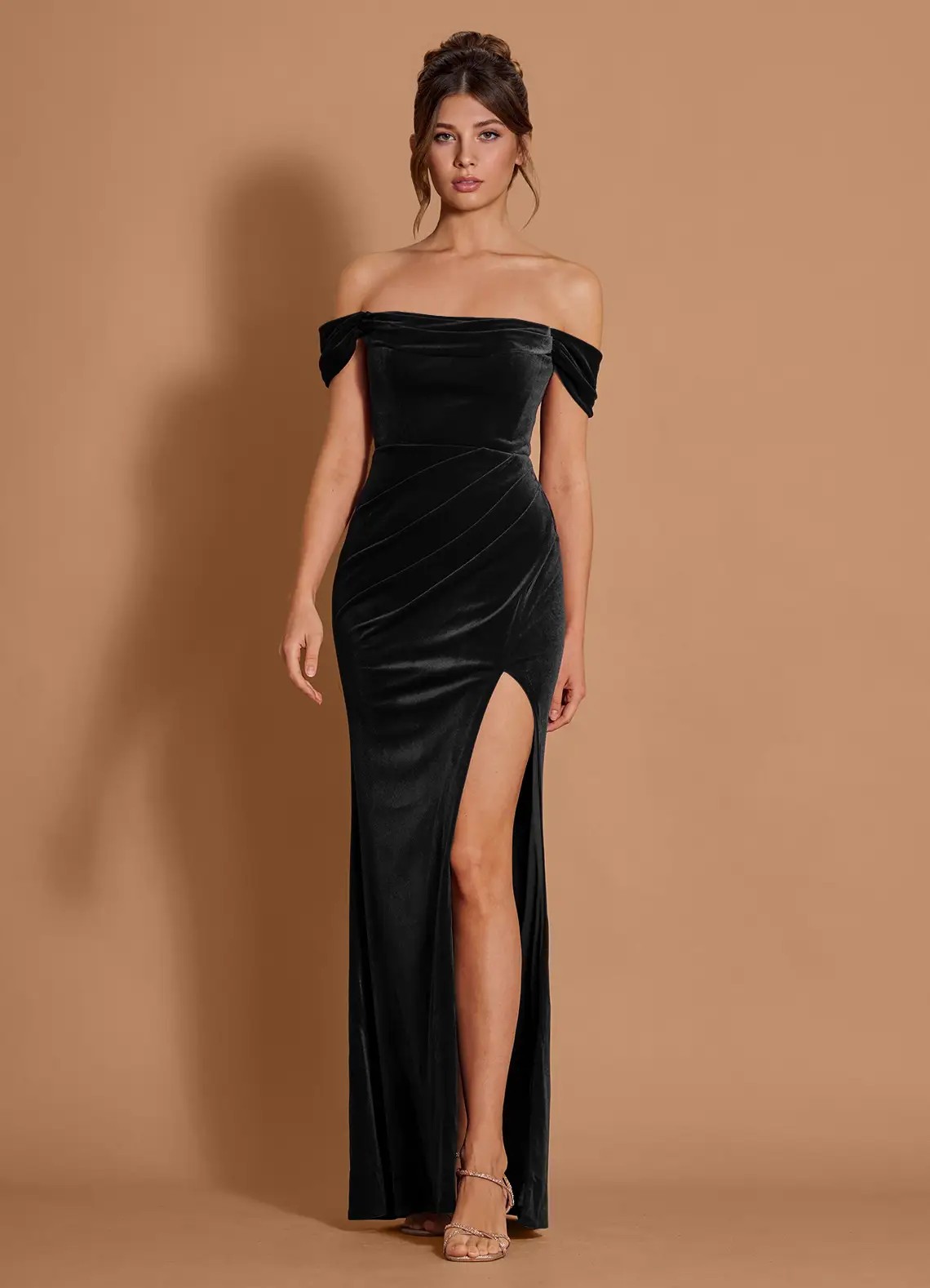
Formal dresses are versatile pieces that work for many occasions beyond their traditional uses. If you’ve invested in a beautiful formal gown, you likely want to wear it more than once. The good news is that formal dresses can work for weddings, galas, proms, cocktail parties, and corporate events with the right styling and awareness of dress codes.
This guide explains when and how to wear formal dresses to different events. You’ll learn which dress codes require formal attire, how to adapt your gown for various occasions, and what styling changes make the biggest difference.
We’ve included specific examples, comparison tables, and answers to common questions about wearing formal dresses to weddings and other celebrations. By the end, you’ll know exactly when your formal dress is appropriate and how to style it for any event.
Quick Answer
Yes, you can wear formal dresses to black-tie weddings, galas, proms, military balls, charity fundraisers, and formal corporate events. Floor-length gowns work for black-tie and white-tie occasions.
For semi-formal weddings or cocktail parties, choose midi-length formal dresses or add casual accessories to floor-length styles. Avoid wearing white, ivory, or champagne to weddings unless specifically requested. Allow 4–6 weeks for ordering and plan 1–2 fittings if alterations are needed.
When Formal Dresses Are Appropriate
| Event Type | Dress Code | Formal Dress Appropriate? | Length | Notes |
| Black-Tie Wedding | Black-Tie | Yes (required) | Floor-length | Avoid white, ivory, champagne |
| Semi-Formal Wedding | Semi-Formal | Yes (preferred) | Midi to floor-length | Knee-length also works |
| Cocktail Wedding | Cocktail Attire | Sometimes | Midi or tea-length | Floor-length may be too formal |
| Beach Wedding | Beach Formal | Depends | Midi preferred | Light fabrics, avoid trains |
| Gala | Black-Tie/White-Tie | Yes (required) | Floor-length | Statement jewelry expected |
| Prom | Formal | Yes (required) | Floor-length or midi | Bold colors and sparkle common |
| Military Ball | Black-Tie | Yes (required) | Floor-length | Conservative styling preferred |
| Charity Fundraiser | Black-Tie/Formal | Yes (required) | Floor-length | Elegant, sophisticated styling |
| Corporate Awards | Business Formal | Yes | Floor-length or midi | Conservative colors and cuts |
| Holiday Party | Varies | Sometimes | Depends on venue | Check invitation for dress code |
| Graduation | Smart Casual | No | N/A | Too formal for most graduations |
| Daytime Event | Casual/Smart Casual | No | N/A | Too formal for daytime |
Wearing Formal Dresses to Weddings
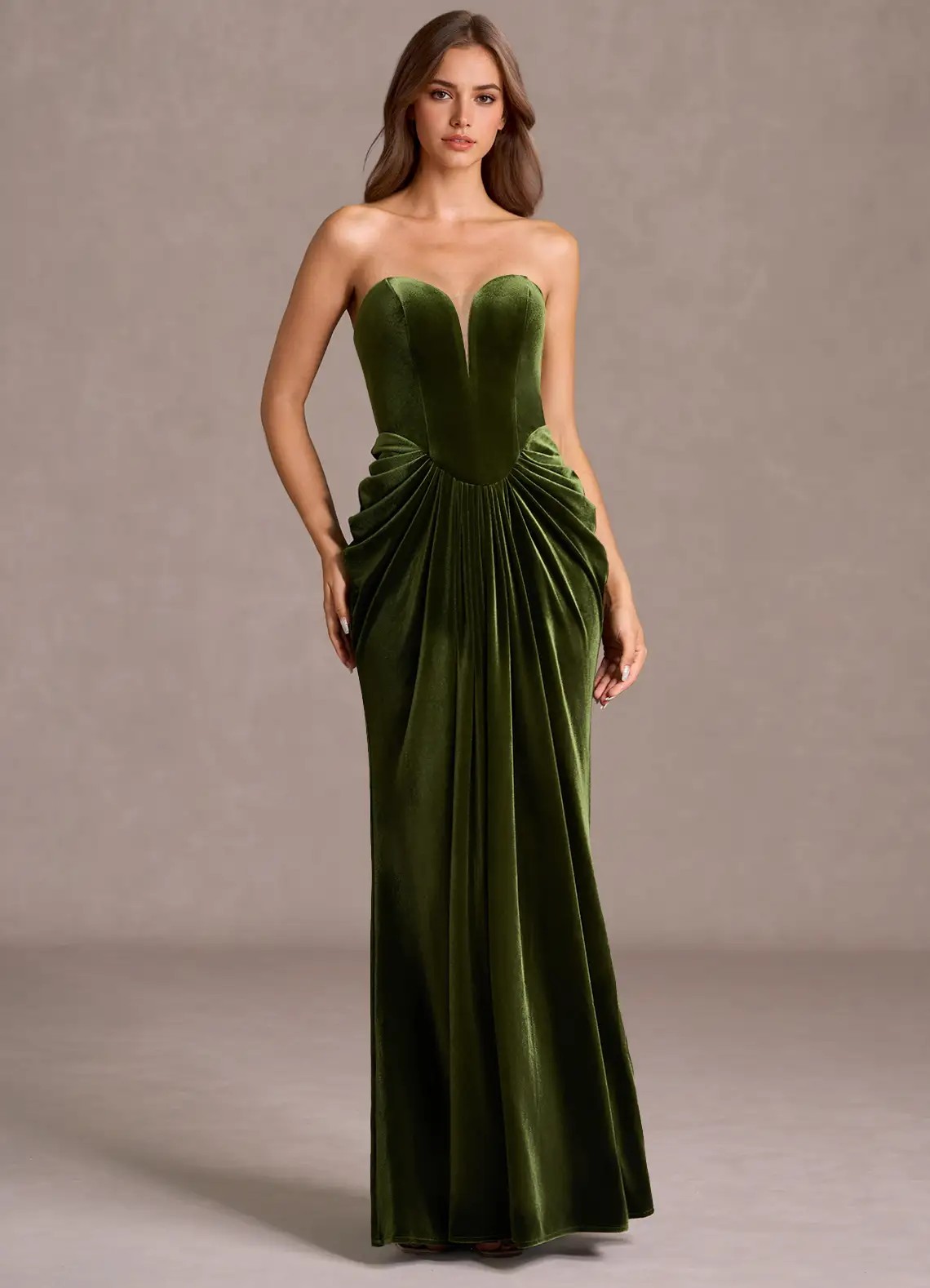
Black-Tie Weddings
Black-tie dresses require floor-length formal gowns. This is the most appropriate setting for your formal dress.
What to Wear:
- Floor-length gown in any color except white, ivory, or champagne
- Luxe fabrics like satin, silk, chiffon, or velvet
- Elegant jewelry and formal heels
- Evening clutch
Colors That Work:
- Classic: Black, navy, burgundy, charcoal
- Jewel tones: Emerald, sapphire, ruby, amethyst
- Metallics: Gold, silver, rose gold
- Deep colors: Forest green, plum, wine
What to Avoid:
- White, ivory, cream, or champagne (reserved for the bride)
- Overly revealing cuts
- Casual fabrics like cotton or jersey
- Sneakers or casual shoes
Semi-Formal Weddings
Semi-formal weddings allow floor-length gowns but also accept midi and tea-length dresses. Your formal dress works perfectly here.
What to Wear:
- Floor-length or midi formal dress
- Elegant but not overly embellished
- Simple jewelry
- Dressy heels or formal flats
Styling Tips:
- Tone down accessories if your gown is very formal
- Choose lighter fabrics for daytime ceremonies
- Add a shawl or wrap for church ceremonies
Cocktail Attire Weddings
Cocktail attire typically calls for knee-length to midi dresses. Floor-length formal gowns can work but may feel overdressed.
When Floor-Length Works:
- Evening receptions
- Upscale venues (hotels, ballrooms)
- Fall and winter weddings
When to Choose Shorter:
- Daytime receptions
- Outdoor venues (gardens, beaches)
- Spring and summer weddings
Adaptation Tips:
- Choose simpler formal dresses without trains
- Skip heavy embellishments
- Use casual accessories (less formal jewelry)
Beach and Destination Weddings
Beach weddings typically request beach formal or resort formal attire. Floor-length formal dresses can work with the right fabric and styling.
What Works:
- Lightweight fabrics (chiffon, organza)
- Flowy A-line or empire waist silhouettes
- Light colors (pastels, soft neutrals)
- No trains or heavy embellishments
What to Avoid:
- Heavy fabrics (velvet, thick satin)
- Long trains (drag in sand)
- Very dark colors (absorb heat)
- Restrictive mermaid styles (hard to walk in sand)
Wearing Formal Dresses to Other Events
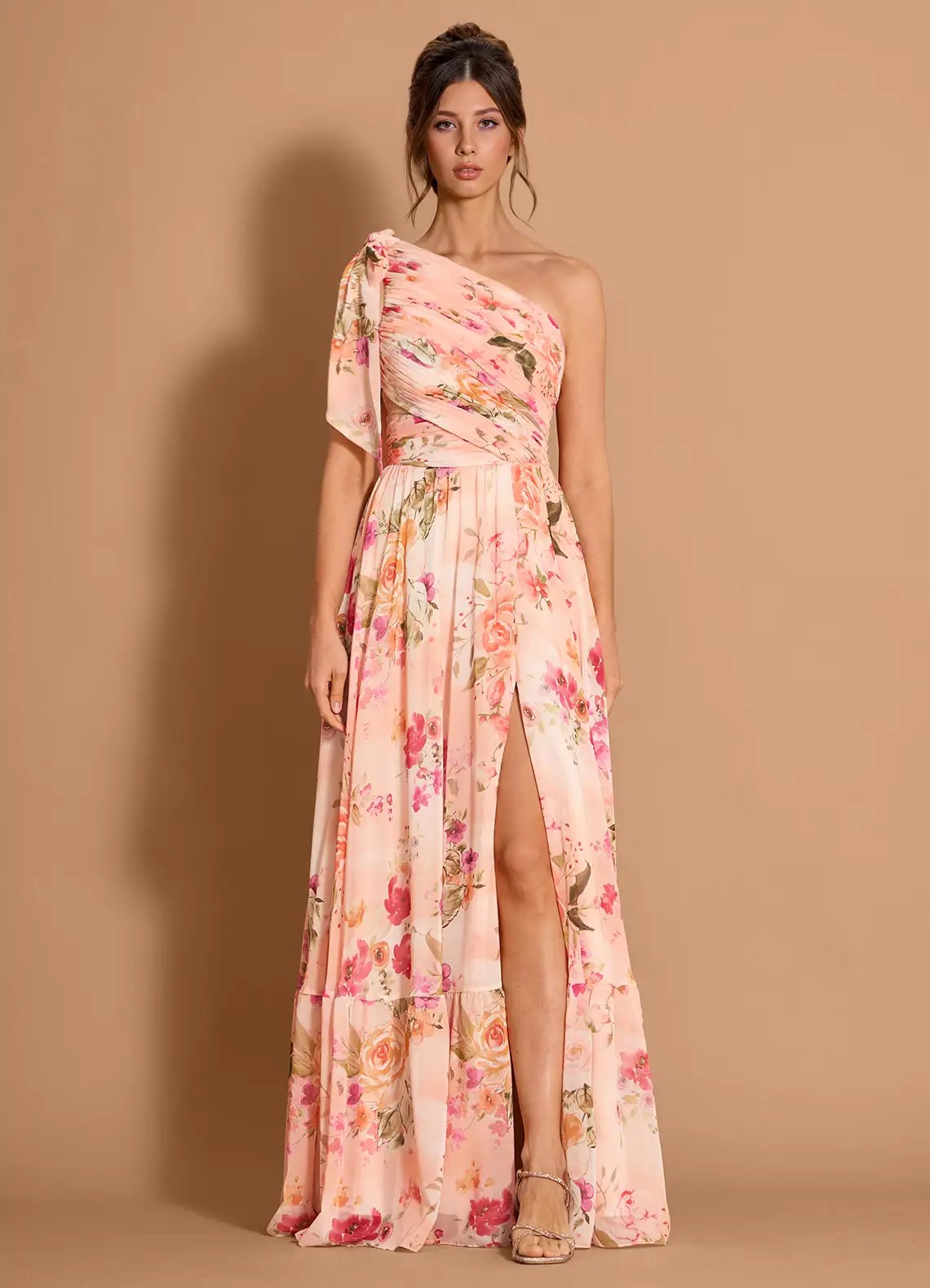
Galas and Charity Fundraisers
Galas are perfect occasions for formal dresses. They typically require black-tie or white-tie attire.
What to Wear:
- Floor-length gown in any elegant style
- Statement jewelry and formal accessories
- Bold or classic colors
- Elegant updo or styled hair
Styling for Galas:
- Add drama with chandelier earrings
- Choose metallics or jewel tones for evening events
- Consider a statement clutch
- Opt for higher heels (3–4 inches)
Proms and Homecoming
Proms require formal attire and are ideal for formal dresses. Homecoming is typically less formal.
Prom:
- Floor-length gowns are standard
- Bold colors and sparkle are common
- Statement jewelry and updos
- Comfortable heels (you’ll be standing and dancing)
Homecoming:
- Shorter dresses (knee-length to midi) preferred
- Floor-length can work but may be overdressed
- Simpler styling than prom
Military Balls
Military balls require black-tie attire. Formal dresses are expected and appropriate.
What to Wear:
- Floor-length gown in conservative colors
- Elegant, understated jewelry
- Classic silhouettes (A-line, sheath, ball gown)
- Formal heels and evening clutch
Styling Tips:
- Conservative necklines preferred
- Avoid overly revealing cuts
- Classic colors work best (black, navy, burgundy)
- Keep makeup and hair elegant but not overly dramatic
Corporate Events and Award Ceremonies
Corporate formal events vary by industry and company culture. Check the invitation carefully.
Business Formal:
- Floor-length or midi formal dresses
- Conservative colors (black, navy, charcoal, burgundy)
- Simple jewelry
- Professional styling
Creative Industry Events:
- More flexibility with color and style
- Bold colors and unique cuts acceptable
- Statement jewelry works
- Show personality while remaining elegant
Holiday Parties
Holiday parties range from casual to formal. Check your invitation for dress code clues.
When Formal Dresses Work:
- Upscale venues (hotels, country clubs)
- Corporate holiday galas
- Evening events with “formal” or “black-tie optional” on invitation
When They Don’t:
- Office parties in the workplace
- Casual restaurant gatherings
- Daytime events
Holiday Styling:
- Jewel tones and metallics suit the season
- Add sparkle with sequins or beading
- Velvet works for winter holidays
- Keep accessories festive but elegant
Quinceañeras and Sweet Sixteens
These milestone birthday celebrations often require formal attire for guests.
What to Wear:
- Floor-length or midi formal dress
- Avoid white (reserved for the birthday girl)
- Festive colors and styles
- Age-appropriate cuts
Styling Tips:
- Check with the family for color restrictions
- Match the formality of the venue
- Add sparkle for evening events
How to Adapt Your Formal Dress for Different Events
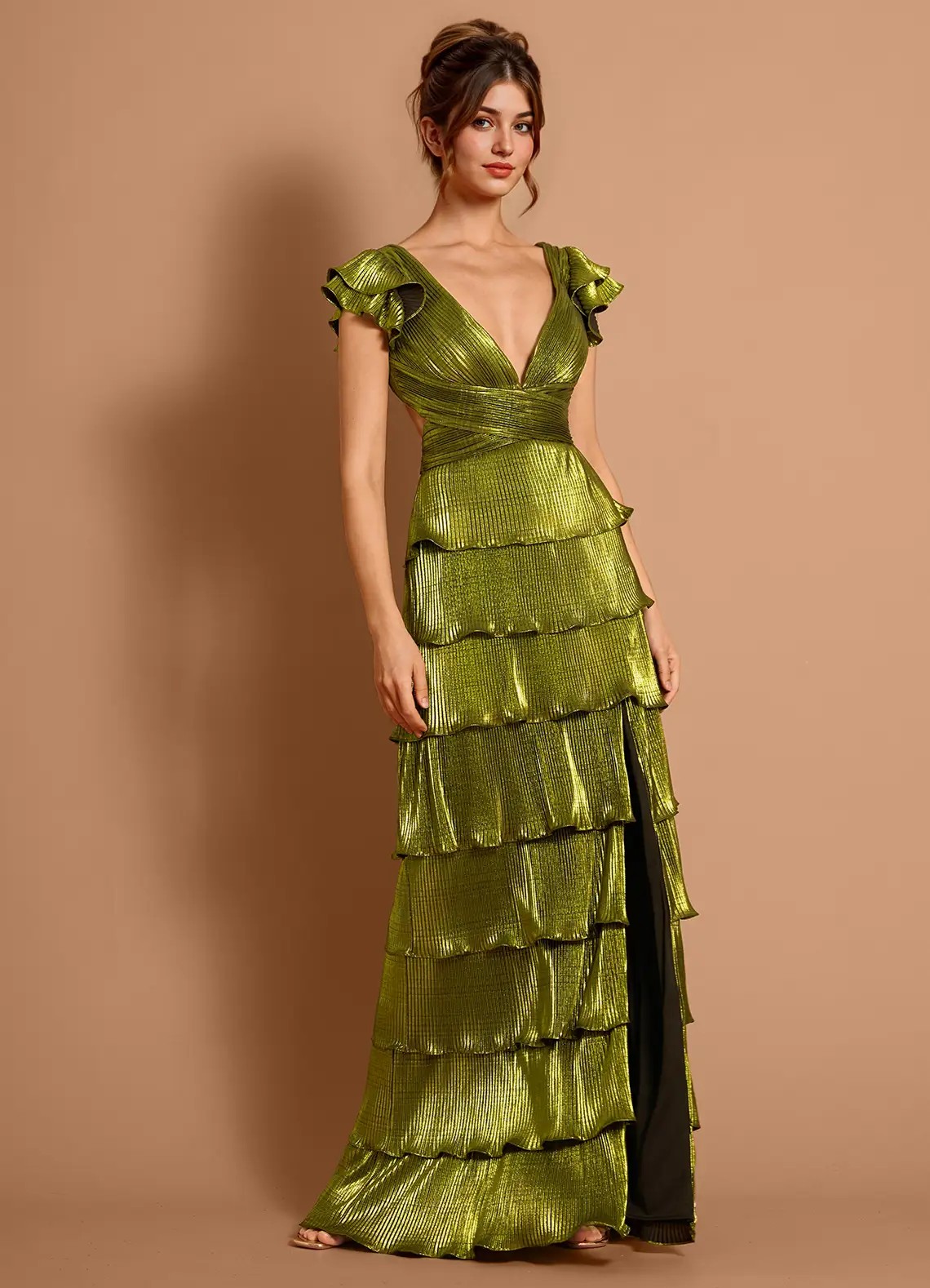
Change Accessories
Accessories transform the same formal dress for multiple occasions.
For Black-Tie Events:
- Statement jewelry (chandelier earrings, bold necklace)
- Formal clutch (satin, beaded, metallic)
- Elegant heels (3–4 inches, strappy)
- Formal wrap or shawl
For Semi-Formal Events:
- Simple jewelry (studs, delicate necklace)
- Smaller clutch or wristlet
- Lower heels (2–3 inches)
- Casual wrap or cardigan
For Themed Events:
- Add themed accessories (vintage brooch for vintage theme)
- Choose clutch to match theme
- Adjust jewelry to fit event style
Adjust Hair and Makeup
Hair and makeup change the formality level significantly.
Formal Styling:
- Elegant updo (chignon, French twist, low bun)
- Bold lip (red, berry, plum)
- Smoky eye or defined liner
- Highlight and contour
Casual Styling:
- Loose waves or half-up style
- Nude or soft pink lip
- Natural eye makeup
- Minimal contouring
Add or Remove Layers
Layers adjust formality and work for different seasons.
Adding Formality:
- Silk or satin shawl
- Formal wrap
- Long gloves (for white-tie events)
Reducing Formality:
- Denim jacket (for very casual events)
- Casual cardigan
- Remove statement jewelry
Choose Different Shoes
Shoes significantly impact the overall look and formality.
Formal Events:
- High heels (3–4 inches)
- Strappy sandals or pointed pumps
- Metallic or matching color
Semi-Formal Events:
- Lower heels (2–3 inches)
- Block heels for stability
- Nude or neutral colors
Outdoor Events:
- Wedge heels (prevent sinking in grass)
- Block heels for stability
- Metallic or matching color
Color Guidelines for Different Events
Colors That Work for Most Events
- Black: Timeless, elegant, works year-round. Safe choice for evening events.
- Navy: Sophisticated, slightly softer than black. Works for all seasons.
- Burgundy/Wine: Rich, elegant. Best for fall and winter events.
- Emerald Green: Bold, flattering. Works for evening events year-round.
- Sapphire Blue: Deep, elegant. Photographs well at any event.
Colors to Avoid at Weddings
- White: Reserved for the bride
- Ivory: Too close to white
- Cream: Can look white in photos
- Champagne: Often worn by bridal party
- Blush (if very pale): Can photograph as white
Seasonal Color Recommendations
Spring:
- Pastels (blush, mint, lavender)
- Soft neutrals (champagne, beige, taupe)
- Light florals
Summer:
- Bright jewel tones (coral, turquoise)
- Light metallics (gold, rose gold)
- Soft pastels
Fall:
- Deep jewel tones (burgundy, emerald, sapphire)
- Earth tones (rust, copper, bronze)
- Rich neutrals (chocolate, charcoal)
Winter:
- Deep colors (burgundy, navy, forest green)
- Metallics (silver, gold)
- Classic black
Dress Code Decoder
White-Tie (Most Formal)
What It Means: The most formal dress code. Reserved for state dinners, royal events, very high-end galas.
What to Wear:
- Floor-length ball gown
- Long gloves
- Most elaborate jewelry
- Formal updo
- Highest heels
Black-Tie (Very Formal)
What It Means: Formal evening events. Most common for galas, formal weddings, military balls.
What to Wear:
- Floor-length gown
- Elegant jewelry
- Formal clutch
- Heels (3–4 inches)
- Elegant hair styling
Black-Tie Optional (Formal but Flexible)
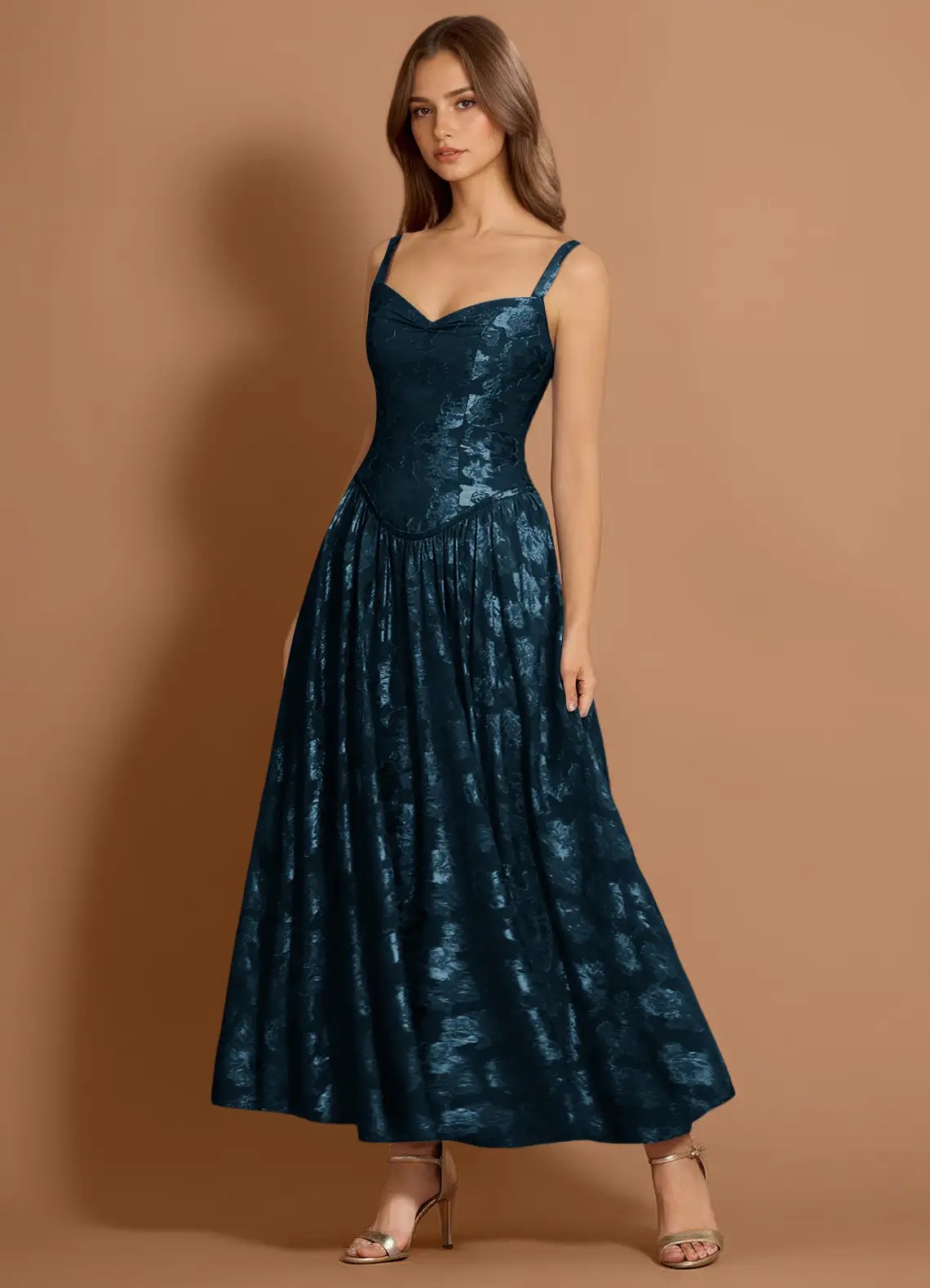
What It Means: Formal attire encouraged but not required.
What to Wear:
- Floor-length or midi formal dress
- Cocktail dress also acceptable
- Elegant accessories
- Dressy heels
Formal/Black-Tie Invited
What It Means: Similar to black-tie optional. Formal attire preferred but not mandatory.
What to Wear:
- Floor-length gown preferred
- Midi formal dress acceptable
- Elegant styling
- Formal accessories
Semi-Formal
What It Means: Dressy but not full formal. Common for weddings and upscale events.
What to Wear:
- Midi to floor-length dress
- Knee-length cocktail dress also works
- Elegant but not overly formal accessories
- Dressy heels or formal flats
Cocktail Attire
What It Means: Dressy and polished but not formal. Common for wedding receptions and parties.
What to Wear:
- Knee-length to midi dress
- Floor-length may be overdressed
- Statement accessories
- Heels or dressy flats
Smart Casual/Dressy Casual
What It Means: Elevated casual wear. Neat and polished.
What to Wear:
- Sundress, midi dress, or jumpsuit
- Formal gown is overdressed
- Simple accessories
- Flats or low heels acceptable
Conclusion
Formal dresses are versatile investments that work for many occasions beyond their original purpose. You can confidently wear your formal dress to black-tie weddings, galas, proms, military balls, charity fundraisers, and upscale corporate events. The key is understanding dress codes, choosing appropriate colors, and styling your dress correctly for each occasion.
Always check invitations for dress code guidance. Avoid white, ivory, and champagne at weddings. Match your styling to the venue, time of day, and season. Transform one formal dress for multiple events by changing accessories, adjusting hair and makeup, and selecting different shoes.
With thoughtful planning and appropriate styling, your formal dress can serve you well at numerous celebrations throughout the year. When you invest in a quality formal dress from Azazie, you’re investing in a piece that will carry you through many memorable occasions. Choose classic silhouettes in versatile colors, take care of your gown properly, and enjoy wearing it to create beautiful memories at event after event.
Frequently Asked Questions
Can I wear the same formal dress to multiple weddings?
Yes, you can wear the same formal dress to multiple weddings, especially if they’re in different friend groups or far apart in time. Change accessories, hairstyle, and jewelry to create different looks. Choose versatile colors like navy, burgundy, or emerald that work across seasons.
Is it OK to wear a formal dress to a daytime wedding?
It depends on the dress code and venue. For daytime black-tie weddings, floor-length gowns are appropriate. For semi-formal or cocktail daytime weddings, choose lighter fabrics and softer colors. For casual daytime weddings, formal dresses are usually too dressy. Check your invitation for guidance.
What colors should I avoid wearing to weddings?
Avoid white, ivory, cream, and champagne at all weddings unless the couple specifically requests these colors. These shades are reserved for the bride. Also avoid wearing the same color as the bridal party if you know their color scheme. When in doubt, choose jewel tones or classic neutrals.
Can I wear a formal dress to a work event?
Yes, if the work event specifies formal or black-tie attire. Choose conservative colors (black, navy, burgundy) and modest cuts. Avoid overly revealing necklines, high slits, or very bright colors. Corporate formal events typically call for elegant but professional styling.
How do I know if my formal dress is too fancy for an event?
Check the invitation for dress code clues. If it says cocktail, semi-formal, or smart casual, a very elaborate formal gown may be overdressed. Consider the venue and time of day. Daytime events and casual venues usually call for less formal attire. When in doubt, ask the host or choose a simpler formal dress.
Can I wear a prom dress to other formal events?
Yes, prom dresses work for other formal events like galas, charity fundraisers, formal weddings, and military balls. The key is appropriate styling. Remove any overly trendy accessories and style more elegantly for adult events. Classic prom dress silhouettes translate well to other formal occasions.
Can I wear a formal dress to an outdoor or beach wedding?
Yes, but choose lightweight fabrics like chiffon, organza, or satin, and avoid heavy materials, long trains, or restrictive styles. Midi-length or flowy A-line dresses work best for sand and outdoor settings. Lighter colors and minimal embellishments make the dress more suitable for daytime or casual outdoor ceremonies.
How can I make one formal dress look different for multiple events?
You can transform a dress with accessories, shoes, hairstyles, and wraps. For example:
- Black-tie gala: Pair with statement jewelry, clutch, and high heels.
- Semi-formal wedding: Use delicate jewelry, lower heels, and a light shawl.
- Daytime event: Add a casual cardigan, minimal jewelry, and neutral flats.
Are metallic or bold colors appropriate for weddings?
Yes, metallics like gold, silver, and rose gold, as well as jewel tones like emerald, sapphire, and ruby, are appropriate for most weddings and formal events. Avoid shades that closely resemble the bride’s dress (white, ivory, champagne) and check for bridal party color themes.
Can I wear a formal dress to casual or daytime events?
Typically, formal dresses are too dressy for casual or smart-casual daytime events. Opt for sundresses, midi dresses, or jumpsuits instead. If you want to adapt a formal gown, choose lighter fabrics, remove heavy embellishments, pair with flats or low heels, and tone down jewelry and makeup.