
Budget-Friendly Wedding Dresses: Look Expensive for Less
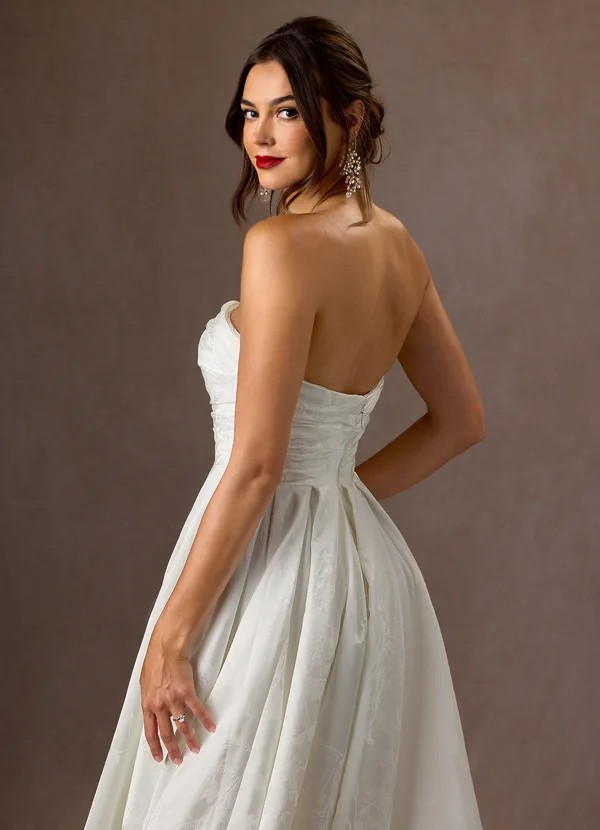
Budget-friendly wedding dresses can look just as elegant as expensive gowns when you focus on fabric quality, proper fit, and smart styling. The key is choosing structured fabrics, ensuring excellent fit through custom sizing, and investing in strategic alterations. This guide shows you how to maximize your budget while achieving a polished, expensive-looking bridal style.
Smart Fabric Choices That Photograph Beautifully
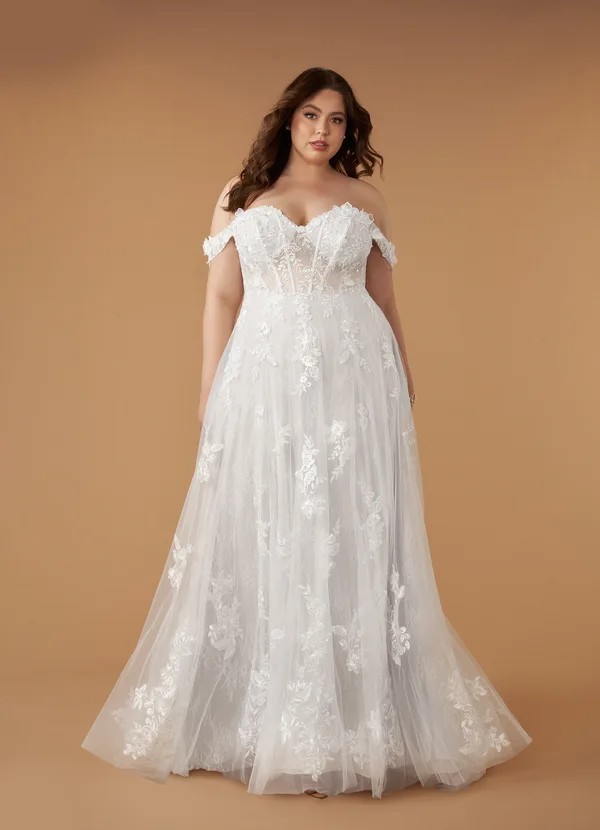
Fabric quality dramatically affects how expensive your dress looks in person and in photos. Certain materials photograph well and drape elegantly without high costs. Understanding fabric properties helps you identify budget-friendly options that still deliver luxury appearance.
Structured Fabrics That Look Luxurious: Satin provides elegant structure and photographs with beautiful sheen at various budget levels. Crepe offers modern simplicity with excellent drape and flattering weight. Mikado delivers body and holds shape beautifully without excessive cost.
Fabrics to Avoid on Tight Budgets: Very thin chiffon can appear cheap unless layered with quality lining. Extremely lightweight tulles may look flimsy in photos without proper structure. Polyester with obvious sheen photographs poorly and lacks elegant drape.
Quality Indicators to Check: Feel the fabric weight—substantial material typically looks more expensive than thin, flimsy fabrics. Check if seams lay flat and stitching appears even throughout the dress. Examine how the fabric moves and whether it wrinkles excessively when gathered.
| Fabric Type | Budget-Friendly Benefit | Photo Quality |
| Satin | Structure without bulk | Photographs beautifully |
| Crepe | Modern and flattering | Clean, elegant lines |
| Stretch Fabrics | Excellent fit | Smooth appearance |
| Cotton Blends | Comfortable and sturdy | Natural, authentic look |
A satin strapless wedding dress combines classic structure with timeless appeal that photographs well. Sleeveless wedding dresses in quality fabrics maximize fabric budget by eliminating complex sleeve construction. Simple silhouettes in substantial fabrics always look more expensive than elaborate designs in thin materials.
The Fit Strategy: Custom Sizing vs Standard Sizes
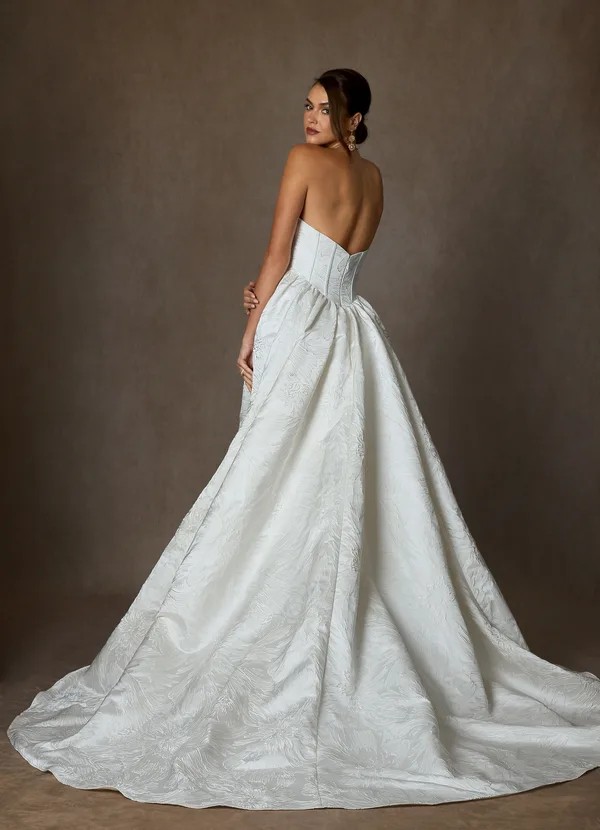
Perfect fit makes any dress look expensive regardless of actual cost. Poor fit immediately signals budget constraints even on pricey gowns. Choosing the right sizing approach protects your budget by reducing alteration expenses.
Why Custom Sizing Saves Money: Made-to-order construction means the dress is cut specifically for your measurements. This approach reduces the need for expensive alterations to fix major fit issues. Custom sizing particularly benefits brides outside standard size ranges.
Understanding Alteration Costs: Taking in a dress costs less than letting it out, which sometimes proves impossible. Hemming represents the most common alteration but can cost significantly for multilayered gowns. Bodice reconstruction to fix poor fit often costs more than choosing proper sizing initially.
When Standard Sizing Works: Standard sizing works well if your measurements match the size chart precisely. You can afford necessary alterations within your total budget. Your wedding date allows time for multiple fitting appointments.
Budget Protection Through Smart Ordering: Azazie offers made-to-order construction designed for fit, comfort, and personal style. Dresses are cut and sewn to order, similar to custom pieces. This approach often requires only minor alterations compared to standard boutique sizing.
Measuring for Success: Take measurements twice on different days to verify accuracy. Have someone help with measurements you cannot reach yourself. Compare your measurements to size charts rather than assuming your typical dress size.
Silhouettes That Maximize Budget Impact
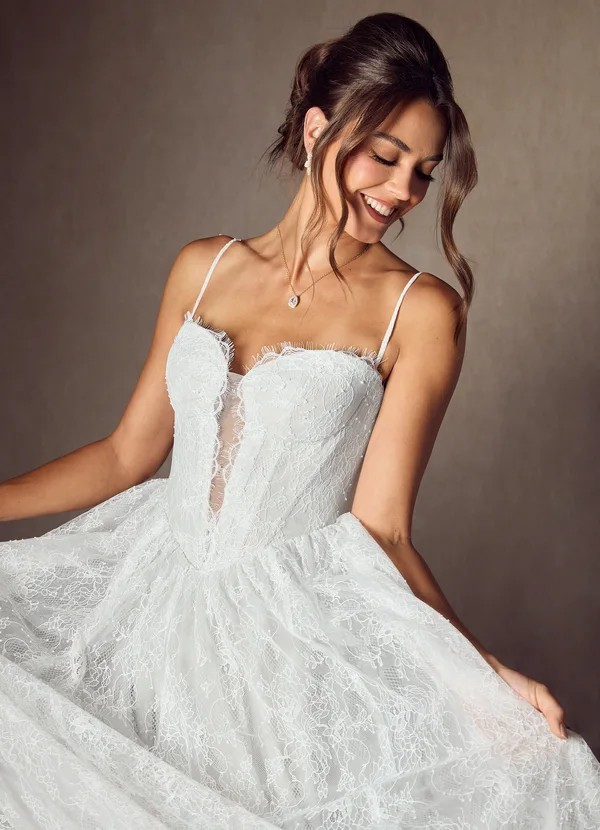
Certain dress silhouettes look elegant and expensive regardless of fabric choices or embellishments. Simple, well-constructed shapes always photograph better than elaborate designs in cheaper materials. Choosing the right silhouette protects your budget while delivering sophisticated style.
A-Line: The Universal Budget Choice A-line silhouettes flatter most body types with minimal fabric waste. The fitted bodice showcases your waist while the gentle flare provides modest volume. This classic shape works across all formality levels and venue types.
Sheath and Column Dresses for Modern Elegance Straight silhouettes require less fabric, typically reducing costs compared to ball gowns. Clean lines create sophisticated, modern aesthetic perfect for minimalist brides. These shapes work beautifully for courthouse, destination, or intimate weddings.
Strategic Volume Placement Ball gowns require significant fabric but create dramatic impact for formal venues. If you want volume, ensure quality fabric justifies the material investment. Consider simpler bodices to balance elaborate skirts within your budget.
Silhouettes to Approach Carefully on Budgets: Heavily detailed mermaid gowns require expert construction to look expensive rather than cheap. Multiple fabric layers in ball gowns can strain budgets without delivering proportional impact. Overly complicated designs with mixed fabrics rarely photograph as well as simple elegance.
Browse wedding dresses focusing on clean silhouettes rather than heavy embellishment. An ivory wedding gown in simple A-line shape looks more expensive than an over-embellished design in thin fabric.
Strategic Styling for Expensive Appearance
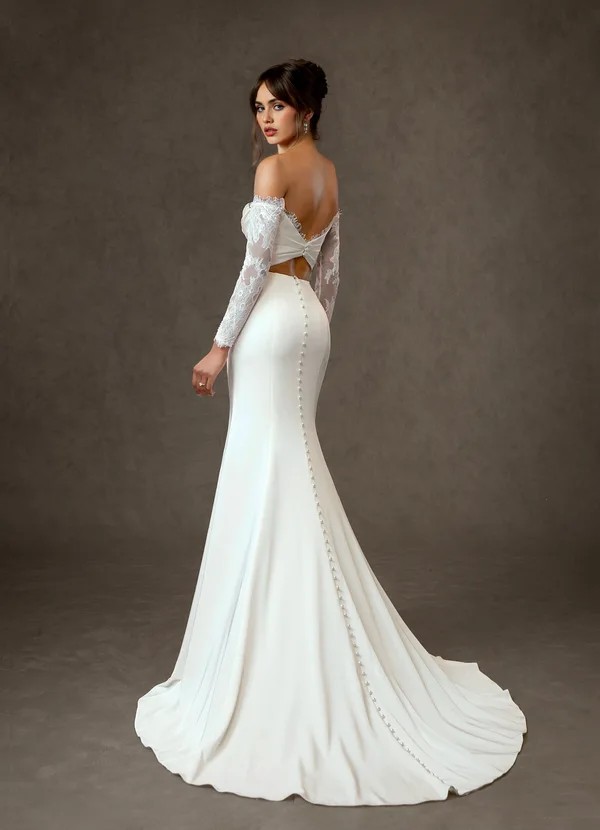
How you style your dress affects perceived value as much as the dress itself. Professional finishing touches elevate budget-friendly gowns to expensive-looking ensembles. Small investments in key areas deliver maximum visual impact.
Essential Undergarments: Proper foundation garments create smooth lines under any dress. Quality shapewear eliminates visible lines and creates polished silhouettes. The right bra provides necessary support without showing through fabric.
Professional Alterations Worth the Investment: Perfect hem length creates polished appearance in every photo. Proper bustle installation allows elegant movement during reception. Well-fitted bodice eliminates gaping or pulling that signals poor fit.
Accessories That Add Polish: Simple, quality jewelry looks more expensive than costume pieces with obvious fakeness. Professional hair and makeup create cohesive, polished overall appearance. Clean, well-fitted shoes complete your look even if rarely photographed.
Avoiding Common Budget Mistakes: Don’t add cheap-looking embellishments trying to dress up a simple gown. Avoid visible alterations like obvious hem tape or safety pins. Skip accessories that clash with your dress fabric or style aesthetic.
Color Choices That Photograph Well: Diamond white dress options photograph cleanly in most lighting conditions. Cream colored wedding dresses offer warm elegance that flatters various skin tones. Soft colors often photograph more expensively than stark white in budget fabrics.
Timing Your Purchase and Alterations
Strategic timing protects your budget by avoiding rush fees while ensuring adequate preparation time. Understanding production and alteration timelines prevents costly last-minute expenses. Proper planning allows you to invest wisely in each stage.
Ideal Shopping Timeline:
- 9-12 months before wedding: Research styles and take measurements
- 6-8 months before wedding: Order your dress
- 3-4 months before wedding: Receive dress, schedule first fitting
- 6-8 weeks before wedding: Complete alterations
- 2-3 weeks before wedding: Final fitting and pickup
Production Time Considerations: Made-to-order dresses typically require 8-12 weeks for construction. International shipping adds 1-2 weeks to delivery time. Rush production costs extra and should be avoided through proper planning.
Alteration Budget Planning: Set aside funds for alterations even with custom sizing. Minor adjustments for perfect fit typically require less investment than major reconstruction. Get alteration quotes before finalizing your dress purchase.
Questions to Ask Before Ordering:
- What is the typical production timeline for this dress?
- Are alterations included or additional cost?
- What is the return policy if sizing doesn’t work?
- Can I order fabric swatches before committing to purchase?
Browse spaghetti strap wedding dress options or wedding dresses with sleeves styles well ahead of your date. Adequate timeline ensures you can focus on fit rather than accepting whatever arrives quickly.
Frequently Asked Questions
Can budget wedding dresses look expensive in photos?
Yes, budget dresses look expensive when you prioritize proper fit, quality fabrics, and clean silhouettes. Professional alterations ensure polished appearance that photographs beautifully. Simple, well-fitted designs consistently photograph better than elaborate gowns in cheap materials.
What fabric makes a cheap wedding dress look expensive?
Satin and crepe offer elegant structure and beautiful drape at various budget levels. These fabrics photograph well and create smooth lines that signal quality. Avoid very thin materials that appear flimsy or polyester with obvious artificial sheen.
Is custom sizing worth it for budget wedding dresses?
Custom sizing often saves money by reducing extensive alteration costs for fit issues. Made-to-order construction provides better initial fit than standard sizing requiring major adjustments. This approach works especially well for brides outside typical size ranges.
How much should I budget for alterations?
Plan to invest in at least basic alterations like hemming and bustle installation. Custom-sized dresses typically require fewer alterations than standard boutique sizing. Get specific quotes from seamstresses before finalizing your dress purchase.
What silhouette looks most expensive on a budget?
A-line and sheath silhouettes look polished without requiring excessive fabric or construction complexity. Clean lines in quality materials always appear more expensive than elaborate designs in thin fabrics. Simple shapes photograph beautifully across all budget levels.
Should I buy a used wedding dress to save money?
Used dresses work well if properly cleaned and in good condition. Ensure the dress fits your measurements or can be altered within your budget. Factor in professional cleaning costs when comparing used versus new dress pricing.
How can I tell if a budget dress is good quality?
Check fabric weight and how it drapes when you hold it. Examine seams for straight stitching and proper finishing. Ensure embellishments are securely attached and zippers operate smoothly without catching.