
Budget-Friendly Wedding Dresses: Great Value Strategies
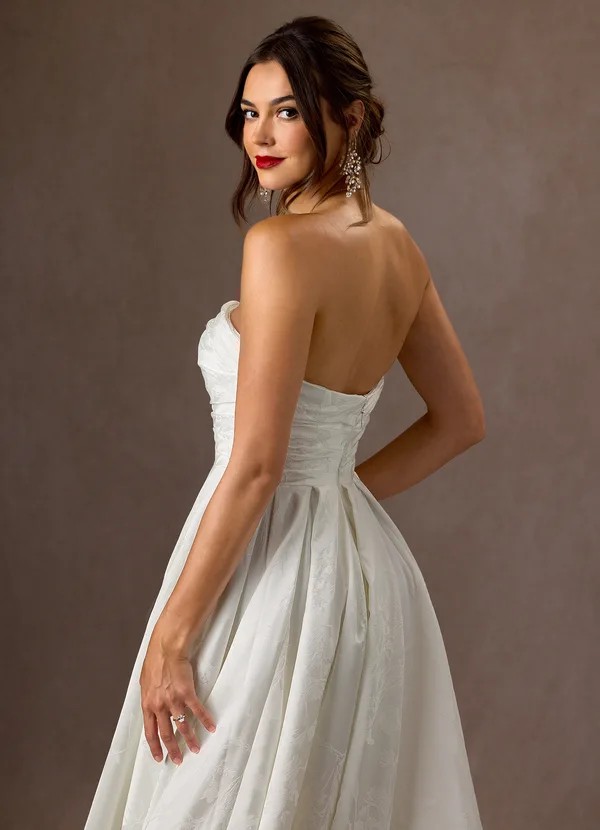
Finding great value on wedding dresses requires knowing how to assess quality, choose flattering silhouettes, and invest wisely in alterations. Smart brides focus on fabric weight, proper fit, and timeless styling rather than chasing trends. This guide helps you maximize your budget through strategic choices that deliver elegant results.
Evaluating Fabric Quality for Value
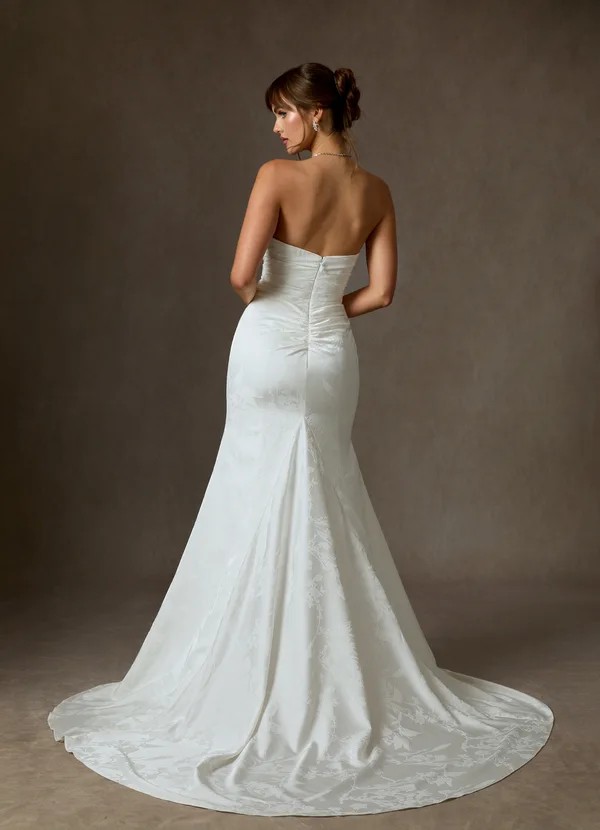
Fabric determines how expensive your dress looks regardless of actual cost. Certain materials photograph beautifully and maintain structure throughout your wedding day. Learning to identify quality fabrics helps you make smart purchasing decisions.
Fabrics Offering Best Value: Crepe provides substantial weight with elegant drape and minimal wrinkling properties. This modern fabric photographs beautifully and creates clean lines signaling quality. Satin offers classic structure with subtle sheen perfect for traditional bridal looks.
Stretch Fabric Benefits: Stretch crepe and stretch satin combine comfort with excellent fit and appearance. These materials move naturally with your body without clinging inappropriately. The stretch component makes alterations easier and less expensive than rigid fabrics.
Fabrics Requiring Careful Inspection: Very thin chiffon can appear cheap unless properly lined with quality structure. Multiple tulle layers may strain budgets without delivering proportional visual impact. Heavy lace overlays need expert application to avoid cheap-looking finishing.
| Fabric Type | Key Advantage | Best Application |
| Crepe | Modern elegance, easy care | Sheath and A-line styles |
| Satin | Classic structure, photos well | All silhouettes |
| Stretch Fabrics | Perfect fit, comfort | Form-fitting designs |
| Cotton Blends | Natural appearance, durability | Casual venues |
Quality Assessment Tips: Feel fabric weight to ensure it drapes nicely rather than hanging limply. Check seams for straight, even stitching without loose threads visible. Test resilience by gathering fabric gently then observing how it releases.
A satin strapless wedding dress in quality fabric looks elegant across price ranges. Sleeveless wedding dresses in substantial materials photograph better than embellished options in thin fabrics.
Silhouettes That Maximize Budget Impact
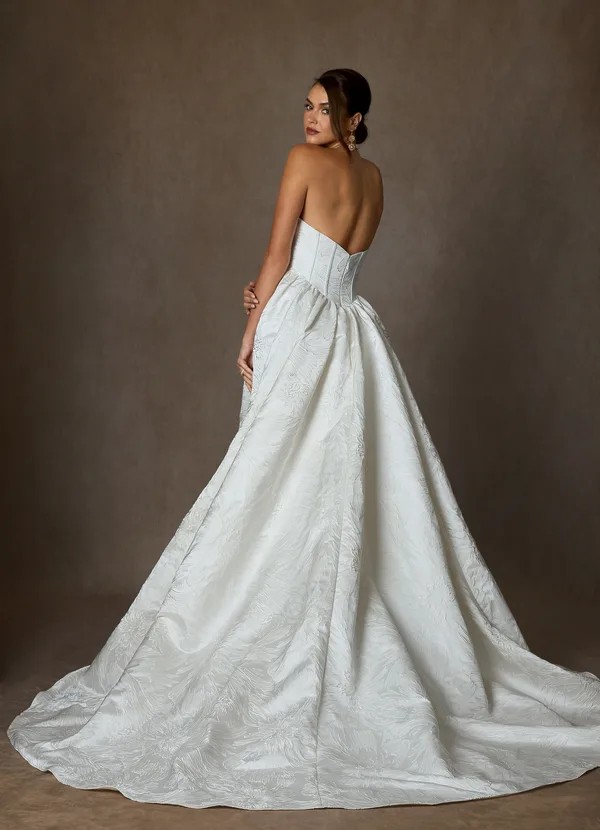
Certain dress shapes look elegant and polished regardless of embellishment level. Simple, well-constructed silhouettes consistently photograph better than elaborate designs in cheaper materials. Choosing the right shape protects your budget while delivering sophistication.
A-Line: The Universal Winner A-line dresses flatter most body types with minimal fabric waste. The fitted bodice highlights your waist while gentle flare provides volume. This versatile shape works across all formality levels and venue types.
Sheath and Column Styles Straight silhouettes require less fabric, typically offering better value overall. Clean lines create sophisticated, modern aesthetic perfect for minimalist brides. These shapes suit courthouse, destination, or intimate wedding settings beautifully.
Fit-and-Flare for Figure Enhancement Fit-and-flare styles showcase your figure through hips then flare gently. This shape provides more interest than straight sheaths without excessive fabric. The silhouette flatters many body types and photographs beautifully consistently.
Ball Gowns: Consider Carefully Ball gowns require significant fabric but create dramatic impact for formal venues. If you want volume, choose simple bodices to balance elaborate skirts. Evaluate whether your venue and vision truly justify this fabric investment.
Browse ivory wedding or diamond white dress options focusing on clean shapes. Simple silhouettes in quality fabrics consistently look more expensive than over-designed alternatives.
Strategic Fit and Alteration Planning
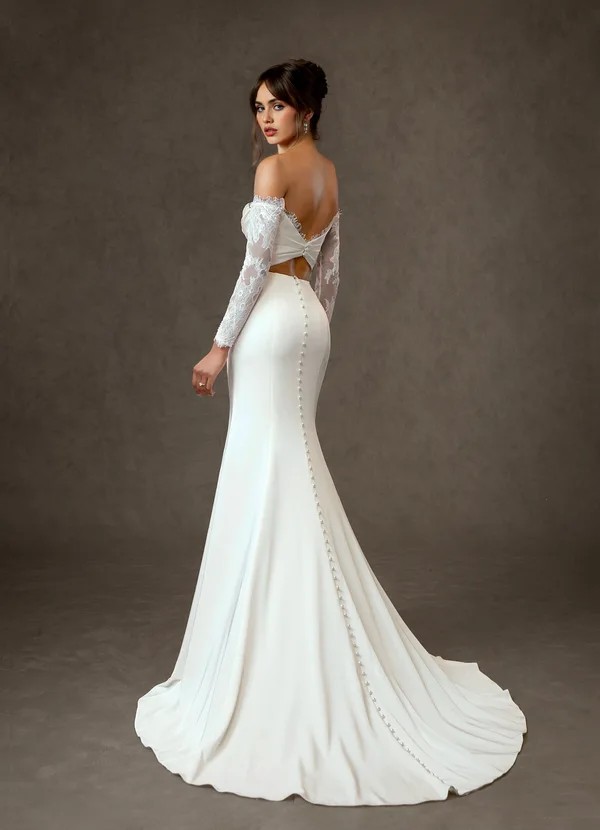
Perfect fit makes any dress look expensive regardless of purchase cost. Poor fit immediately signals budget constraints even on costly gowns. Azazie offers dresses cut and sewn to order, similar to custom pieces.
Made-to-Order Value: Custom construction means each dress is cut specifically for your measurements. This approach reduces need for expensive alterations fixing major fit issues. Made-to-order particularly benefits brides outside standard size ranges significantly.
Understanding Alteration Costs: Taking in a dress costs less than letting out fabric. Major bodice reconstruction often costs more than choosing proper sizing initially. Hemming represents the most common alteration but varies based on complexity.
When Custom Sizing Makes Sense: Custom sizing works best when measurements don’t match standard proportions exactly. If you’re outside typical size ranges, made-to-order provides better value. Consider timeline requirements as custom orders need adequate production time.
Measuring for Success: Take measurements twice on different days to verify accuracy completely. Have someone assist with measurements you cannot reach yourself accurately. Compare measurements to size charts rather than assuming your typical size.
Alteration Budget Planning: Plan to invest in basic alterations like hemming and bustle installation. Custom-sized dresses typically require fewer alterations than standard sizing. Get specific quotes from seamstresses before finalizing dress purchase decisions.
Smart Styling and Finishing Strategies
How you style your dress affects perceived value as much as dress itself. Professional finishing touches elevate budget-friendly gowns to expensive-looking bridal ensembles successfully. Strategic investments in key areas deliver maximum visual impact affordably.
Foundation Garments Worth Investment: Quality shapewear creates smooth lines under any dress without visible edges. Proper foundation eliminates need for expensive dress modifications hiding undergarments obviously. Right support pieces make budget-friendly dresses photograph like couture gowns.
Alterations That Matter Most: Perfect hem length creates polished appearance in every wedding photograph taken. Professional bustle installation allows elegant movement during reception and dancing comfortably. Well-fitted bodice eliminates gaping or pulling signaling poor fit or construction.
Accessory Selection Strategy: Simple, quality jewelry looks more expensive than obvious costume pieces showing. Professional hair and makeup create cohesive, polished overall bridal appearance worthwhile. Clean, well-fitted shoes complete your look even if rarely photographed directly.
Color Choices That Photograph Well: Cream colored wedding dresses offer warm elegance flattering various skin tones successfully. Soft colors often photograph more luxuriously than stark white in certain fabrics. Champagne wedding dress options add sophistication elevating simple silhouettes beautifully.
Details to Avoid on Tight Budgets: Skip cheap-looking appliqués appearing obviously artificial or poorly attached throughout. Avoid excessive beading that may shed or look plastic under lighting. Say no to visible alterations like obvious hem tape showing anywhere.
Complete Budget and Timeline Planning
Strategic planning prevents costly rush fees while ensuring adequate preparation time. Understanding all wedding dress costs protects your overall wedding budget successfully. Proper timeline management allows wise investment in each preparation stage.
Complete Budget Breakdown:
- Dress purchase: Base investment in the gown itself
- Alterations: Hemming, bustle, bodice adjustments as needed
- Undergarments: Quality shapewear, bra, petticoat if required
- Accessories: Veil, jewelry, shoes complementing dress perfectly
- Preservation: Professional cleaning and storage after wedding
Shopping Timeline Strategy: Start browsing 9-12 months before wedding to understand preferences thoroughly. Order dress 6-8 months before wedding for adequate production time. Allow 8-12 weeks for made-to-order production plus shipping time.
Alteration Planning Schedule: Schedule first fitting 8-10 weeks before wedding once dress arrives. Allow minimum 6-8 weeks for professional alterations with multiple fittings. Book seamstress when ordering dress, not when it arrives later.
Pre-Purchase Questions to Ask:
- What is total production and shipping timeline for this dress?
- What is included in purchase price versus additional costs incurred?
- What is return policy if sizing doesn’t work properly?
- Do you offer fabric swatches before committing to purchase?
Explore spaghetti strap wedding dress or white wedding dresses with sleeves well ahead of date. Adequate timeline ensures focus on perfect fit rather than accepting whatever arrives.
Frequently Asked Questions
Can budget-friendly dresses look expensive in photos?
Yes, budget-friendly dresses look expensive when you prioritize proper fit, quality fabrics, and clean silhouettes. Professional alterations ensure polished appearance that photographs beautifully in all lighting conditions. Simple, well-fitted designs consistently photograph better than elaborate gowns in cheap materials.
What fabric makes budget dresses look expensive?
Crepe and satin offer elegant structure and beautiful drape at budget-friendly levels. These fabrics photograph well and create smooth lines signaling quality construction. Avoid very thin materials appearing flimsy or polyester with obvious artificial sheen.
Should I choose custom sizing or standard size?
Custom sizing often saves money by reducing extensive alteration costs for fit issues. Made-to-order construction provides better initial fit than standard sizing requiring major adjustments. This approach works especially well for brides outside typical size ranges.
How much should I budget for alterations?
Plan to invest in basic alterations like hemming and bustle installation. Custom-sized dresses typically require fewer alterations than standard boutique sizing. Get specific quotes from seamstresses before finalizing dress purchase to avoid surprises.
What silhouette looks most expensive affordably?
A-line and sheath silhouettes look polished without requiring excessive fabric or complexity. Clean lines in quality materials always appear more expensive than elaborate designs. Simple shapes photograph beautifully across all budget levels and venues.
How can I tell if a budget dress is quality?
Check fabric weight and how it drapes when you hold it. Examine seams for straight stitching and proper finishing without loose threads. Ensure embellishments are securely attached and zippers operate smoothly without catching.
What’s the best way to shop for value dresses?
Focus on quality fabrics and construction rather than excessive embellishment or trendy details. Choose timeless silhouettes that photograph well and flatter your body type. Invest in proper fit through custom sizing or quality alterations for polished results.