
Black Tie Wedding Guest Dresses: Black Tie and 15 Safe Outfit Formulas
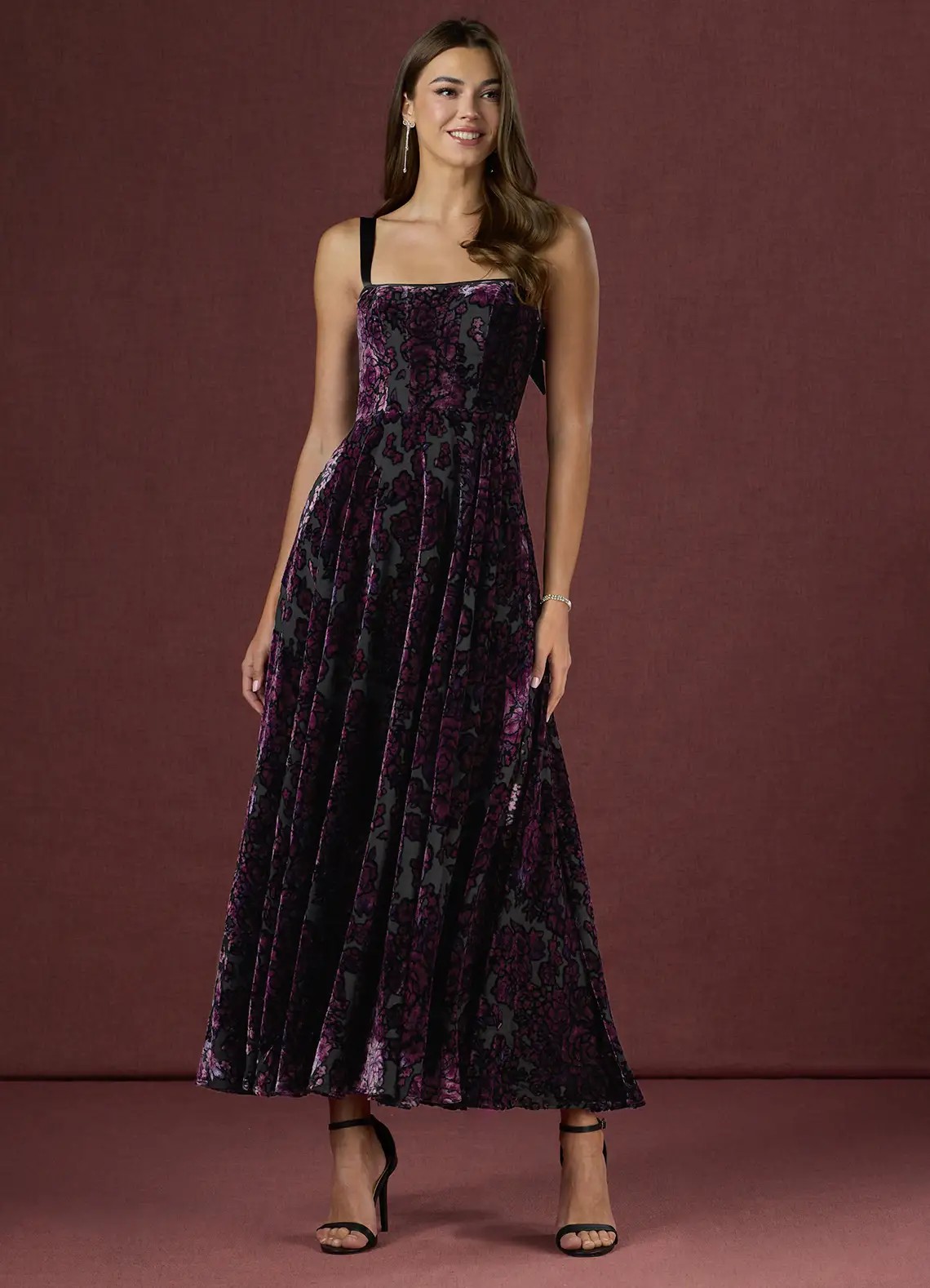
Black tie means floor-length gowns in luxurious fabrics like satin, velvet, or silk. Choose elegant silhouettes with minimal patterns, sophisticated colors, and refined accessories. This dress code requires your most formal attire—think evening gowns that photograph beautifully and respect the ceremony’s elevated atmosphere.
Understanding Black Tie Dress Code
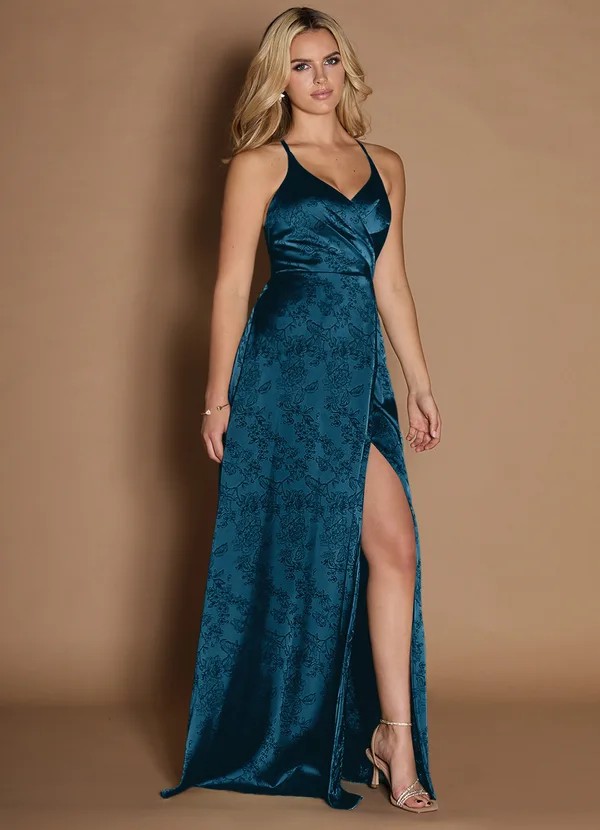
Black tie sits at the top of wedding formality. It signals an evening celebration where guests should dress in their finest formal wear. For women, this traditionally means floor-length gowns, though some modern interpretations accept sophisticated midi-length options.
What black tie requires:
- Floor-length or formal midi gowns
- Luxurious fabrics with structure and weight
- Elegant accessories and formal footwear
- Refined styling without excessive embellishment
- Attention to overall polish and sophistication
What black tie is not:
- Cocktail dresses or casual midi styles
- Sundresses or daytime fabrics
- Overly trendy or costume-like pieces
- Casual shoes or accessories
The invitation will specify black tie if required. When you see this dress code, treat it seriously—underdressing at a black-tie event feels more uncomfortable than being slightly overdressed at a casual wedding.
Black Tie vs Other Formal Dress Codes
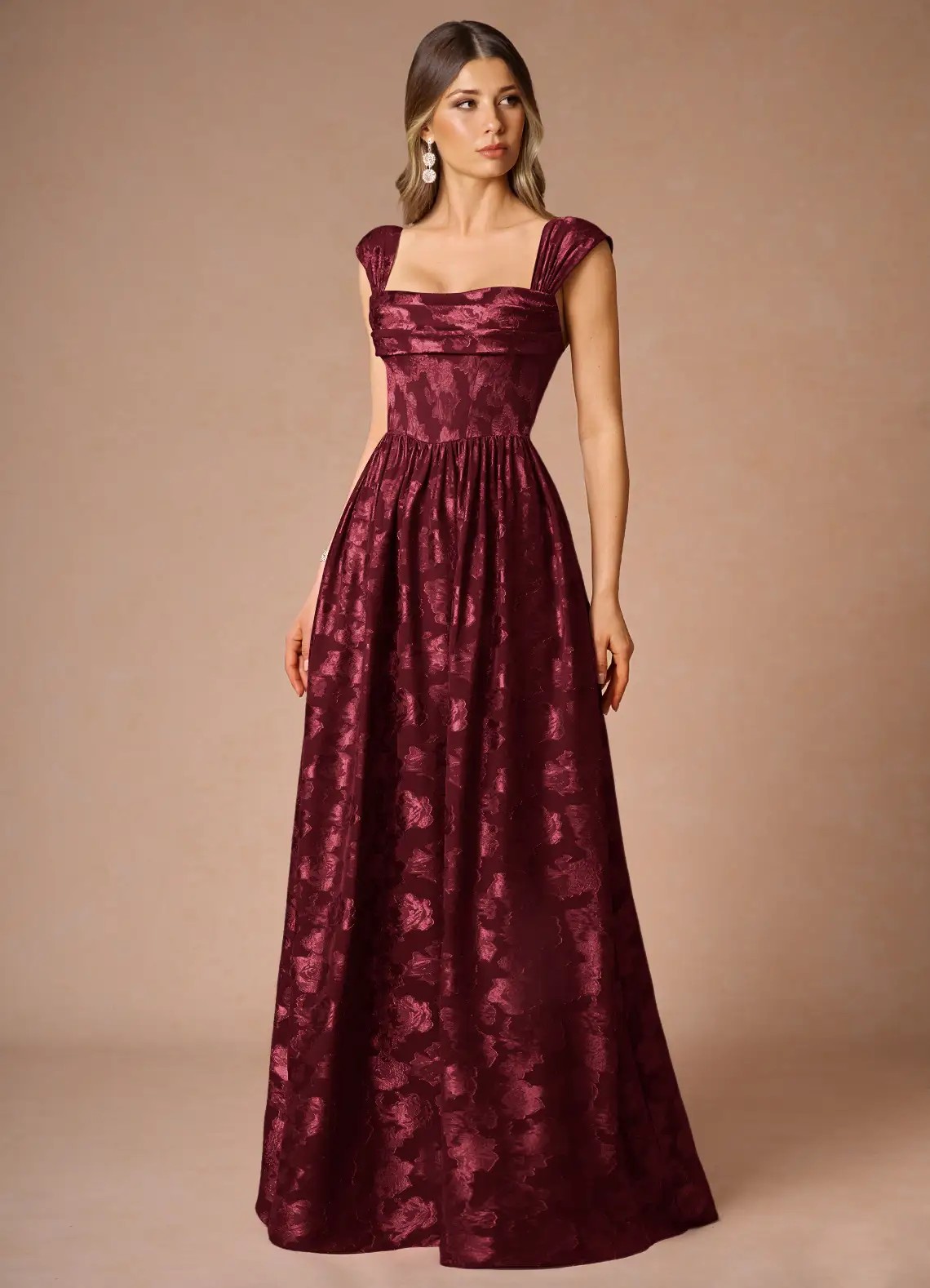
Understanding where black tie falls in the formality spectrum helps you dress appropriately.
Black tie requires floor-length gowns in formal fabrics. Evening elegance is the standard.
Formal or black tie optional gives you more flexibility. Floor-length gowns are still appropriate, but sophisticated cocktail dresses work too.
Semi-formal accepts cocktail dresses and dressy midi styles. Less rigid than black tie but still polished.
Cocktail attire typically means knee-length to midi dresses in party-appropriate fabrics and styles.
For black tie wedding guest dresses, always err on the side of more formal rather than less.
15 Safe Black Tie Outfit Formulas
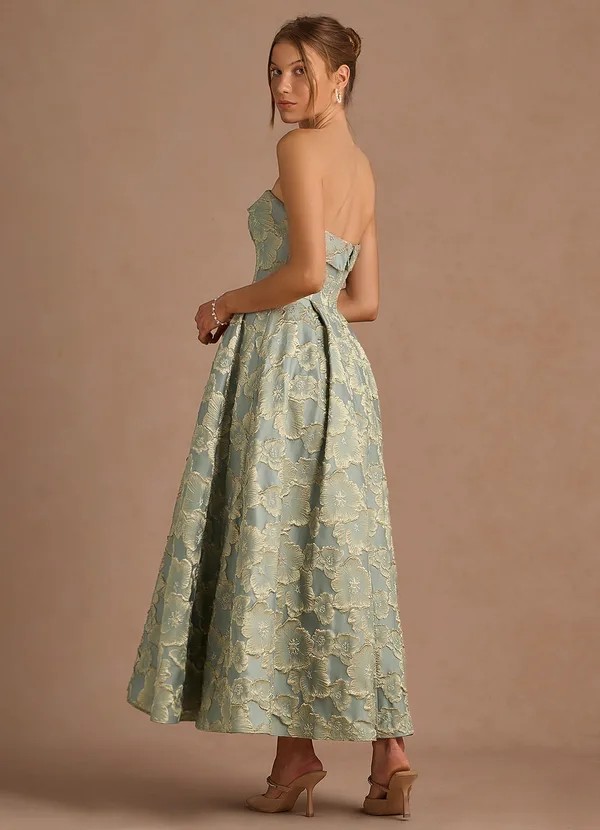
Formula 1: Classic Black Floor-Length Gown
A timeless black gown in satin or crepe with simple jewelry and elegant heels never fails. Choose styles with interesting necklines or back details to avoid looking too plain.
Formula 2: Jewel Tone Velvet Maxi
Deep emerald, sapphire, or ruby velvet in a floor-length silhouette brings richness and warmth. Pair with gold jewelry and simple accessories.
Formula 3: Navy Satin with Statement Earrings
A structured navy satin gown feels fresh while remaining formal. Add drama with chandelier earrings and keep other jewelry minimal.
Formula 4: One-Shoulder Maxi in Burgundy
An asymmetrical neckline adds visual interest to a solid-color gown. Burgundy or wine tones photograph beautifully and feel sophisticated.
Formula 5: Pleated Chiffon in Midnight Blue
Flowing pleated chiffon creates movement while maintaining elegance. Midnight blue works across seasons and venues.
Formula 6: Structured A-Line in Champagne
A fitted bodice with a flowing A-line skirt in champagne or blush creates a romantic silhouette. Keep embellishments subtle.
Formula 7: Chocolate Brown Crepe Column Dress
A sleek column dress in rich chocolate brown feels modern and elegant. Add a statement bracelet and sophisticated clutch.
Formula 8: Off-Shoulder Gown in Forest Green
Off-shoulder styles work for black tie when the fabric and length are formal. Forest green adds depth without being too bold.
Formula 9: Halter Neck Maxi in Charcoal
A halter neckline elongates the neck and shoulders. Charcoal gray offers a sophisticated alternative to black.
Formula 10: Empire Waist Gown in Dusty Rose
Empire waist styles in flowing fabrics suit black tie when executed in formal materials. Dusty rose feels elegant and feminine.
Formula 11: Cowl Neck Satin in Plum
Cowl necklines drape beautifully in satin. Deep plum brings richness while remaining versatile.
Formula 12: V-Neck Maxi with Subtle Beading
A V-neck gown with minimal beading along the neckline or waist adds sparkle without overwhelming. Choose navy, black, or deep teal.
Formula 13: Cap Sleeve Gown in Slate Blue
Cap sleeves provide coverage while maintaining elegance. Slate blue photographs beautifully and works year-round.
Formula 14: Wrap-Style Maxi in Merlot
Wrap silhouettes create flattering lines when executed in formal fabrics. Merlot brings warmth to winter events.
Formula 15: High-Neck Column Dress in Emerald
A high neckline in a sleek column silhouette feels modern and sophisticated. Emerald green makes a statement while remaining appropriate.
Fabric Selection for Black Tie Events
Fabric choice separates truly formal attire from dressed-up casual wear.
Satin offers lustrous shine and structured drape. It photographs beautifully and feels luxurious. Choose medium to heavyweight satin rather than thin, shiny versions.
Velvet brings texture and richness. It’s perfect for fall and winter black-tie events. The fabric’s weight and depth photograph elegantly.
Silk in heavier weights feels appropriate for black tie. Look for silk crepe, silk charmeuse, or duchess silk rather than lightweight silk chiffon alone.
Heavy crepe provides structure without shine. It’s sophisticated and photographs well in all lighting conditions.
Chiffon works for black tie only when layered and fully lined. Flowing chiffon over a structured base creates elegant movement.
Fabrics to avoid:
- Cotton or cotton blends
- Jersey knits
- Thin, casual-looking materials
- Overly stiff or costume-like fabrics
Color Strategy for Black Tie Weddings
Black tie gives you broad color flexibility within certain parameters.
Always appropriate:
- Black (never wrong for evening events)
- Navy (sophisticated and photographs well)
- Deep jewel tones (emerald, sapphire, ruby, amethyst)
- Rich earth tones (chocolate, burgundy, forest green)
- Metallics (gold, bronze, champagne, gunmetal)
Proceed with caution:
- White, ivory, or cream (too close to bridal)
- Very bright or neon colors (feel too casual)
- Pastels in certain seasons (can look washed out in evening lighting)
Color combinations that work:
- Monochromatic elegance in single rich hues
- Subtle color blocking in related tones
- Minimal pattern in sophisticated prints
When selecting wedding guest dresses, choose colors that complement your skin tone and photograph well in both natural and artificial lighting.
Length and Silhouette Guidelines
Floor-length gowns are the black-tie standard. Your hem should just graze the floor when wearing your event shoes. Too long creates a tripping hazard; too short looks unfinished.
Formal midi options can work at modern black-tie events if executed in luxurious fabrics with sophisticated styling. The midi must clearly read as formal rather than cocktail.
Mini or knee-length styles don’t meet black-tie requirements, regardless of fabric or embellishment.
Flattering silhouettes:
- A-line gowns suit most body types
- Column dresses create sleek, sophisticated lines
- Fit-and-flare emphasizes the waist
- Empire waist offers comfort with elegance
- Mermaid or trumpet styles make dramatic statements
Avoid overly voluminous ball gown skirts unless the wedding specifically calls for that level of drama.
What Not to Wear to Black Tie Events
Understanding boundaries prevents dress code missteps.
Never wear:
- Cocktail dresses or casual midi styles
- Sundresses or daytime fabrics
- Anything white, ivory, or cream
- Overly revealing or club-like styles
- Casual shoes (sandals, flats, or boots unless very formal)
- Denim or casual separates
- Costume jewelry that looks cheap
Avoid:
- Excessive sequins or glitter
- Loud patterns or graphics
- Overly trendy pieces
- Anything wrinkled or damaged
- Casual bags or oversized totes
Black tie demands attention to detail. Every element should feel polished and intentional.
Accessorizing Black Tie Attire
Accessories complete your formal look.
Jewelry: Choose elegant pieces that enhance without overwhelming. Statement earrings with a simple necklace, or a dramatic necklace with studs. Avoid costume jewelry that looks obviously inexpensive.
Shoes: Formal heels in satin, velvet, or metallic finishes suit black tie. Closed-toe or peep-toe styles work equally well. If you must wear lower heels, choose elegant styles rather than casual flats.
Bags: Small clutches or minaudières in luxe materials complete the look. Metallic, satin, or beaded clutches all work. Avoid casual crossbody bags or large purses.
Wraps and outerwear: For cold weather, bring an elegant wrap, shawl, or formal coat. Pashmina, silk, or faux fur all suit black-tie events.
Hair and makeup: Polished styling suits the formality. Updos, formal waves, or sleek styles all work. Makeup should look finished and intentional.
Venue Considerations
Black-tie dress codes often correspond with specific venue types.
Ballrooms and hotels are climate-controlled, allowing focus on style over weather concerns. Floor-length gowns in any fabric work beautifully.
Historic estates may have varying temperatures. Consider bringing an elegant wrap even for indoor events.
Museums or galleries typically maintain consistent temperatures. Focus on sophisticated styling that complements the refined atmosphere.
Outdoor elements are rare at black-tie events but possible for cocktail hours or photos. If any outdoor component exists, plan appropriate outerwear.
Fit and Tailoring Essentials
Proper fit elevates black-tie attire significantly.
Critical fit points:
- Bodice should fit smoothly without gaping or pulling
- Straps should stay in place without constant adjustment
- Hem should graze the floor at your shoe height
- Waistline should sit at your natural waist or designated design line
- No visible bra lines or undergarment issues
Consider professional alterations for truly formal events. Small adjustments make substantial differences in how polished you appear.
Azazie offers sizes 0–30 with made-to-order options, helping achieve proper fit without extensive alterations.
Seasonal Black Tie Considerations
Summer black tie: Choose lighter-weight formal fabrics like silk or lined chiffon. Avoid heavy velvet. Jewel tones still work, as do metallics and classic black.
Fall black tie: Embrace richer fabrics like velvet and heavier satin. Deep burgundy, forest green, and chocolate brown feel seasonally appropriate.
Winter black tie: Heavy fabrics provide warmth and elegance. Consider long sleeve wedding guest dresses or bring elegant wraps for cold weather.
Spring black tie: Lighter jewel tones and pastels executed in formal fabrics work beautifully. Navy, blush, and soft metallics feel fresh.
Budget-Friendly Black Tie Shopping
Black-tie attire doesn’t require excessive spending when you shop strategically.
Choose classic styles you could wear to multiple events. A well-made black or navy gown in a timeless silhouette serves you repeatedly.
Consider made-to-order options that provide better fit without tailoring costs. Azazie’s made-to-order approach offers quality construction at accessible price points.
Invest in accessories you’ll use across events. Quality jewelry, a good clutch, and elegant shoes work with multiple gowns.
Focus on fabric quality rather than embellishment. A simple gown in beautiful fabric looks more expensive than a heavily decorated dress in cheap material.
Frequently Asked Questions
Can I wear a cocktail dress to a black-tie wedding?
No, cocktail dresses don’t meet black-tie requirements. Black tie specifically calls for floor-length gowns or very formal midi options. Cocktail dresses work for cocktail attire or semi-formal dress codes, but they’re too casual for true black-tie events.
Is black appropriate for black-tie weddings?
Yes, black is always appropriate for black-tie events. Choose luxurious fabrics and elegant styling to ensure your black gown looks festive rather than somber. Add colorful accessories or choose styles with interesting details to brighten the overall look.
What’s the difference between black tie and formal attire?
Black tie is more specific than general formal attire. Black tie always means floor-length gowns for women, while formal or black-tie optional offers more flexibility. Formal attire might accept sophisticated cocktail dresses, while black tie typically doesn’t.
Can I wear a midi dress to a black-tie wedding?
Traditional black-tie dress codes call for floor-length gowns. Some modern black-tie events accept very formal midi-length dresses, but this is the exception rather than the rule. When in doubt, choose floor-length to ensure you meet dress code expectations.
What shoes should I wear with a black-tie gown?
Formal heels in satin, velvet, or metallic finishes suit black-tie attire. Choose closed-toe or elegant peep-toe styles. The heel height matters less than the shoe’s overall elegance—even lower heels work if they look polished and formal.
Are patterns acceptable for black-tie weddings?
Subtle patterns in formal fabrics can work, but solid colors are safer. If you choose a pattern, make sure it’s sophisticated rather than casual. Avoid loud prints, graphics, or anything that reads as daytime wear.
How do I know if my dress is formal enough?
Ask yourself: Is it floor-length? Is the fabric luxurious and structured? Would it look appropriate at an evening gala? If you answer yes to all three, you’re likely on track. When uncertain, choose the more formal option.
Conclusion
Black-tie wedding guest attire requires floor-length gowns in luxurious fabrics like satin, velvet, or silk. Choose sophisticated silhouettes in rich jewel tones, classic neutrals, or elegant metallics.
When selecting your gown, prioritize fabric quality and classic elegance over trends or excessive embellishment. With thoughtful planning and attention to dress code requirements, you’ll arrive appropriately dressed and ready to celebrate in style.