
Are Pastel Wedding Guest Dresses Too Close to White for Weddings?
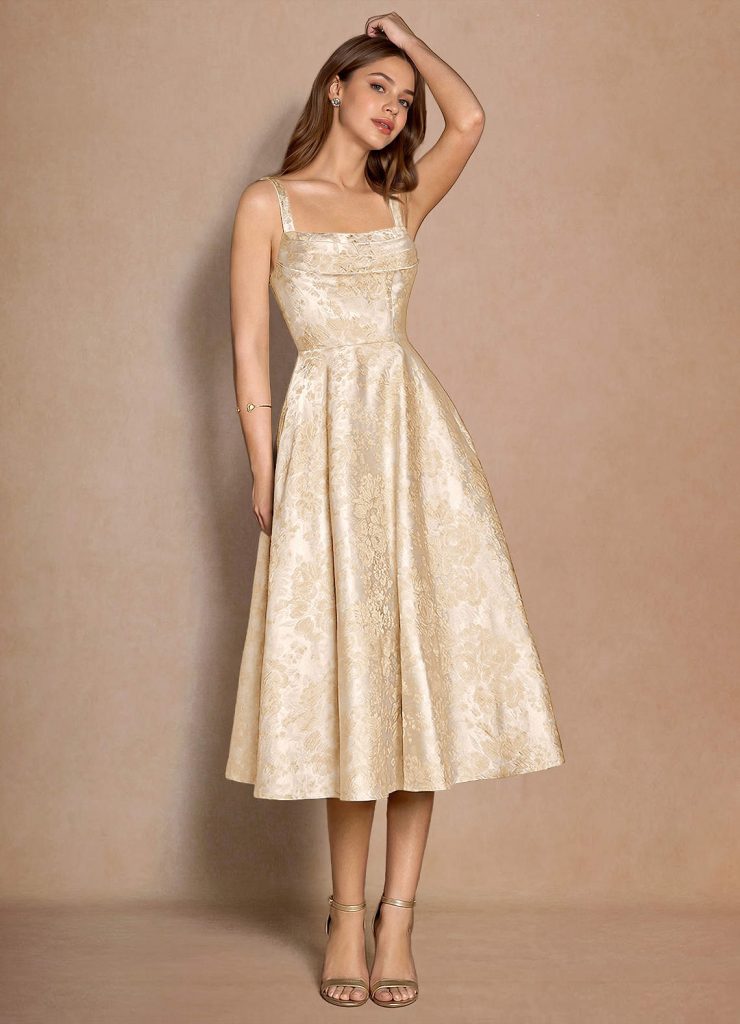
Pastel wedding guest dresses occupy a tricky space in wedding etiquette. While they’re not white, certain lighting conditions and flash photography can make pale shades appear bridal. The answer depends on the specific pastel shade, venue lighting, and how the dress photographs.
Generally, pastels with enough color saturation work beautifully for weddings. The concern arises with ultra-pale versions of pink, blue, or lavender that might read as white under bright lights or camera flash. Understanding how different pastels behave in various settings helps you choose confidently.
Understanding the Flash Photography Test
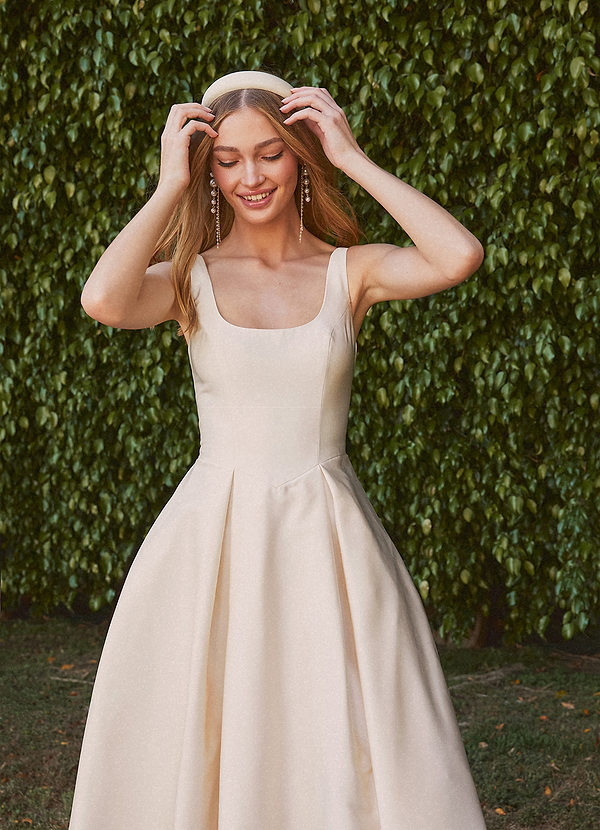
Professional wedding photographers use powerful flash equipment that can wash out pale colors. This creates the main concern with pastel wedding guest dresses.
How Camera Flash Affects Pale Colors
Flash photography works by emitting intense white light that reflects off surfaces. Pastel shades with minimal color pigment can lose their hue entirely under this lighting.
Colors most affected by flash:
- Barely-there blush pink or powder pink
- Ice blue or very pale sky blue
- White-adjacent lavender or pale lilac
- Champagne or cream tones with minimal warmth
- Pale peach that leans toward ivory
Colors that maintain their hue:
- Dusty rose or mauve with visible pink
- Powder blue with clear blue undertones
- Sage green or mint with green presence
- Soft coral that reads distinctly peachy
- Lavender with purple saturation
The texture of your dress also matters. Satin and silk fabrics reflect more light than matte materials, potentially making pale colors appear lighter in photos.
The Real-World Photography Test
Before committing to a pastel dress, perform a simple test at home:
- Take photos of the dress in natural daylight
- Photograph it under indoor artificial lighting
- Use your phone’s flash in a dimly lit room
- Compare how the color appears across all three conditions
If the dress looks distinctly colored in the flash photo, you’re likely safe. If it appears white or nearly white, reconsider for the wedding.
Lighting Conditions at Different Wedding Venues
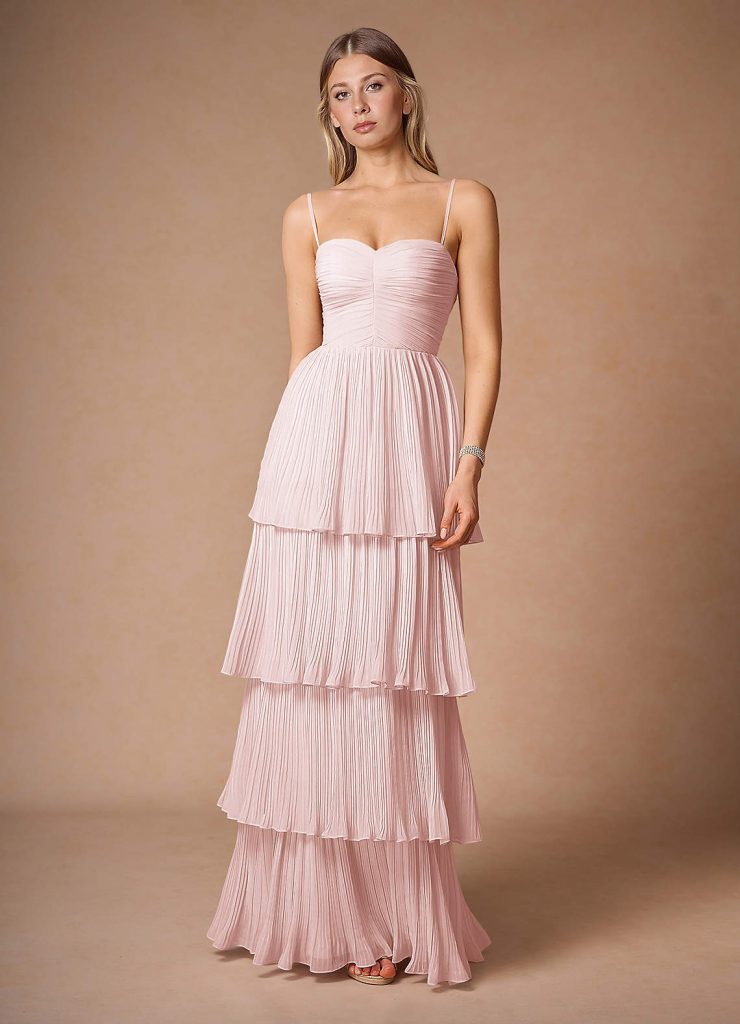
The venue type dramatically affects how pastel wedding guest dresses appear throughout the celebration.
Outdoor Daytime Weddings
Natural sunlight is the most forgiving lighting for pastels. Colors maintain their true appearance without the washing-out effect of artificial light.
Best pastel choices for outdoor venues:
- Any pastel shade works well in natural light
- Even very pale colors stay distinct from white
- Garden and beach wedding guest dresses in soft hues photograph beautifully
- Flowy fabrics in pale blue or pink feel seasonally appropriate
For spring wedding guest dress occasions outdoors, pastels are nearly always appropriate. The abundance of natural light prevents any confusion with bridal white.
Indoor Evening Receptions
Evening weddings with dim ambient lighting and flash photography present the biggest challenge for pastel dresses.
Considerations for indoor formal events:
- Ballroom lighting can be warm-toned, which affects cool pastels differently than warm ones
- Multiple flash sources from guest cameras intensify the washing-out effect
- Darker pastels (dusty rose, periwinkle, sage) maintain color better than pale versions
- Semi formal wedding guest dresses in medium-toned pastels offer a safer choice
If attending an indoor evening wedding, opt for pastels with visible color saturation rather than the palest available shades.
Mixed Indoor-Outdoor Events
Weddings that transition from outdoor ceremony to indoor reception require versatility.
A pastel that looks perfect in garden sunlight might appear too pale under reception hall lighting. Choose medium-saturation pastels that maintain their color across both settings.
Wedding Etiquette Rules for Pale Shades
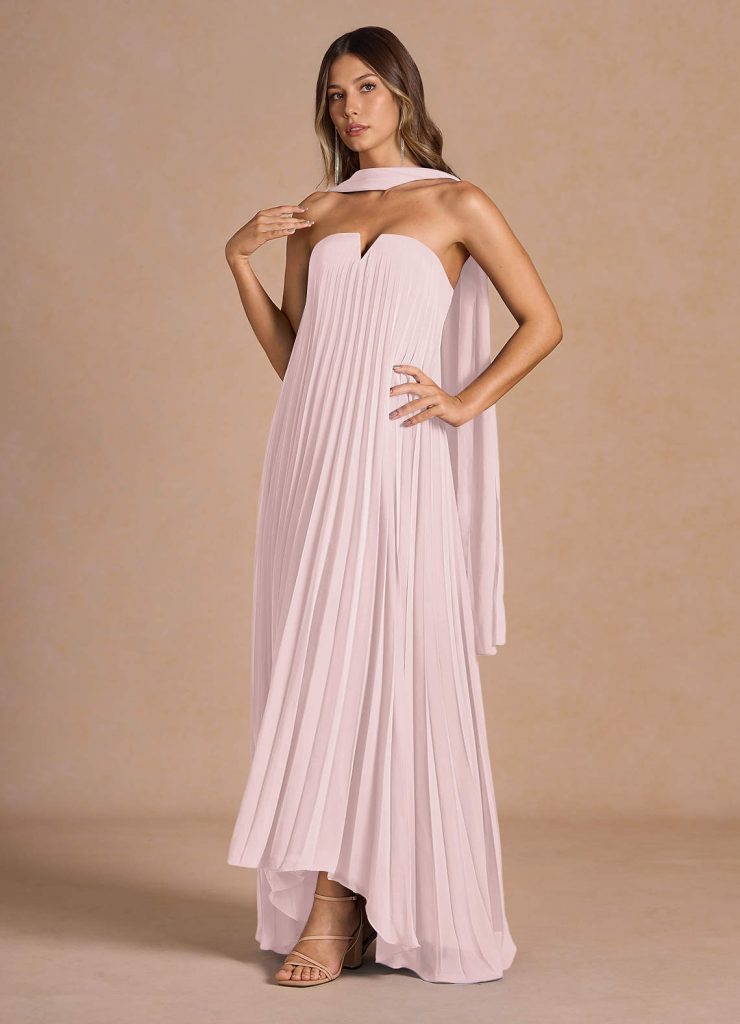
Traditional wedding etiquette offers guidelines, but modern interpretations have evolved significantly.
Traditional Etiquette Perspective
Classic wedding rules suggest avoiding any color that could be mistaken for white, cream, or ivory. This conservative approach considers all pale neutrals off-limits.
Traditional “avoid” list:
- Champagne or cream
- Ivory or off-white
- Palest pink or blush
- White-based pastels
- Any shade that lacks clear color identity
Modern Etiquette Evolution
Contemporary wedding culture has relaxed somewhat, recognizing that intent matters more than rigid color rules.
Modern perspective guidelines:
- Pastels with obvious color (powder blue, mint, lavender) are generally acceptable
- The dress should never photograph as white
- When in doubt, ask the bride or wedding party
- Consider the wedding’s formality and the couple’s style
- Respect cultural or religious traditions that may have stricter color expectations
The golden rule remains: if there’s any possibility your dress could be mistaken for bridal white, choose something else.
Safe Pastel Colors vs. Risky Choices
Not all pastels carry equal risk. Some shades clearly read as colored while others sit dangerously close to white.
| Pastel Shade | Safety Level | Why It Works/Doesn’t |
| Powder Blue | Safe | Clear blue undertones distinguish it from white |
| Dusty Rose | Safe | Pink presence remains visible in most lighting |
| Sage Green | Safe | Green hue is distinct and photographs well |
| Mint Green | Safe | Fresh green tone maintains color identity |
| Lavender | Mostly Safe | Purple undertones prevent white confusion |
| Pale Blush | Caution | Can wash out to near-white in flash photography |
| Ice Blue | Caution | Very light; may appear white under certain lights |
| Champagne | Risky | Often reads as off-white or cream |
| Pale Peach | Caution | Can lose color in bright lighting |
| Lilac (very pale) | Caution | White-based versions risk looking bridal |
Color Saturation Matters More Than Shade
The specific tone matters less than the color intensity. A deeply saturated pale pink appears more appropriate than a barely-tinted blush.
When browsing pink wedding guest dress options, compare shades side-by-side. If a pastel looks nearly white when placed next to true white fabric, it’s too pale.
How to Style Pastels to Avoid Bridal Territory
Strategic styling choices help differentiate pastel wedding guest dresses from bridal wear.
Add Contrast Through Accessories
Strong accessory colors prevent your pastel dress from reading as bridal:
- Metallic shoes: Gold or silver heels add shine and contrast
- Colorful jewelry: Statement necklaces or earrings in jewel tones create focal points
- Bold clutch: A bag in navy, emerald, or burgundy anchors the outfit
- Darker wrap or shawl: Adds depth for indoor portions of the wedding
These elements signal clearly that your outfit is guest attire rather than anything bridal.
Choose Prints or Embellishments
Solid pastel dresses carry higher risk than patterned versions:
- Floral prints: Pastels with darker floral patterns are unmistakably guest dresses
- Geometric patterns: Lines or abstract designs in contrasting colors
- Lace overlays: Darker lace over pale fabrics adds visual interest
- Beading or sequins: Embellishments in metallic or contrasting colors
A pastel base with visible pattern or texture never photographs as plain white.
Opt for Non-Traditional Silhouettes
Bridal dresses typically feature certain silhouettes. Choosing different styles helps avoid comparison:
- Midi wedding guest dress: Tea-length or midi cuts feel distinctly non-bridal
- Two-piece sets: Separates read as cocktail wear rather than wedding attire
- Jumpsuits: A wedding guest jumpsuit in pastel is clearly not bridal
- Asymmetrical hems: Uneven lengths signal contemporary guest style
The further your silhouette differs from traditional bridal cuts, the safer your pastel choice becomes.
Seasonal Considerations for Pastel Wedding Attire
Different seasons change how pastels are perceived at weddings.
Spring Weddings
Spring embraces pastels as the season’s signature palette. Gardens bloom in soft pinks, blues, and yellows, making these shades feel natural.
Spring-appropriate pastels:
- Cherry blossom pink
- Robin’s egg blue
- Soft lilac
- Pale yellow
- Mint green
For spring wedding guest dress events, pastels align perfectly with seasonal aesthetics. Even lighter shades feel appropriate when surrounded by blooming florals.
Summer Celebrations
Summer allows slightly brighter pastels that won’t wash out in intense sunlight.
Summer pastel recommendations:
- Coral-leaning peach
- Periwinkle blue
- Seafoam green
- Warm pink
- Lavender with purple depth
Beach wedding guest dresses in aqua or turquoise pastels complement seaside settings beautifully.
Fall and Winter Events
Cooler months traditionally favor deeper tones, but dusty pastels can work with proper styling.
Cool-weather pastels:
- Dusty mauve
- Slate blue
- Muted sage
- Taupe-based pink
- Greyed lavender
Pair fall wedding guest dresses in these tones with deeper accessories like burgundy shoes or emerald jewelry to anchor them seasonally.
Frequently Asked Questions
Can I wear a blush pink dress to a wedding?
Blush pink works if it has clear pink saturation. Test it with flash photography first. If the color disappears under flash or appears white-adjacent, choose a slightly deeper dusty rose or mauve instead.
Are pale blue wedding guest dresses appropriate?
Powder blue and sky blue are generally safe choices because blue clearly distinguishes itself from white. Even pale versions maintain their color identity in most lighting conditions, making them reliable pastel options.
What if the bridesmaids are wearing pastels?
Choose a different pastel family or a notably different shade. If bridesmaids wear blush, opt for mint or lavender. If they’re in multiple pastels, select a color outside their palette or go with a richer jewel tone.
How do I know if my pastel dress is too light?
Hold it next to something white. If they look similar or the dress appears cream-colored rather than distinctly pink, blue, or green, it’s too light. Also test with your phone’s camera flash in dim lighting.
Can I wear champagne or cream to a wedding?
These colors are risky because they photograph very close to white and ivory. Unless the bride explicitly approves, choose a pastel with clear color undertones like dusty rose or powder blue instead.
Conclusion
Pastel wedding guest dresses can be beautiful, appropriate choices when selected thoughtfully. The key lies in choosing shades with enough color saturation to photograph distinctly, testing them under flash conditions, and styling them with accessories that clearly signal guest attire.
When in doubt, opt for medium-toned pastels over ultra-pale versions, or explore the collection of wedding guest dresses in clearly colored options. From safe spring wedding guest dress choices to deeper fall wedding guest dresses, you’ll find celebration-ready styles that photograph beautifully without any white-adjacent concerns.