
Are Midi Wedding Guest Dresses Formal Enough for Black Tie Weddings?
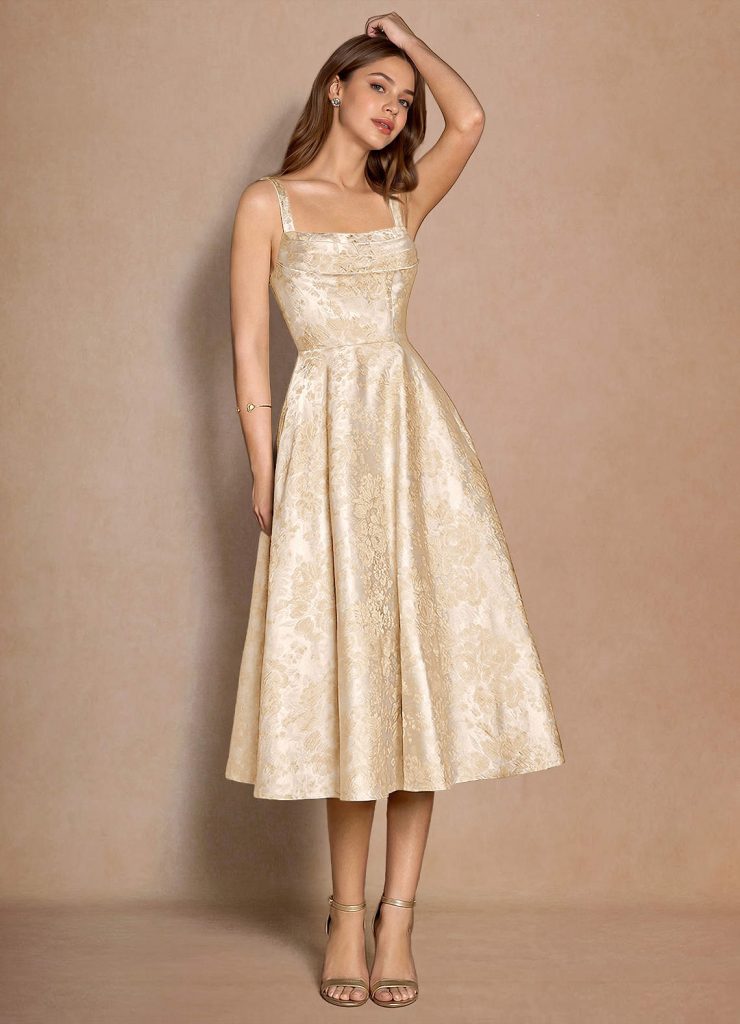
Midi dresses can work for black tie weddings, but success depends entirely on fabric quality, construction details, and styling choices. The right midi wedding guest dress in luxurious materials with formal accessories meets black tie standards. However, cotton midi dresses or casual silhouettes fall short regardless of how you style them.
Understanding Dress Code Hierarchy
Black Tie Expectations Explained
Black tie represents the second-most formal dress code after white tie. Traditional expectations include floor-length gowns, though modern interpretations allow some flexibility.
Classic black tie requirements:
- Formal fabrics (silk, satin, velvet, lace)
- Elegant silhouettes with structure
- Sophisticated color palette
- Refined accessories and footwear
Where midi dresses fit: Black tie optional or “formal” events offer more flexibility than strict black tie. Understanding this distinction helps determine whether your midi dress meets the standard.
| Dress Code | Length Guideline | Midi Acceptability |
| White Tie | Floor-length only | Not appropriate |
| Black Tie | Floor-length preferred | Rare exceptions only |
| Black Tie Optional | Floor or midi acceptable | Yes, with formal details |
| Formal/Cocktail Attire | Midi or floor-length | Ideal choice |
| Semi-Formal | Midi, tea-length, or maxi | Perfect fit |
Fabric: The Formality Game-Changer
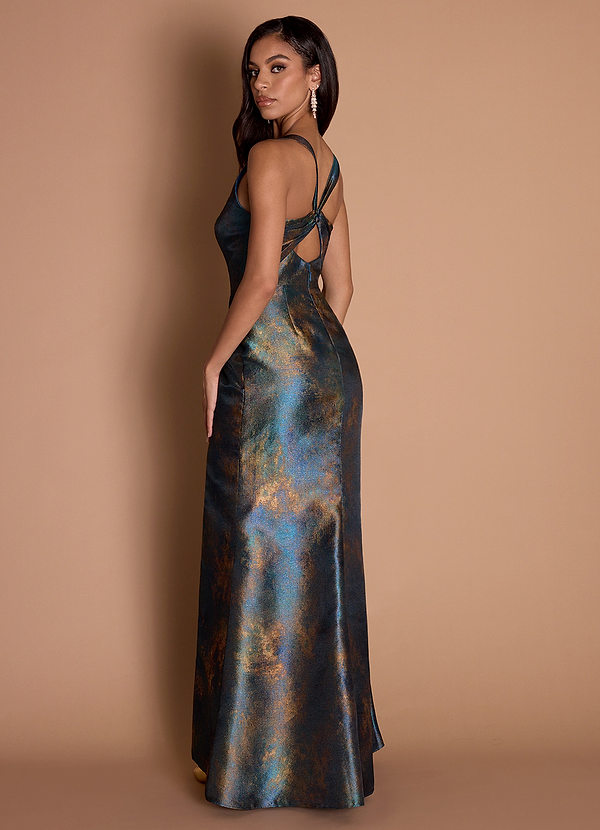
Luxe Materials That Elevate Midi Length
Fabric transforms a midi dress from cocktail wear to black tie appropriate. The material matters more than the hemline in determining overall formality.
Formal fabric choices:
- Silk charmeuse: Luminous drape, elegant movement
- Duchess satin: Structured weight, luxurious sheen
- Silk velvet: Rich texture, photographs beautifully
- Embroidered lace: Intricate detail, sophisticated appearance
- Heavy crepe: Substantial feel, refined drape
- Beaded or sequined fabrics: Evening-appropriate embellishment
Satin wedding guest dress options in midi length can absolutely meet formal standards when the satin has proper weight and structure.
Casual Fabrics to Avoid
These materials read as too casual regardless of styling:
Non-formal fabric list:
- Cotton jersey (too relaxed)
- Lightweight chiffon alone (needs lining and structure)
- Cotton poplin or linen (daytime casual)
- Thin polyester knits (inexpensive appearance)
- Unlined mesh or tulle (lacks substance)
Construction Quality Indicators
Beyond fabric type, construction signals formality level:
- Fully lined interior (not see-through)
- Structured bodice with boning or shaping
- Quality seam finishing throughout
- Weighted hem for proper drape
- Substantial fabric thickness
Silhouette Selection for Formal Events
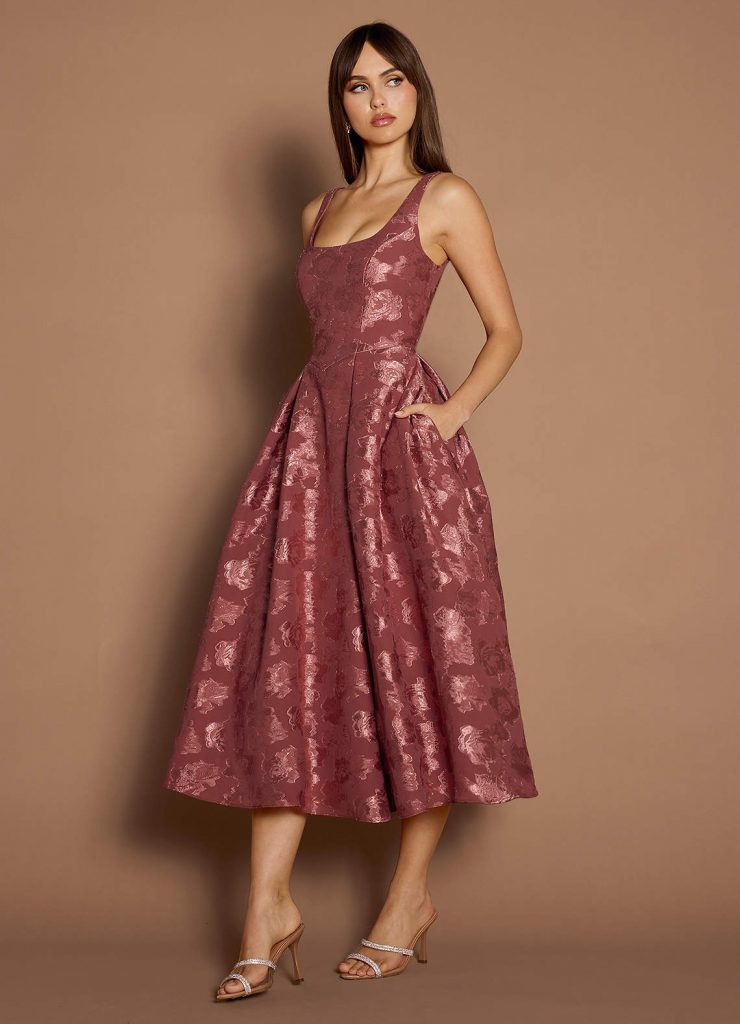
A-Line with Architectural Details
A line wedding guest dresses in midi length work best when paired with formal design elements:
Formalizing features:
- Structured bodice with princess seaming
- Wide waistband or defined waist detail
- Box pleats or intentional skirt construction
- Architectural necklines (square, bateau, asymmetric)
- Sleeve details (three-quarter, cap with volume)
Fit-and-Flare Sophistication
This silhouette provides formal structure through its construction:
- Fitted bodice creates definition
- Flared skirt adds movement and elegance
- Works particularly well in heavier fabrics
- Proportions suit most body types
Column and Sheath Styles
Straight silhouettes achieve formality through simplicity and quality:
- Clean lines emphasize fabric quality
- Minimal embellishment lets material shine
- Requires precise tailoring for elegant fit
- Often features dramatic backs or necklines
Neckline Impact on Formality
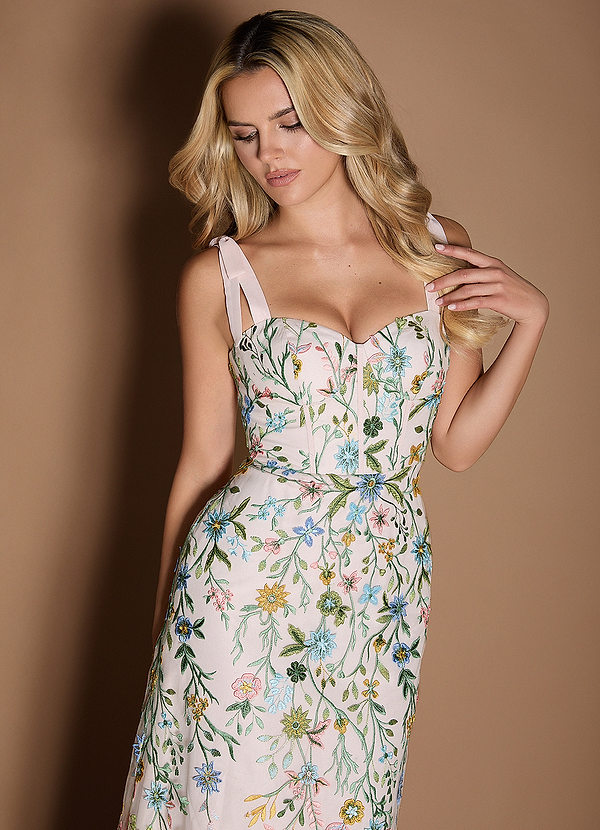
Formal Neckline Options
Certain necklines automatically elevate perceived formality:
High-formality necklines:
- Bateau (boat neck): Classic, sophisticated coverage
- High halter: Elegant and modern
- Square neckline: Architectural and refined
- Asymmetric one-shoulder: Contemporary formal
Off the shoulder wedding guest dress styles in midi length create romantic formality, especially in structured fabrics.
Necklines to Approach Carefully
Some necklines skew casual unless executed perfectly:
- Deep V-necks (can read as cocktail rather than formal)
- Spaghetti straps alone (needs elegant execution)
- Crew neck (typically too casual)
- Scoop neck (works only with substantial embellishment)
Color Psychology in Formal Settings
Sophisticated Color Choices
Color selection impacts how formal your midi dress appears:
Highest formality colors:
- Black: Timeless formal choice
- Navy or midnight blue: Rich alternative to black
- Deep jewel tones: Emerald, ruby, sapphire, amethyst
- Metallics: Gold, silver, rose gold, bronze
- Rich earth tones: Burgundy, forest green, chocolate
Black formal wedding guest dress options never fail at formal events. Black midi dresses in luxe fabrics rival floor-length gowns in elegance.
Colors Requiring Careful Execution
These hues need exceptional styling to work formally:
- Bright pastels (can appear too daytime)
- Neon or ultra-bright shades (typically too casual)
- Soft neutrals like beige or tan (need strong accessories)
- White or cream (etiquette concerns plus formality questions)
Explore elegant blue dresses for wedding guests in deeper saturated tones for formal evening events.
Accessorizing Midi Dresses for Black Tie
Jewelry Strategy for Elevation
Accessories transform a formal midi dress into black tie appropriate attire:
High-impact jewelry choices:
- Statement necklace: Substantial presence in precious or semi-precious stones
- Chandelier earrings: Evening-appropriate drop styles
- Cuff bracelet: Wide, architectural design
- Cocktail ring: Bold statement piece
Jewelry guidelines:
- Choose one statement piece as focal point
- Support with smaller coordinating pieces
- Metallic tones should complement dress undertones
- Quality matters more than quantity
Footwear Requirements
Shoes dramatically impact overall formality:
Formal footwear options:
- Strappy heeled sandals (3+ inch heels)
- Classic pointed-toe pumps in satin or velvet
- Metallic or jeweled evening shoes
- Elegant mules with embellishment
Shoe materials:
- Satin, velvet, or leather
- Metallic finishes (not overly sparkly)
- Suede for fall/winter events
- Patent leather for high shine
Avoid:
- Ankle straps (visually shorten legs with midi length)
- Block heels (too casual for black tie)
- Any open-toe shoes in winter
- Wedges or platforms
Evening Bag Selection
Your clutch or handbag should match formality level:
Formal bag characteristics:
- Small structured clutch or minaudière
- Satin, silk, velvet, or metallic finish
- Jeweled clasp or subtle embellishment
- Just large enough for essentials
Seasonal Fabric Adjustments
Spring and Summer Formal Fabrics
Warm weather requires breathable materials that maintain formality:
Summer formal fabric options:
- Silk crepe de chine with lining
- Lightweight duchess satin
- Embroidered silk organza over lining
- Stretch crepe in darker colors
Wedding guest dresses summer formal selections balance breathability with appropriate structure and weight.
Fall and Winter Formal Textures
Cooler months accommodate heavier, richer fabrics:
Cold weather formal fabrics:
- Silk velvet or velvet burnout
- Heavy duchess satin
- Brocade with metallic threading
- Substantial crepe with weight
Fall wedding guest dresses in midi length work beautifully in these substantial materials.
When Midi Works vs When It Doesn’t
Scenarios Where Midi Succeeds at Formal Events
Green light situations:
- Invitation specifies “black tie optional” or “formal”
- Modern venue (contemporary art museum, rooftop)
- Younger crowd with flexible dress code interpretation
- Daytime formal wedding (garden ceremony)
- Your midi dress features exceptional fabric and styling
Situations Requiring Floor-Length
Stick with maxi gowns when:
- Invitation specifies strict “black tie” or “white tie”
- Traditional ballroom or country club venue
- Evening ceremony in formal religious setting
- Conservative guest list or older demographic
- You want absolute certainty about dress code compliance
Styling Details That Add Formality
Sleeve Considerations
Sleeves contribute significantly to formal appearance:
Formal sleeve styles:
- Three-quarter length in structured fabric
- Long fitted sleeves in velvet or satin
- Flutter sleeves with substantial weight
- Bishop sleeves with structured cuffs
Long sleeve wedding guest dresses in midi length create elegant coverage appropriate for formal religious ceremonies.
Embellishment and Details
Strategic embellishment elevates formality:
Sophisticated embellishment:
- Beading concentrated on bodice
- Sequins in tonal shades (not multicolor)
- Embroidered details in matching thread
- Metallic threading in jacquard patterns
- Subtle crystal or pearl details
Avoid:
- Appliqué flowers (too casual)
- Excessive rhinestones (costume-like)
- Colorful sequins or beading
- Any embellishment that looks craft-project-like
Outerwear for Formal Midi Dresses
Elegant Cover-Up Options
Black tie events often require transitioning between outdoor and indoor spaces:
Formal outerwear choices:
- Floor-length velvet or satin cape
- Structured evening coat in complementary color
- Luxe pashmina or cashmere wrap
- Faux fur stole (for winter events)
- Embellished bolero jacket
Color coordination: Match outerwear to dress color family rather than exact matching. Metallic wraps work with most dress colors.
Dress Code Mapping Reference
Quick Decision Framework
Use this framework to determine midi appropriateness:
Midi dress formality checklist:
Fabric is luxurious (silk, satin, velvet, substantial crepe)
Construction is structured (lined, boned bodice, quality seams)
Color is sophisticated (jewel tones, black, navy, metallics)
Neckline is refined (bateau, square, elegant asymmetric)
Accessories are formal (statement jewelry, heeled evening shoes)
Venue allows flexibility (modern space or “black tie optional”)
If you checked all boxes: Your midi dress works for formal/black tie optional.
If you missed 2+ boxes: Choose floor-length instead.
Common Midi Dress Mistakes at Formal Events
Styling Errors to Avoid
Even formal midi dresses fail with wrong accessories:
Frequent mistakes:
- Pairing with casual shoes (wedges, flats, boots)
- Using everyday jewelry instead of statement pieces
- Carrying large purses or crossbody bags
- Casual hairstyles (loose waves without styling)
- Minimal makeup (doesn’t match dress formality)
Fabric and Fit Problems
Technical issues that reduce formality:
- Dress is too tight or shows undergarment lines
- Hemline hits awkwardly at widest calf point
- Fabric is wrinkled or poorly pressed
- Lining is visible or dress is see-through
- Color has faded from previous wear
Frequently Asked Questions
Can I wear a midi dress to a black tie wedding?
A: Midi dresses work for “black tie optional” or “formal” weddings when executed in luxurious fabrics like silk satin, velvet, or heavy crepe with formal accessories. Strict “black tie” invitations typically expect floor-length gowns. Check invitation wording carefully—”black tie” differs from “black tie optional.”
What makes a midi dress formal enough for a black tie optional event?
A: Fabric quality matters most. Choose silk, satin, velvet, or substantial crepe rather than cotton or casual materials. Add structured construction (lined, shaped bodice), sophisticated color (jewel tones or black), formal neckline (bateau, square, one-shoulder), and elevated accessories including statement jewelry and heeled evening shoes.
Should I wear a midi or maxi dress to an evening wedding?
A: Evening weddings generally call for floor-length gowns unless specified as “cocktail attire” or “black tie optional.” Maxi dresses provide safer choice for formal evening events. Reserve midi length for daytime formal weddings, garden ceremonies, or when invitation specifically welcomes cocktail-length attire.
What shoes work with formal midi dresses?
A: Choose heeled evening shoes in satin, velvet, leather, or metallics. Strappy sandals with 3+ inch heels, pointed-toe pumps, or jeweled mules all work. Avoid ankle straps that shorten legs with midi hemlines, block heels that read too casual, and any wedges or platforms at formal events.
Can I wear a patterned midi dress to a black tie optional wedding?
A: Patterns reduce perceived formality, so proceed carefully. If choosing patterned midi dress, ensure pattern is sophisticated (small-scale, geometric, or tonal), fabric is luxurious (silk or satin), and accessories are unmistakably formal. Solid colors in jewel tones or black remain safer choices for formal dress codes.
Final Recommendations
Midi dresses can absolutely work for formal and black tie optional weddings when you prioritize fabric quality, structured construction, and elevated styling. The key lies in treating your midi dress as seriously as you would a floor-length gown—no shortcuts on material quality or accessory choices.
When uncertain, check invitation wording precisely. “Black tie optional” and “formal” welcome midi length, while strict “black tie” expects floor-length. Consider venue formality and guest demographic alongside invitation language.