
Are Long Sleeve Wedding Guest Dresses Too Hot for Summer Weddings?
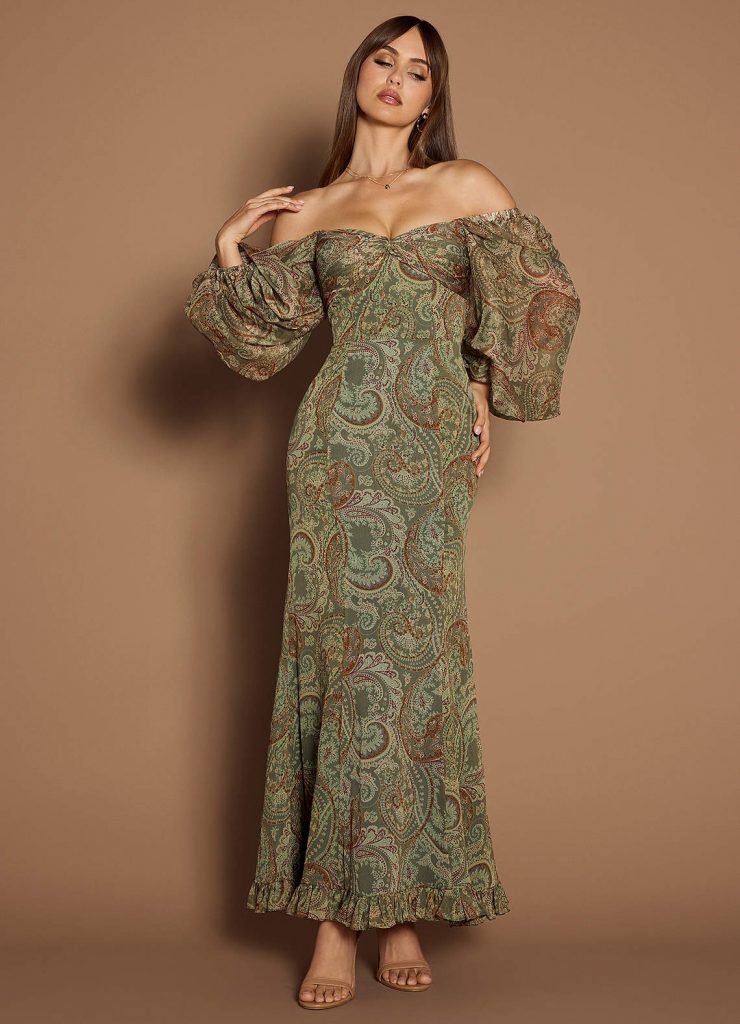
Long sleeve wedding guest dresses can absolutely work for summer weddings when you choose breathable fabrics and lighter constructions. The secret lies in material selection rather than sleeve length alone. Chiffon, lightweight cotton, and mesh-panel designs allow air circulation while providing coverage you might want for sun protection or personal preference.
The Fabric Breathability Factor
Material choice determines comfort far more than sleeve coverage. Understanding fabric properties helps you select styles that won’t overheat.
Summer-Appropriate Sleeve Fabrics
| Fabric Type | Breathability | Best Use Case | Temperature Comfort |
| Chiffon | Excellent | Outdoor ceremonies, flowing movement | 70-85°F |
| Lightweight Cotton | Very Good | Daytime receptions, casual venues | 65-80°F |
| Mesh or Tulle | Excellent | Illusion sleeves, decorative panels | 70-90°F |
| Linen Blends | Very Good | Relaxed dress codes, garden settings | 65-82°F |
| Silk or Satin | Moderate | Air-conditioned venues, evening events | 68-78°F |
| Lace | Good | Semi-sheer coverage, vintage themes | 70-85°F |
| Velvet | Poor | Avoid for summer entirely | Not suitable |
| Heavy Crepe | Poor | Fall/winter only | Not suitable |
The long sleeve wedding guest dresses collection features many breathable options specifically designed for warmer weather comfort.
Fabrics to Avoid in Summer Heat
Velvet and Heavy Materials These trap heat against skin and prevent air circulation. Reserve velvet for fall and winter celebrations when temperature control matters less.
Thick Satin Without Lining Separation Dense satin can feel clammy in humidity. If choosing satin, ensure the lining allows some air movement between layers.
Polyester Blends Without Moisture-Wicking Pure synthetic fabrics can trap perspiration. Look for natural fiber blends that help regulate body temperature.
Multiple Fabric Layers Dresses with heavy underlayers plus full sleeves create insulation better suited to cooler months.
Sleeve Construction Styles That Keep You Cool
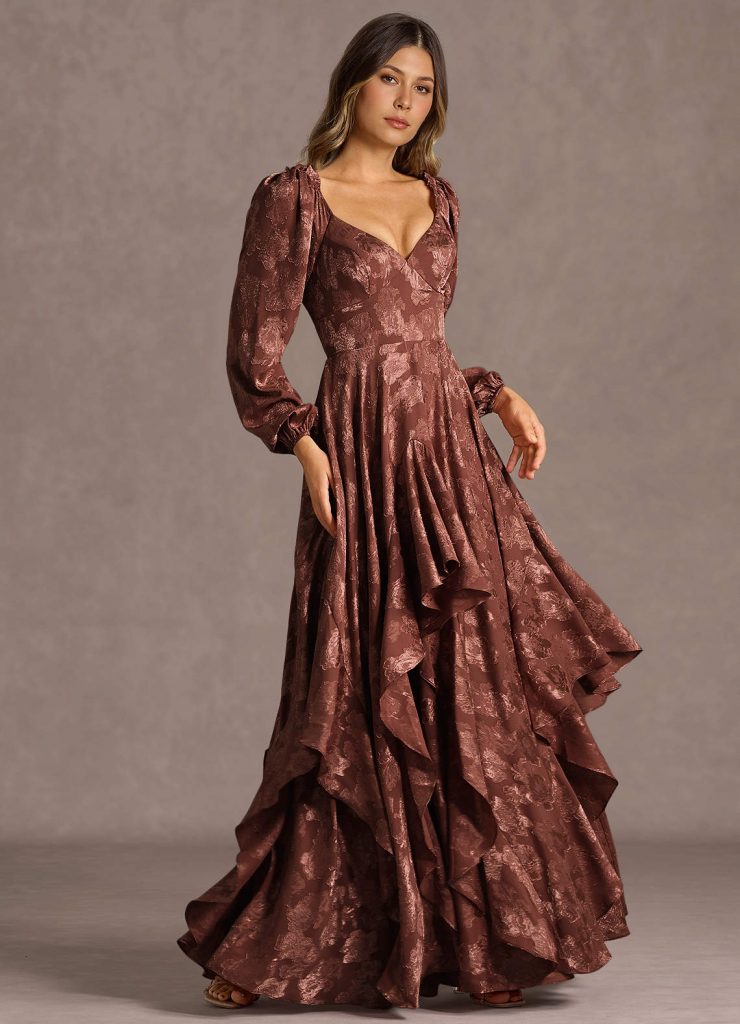
Design details matter as much as fabric selection when managing summer heat.
Temperature-Regulating Sleeve Features
Illusion Mesh Panels Mesh creates the appearance of coverage while allowing maximum airflow. These work beautifully for beach wedding guest dresses where sun protection meets breathability.
Bishop or Balloon Sleeves Loose, gathered styles create air pockets between fabric and skin. Movement generates natural ventilation within the sleeve.
Flutter or Cape Sleeves These provide minimal fabric contact with arms while offering shoulder coverage. Particularly effective for outdoor ceremonies with sun exposure.
Slit or Open Sleeves Vertical openings along the sleeve length allow heat escape while maintaining the long sleeve silhouette.
Sheer Lace Overlays Semi-transparent lace over bare arms provides coverage without the warmth of solid fabric. Perfect for religious venues requiring modesty.
Bell Sleeves Wide openings at the wrist encourage air circulation. The flare creates distance from skin for cooling effect.
Indoor vs Outdoor Venue Temperature Management
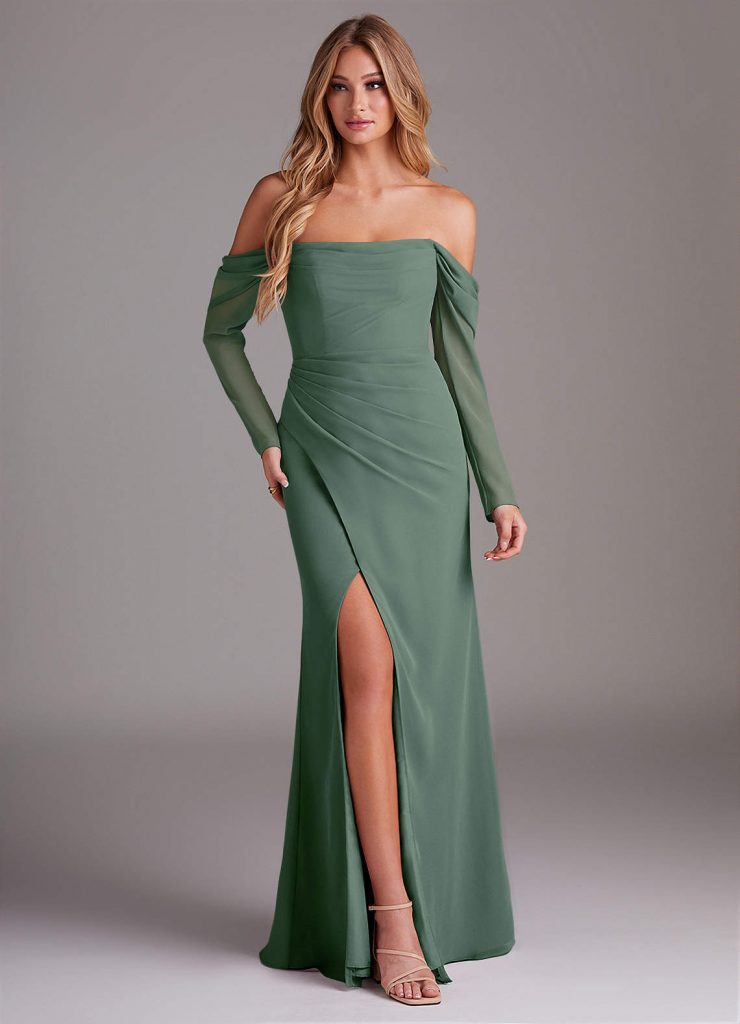
Location significantly impacts whether long sleeves feel comfortable or stifling.
Climate-Controlled Indoor Venues
Hotel Ballrooms and Convention Centers Air conditioning often runs aggressively in these spaces. Long sleeves prevent the chill many guests experience in heavily cooled environments. Wedding guest dresses summer formal often work perfectly here regardless of outdoor temperature.
Restaurant or Banquet Halls These typically maintain comfortable 68-72°F temperatures. Long sleeve styles in any fabric feel appropriate without overheating concerns.
Historic Mansions or Museums Climate control protects valuable interiors. Expect cooler temperatures that make sleeves comfortable even in July or August.
Church Sanctuaries Traditional venues often maintain moderate temperatures. Long sleeves also satisfy modesty requirements common in religious settings.
Outdoor Venue Considerations
Garden or Vineyard Settings Sun exposure becomes the primary concern. Lightweight long sleeves actually provide sun protection while breathable fabrics prevent overheating.
Beachfront Ceremonies Ocean breezes help cool skin beneath flowing sleeves. Choose chiffon or mesh constructions that move with wind for natural ventilation.
Backyard or Park Celebrations Shade availability varies greatly. Bring a lightweight wrap you can remove rather than committing to full sleeves if uncertain about temperature.
Rooftop or Terrace Receptions Urban heat island effects can increase temperatures 5-10 degrees. Prioritize the most breathable fabrics or consider three-quarter length instead.
Strategic Styling for Summer Sleeve Comfort
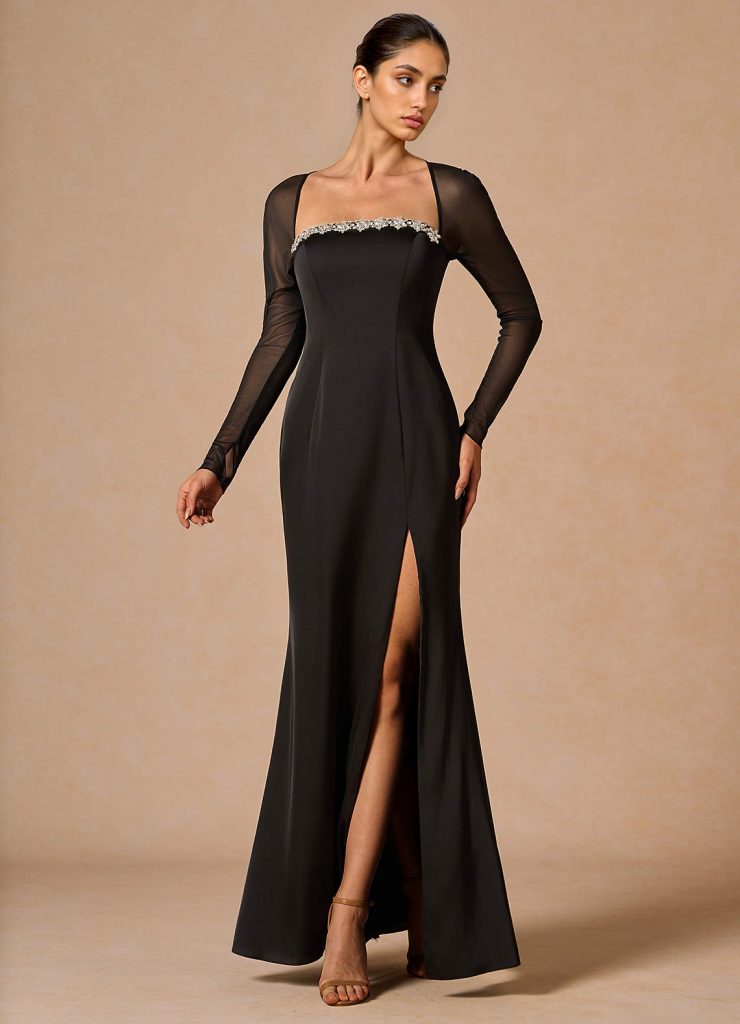
Smart accessorizing and preparation help long sleeve dresses work in warm weather.
Cooling Preparation Tactics
Pre-Event Temperature Management
- Keep dress in air-conditioned space until departure
- Arrive at venue with time to acclimate gradually
- Use cooling towelettes on pulse points before dressing
- Apply antiperspirant to arms as well as underarms
- Choose moisture-wicking undergarments
Hair and Makeup Strategies
- Wear hair up and off neck to reduce body heat
- Use setting spray to prevent makeup melt
- Skip heavy contouring that may streak in humidity
- Choose waterproof formulas for all face products
Accessory Selection
- Opt for minimal jewelry that won’t trap heat
- Choose open-toe shoes over closed styles
- Carry a small handheld fan (decorative versions available)
- Bring blotting papers for oil control
Color Selection for Heat Management
Lighter shades reflect rather than absorb sunlight. This makes genuine difference in outdoor summer celebrations.
Cool-Feeling Colors:
- Powder blue, sky blue, or periwinkle shades
- Mint, sage, or seafoam green tones
- Blush pink and soft peach options
- Champagne, cream, and ivory hues
Browse elegant blue dresses for wedding guests for temperature-friendly color options that photograph beautifully.
Colors That Absorb Heat:
- Deep navy or black (save for evening events)
- Dark burgundy or wine tones
- Forest green or emerald shades
- Rich chocolate or coffee browns
If you love darker colors, reserve them for climate-controlled indoor venues where heat absorption matters less.
Real-World Summer Sleeve Scenarios
Scenario 1: Outdoor Garden Wedding, 85°F, 2 PM Ceremony
Long sleeve recommendation: Proceed cautiously
Choose sheer chiffon with illusion mesh panels if committed to sleeves. Otherwise, consider three-quarter length or plan to arrive in wrap you can remove.
Scenario 2: Hotel Ballroom, 4 PM Reception, Heavy AC
Long sleeve recommendation: Excellent choice
Climate control makes any sleeve fabric comfortable. Many guests will appreciate coverage in aggressively air-conditioned spaces.
Scenario 3: Beach Ceremony 10 AM, Indoor Reception Following
Long sleeve recommendation: Selective approach
Bring lightweight cardigan for sun protection during ceremony, then reveal sleeveless dress for air-conditioned reception. Beach wedding guest dresses in layered styles work perfectly.
Scenario 4: Evening Winery Event, 7 PM Start, September
Long sleeve recommendation: Ideal
Late summer evenings cool significantly. Long sleeves in moderate-weight fabric feel comfortable and photograph beautifully in vineyard settings.
Alternative Coverage Solutions
If full sleeves feel too warm but you want some coverage, these options bridge the gap.
Cap Sleeve Alternatives
Minimal fabric provides shoulder coverage without arm enclosure. Works well for:
- Conservative dress codes requiring some sleeve
- Sun protection for shoulders prone to burning
- Flattering arm proportion without heat retention
- Spring wedding guest dress timing when weather varies
Cold Shoulder Designs
Shoulder cutouts provide ventilation while maintaining some sleeve coverage. These feel cooler than solid sleeves while offering similar visual effect.
Detachable Sleeve Options
Some dresses feature removable sleeve components. Start with coverage for ceremony, then remove for dancing and reception.
Frequently Asked Questions
Can I wear long sleeves to an outdoor summer wedding without overheating?
Yes, but fabric selection is critical. Choose chiffon, lightweight cotton, or mesh-panel designs that allow air circulation. Avoid satin, velvet, or heavy materials entirely. Light colors also help by reflecting rather than absorbing sunlight. If the ceremony is outdoors but reception is air-conditioned, long sleeves often work well for the indoor portion.
What’s the coolest fabric for long sleeve wedding guest dresses?
Chiffon offers the best combination of elegant drape and maximum breathability. Mesh or tulle used in illusion sleeves provides even more air circulation while maintaining coverage appearance. Lightweight cotton works well for casual daytime celebrations. Avoid synthetic blends without moisture-wicking properties as these trap heat and perspiration.
Should I skip long sleeves entirely for July and August weddings?
Not necessarily. Indoor air-conditioned venues make long sleeves comfortable even in peak summer. Evening receptions after 7 PM often cool enough for sleeves in many climates. If you need coverage for sun protection, religious modesty, or personal preference, choosing the right fabric matters more than abandoning sleeves completely.
Do long sleeve dresses work for beach weddings?
They can with proper fabric selection. Flowing chiffon sleeves actually provide sun protection while ocean breezes create natural cooling. Look for loose bishop or flutter sleeve styles rather than fitted constructions. Beach wedding guest dresses often feature breathable sleeve options specifically designed for seaside comfort.
What if I get too hot in my long sleeve dress during the wedding?
Bring a backup plan. Pack a lightweight shawl or cardigan you can swap for actual sleeves if needed. Position yourself near air vents or in shaded areas during outdoor portions. Use cooling towelettes on pulse points during bathroom breaks. Having a small handheld fan in your clutch provides discrete relief without drawing attention.
Are three-quarter sleeves cooler than full-length for summer?
Generally yes. Exposed forearms provide significant heat release while still offering upper arm coverage. The difference becomes more noticeable in outdoor settings or venues with inconsistent air conditioning. Three-quarter length represents practical compromise between coverage and comfort for warm weather events.
How do I know if a long sleeve dress will be too warm before buying?
Check the fabric composition in product descriptions. Natural fibers like cotton and silk blends typically breathe better than pure polyester. Read customer reviews for temperature feedback. Consider the dress weight—if it feels substantial on the hanger, it will feel warm on your body. For summer specifically, prioritize dresses described as “lightweight,” “flowing,” or “breathable.”
Conclusion
Long sleeve dresses deserve consideration for summer weddings when you choose wisely. Breathable fabrics, strategic construction, and venue awareness make coverage comfortable across warm-weather celebrations. With over 1,600 styles available in sizes 0 to 30, finding your perfect balance between coverage preference and temperature comfort means selecting pieces that honor both your style and seasonal reality.