







 United States

FILTERS:
Pleated Veil
28 Items
quick shop
10% Off 3+
quick shop
10% Off 3+
quick shop
10% Off 3+
quick shop
10% Off 3+
quick shop
10% Off 3+
quick shop
10% Off 3+
quick shop
10% Off 3+
quick shop
10% Off 3+
quick shop
10% Off 3+
quick shop
10% Off 3+
quick shop
10% Off 3+
quick shop
10% Off 3+
quick shop
10% Off 3+
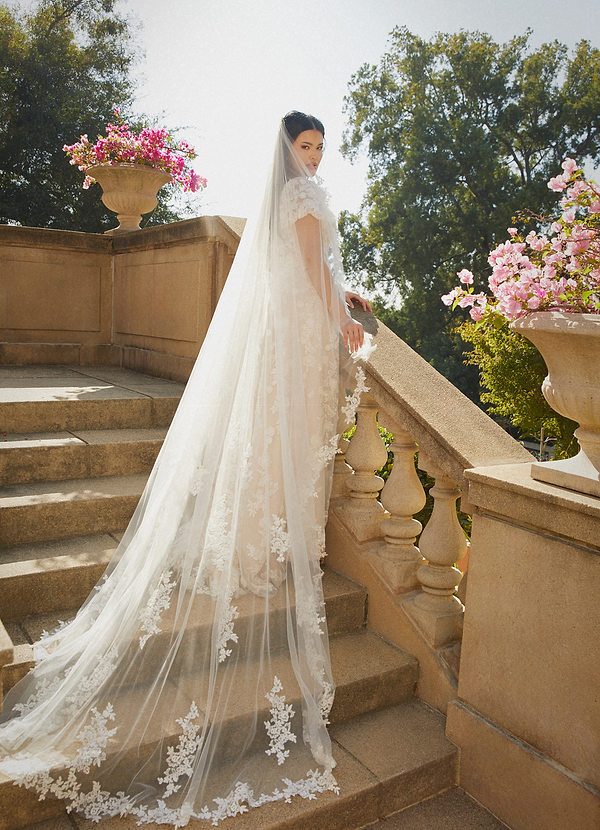
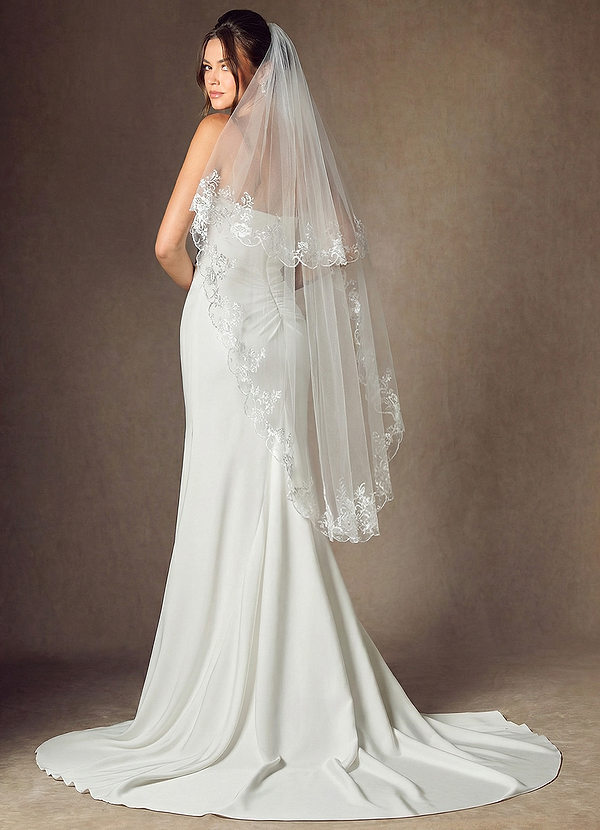
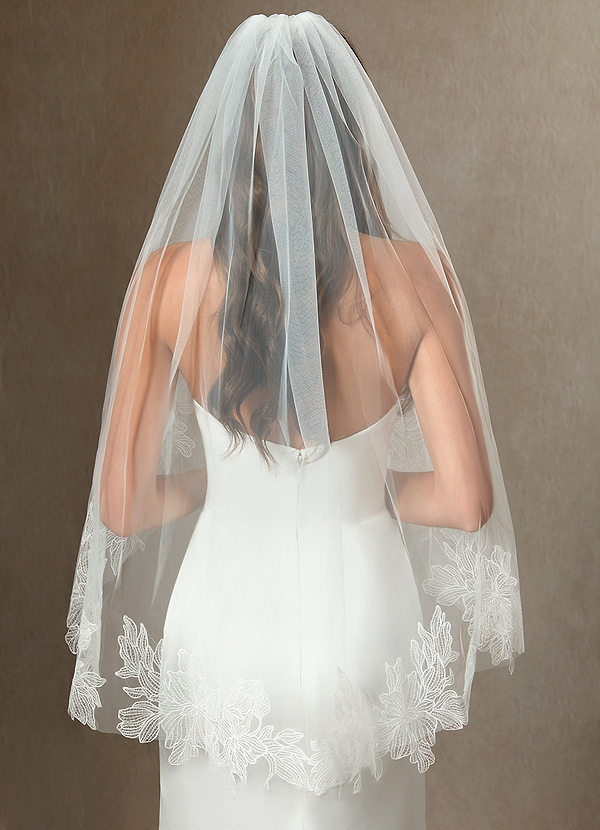
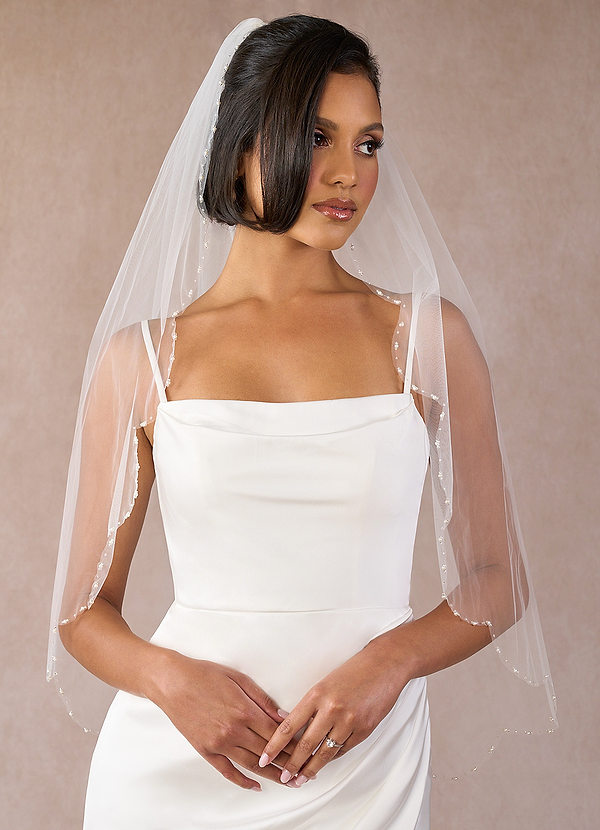
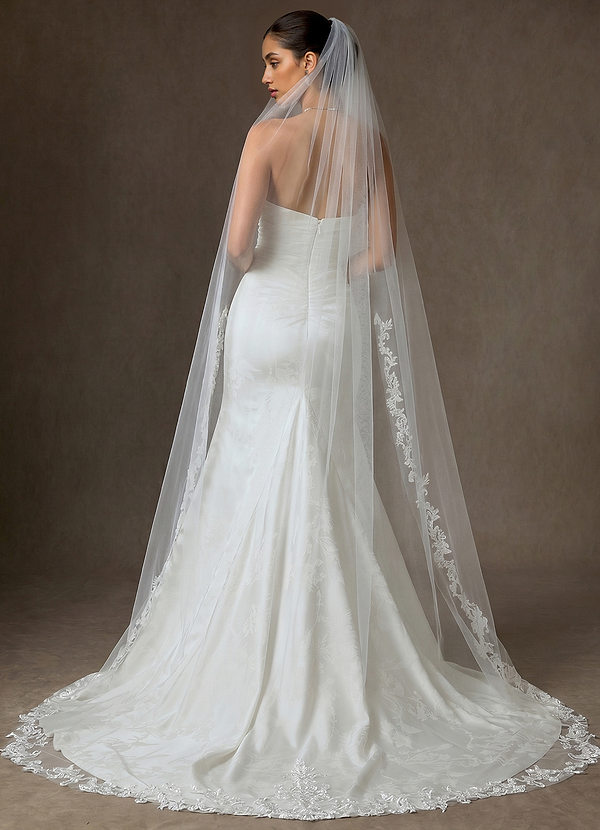
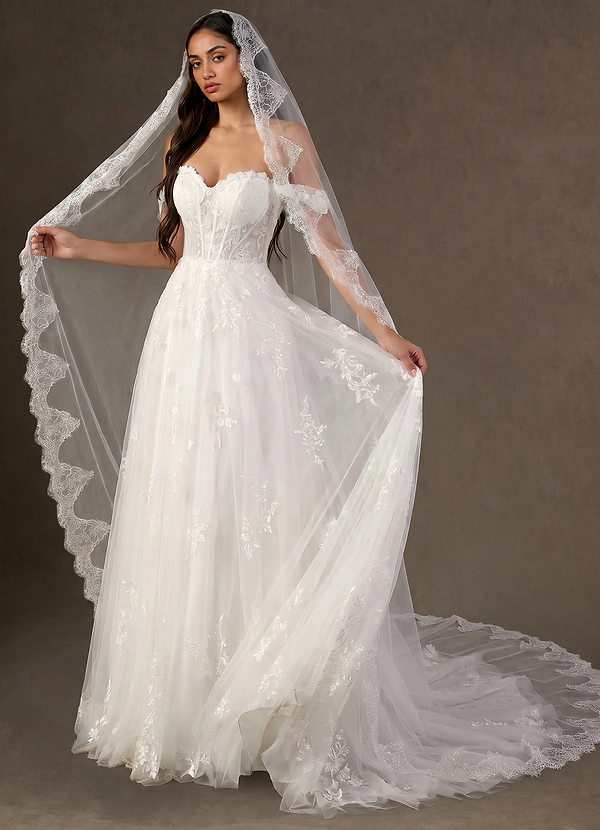
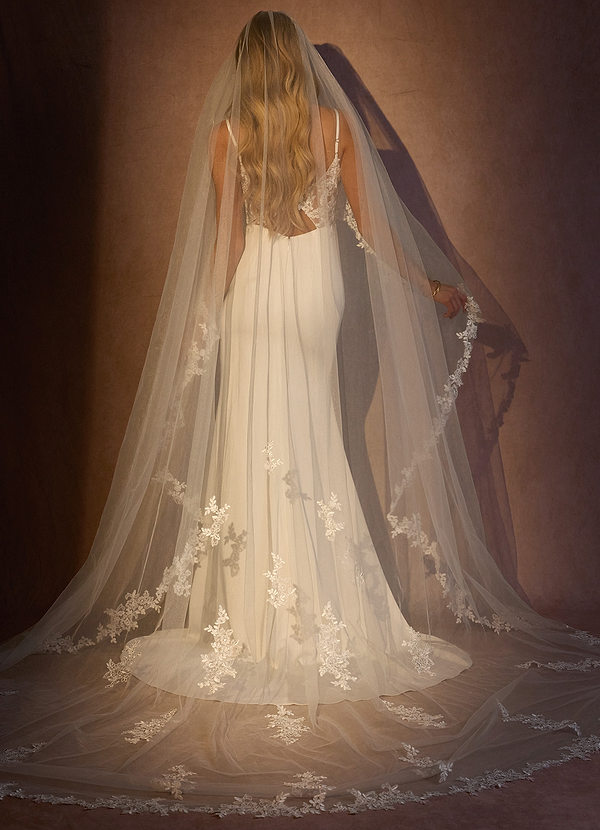
Add sophisticated dimension to your bridal ensemble with a pleated veil that brings texture, structure, and contemporary elegance to traditional wedding accessories. Unlike standard flat tulle veils, pleated designs feature carefully crafted folds that create visual interest and movement, catching light in beautiful ways as you walk down the aisle. The pleating technique adds subtle volume and architectural quality to the veil without weight or stiffness, maintaining the soft, ethereal drape that makes veils so romantically appealing. This textured approach to veil design offers modern brides a fresh take on classic accessories, perfect for those who appreciate refined details and want their veil to serve as more than just a traditional element.
The construction of a pleated veil involves meticulous fabric manipulation techniques that create uniform, symmetrical folds throughout the tulle or organza material. These pleats can be oriented vertically for a lengthening effect, horizontally for added width and volume, or in radiating patterns that create sunburst or fan-like designs. The pleating is typically secured at the comb attachment point, allowing the folds to cascade naturally as they extend down the veil's length. Some designs feature pleating only in specific sections, such as the top portion near the attachment point, while others incorporate pleats throughout the entire veil for consistent texture. The precision required in creating pleated veils results in accessories that feel structured yet maintain the delicate, romantic quality essential to bridal wear.
Selecting a pleated veil style involves considering how the texture and structure will complement your wedding gown's fabric and silhouette. Pleated veils pair exceptionally well with modern, minimalist dresses in smooth fabrics like satin, crepe, or silk, where the veil's texture provides welcome visual contrast and interest. They also work beautifully with structured gowns featuring architectural elements like crisp pleats, geometric seaming, or tailored bodices, creating cohesive design continuity between dress and veil. If your gown includes soft, romantic details like flowing chiffon or delicate lace, a pleated veil adds just enough structure to balance the overall aesthetic without introducing visual conflict.
The length and fullness of your pleated veil should coordinate with your dress's train and overall formality level to create balanced, harmonious proportions. Shoulder or elbow-length pleated veils offer modern sophistication perfect for intimate ceremonies, cocktail-length dresses, or brides who prefer minimal veil presence. Fingertip-length options provide classic versatility that works across various dress styles and venue types while showcasing the pleating beautifully in photographs. For formal ceremonies, chapel or cathedral-length pleated veils create dramatic impact, with the pleated texture adding dimension to the veil's train as it flows behind you during the processional.
Styling a pleated veil requires consideration of how the textured fabric will interact with your hairstyle and other accessories. The structured nature of pleating tends to work best with sleek, polished hairstyles that don't compete with the veil's texture. Consider smooth updos, low chignons, or straight, glossy down styles that provide a refined backdrop for the veil's dimensional quality. Since pleated veils make visual statements through their texture, many brides choose simple, understated hair accessories like minimal pins or delicate combs rather than elaborate headpieces that might overwhelm the overall look. The same principle applies to jewelry; let the veil's interesting texture serve as a focal point by keeping other accessories elegant but understated.
Caring for pleated veils requires gentle handling to maintain the integrity of the carefully crafted folds. Always store your veil hanging rather than folded to prevent creasing that could flatten the pleats. If storage space requires folding, do so along the natural pleat lines rather than creating new creases in the fabric. Avoid steaming or ironing pleated veils, as heat can damage the delicate tulle and destroy the pleating structure. If your veil becomes wrinkled during transport, hanging it in a bathroom with steam from a hot shower may gently release minor wrinkles without direct contact. After your wedding, professional preservation services experienced with textured veils can properly clean and store your pleated veil to maintain its beautiful structure for years to come.
What is the difference between a pleated veil and a gathered veil?A pleated veil features intentional, structured folds created through precise fabric manipulation techniques that result in uniform, symmetrical texture throughout the material. Gathered veils involve pulling fabric together at the attachment point to create soft, random bunching. Pleated veils have more architectural, controlled appearance with defined lines, while gathered veils offer softer, more organic volume. The choice depends on whether you prefer structured sophistication or romantic softness in your accessories.
Do pleated veils work with all dress styles?Pleated veils complement many dress styles particularly well, especially modern minimalist gowns, structured silhouettes, and dresses with clean lines that benefit from textural contrast. They work beautifully with architectural details like crisp pleats or geometric seaming in the gown. However, they may compete visually with extremely ornate, heavily embellished dresses or very soft, romantic styles with extensive ruffles and layers. Consider whether the veil's structured texture harmonizes with or contradicts your dress's overall aesthetic.
How do I secure a pleated veil without flattening the pleats?Pleated veils typically come with combs positioned to secure the veil without compressing the pleating structure. The comb should be placed where the pleats are anchored, allowing them to cascade naturally without additional pressure points. Work with your hairstylist to ensure bobby pins are added only where necessary for security, avoiding pins through the pleated sections that could flatten or distort the texture. Proper comb placement and minimal additional pinning preserve the veil's dimensional quality.
Can pleated veils be worn with updos and down hairstyles?Pleated veils work with both updos and down hairstyles, though sleek, polished styles tend to showcase the veil's texture most effectively. Smooth updos, low buns, and chignons provide refined backdrops that let the pleating stand out as the textural element. Straight, glossy down styles also work beautifully, while very curly or textured hair might compete with the veil's dimensional quality. The key is ensuring your hairstyle complements rather than overwhelms the veil's structured aesthetic.
Are pleated veils more expensive than traditional veils?Pleated veils often cost more than simple cut-edge veils due to the additional time, skill, and labor required to create the precise pleating structure. The technique demands expertise and careful handwork that increases production costs. However, prices vary widely based on factors like length, fabric quality, and designer. Many brides find the unique aesthetic and sophisticated texture of pleated veils worth the investment for the distinctive look they provide.
How do I prevent my pleated veil from getting crushed during transportation?Transport your pleated veil hanging in a garment bag whenever possible to maintain the pleating structure. If you must pack it, roll it very gently along the pleat lines rather than folding against them. Place the rolled veil in a sturdy box with tissue paper for protection. Upon arrival at your venue, immediately hang the veil to allow any minor compression to relax naturally. Avoid placing anything on top of the veil during transport, as weight can flatten the carefully crafted pleats.