







 United States

FILTERS:
Satin Trim Veil & Satin Edge Veil Collection
23 Items
quick shop
10% Off 3+
quick shop
10% Off 3+
quick shop
10% Off 3+
quick shop
10% Off 3+
quick shop
10% Off 3+
quick shop
10% Off 3+
quick shop
10% Off 3+
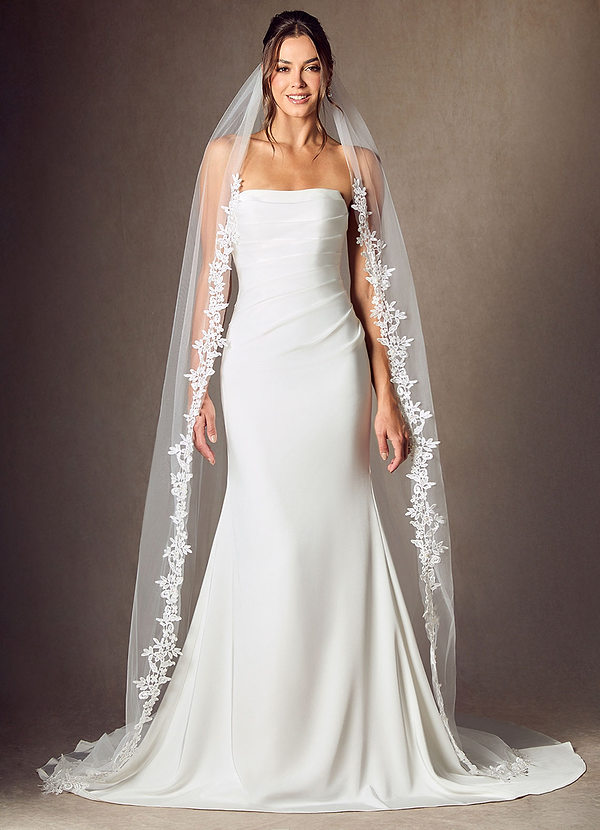
quick shop
10% Off 3+
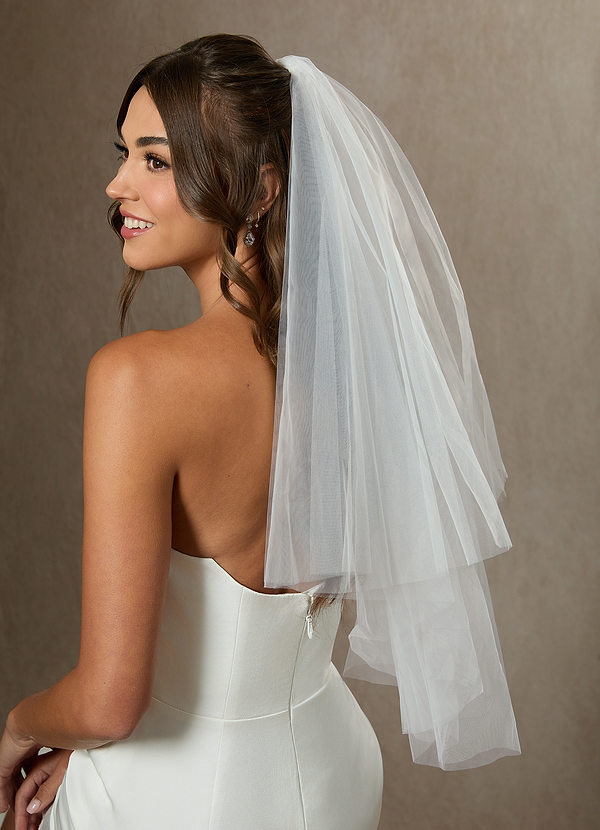
quick shop
10% Off 3+
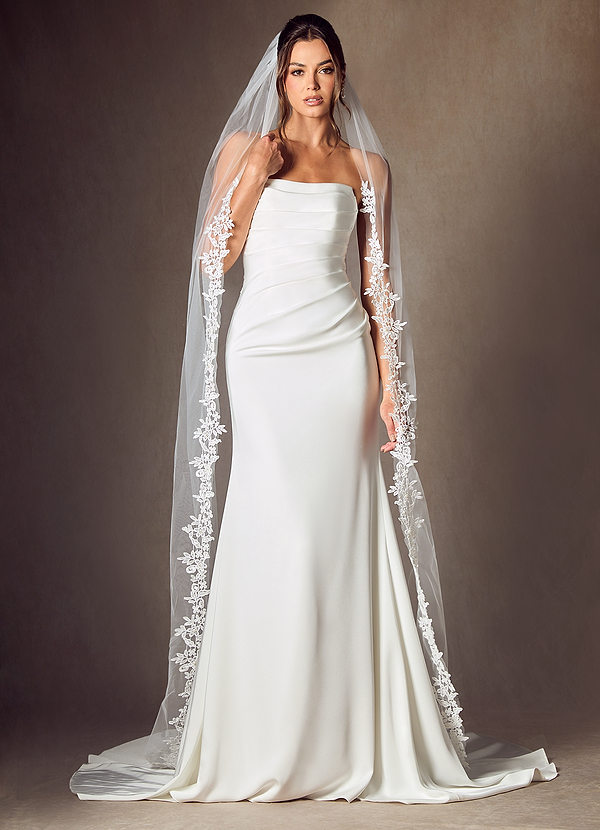
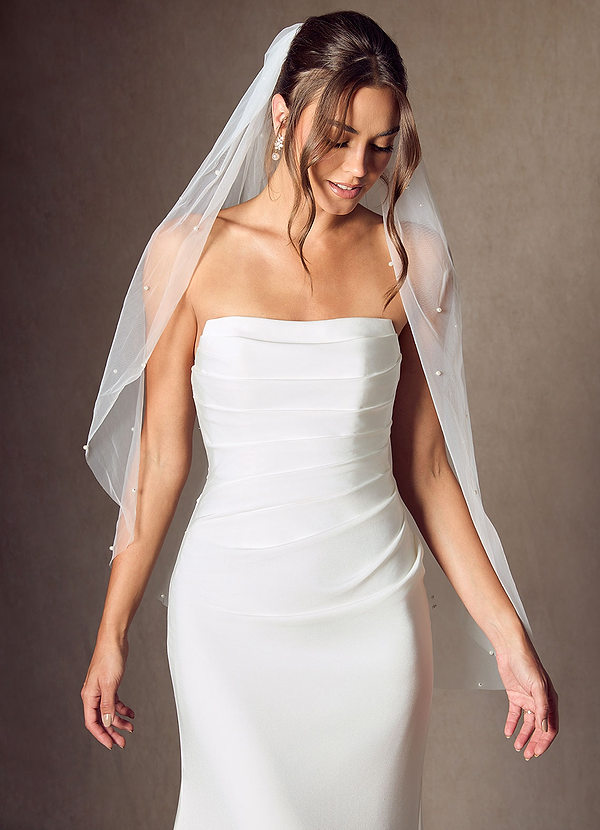
quick shop
10% Off 3+
quick shop
10% Off 3+
quick shop
10% Off 3+
Shop our exquisite satin trim veil collection, where timeless elegance meets modern bridal styling through the sophisticated finishing of satin edging. A beautifully crafted veil satin trim creates definition and weight along the veil's perimeter, allowing the tulle to cascade gracefully while providing a polished finish that photographs beautifully from every angle. Whether you're drawn to the clean lines of a simple satin edge veil or prefer more elaborate detailing, this classic finishing technique has remained a bridal favorite for generations due to its versatility across wedding styles—from intimate courthouse ceremonies to grand cathedral celebrations. The subtle sheen of the satin veil edging creates visual interest without overwhelming delicate lace gowns or competing with heavily embellished bodices.
The construction quality of a veil with satin trim significantly impacts how it drapes, moves, and photographs throughout your wedding day. Premium satin edge wedding veil designs feature ribbon widths typically ranging from 1/8 inch for delicate, barely-there definition to 1/2 inch for more substantial borders that create noticeable contrast. The satin ribbon is carefully hand-sewn or professionally machine-stitched along the veil's edge, with corners meticulously mitered to prevent bunching or puckering that would disrupt the graceful fall of fabric. High-quality construction ensures the satin trim remains securely attached through hours of wear, outdoor breezes, and the inevitable adjustments that occur during photographs and celebration activities, maintaining pristine appearance from ceremony through final dance.
When selecting your perfect satin veil, consider how the trim width relates to your gown's overall aesthetic and your venue's scale. Cathedral and chapel-length veils benefit from wider satin edge veil treatments (3/8 to 1/2 inch) that provide sufficient visual weight to balance the dramatic length and prevent the fabric from appearing too delicate or insubstantial. Conversely, birdcage, blusher, and fingertip-length styles typically look more proportional with narrow veil satin trim (1/8 to 1/4 inch) that defines the edge without overwhelming the smaller dimensions. The satin's color also matters—most brides choose trim matching their veil's tulle color (ivory satin with ivory tulle, white with white) for cohesive elegance, though some contemporary brides opt for subtle contrast like champagne satin trim on ivory tulle for dimensional interest.
The practical advantages of a satin trim veil extend beyond aesthetics to functional benefits that enhance wearability. The ribbon weight along the veil's perimeter helps the fabric hang straight and resist excessive billowing in outdoor breezes, making satin edge wedding veil styles particularly practical for garden ceremonies, beach weddings, and any outdoor celebration where wind might be a factor. This controlled drape ensures your veil maintains its intended shape in photographs rather than flying wildly or wrapping around you unpredictably. Additionally, the finished satin edge provides durability, preventing the delicate tulle from fraying or developing pulls that could occur with raw or cut edges, especially important for heirloom-quality veils you may wish to preserve or pass down to future generations.
Styling versatility makes the veil with satin trim appropriate across diverse bridal aesthetics and wedding themes. For classic, traditional weddings in formal venues, a cathedral-length satin veil creates timeless elegance that echoes royal wedding imagery. Modern minimalist brides appreciate how the clean satin edge veil line provides structure without fussy embellishment, complementing sleek sheath gowns and architectural silhouettes. Romantic garden wedding aesthetics pair beautifully with softer tulle and delicate narrow satin trim that doesn't compete with floral crowns or natural styling. Vintage-inspired brides might choose fingertip or elbow-length styles with slightly wider ribbon for that classic 1950s bridal look. This adaptability across eras and styles contributes to satin trim's enduring popularity—it enhances rather than dictates your overall bridal aesthetic.
Beyond your wedding day, a quality satin edge wedding veil becomes a treasured keepsake that preserves the memory and emotion of your celebration. Many brides carefully store their veils as future heirlooms for daughters or close family members, making construction quality and timeless styling particularly important. The satin veil trim provides structural integrity that helps the piece maintain its shape during long-term storage better than unfinished edges. Some brides choose to repurpose their veils into christening gowns, ring bearer pillows, or framed shadow box displays that allow them to enjoy this meaningful accessory beyond a single day of wear. When selecting your veil, consider not just how it will look on your wedding day but also how it might serve as a lasting connection to this significant moment in your life story.
What's the difference between a satin trim veil and a satin edge veil?These terms are essentially synonymous and used interchangeably in the bridal industry. Both satin trim veil and satin edge veil descriptions refer to the same construction technique: a ribbon of satin fabric sewn along the veil's perimeter to create a finished, weighted edge. Some manufacturers might use "trim" to indicate wider ribbon (3/8 inch and above) and "edge" for narrower applications (1/4 inch and below), but this distinction isn't industry-standard. When shopping, focus on the actual ribbon width measurement rather than whether it's called trim or edge, as this specification more accurately indicates the visual impact and weight the finishing will provide to your veil's overall appearance and drape.
How do I choose the right satin ribbon width for my veil with satin trim?Ribbon width should be proportional to your veil's length and your gown's embellishment level. For cathedral and chapel veils (108-120 inches), choose wider veil satin trim (3/8 to 1/2 inch) that provides visual definition visible from a distance and balances the dramatic length. Fingertip and elbow-length veils (36-45 inches) look best with medium trim (1/4 to 3/8 inch) that defines without overwhelming. Birdcage and blusher styles need delicate narrow trim (1/8 to 1/4 inch) proportional to their petite dimensions. Also consider your dress—heavily beaded gowns pair well with simpler narrow satin edge veil treatments, while minimalist dresses can carry wider, more noticeable trim that adds visual interest without competing with nonexistent dress embellishment.
Should my satin edge wedding veil match my dress's satin elements?Matching isn't required, but coordination creates cohesive styling. If your gown features satin elements like a satin waistband, satin buttons, or satin trim on the train, choosing a satin veil with similar sheen and weight creates harmonious repetition that ties your look together beautifully. However, the veil's tulle color coordination with your dress is actually more important than matching the satin sheen. An ivory tulle veil with ivory satin trim should be worn with an ivory dress, regardless of whether the dress includes satin details. If your dress is pure white with no satin elements, a white satin edge wedding veil still works perfectly. The key is ensuring the overall color temperature (warm ivory versus cool white) matches between dress and veil.
Can a satin trim veil be worn with a lace wedding dress?Absolutely! A veil satin trim complements lace gowns beautifully by providing clean, defined lines that contrast elegantly with lace's organic, detailed patterns. The smooth satin edge creates visual separation between your veil and dress, preventing the tulle from visually blending into intricate lace and losing definition in photographs. For heavily embellished lace gowns, choose a simple satin veil without additional beading or embroidery, allowing the ribbon edge to provide sufficient interest without competing with your dress. If your lace dress is more minimalist, you might consider a satin edge veil with subtle beading or embroidery between the tulle center and satin border for added dimension while maintaining the classic elegance satin trim provides.
How should I store my satin edge veil after the wedding?Proper storage preserves your satin veil as a cherished keepsake. First, have it professionally cleaned to remove any makeup, hairspray, or environmental oils—even if it looks clean, invisible substances can cause discoloration over time. Once cleaned, store it flat if possible, or loosely rolled (never tightly folded, which creases both tulle and satin trim). Use acid-free tissue paper between layers to prevent the satin from creating permanent impressions in the tulle. Place it in a breathable fabric storage box or muslin bag rather than plastic, which traps moisture and can yellow fabrics. Store in a cool, dry, dark location away from direct sunlight, which fades both tulle and satin. Avoid cedar chests, as the oils can stain delicate fabrics. Properly stored, your veil remains in beautiful condition for future generations.
What veil length works best for showing off the satin trim veil detail?Fingertip, chapel, and cathedral lengths showcase veil with satin trim most effectively because they provide sufficient fabric dimension for the edge detail to be visible and appreciated. Cathedral veils (120 inches) create the most dramatic satin edge veil presentation, with the trim creating a beautiful frame as the veil trails behind you during the processional—this length photographs spectacularly from behind and above. Chapel length (90 inches) offers similar visual impact with slightly easier management. Fingertip length (36-45 inches) brings the satin trim closer to eye level in photos, making the detail more immediately noticeable. Very short veils like birdcage or shoulder-length styles, while they can feature satin trim, don't provide enough fabric dimension to showcase the edging as a significant design element in most photographic angles.