





 United States
FILTERS:
Bridal Reception Dresses
711 Items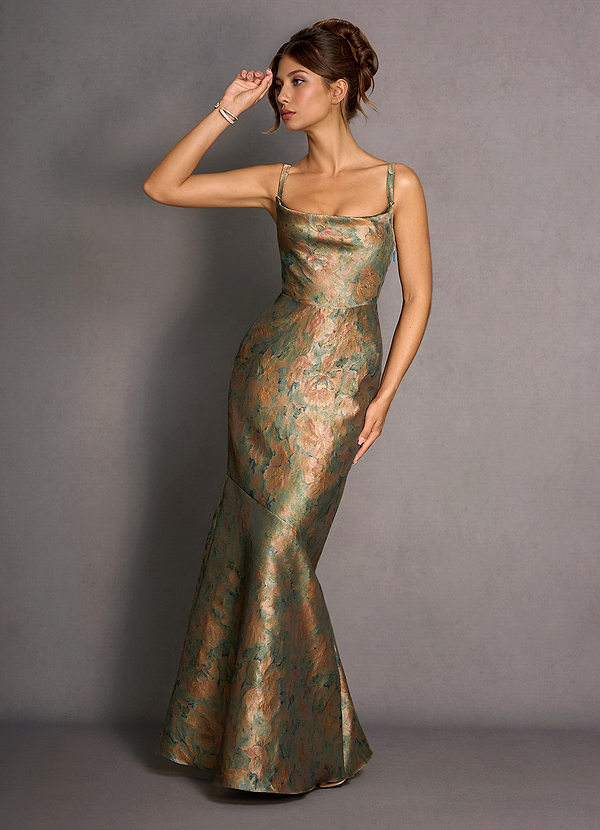
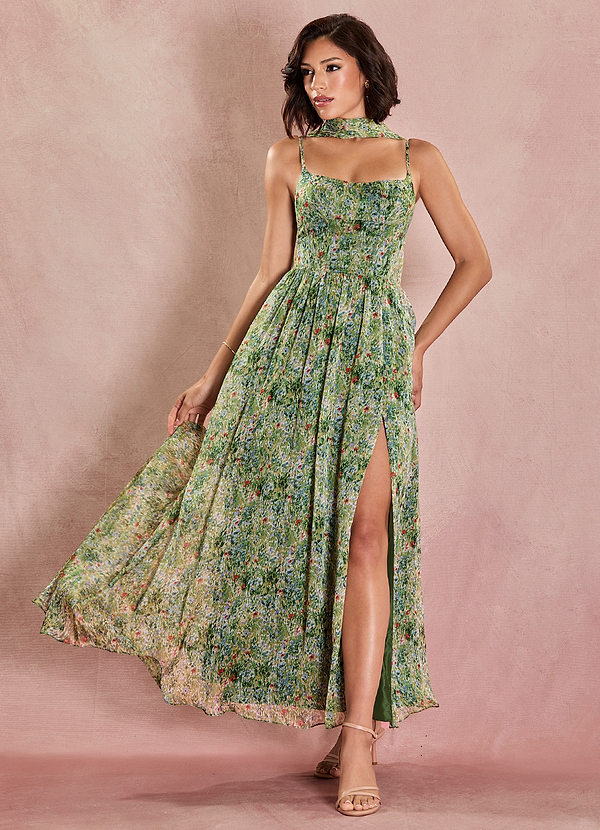
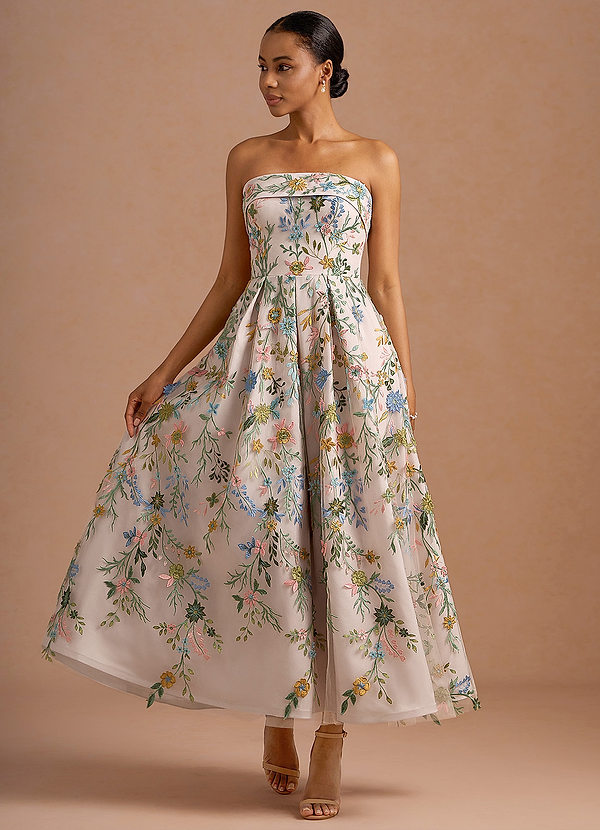
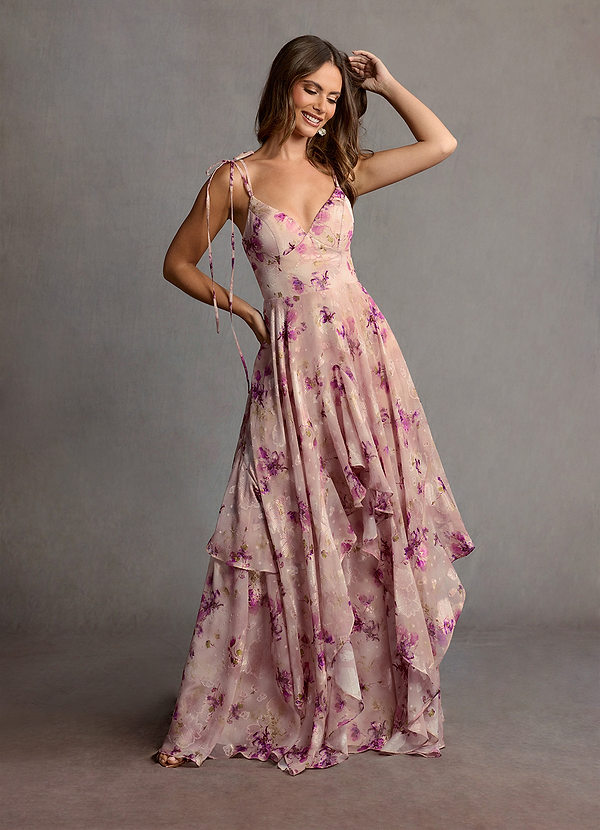
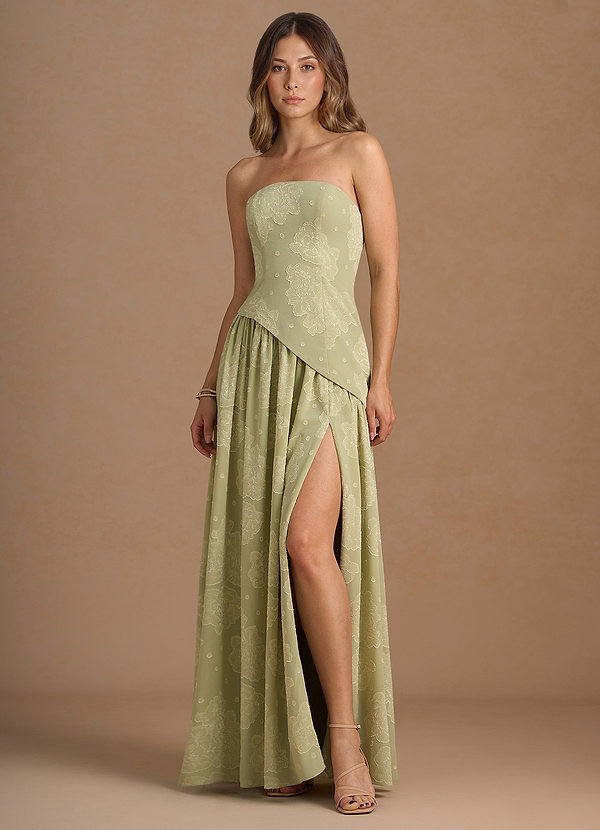
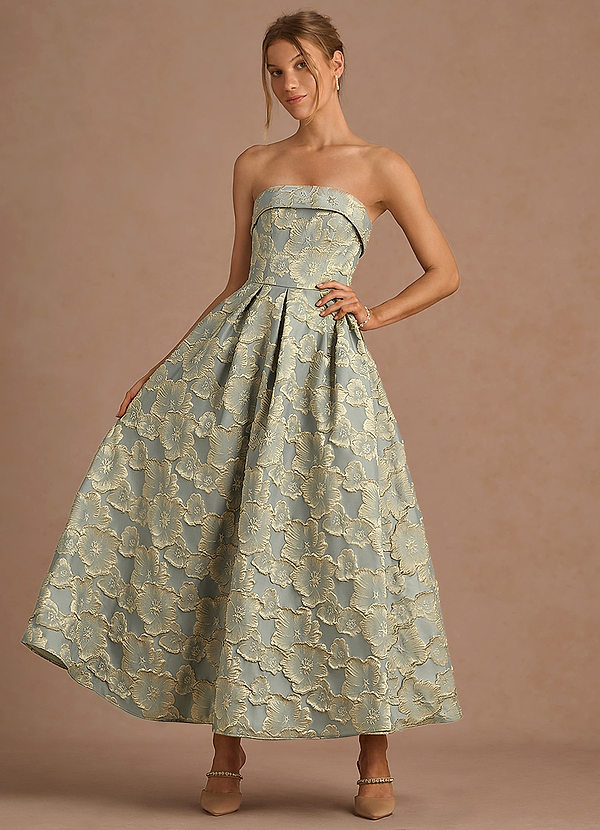
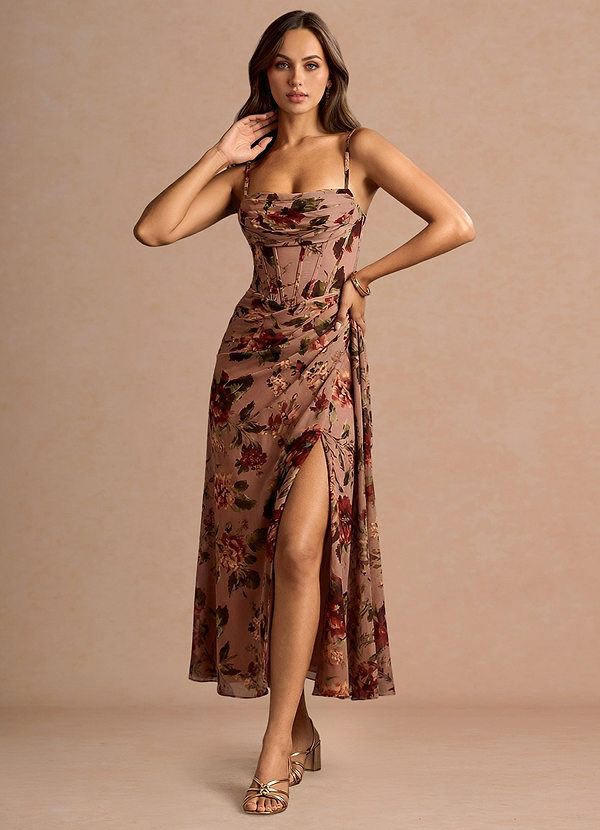

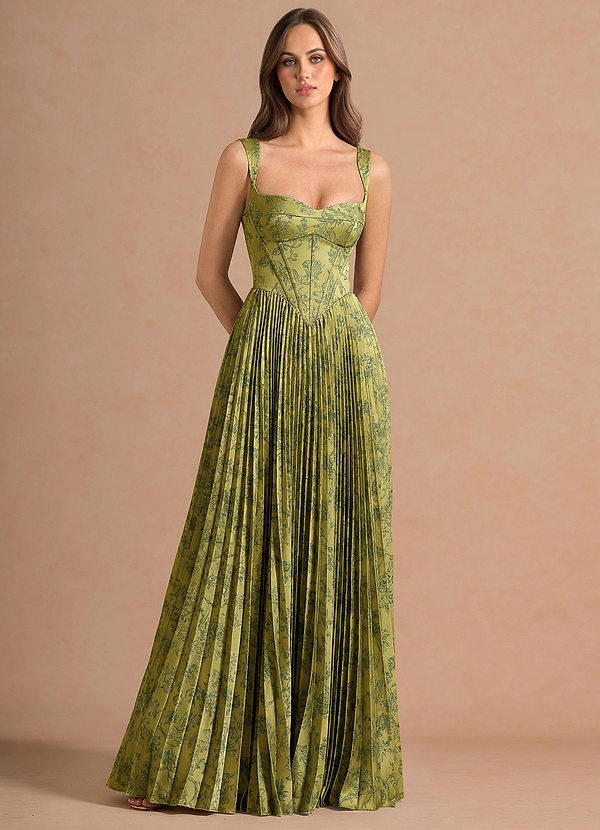
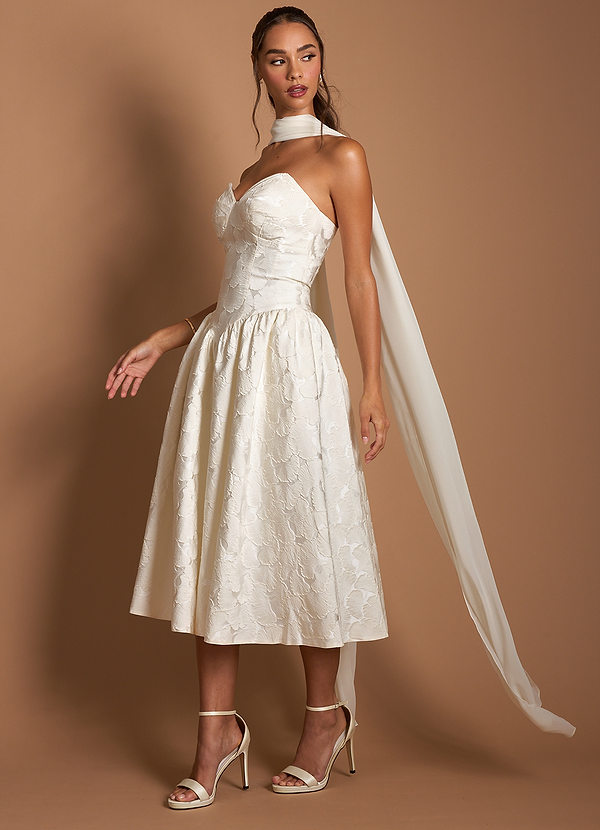
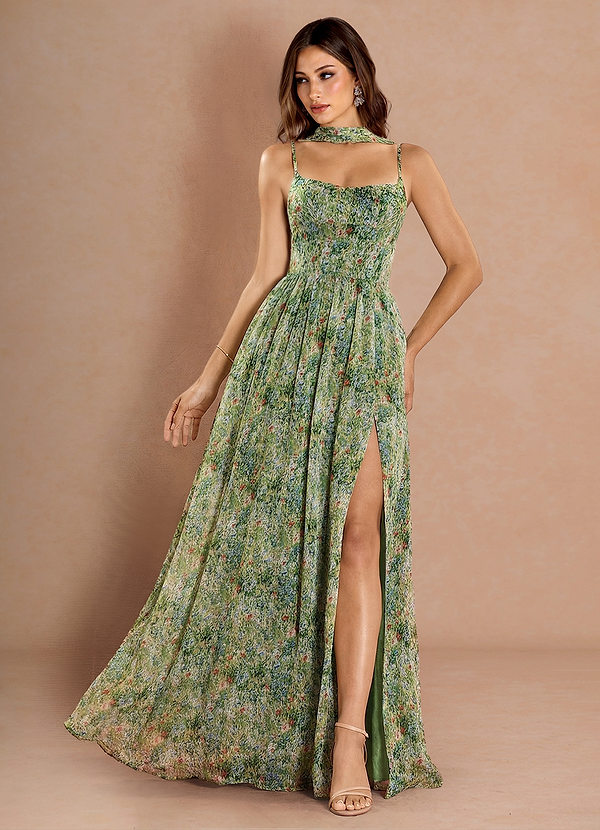
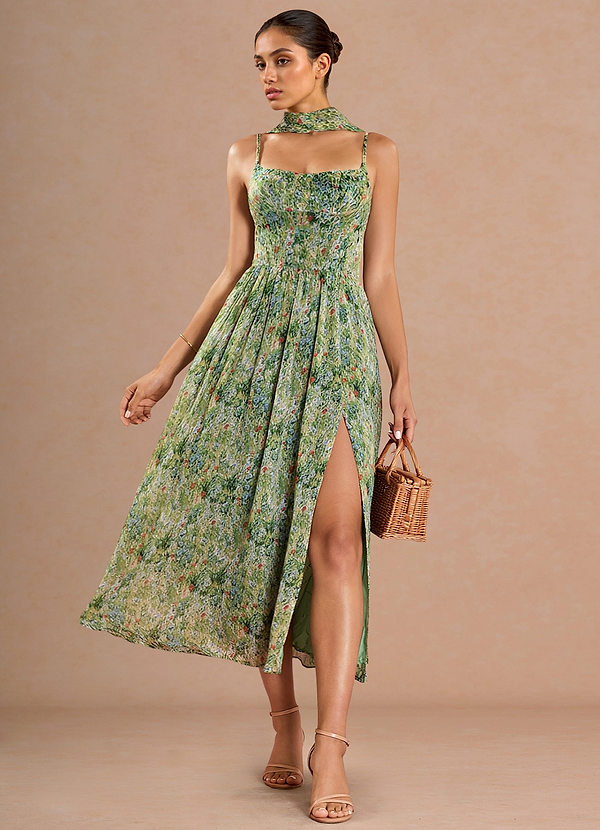
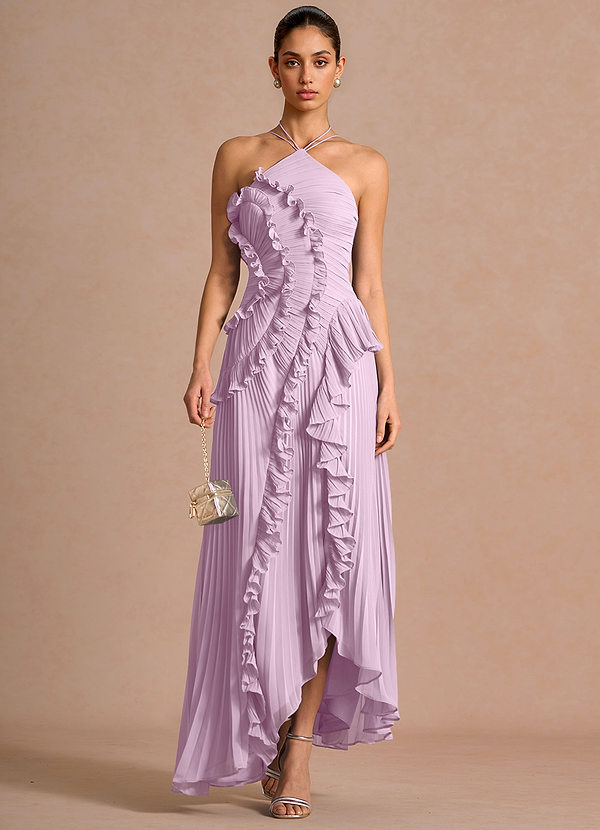

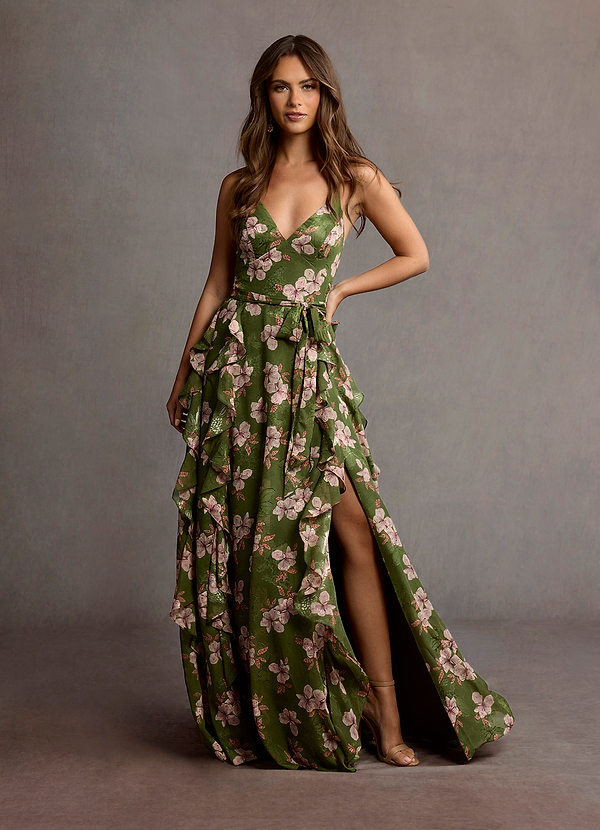
Bridal reception dresses address one of modern wedding fashion's most exciting trends — the wedding dress change that transforms the reception from an extension of the ceremony into its own distinct fashion moment. The bride who changes from a dramatic ceremony gown into a more movement-friendly, party-ready reception dress creates a memorable fashion narrative and often the most exuberant photographs of the entire wedding day. These second dresses prioritize the specific requirements of reception activities: dancing, hugging hundreds of guests, sitting for dinner, and moving freely through the party's full duration, all while looking as beautiful as the occasion demands.
The ideal bridal reception dress contrasts with the ceremony gown in at least one significant way — creating the visual "reveal" that makes the dress change so memorable. A bride who wore a traditional ballgown for her ceremony might change into a sleek mini or midi for the reception. A bride who wore a clean minimalist ceremony gown might change into a sparkle-forward reception dress with sequins or beading. The contrast creates a narrative arc to the wedding day's fashion story while also practically addressing the difference in activities between the formal, relatively stationary ceremony and the active, celebratory reception. Both dresses should feel distinctly bridal while serving their different ceremony functions.
Construction requirements for reception dresses differ meaningfully from ceremony gowns. Freedom of movement is paramount — construction that restricts dancing, sitting, and hugging compromises the reception dress's core function. Stretch fabrics and relaxed silhouettes accommodate the extended physical activity of reception dancing. Secure construction that requires minimal adjustment throughout a long, active reception is essential — constantly readjusting a strapless top or hem distracts from genuine enjoyment of the celebration. Built-in support that functions without elaborate underlining or structural undergarments simplifies the mid-event dress change that most brides manage in a venue restroom or bridal suite.
White, ivory, and champagne remain the most popular choices for reception dresses because maintaining the bridal palette's continuity helps the dress change feel like a wardrobe evolution rather than a complete identity shift. Soft blush reception dresses maintain bridal adjacency while introducing subtle color. Some brides specifically choose non-white reception dresses — pale gold, metallic silver, or even a bold color — to create maximum contrast with their white ceremony gown. Each approach creates a different kind of fashion statement depending on how dramatically the bride wants her reception dress change to differ from the ceremony look.
Azazie's collection includes beautiful bridal and formal white and light-toned dresses suited for the bridal reception context, from elegant mini styles to flowing midi designs that translate perfectly from ceremony change to reception dancing and celebration.
Q: When is the right time to change into a reception dress?Most brides who change into reception dresses do so between the cocktail hour and the dinner reception, typically after completing formal photographs and before making their grand entrance into the reception venue. Some brides change immediately after the ceremony while guests are at cocktail hour. Others wait until after the first dances before changing into a more dance-friendly reception look. Work with your wedding coordinator and photographer to determine the optimal change timing that allows for both adequate photos in the ceremony gown and maximum reception enjoyment in the reception dress.
Q: What length is most popular for bridal reception dresses?Mini and short reception dresses are among the most popular choices because they offer maximum dancing freedom and create the strongest visual contrast from a longer ceremony gown. Midi-length reception dresses provide a middle-ground option that's more modest than mini while still being notably more movement-friendly than floor-length alternatives. Some brides choose a second floor-length dress for receptions where continued formality is important or where the first gown was genuinely impractical rather than simply elaborate. The practical dancing test — could you dance all night comfortably in this dress — is the most reliable guide to appropriate reception dress selection.
Q: Should my reception dress match my ceremony gown's style?Reception dresses need not match the ceremony gown's style — in fact, intentional contrast often creates the most memorable fashion narrative. The contrast should feel deliberate and personal rather than accidental: a structured ceremony gown followed by a flowing, relaxed reception dress; a modest ceremony look followed by a more personality-forward reception choice; a traditional ballgown followed by a modern mini. The common element is maintaining the bridal aesthetic through white, ivory, or light tones — the visual connection between the dresses creates cohesion even when their styles diverge meaningfully.